
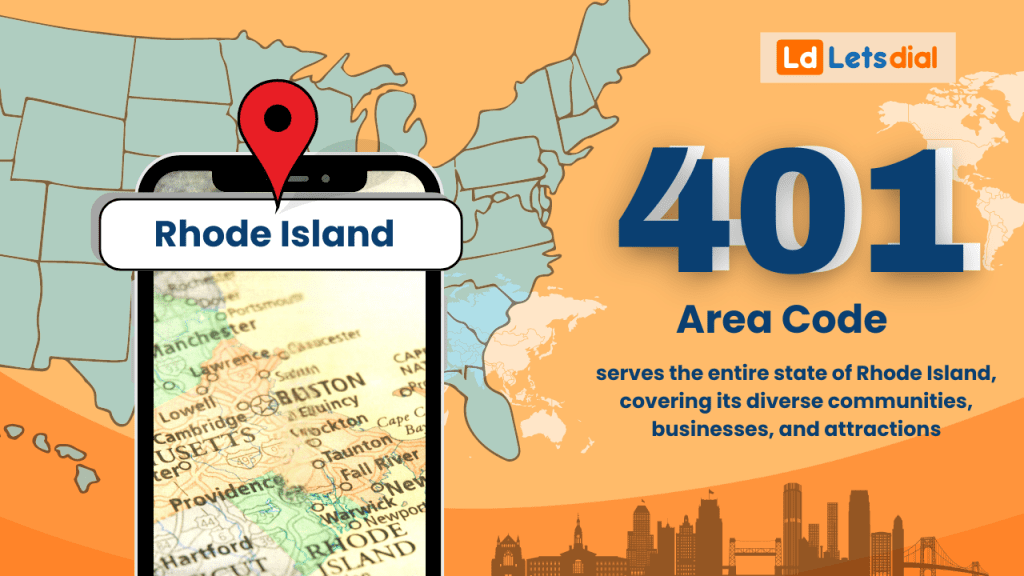
The 401 area code serves as the sole geographical identifier for telephone numbers within the state of Rhode Island, a distinction that positions it uniquely within the vast landscape of the North American Numbering Plan (NANP). Far from being a mere numerical prefix, an area code represents a foundational component of telecommunications technology, acting as a digital signpost that directs calls across complex networks and grounds digital identities to specific geographic regions. Understanding the 401 area code, therefore, requires a dive into the technological architecture of telephony, its historical evolution, and its contemporary relevance in an era dominated by mobile devices, Voice over IP (VoIP), and evolving digital security challenges.
The Technological Backbone of Telephony: Area Codes Explained
Area codes emerged as a critical innovation in the mid-20th century, necessitated by the rapid expansion of telephone services and the increasing complexity of national and international call routing. Before their widespread adoption, operators manually connected long-distance calls, a process that was slow, inefficient, and unsustainable as the network grew. The introduction of area codes, particularly within the NANP which covers 20 countries and territories including the United States, Canada, and parts of the Caribbean, revolutionized this system by enabling direct distance dialing (DDD).
Evolution of the Numbering System
The genesis of the NANP in 1947 marked a pivotal moment in telecommunications history. Bell System engineers devised a plan to segment the continent into distinct numbering plan areas (NPAs), each assigned a unique three-digit code. These codes were strategically designed, with the first digit generally indicating a geographical region and the middle digit initially restricted to ‘0’ or ‘1’ to differentiate them from local exchange codes. This systematic approach allowed automated switching equipment—the electromechanical and later digital switches—to interpret a call’s destination without human intervention. When a caller dialed a 10-digit number (area code + 7-digit local number), the network’s technology could automatically route the call to the correct city, and then to the specific local exchange and subscriber. This innovation was a monumental technological leap, paving the way for the instant, widespread communication we take for granted today.
How Area Codes Facilitate Modern Communication
While the underlying technology has transformed dramatically from electromechanical switches to packet-switched IP networks, the conceptual role of area codes remains surprisingly steadfast. In today’s digital landscape, area codes continue to facilitate communication in several key ways:
- Call Routing in IP Telephony (VoIP) and Mobile Networks: Even with sophisticated VoIP protocols and mobile network routing algorithms that leverage data packets and cell tower triangulation, area codes provide an initial, high-level geographical context. They help in determining the closest and most efficient gateways for voice traffic to enter or exit the traditional Public Switched Telephone Network (PSTN), especially for calls originating from or terminating at a landline. For mobile networks, while precise location is tracked by cell towers, the area code provides a default geographic association for the number itself, which is vital for billing and regulatory compliance.
- Caller ID Technology and Digital Display: The area code is an integral part of the Caller ID (CNAM) display technology. When a call comes in, the recipient’s phone or device uses the incoming number, including the area code, to display information about the caller. This immediate visual cue offers context, helping users decide whether to answer or not. This feature is particularly relevant in digital security, allowing users to identify unfamiliar numbers, potentially leading to the blocking of spam or scam calls.
- Location Inference and Local Identity: Despite the global reach of the internet, area codes still carry significant geographical weight. For many apps and online services, an area code can be used to infer a user’s general location, which can then be leveraged for region-specific content, services, or even emergency alerts. For businesses, a 401 number instantly signals a local presence in Rhode Island, fostering trust and familiarity with potential customers.
Geographic and Digital Footprint: The 401 Code in Rhode Island
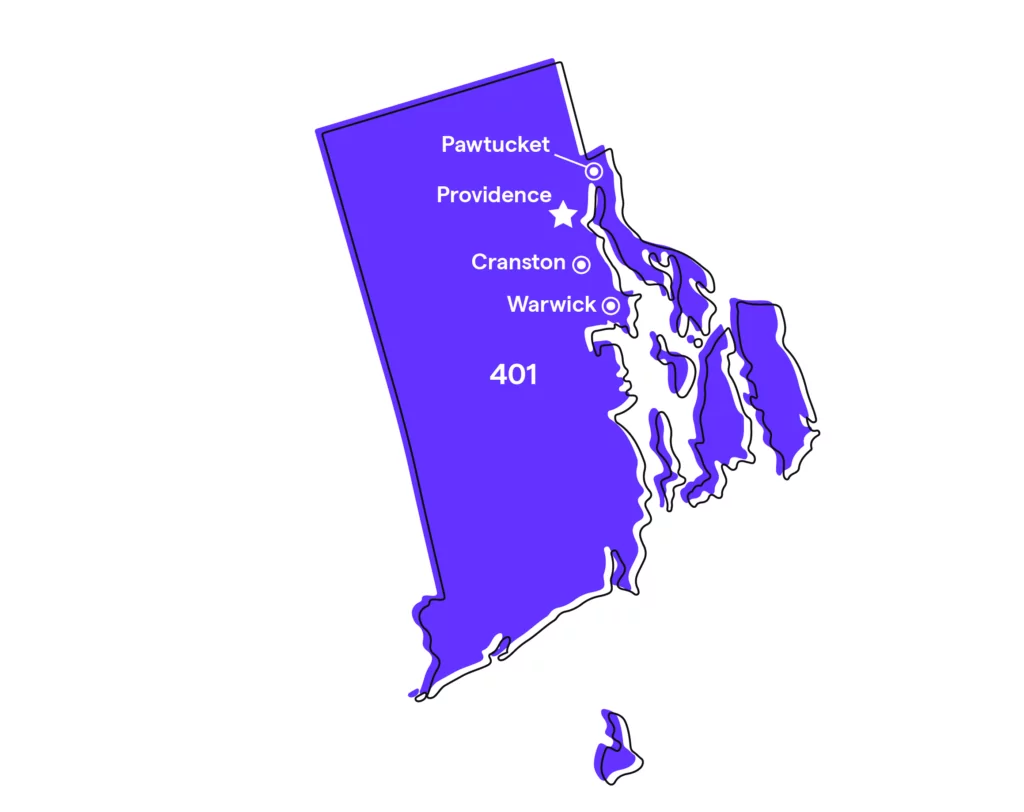
The 401 area code is unique in its status as the sole area code for an entire U.S. state. This singularity reflects a confluence of historical demographic trends, geographic size, and technological planning.
Rhode Island’s Unique Single Area Code Status
Rhode Island, the smallest U.S. state by area, has historically maintained a population density that, while high for its size, did not necessitate the rapid introduction of multiple area codes seen in larger, more populous states. From its inception in 1947 as one of the original 86 NPAs, the 401 code has remained the singular identifier for the entire state. This contrasts sharply with states like California or New York, which have dozens of area codes, often with complex overlay plans where multiple codes serve the same geographic region, or split plans where new codes are carved out of existing ones.
The continued existence of a single area code in Rhode Island is a testament to effective number resource management and the state’s specific growth patterns. While many regions have faced “number exhaustion” due to population growth, the proliferation of fax machines, pagers, and later mobile phones, Rhode Island’s telephone numbering capacity under 401 has, to date, been sufficient. This stability offers a simpler dialing experience for residents and a clear geographical marker for anyone contacting the state.
Impact on Local Digital Identity and Business Technology
For individuals and businesses alike, the 401 area code is more than just a number—it’s a powerful element of digital identity and local connection.
- Local Trust and Identity: For businesses operating within or targeting Rhode Island, having a 401 number is often seen as a mark of authenticity and local presence. Even in an age where virtual phone systems (VoIP apps) allow businesses to acquire numbers from any area code, choosing a 401 number can significantly enhance local credibility and build trust with customers who prefer to deal with locally-rooted entities. This perception is critical in sectors like retail, local services, and community-focused organizations.
- Location-Based Services and Apps: Many modern applications and digital services leverage geographic data to personalize experiences. While GPS and IP addresses provide precise location, the area code of a user’s primary phone number can still serve as a foundational layer for initial location inference. For instance, news apps might offer local headlines based on the detected area code, or weather apps might default to forecasts for Rhode Island.
- Implications for Tech Companies: Tech companies considering establishing a presence in Rhode Island, whether physically or virtually, must consider the local digital landscape. Provisioning 401 numbers for their employees or customer service lines reinforces their commitment to the region and simplifies communication for local clients and partners. Cloud-based phone systems make it easy for businesses to manage multiple 401 numbers, irrespective of their physical server location.
The Interplay of Area Codes with Digital Security and Modern Apps
In an increasingly interconnected yet vulnerable digital world, area codes play an unexpected but crucial role in digital security and how modern communication applications function.
Combatting Digital Threats: The Role of Caller ID and Area Codes
The simplicity of the area code often belies its importance in the ongoing battle against digital threats, particularly those originating from unwanted phone calls.
- Identification of Unfamiliar Numbers: When a call arrives from an unfamiliar number, the area code is often the first clue. A 401 area code suggests a call from Rhode Island, while an unfamiliar out-of-state code might raise a red flag for a user who isn’t expecting such a call. This immediate geographical context aids users in making quick decisions about answering.
- The Rise of “Spoofing”: Malicious actors frequently engage in “spoofing,” manipulating caller ID technology to display a false phone number, often one with a local area code (like 401) to increase the likelihood that a potential victim will answer. This technique is designed to exploit the trust associated with local numbers.
- Tools and Apps for Call Filtering: In response to the growing threat of spam and scam calls, a plethora of call-blocking apps and services have emerged. Many of these tools leverage area code data to filter unwanted calls, either by flagging numbers from known spam areas or by allowing users to block entire area codes. Some services analyze call patterns originating from specific area codes to identify and predict potential scam campaigns.
- STIR/SHAKEN Technology: To combat spoofing more effectively, the telecommunications industry, under regulatory guidance, has implemented STIR/SHAKEN (Secure Telephone Identity Revisited/Signature-based Handling of Asserted information using toKENS) protocols. This technology digitally signs calls made over IP networks, verifying the authenticity of the caller ID information at each hop. While STIR/SHAKEN authenticates the originating service provider, the area code remains a core piece of information being verified, ensuring that the displayed 401 number, for example, genuinely originates from a legitimate source entitled to use that number. This represents a significant technological leap in securing the underlying numbering system.
Area Codes in the Age of VoIP and Mobile Apps
The advent of Voice over Internet Protocol (VoIP) and the dominance of mobile applications have fundamentally reshaped telecommunications, yet area codes remain relevant, albeit in new capacities.
- Virtual Phone Numbers via Apps: VoIP services and communication apps now allow individuals and businesses to provision virtual phone numbers from almost any area code, regardless of their physical location. An entrepreneur in California could easily acquire a 401 number through a VoIP app, enabling them to establish a local presence in Rhode Island without a physical office. This technological capability blurs the traditional geographic ties of area codes but simultaneously reinforces their importance as markers of desired local identity.
- Messaging App Integration: Even messaging apps like WhatsApp, Signal, and Telegram, which operate largely over internet data, still rely on traditional phone numbers—and by extension, area codes—for initial user registration and identification. This integration highlights the enduring role of the numbering plan as a global unique identifier system for individuals, even when the communication itself is IP-based.
- Underlying Database Technology: The global management and routing of calls, particularly across the hybrid PSTN/IP networks, depend on sophisticated database technologies that continuously track and update area code assignments, numbering blocks, and routing tables. Every time a call is initiated, these intricate backend systems quickly reference the area code to determine the correct path, ensuring seamless connectivity across diverse network infrastructures.
The Future of Numbering: Trends and Technological Shifts
As technology continues its relentless march forward, questions naturally arise about the long-term relevance of traditional telecommunications structures like area codes.
Are Area Codes Still Relevant in a Globalized Digital World?
While some might argue that area codes are relics in a world of global internet communication, where IP addresses, user IDs, and social media handles often serve as primary identifiers, their continued relevance is robust.
- Inertia of Infrastructure and User Habits: The sheer scale of existing infrastructure built around the NANP, combined with deeply ingrained user habits of dialing 10-digit numbers, ensures the inertia of the area code system. Replacing it would be a colossal, expensive, and disruptive undertaking with little clear benefit.
- Logical Segmentation Layer: Area codes continue to provide a logical and easily understood layer of geographical segmentation, which is useful for emergency services, local business targeting, and regulatory oversight. They simplify complex routing logic by providing an initial, broad geographical filter.
- Regulatory Framework: Area codes are fundamental to national telecommunications regulatory frameworks, which govern everything from numbering resource allocation to consumer protection and emergency service access (like 911).

Potential Changes and Overlay Plans
While Rhode Island’s 401 area code remains stable for now, other regions face ongoing challenges related to number exhaustion.
- Number Exhaustion and Overlays: As populations grow and more devices require phone numbers (IoT devices, second lines, business lines), regions can face number exhaustion. This often leads to the implementation of “overlay” area codes, where a new area code is introduced to serve the same geographic area as an existing one. This typically necessitates mandatory 10-digit dialing for all local calls within that region to differentiate between numbers with different area codes serving the same locale. While Rhode Island has been fortunate to avoid this, it remains a potential future consideration for any area with limited numbering resources.
- Transition to 10-Digit Dialing: Many parts of the NANP have already transitioned to mandatory 10-digit dialing (including the area code for local calls), even in single-area-code regions. This prepares the network for future numbering plan changes and standardizes dialing procedures across the continent. While 7-digit dialing still works within 401, the general trend points towards universal 10-digit dialing.
- Role of Regulatory Bodies: Organizations like the Federal Communications Commission (FCC) in the United States and the Canadian Radio-television and Telecommunications Commission (CRTC) continuously manage numbering resources, conduct studies on projected exhaustion, and implement numbering plan changes. These bodies are crucial in guiding the technological evolution of the telecommunications landscape, ensuring efficiency, accessibility, and the long-term viability of the numbering system, including beloved codes like 401.
In conclusion, the 401 area code, representing the entirety of Rhode Island, is a microcosm of the larger technological story of telecommunications. From its origins as a tool for efficient call routing in an analog world to its contemporary role in digital identity, security protocols, and app functionality, the area code remains a surprisingly resilient and foundational piece of our technological infrastructure. Its continued existence underscores the intricate balance between legacy systems and modern innovation, serving as a constant reminder of how foundational technologies continue to evolve and adapt within our increasingly connected digital ecosystem.
aViewFromTheCave is a participant in the Amazon Services LLC Associates Program, an affiliate advertising program designed to provide a means for sites to earn advertising fees by advertising and linking to Amazon.com. Amazon, the Amazon logo, AmazonSupply, and the AmazonSupply logo are trademarks of Amazon.com, Inc. or its affiliates. As an Amazon Associate we earn affiliate commissions from qualifying purchases.