
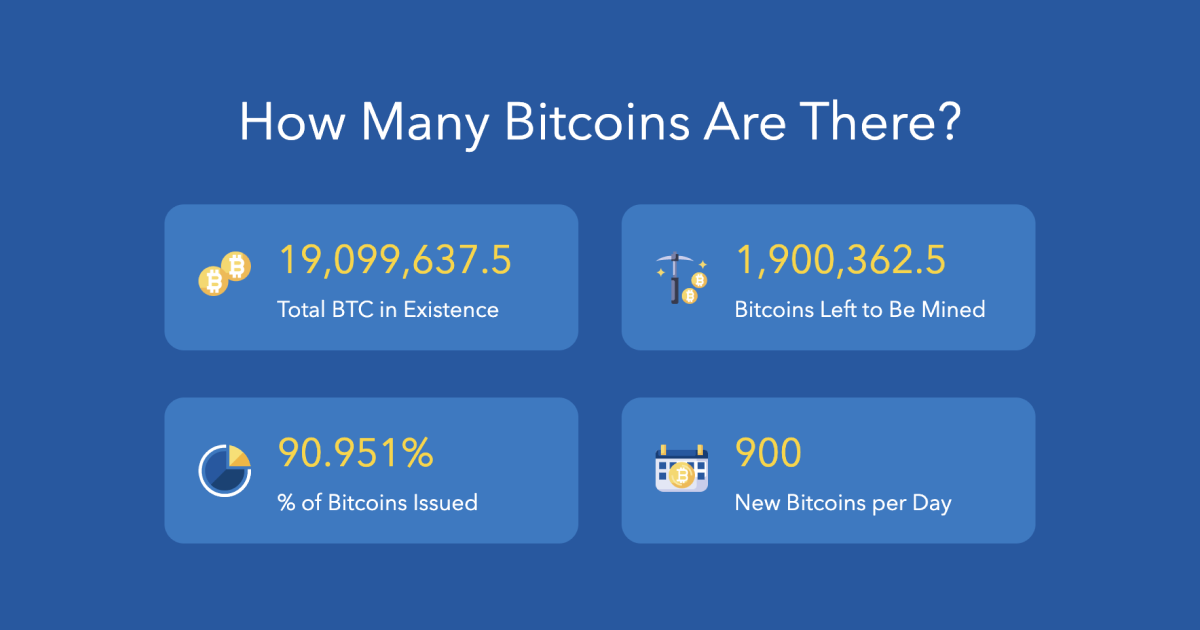
The question of “how many Bitcoin are in a block” delves into the very heart of Bitcoin’s monetary policy, its scarcity model, and ultimately, its value proposition as a financial asset. Unlike traditional fiat currencies where central banks can print money at will, Bitcoin operates on a pre-programmed, transparent, and immutable issuance schedule. The “block reward” is the mechanism through which new Bitcoin enters circulation, incentivizing miners to secure the network while simultaneously governing the asset’s supply. Understanding this fundamental aspect is crucial for anyone interested in Bitcoin as an investment, a store of value, or a revolutionary financial tool. It directly impacts supply-side economics, investment strategies, and the long-term viability of the network as a global monetary system. This article will explore the specifics of Bitcoin block rewards, their financial implications, and why this design choice is pivotal to Bitcoin’s economic model.
The Core Mechanism: Understanding Bitcoin Block Rewards
At its most fundamental level, Bitcoin’s integrity and functionality are underpinned by a decentralized network of participants known as “miners.” These miners compete to solve complex computational puzzles to add new blocks of verified transactions to the blockchain. As a reward for their significant effort and investment in securing the network, the successful miner receives a predetermined amount of newly minted Bitcoin, alongside any transaction fees. This “block reward” is not merely an incentive; it’s the primary engine for Bitcoin’s supply issuance, governed by a strict, pre-set algorithm.
What is a Bitcoin Block? A Financial Ledger Entry
From a financial perspective, a Bitcoin block can be thought of as a page in a global, immutable ledger. Each block contains a list of transactions that have occurred on the network, all cryptographically secured and timestamped. Once a block is added to the blockchain, the transactions within it are considered final and irreversible. For investors, understanding blocks is essential because it represents the fundamental unit of confirmed economic activity and the periodic issuance event for new Bitcoin. The regularity of block creation (roughly every 10 minutes) ensures a consistent, albeit decreasing, rate of new supply.
The Genesis of New Bitcoin: Block Rewards Explained
The “block reward” is essentially the compensation paid to a miner for successfully validating and adding a new block to the Bitcoin blockchain. This reward consists of two components: the newly minted Bitcoin (the coinbase reward) and the transaction fees from all the transactions included in that block. For example, when Bitcoin first launched in 2009, the block reward was 50 Bitcoin. This amount is not arbitrary; it’s meticulously designed to control inflation and create predictable scarcity, a stark contrast to the often unpredictable monetary policies of traditional financial systems. The coinbase reward is the only source of new Bitcoin into the economy, making its understanding critical for grasping the asset’s supply dynamics.
The Current Reward Structure and Its History
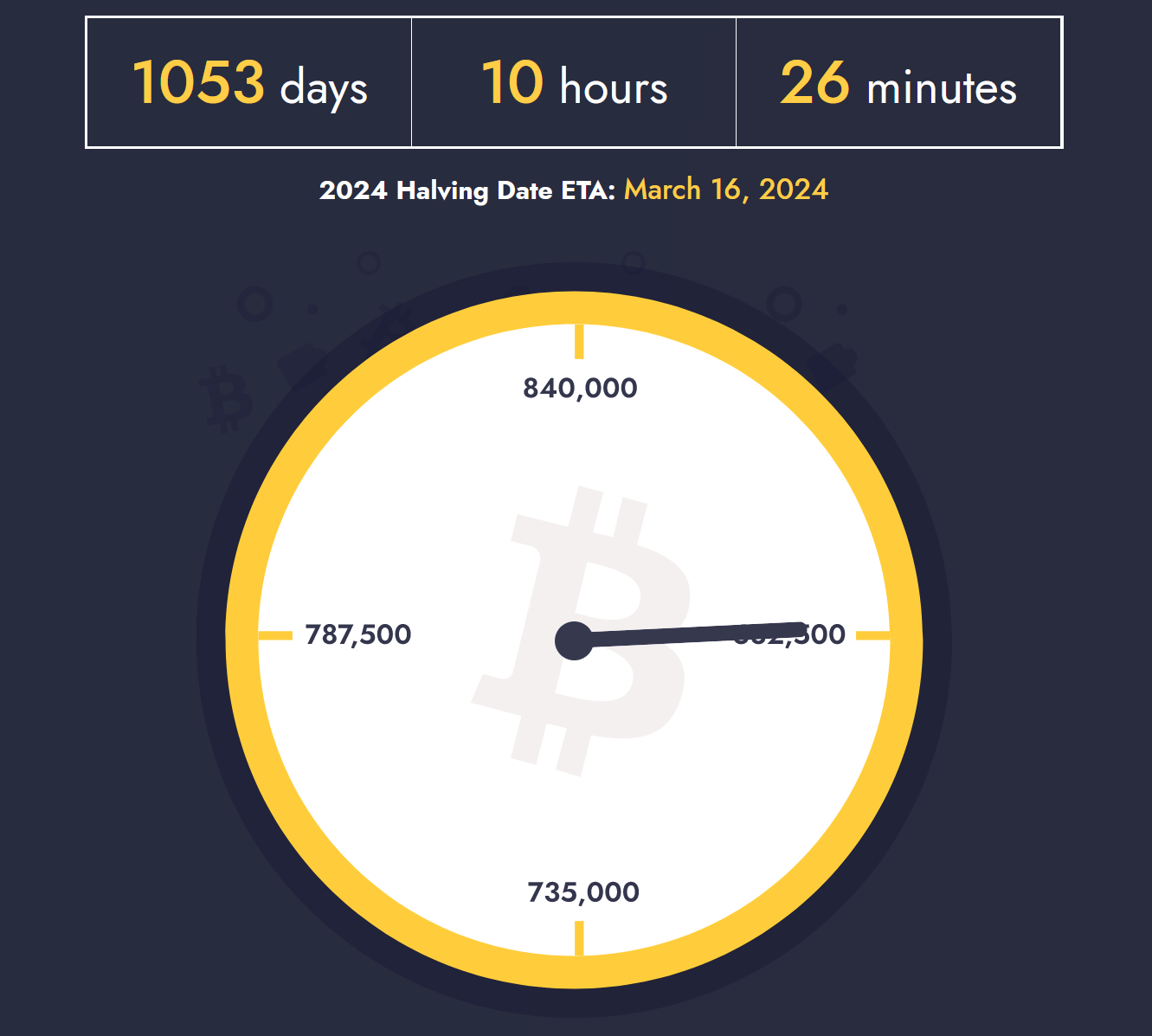
Bitcoin’s monetary policy is characterized by its predictable and algorithmic reduction in block rewards. This reduction occurs approximately every four years, or every 210,000 blocks, through an event known as “halving.” Starting at 50 BTC per block, the reward has systematically decreased:
- 2009 (Genesis): 50 BTC
- 2012 (First Halving): 25 BTC
- 2016 (Second Halving): 12.5 BTC
- 2020 (Third Halving): 6.25 BTC
As of late 2023, the block reward stands at 6.25 BTC. The next halving, expected around April 2024, will further reduce this to 3.125 BTC per block. This consistent, predictable reduction in supply is Bitcoin’s most defining monetary feature, directly impacting its financial trajectory and investment appeal.
Halving Events: Scarcity, Value, and Investment Implications
Bitcoin’s halving events are arguably the most anticipated and discussed occurrences within its ecosystem, largely due to their profound implications for its supply dynamics, perceived scarcity, and ultimately, its market value. These events are not mere technical adjustments; they are pre-programmed monetary policy decisions embedded in Bitcoin’s code, designed to ensure its long-term viability as a hard, sound money. For investors and financial analysts, understanding the halving cycle is crucial for forecasting market trends and evaluating Bitcoin’s unique value proposition.
The Halving Schedule: Predictable Scarcity
The halving mechanism is a core component of Bitcoin’s fixed supply monetary policy. By mathematically reducing the rate at which new Bitcoin is created, the system systematically tightens the available supply. This predictability is a fundamental distinction from central bank-controlled fiat currencies, where money supply can be expanded at discretion. The precise timing of halvings, while an approximation based on block generation, is known years in advance, allowing market participants to anticipate and factor these supply shocks into their investment strategies. This transparency fosters trust and certainty in Bitcoin’s long-term economic framework.
Economic Principles at Play: Supply and Demand
The economic impact of halving events is rooted in basic supply and demand principles. When the supply of a desirable asset decreases, assuming consistent or increasing demand, its price tends to rise. Bitcoin’s halvings represent a significant reduction in the new “sell-side” pressure from miners, as their fresh supply diminishes. Over time, as demand for Bitcoin grows due to increased adoption, institutional interest, and its growing narrative as a “digital gold,” the reduced supply from halvings contributes to an upward price trajectory. This predictable supply shock creates a unique market dynamic that has historically preceded periods of significant price appreciation.
Impact on Bitcoin’s Price and Market Cycles
Historically, each halving event has been followed by a notable surge in Bitcoin’s price, establishing a recognizable four-year market cycle. While past performance is not indicative of future results, the pattern is compelling: a period of accumulation preceding the halving, followed by a post-halving rally, often culminating in a new all-time high. This phenomenon is often attributed to the “supply shock” effect combined with renewed market interest and media attention. For investors, these cycles present both opportunities and challenges, requiring a nuanced understanding of market psychology, long-term holding strategies, and risk management in anticipation of these pre-programmed monetary shifts.
Mining Bitcoin: A Business and an Investment
Bitcoin mining is often perceived as a highly technical endeavor, but at its heart, it is a significant economic activity and a complex business operation. Miners invest substantial capital in specialized hardware (ASICs), electricity, and infrastructure, all with the goal of earning block rewards and transaction fees. For those looking to understand Bitcoin’s financial ecosystem, recognizing mining as an investment with its own unique risks and returns is essential. It’s a competitive industry that directly influences the security and efficiency of the network, acting as the distributed ledger’s backbone.
The Economics of Bitcoin Mining: Costs, Revenue, Profitability
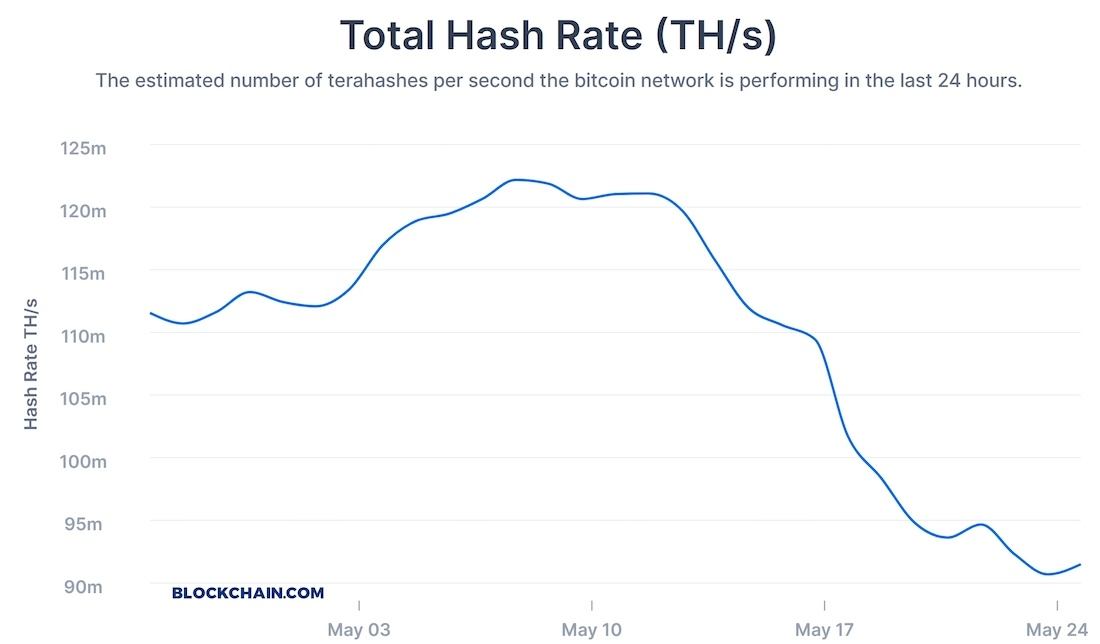
The profitability of Bitcoin mining hinges on a delicate balance between operational costs and potential revenue. Primary costs include electricity, which can account for a significant portion of expenditure, the initial capital outlay for mining hardware, maintenance, and facility overheads. Revenue is derived primarily from the block reward (currently 6.25 BTC) and, increasingly, from transaction fees. Miners constantly perform cost-benefit analyses, factoring in the current Bitcoin price, network difficulty, and their energy costs. As the block reward halves, miners must become more efficient or rely more heavily on transaction fees to maintain profitability, driving innovation in hardware and energy sourcing.
Pooling Resources: Mining Pools and Distribution of Rewards
Given the immense computational power required to successfully mine a block, individual miners rarely succeed on their own. Instead, most join “mining pools,” where they combine their computational resources (hash rate) to increase their chances of solving a block. When a pool successfully mines a block, the reward (both newly minted Bitcoin and transaction fees) is distributed among the pool members proportionally to the amount of hash rate each contributed. This collectivization of effort allows smaller miners to receive more frequent, albeit smaller, payouts, reducing the variance of their earnings and making mining a more predictable business venture for a wider range of participants.
Beyond the Block Reward: Transaction Fees as Additional Income
While the block reward (the newly minted Bitcoin) has historically been the primary incentive for miners, transaction fees are becoming an increasingly important component of their revenue. As the block reward continues to diminish with each halving, transaction fees will eventually become the dominant form of compensation. Users pay these fees to prioritize their transactions within a block, and miners select high-fee transactions to maximize their earnings. This mechanism ensures that even after all 21 million Bitcoin have been minted (projected around the year 2140), miners will still have a robust financial incentive to secure the network, funded entirely by transaction fees. This long-term sustainability model reinforces Bitcoin’s design as a self-sufficient financial system.
Bitcoin’s Finite Supply: A Foundation for Its Monetary Policy
The most distinctive and financially significant feature of Bitcoin is its hard-capped supply of 21 million coins. This immutable limit, encoded into its protocol from day one, forms the bedrock of its monetary policy, distinguishing it starkly from traditional fiat currencies. For investors, this finite supply is not just a technical detail; it’s the fundamental reason Bitcoin is often championed as “digital gold” and a superior store of value in an era of unprecedented monetary expansion by central banks. Understanding this scarcity principle is paramount to grasping Bitcoin’s long-term investment thesis.
The 21 Million Cap: Hard Money Principles
The absolute limit of 21 million Bitcoin is the cornerstone of its “hard money” philosophy. Unlike national currencies, which can be inflated by central banks, Bitcoin’s supply schedule is predictable and unchangeable. This artificial scarcity mimics that of precious metals like gold, whose supply is also limited by the costs and difficulty of extraction. This hard cap imbues Bitcoin with a resistance to inflation, making each unit potentially more valuable over time as demand grows against a fixed supply. For individuals and institutions concerned about the erosion of purchasing power in fiat currencies, Bitcoin offers an alternative based on mathematical certainty and scarcity.
Deflationary vs. Inflationary Currencies: A Comparison
The world largely operates on inflationary fiat currencies, where the money supply is continually expanded, leading to a gradual decrease in purchasing power over time. Bitcoin, with its predetermined, decreasing rate of new supply and ultimate hard cap, presents a fundamentally different economic model. It is often described as a disinflationary asset (as the rate of new supply decreases) and potentially deflationary in its long-term impact on value. This characteristic makes it appealing as a hedge against inflation and a store of wealth that preserves value across generations, attracting investors seeking to opt out of the traditional inflationary monetary system.
Long-Term Investment Thesis: Digital Gold and Store of Value
The confluence of Bitcoin’s finite supply, predictable issuance schedule, and decentralized nature has cemented its reputation as “digital gold.” Just as gold has served as a global store of value for millennia due to its scarcity and durability, Bitcoin offers similar, if not superior, characteristics in the digital age. It is easily divisible, portable across borders, verifiable, and resistant to confiscation. For long-term investors, Bitcoin represents a strategic allocation in a diversified portfolio, serving as a hedge against economic uncertainty, a speculative growth asset, and a potential future global reserve asset. Its block reward mechanism is central to cultivating this scarcity, which is the primary driver of its store of value proposition.
The Future of Block Rewards and Bitcoin’s Evolution
As Bitcoin progresses through its halving cycles, the diminishing block reward will fundamentally alter the economic landscape for miners and, by extension, the entire network. While the initial years were characterized by a generous coinbase reward, the future will see transaction fees play an increasingly dominant role in incentivizing network security. This evolution is not a flaw; it’s a meticulously planned transition embedded in Bitcoin’s design, ensuring its long-term viability as a secure, decentralized financial system that eventually becomes self-sustaining through transaction fees alone.
Diminishing Rewards and Increasing Scarcity
With each halving, the newly issued Bitcoin from block rewards shrinks, leading to an ever-increasing scarcity of the asset. This process will continue until approximately 2140, when the final Bitcoin is minted, and the block reward officially drops to zero. This trajectory reinforces Bitcoin’s hard money characteristics and its potential as a deflationary asset. For investors, this means that the supply-side pressure from newly minted coins diminishes over time, potentially leading to stronger price discovery based solely on demand and existing supply. The transition away from significant block rewards is a testament to the long-term vision for Bitcoin as a truly scarce digital asset.
The Role of Transaction Fees Post-Rewards
Once block rewards cease, transaction fees will become the sole incentive for miners to secure the network. This shift is critical for Bitcoin’s long-term economic model. It suggests that a robust and competitive market for transactions, where users are willing to pay for block space, is essential for sustaining the network’s security. As global adoption grows, and Bitcoin processes a higher volume of valuable transactions, the aggregate transaction fees are expected to be substantial enough to continue attracting miners. This evolution reinforces the idea that Bitcoin is not just a speculative asset but a global financial settlement layer whose utility drives its value.
Bitcoin as a Global Financial Settlement Layer
The eventual reliance on transaction fees underscores Bitcoin’s destiny as a global financial settlement layer. As the network matures, and its primary function shifts from “issuing new money” to “securing transactions of existing money,” its utility as a reliable, censorship-resistant, and immutable settlement system becomes paramount. This vision transcends its role as merely an investment vehicle; it positions Bitcoin as foundational infrastructure for a new global financial paradigm. For investors, understanding this ultimate purpose provides a profound long-term perspective on Bitcoin’s enduring value proposition, far beyond the initial speculation driven by block rewards.
In conclusion, the number of Bitcoin in a block is far more than a simple metric; it is the heartbeat of Bitcoin’s monetary policy, governing its supply, driving its scarcity, and influencing its market cycles. The block reward mechanism, coupled with the programmed halving events, ensures a predictable and finite supply, a stark contrast to traditional inflationary currencies. For investors, this understanding is fundamental to appreciating Bitcoin’s “digital gold” narrative, its potential as a long-term store of value, and its evolving role as a secure, decentralized financial infrastructure for the future. As block rewards diminish, the network’s reliance on transaction fees will solidify its position as a self-sustaining global financial utility, cementing its profound impact on the future of money.
aViewFromTheCave is a participant in the Amazon Services LLC Associates Program, an affiliate advertising program designed to provide a means for sites to earn advertising fees by advertising and linking to Amazon.com. Amazon, the Amazon logo, AmazonSupply, and the AmazonSupply logo are trademarks of Amazon.com, Inc. or its affiliates. As an Amazon Associate we earn affiliate commissions from qualifying purchases.