
The luxury fashion industry is built upon a foundation of perceived exclusivity, impeccable craftsmanship, and a heritage of excellence. For decades, Christian Dior, a cornerstone of the LVMH empire, has embodied these virtues. However, the recent investigations by Italian authorities into Dior’s supply chain have sent shockwaves through the global luxury market. The scandal, which centers on labor exploitation and the startling disparity between production costs and retail prices, offers a profound lesson in brand management. It serves as a cautionary tale of how a disconnect between a brand’s external promise and its internal operations can lead to significant brand erosion.
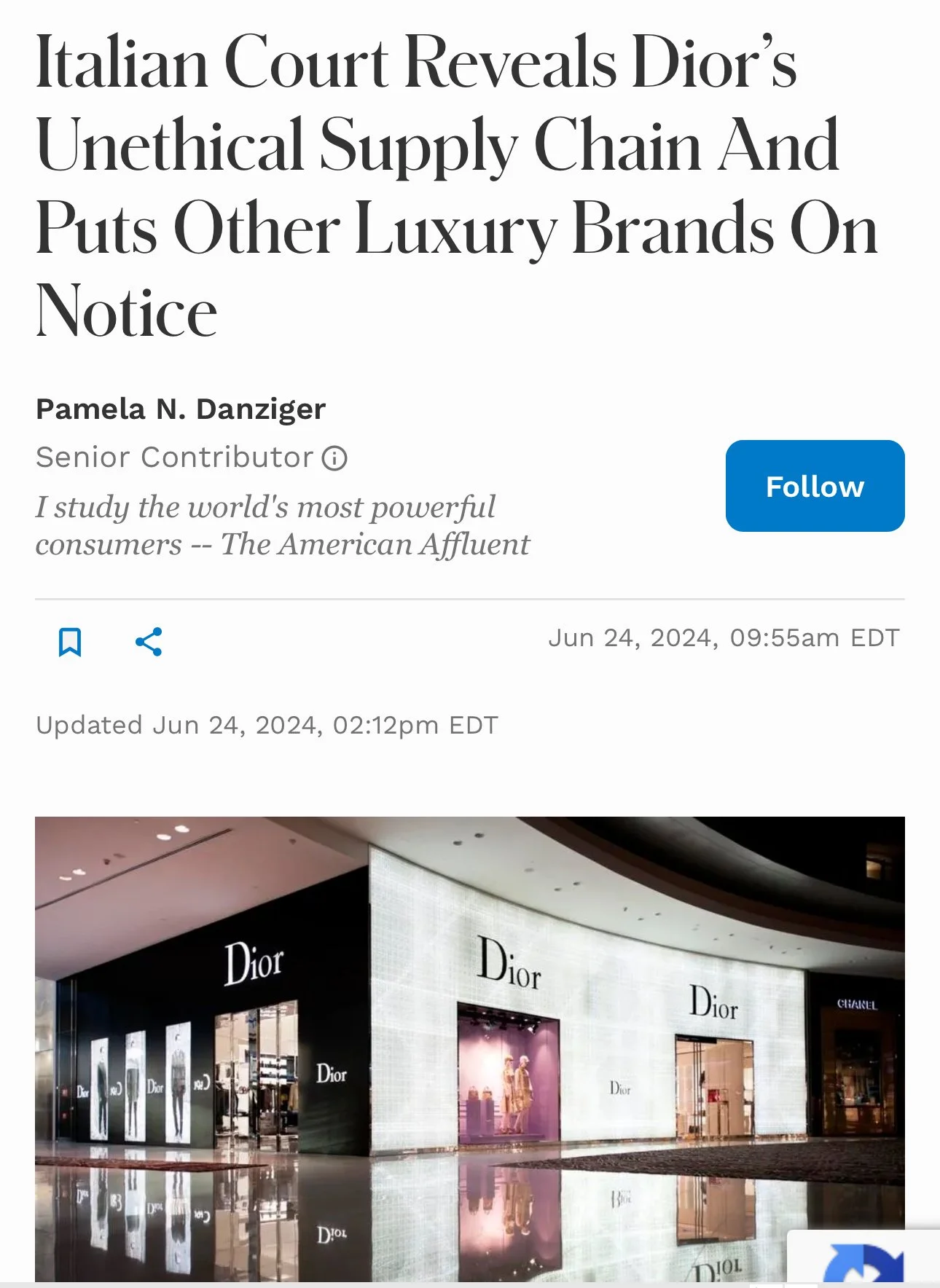
In the world of high-end branding, the product is more than just an item; it is an aspirational vessel. When the curtain is pulled back to reveal systemic failures in ethical standards, the very identity of the brand is put at risk. This article explores the Dior scandal through the lens of brand strategy, corporate identity, and the evolving expectations of the modern luxury consumer.
The Anatomy of the Scandal: When Brand Image Meets Reality
The controversy erupted when Italian prosecutors in Milan conducted an investigation into the manufacturing practices of several luxury brands, with Dior being a primary focus. The findings were stark: several sub-contractors in Italy were operating under conditions that resembled sweatshops. These facilities employed undocumented workers, ignored safety regulations, and required laborers to work excessive hours, often sleeping in the factories to maintain a 24-hour production cycle.
The Manufacturing Disconnect
The core of Dior’s brand identity is the “savoir-faire” (know-how) associated with European craftsmanship. By outsourcing production to third-party suppliers who then sub-contracted to unregulated workshops, Dior inadvertently created a “manufacturing disconnect.” In branding, consistency is everything. When a brand promises the pinnacle of artisan quality but delivers a product made under exploitative conditions, the brand’s narrative begins to crumble. This scandal highlights the danger of prioritizing profit margins over the integrity of the supply chain, a move that directly contradicts the “quiet luxury” and “craftsmanship-first” marketing strategies that Dior has championed.
The Cost vs. Retail Paradox
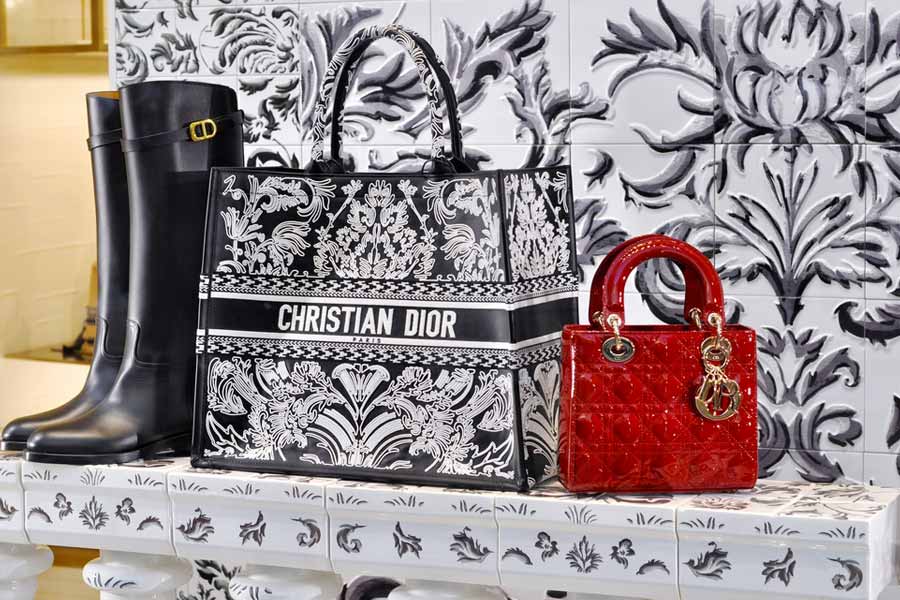
Perhaps the most damaging revelation for Dior’s brand image was the financial breakdown of their iconic handbags. Court documents revealed that one specific model of a Dior bag cost approximately €53 (roughly $57) to produce. This same bag was sold at retail for approximately €2,600 ($2,800). While the luxury industry is famously built on high markups to account for marketing, design, and overhead, a markup of nearly 5,000% becomes difficult to justify when the “craftsmanship” is revealed to be the result of labor exploitation. From a brand strategy perspective, this price-to-value ratio gap exposes the brand to accusations of cynicism, potentially alienating the loyal customer base that believes they are paying for superior ethical and technical standards.
Brand Erosion and the Luxury Promise
Luxury branding is unique because it relies on “Veblen goods”—products for which demand increases as the price increases, largely due to their status-conferring nature. However, status is a fragile asset. The Dior scandal threatens to turn a status symbol into a symbol of ethical negligence. This process of brand erosion occurs when the brand’s core values—integrity, heritage, and quality—are perceived as a facade.
The “Made in Italy” Fallacy
For Dior, the “Made in Italy” label is a critical brand asset. It is a geographical indication that carries immense weight in the fashion world, signaling centuries of tradition and high labor standards. The investigation revealed that the label was being used as a shield to mask a reality that looked more like unregulated industrial zones. When a brand devalues a prestigious label like “Made in Italy,” it doesn’t just hurt its own reputation; it damages the collective brand equity of the entire region. Dior’s failure to oversee its Italian operations suggests a prioritization of the label over the actual practice, a strategy that modern, transparency-seeking consumers are increasingly quick to penalize.

Trust as the Ultimate Brand Currency
In the 21st century, brand equity is increasingly tied to trust and corporate social responsibility (CSR). A luxury brand is a promise made to the consumer. For Dior, that promise includes the assurance that the product was created in a manner consistent with the high price tag. When this trust is broken, the brand’s identity shifts from “aspirational” to “exploitative.” Rebuilding this trust is far more expensive than the initial cost of ethical manufacturing. The scandal proves that in the age of social media and global transparency, no brand—no matter how storied—is immune to the consequences of a damaged reputation.
Crisis Management and Strategic Pivot
In the wake of the investigation, Dior was placed under “judicial administration” for its manufacturing unit, a move intended to clean up its supply chain. From a brand management standpoint, the response to a crisis is just as important as the crisis itself. Dior’s strategy in the coming years will determine whether this scandal is a temporary setback or a permanent stain on its corporate identity.
Dior’s Response to the Labor Allegations
The initial response from LVMH and Dior involved emphasizing their commitment to ethical standards and blaming the sub-contractors for the violations. However, a “blame-the-vendor” strategy is rarely effective in modern branding. Consumers hold the flagship brand accountable for every step of the journey. To pivot successfully, Dior must move beyond legal compliance and adopt a proactive brand philosophy. This involves radical transparency, where the brand provides consumers with a clear view into its workshops, artisans, and labor practices. By reclaiming the narrative through honesty rather than defense, Dior can begin to heal its brand image.
Implementing Transparency as a Brand Strategy
To regain its standing, Dior could look to “Brand Transparency” as its new core pillar. This might include using blockchain technology to track the provenance of every component of a handbag or publishing detailed annual reports on supplier audits. In the luxury sector, transparency is becoming the new “exclusivity.” Brands that are brave enough to show their inner workings are perceived as more authentic and trustworthy. If Dior can transform its supply chain into a showcase of ethical excellence, it may eventually use this crisis as a catalyst for a more sustainable and resilient brand identity.
The Future of Luxury Branding in an Era of Accountability
The Dior scandal is a bellwether for the entire luxury industry. It marks the end of an era where brands could operate with “purposeful ignorance” regarding their manufacturing bases. As global regulations tighten and consumer awareness grows, the definition of a “luxury brand” is undergoing a fundamental shift.
Moving Beyond Aesthetics to Ethics
For decades, luxury branding was focused almost entirely on aesthetics—the look, the feel, and the logo. The Dior case proves that ethics are now an inseparable part of the aesthetic. A bag that looks beautiful but was made under duress is no longer considered “luxurious” by a significant portion of the market, particularly Gen Z and Millennial buyers who prioritize ESG (Environmental, Social, and Governance) factors. The future of brand strategy in this sector lies in the “Human-Centric Brand,” where the well-being of the people making the product is as vital to the brand’s value as the design itself.
The Long-Term Impact on LVMH’s Corporate Identity
As the flagship brand of LVMH, Dior’s actions reflect on the entire conglomerate. LVMH has long positioned itself as a guardian of culture and craftsmanship. This scandal forces the group to re-evaluate its corporate identity across all its maisons. The pressure is on to ensure that “efficiency” does not come at the cost of “integrity.” Moving forward, we can expect a shift in how these mega-brands are managed—with a greater emphasis on centralizing supply chain control rather than outsourcing to the lowest bidder. The lesson for Dior, and the industry at large, is that brand value is not just determined by what happens in the boutique, but by what happens on the factory floor.
In conclusion, the Dior scandal is a watershed moment for brand strategy. It serves as a reminder that a luxury brand is a fragile ecosystem of trust, heritage, and perceived value. When a brand fails to protect its workers, it fails to protect its identity. For Dior to maintain its status as a leader in the fashion world, it must bridge the gap between its high-fashion dreams and its manufacturing realities, proving that true luxury is, above all, ethical.
aViewFromTheCave is a participant in the Amazon Services LLC Associates Program, an affiliate advertising program designed to provide a means for sites to earn advertising fees by advertising and linking to Amazon.com. Amazon, the Amazon logo, AmazonSupply, and the AmazonSupply logo are trademarks of Amazon.com, Inc. or its affiliates. As an Amazon Associate we earn affiliate commissions from qualifying purchases.