
Cashmere, a name synonymous with luxury, softness, and exclusivity, holds a coveted position in the fashion and textile industries. For centuries, its delicate touch and remarkable warmth have captivated consumers, transforming simple garments into statements of sophisticated elegance. But beyond the plush feel and aspirational price tag, what truly defines cashmere, and more importantly for brands, where does this exquisite material originate? Understanding the genesis of cashmere is not merely an exercise in tracing a supply chain; it is a profound journey into the core elements that build its brand mystique, shape corporate identity, and fuel strategic marketing efforts. For any brand leveraging cashmere, knowing its origin story is paramount to authentic communication, ethical sourcing, and sustained desirability.
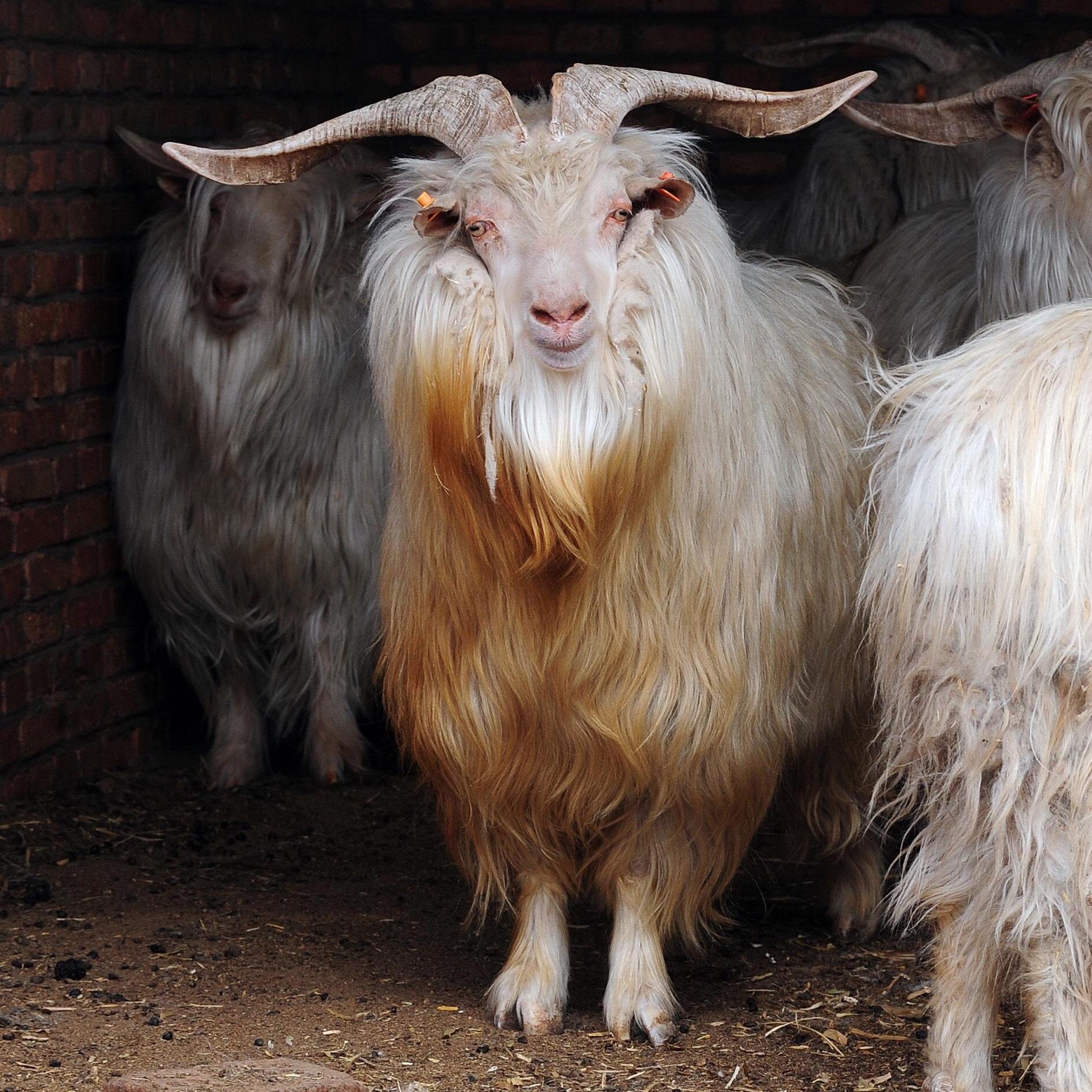
The narrative of cashmere begins not in factories or design studios, but in the harsh, elevated plateaus of Central Asia, where a specific type of goat, through nature’s ingenious design, produces a fiber unlike any other. This origin story, steeped in natural rarity and meticulous craftsmanship, forms the bedrock upon which cashmere’s powerful brand identity is built globally.
The Biological Source: Crafting the Core Brand Story
The fundamental truth about cashmere is that it is a natural fiber, a product of specific biological adaptation. For brands, this biological origin is not just a scientific fact; it’s the opening chapter of their marketing narrative, emphasizing purity, naturalness, and a touch of the exotic.
The Cashmere Goat: A Niche Origin Story
Cashmere wool is derived from the undercoat of the Cashmere goat (Capra hircus laniger), a particular breed not to be confused with common domestic goats. These animals thrive in the extreme climatic conditions of regions like the Gobi Desert, Mongolia, and inner China, where temperatures can plummet to -40 degrees Celsius. To survive such unforgiving winters, they naturally develop an extraordinarily fine, soft, and insulating underfleece beneath their coarser outer guard hair.
This natural adaptation is a critical component of cashmere’s brand story. It immediately establishes a narrative of resilience, rarity, and nature’s genius. Brands can leverage this “survival of the fittest” angle to imbue their products with a sense of enduring quality and unique heritage. The fact that these goats are not cultivated purely for their fiber, but rather live semi-wild lives, further enhances the mystique and authenticity, differentiating cashmere from synthetic alternatives or more common wools. It’s a compelling tale of nature dictating luxury, a story that resonates deeply with consumers seeking genuine provenance.
The Unique Fiber: Quality as a Brand Foundation
What distinguishes cashmere from other wools is the incredibly fine diameter and unique cellular structure of its individual fibers. To be classified as true cashmere, the fiber must typically have a diameter of less than 19 microns (for comparison, human hair is around 70 microns, and merino wool is typically 18-24 microns). This fineness, combined with the fiber’s natural crimp, creates an unparalleled softness, lightness, and insulation capability.
For brands, this inherent quality is the undisputed foundation of their cashmere offerings. Marketing efforts often highlight these intrinsic characteristics: the “cloud-like” softness, the “unrivaled warmth without weight,” and the “luxurious drape.” These aren’t merely product features; they are experiential benefits that justify cashmere’s premium price point and solidify its position as a luxury staple. A brand’s commitment to sourcing only the finest fibers becomes a testament to its own dedication to quality and its understanding of what makes cashmere truly special. It defines a corporate identity rooted in excellence and an unwavering standard for its products.
Geographical Identity: Terroir and Brand Authenticity
Just as fine wines derive their character from their “terroir,” cashmere’s quality and brand appeal are deeply influenced by its geographical origins. The specific regions where cashmere goats are raised play a pivotal role in shaping the fiber’s characteristics and, consequently, its perceived value and brand narrative.
Mongolia and China: The Heartlands of Cashmere Production
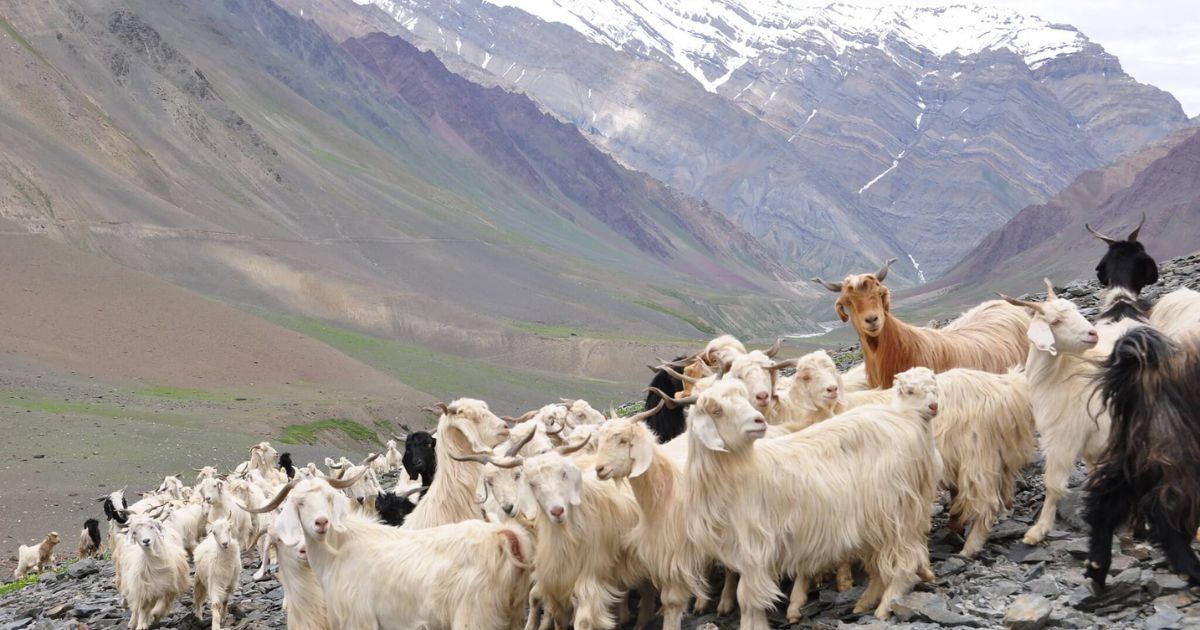
The vast, arid landscapes of Mongolia and China, particularly Inner Mongolia, are the undisputed heartlands of cashmere production. These regions provide the ideal climatic conditions and grazing lands for the Cashmere goats to thrive and develop their prized underfleece. Mongolia is particularly renowned for producing extremely fine and long fibers, often considered the benchmark for premium cashmere. China, especially Inner Mongolia, is the largest producer by volume, known for a range of qualities.
For brands, identifying the specific origin of their cashmere can be a powerful marketing tool. Labeling a product as “Mongolian Cashmere” or “Inner Mongolian Cashmere” instantly conveys a sense of authenticity, tradition, and superior quality to discerning consumers. This geographical branding creates an emotional connection, suggesting ancient traditions, nomadic herders, and untouched landscapes—a far cry from mass industrial production. It allows brands to build a narrative around purity and exclusivity, tapping into consumers’ desire for genuine, traceable luxury goods. This strategic use of geographical identity helps differentiate brands in a competitive market, allowing them to carve out a niche based on specific provenance and its associated quality cues.
Regional Variations: Differentiating Brand Narratives
Beyond the broad “Mongolian” or “Chinese” labels, more nuanced regional distinctions exist, offering brands opportunities for further differentiation. For instance, specific districts within Inner Mongolia might be known for fibers with particular attributes, or cashmere sourced from Afghanistan or Iran might have distinct characteristics (though typically coarser than East Asian varieties). The length, fineness, and color of the fiber can vary based on the goat’s diet, climate, and genetics unique to a specific locale.
Savvy brands can leverage these subtle regional variations to create highly specialized product lines or to appeal to different segments of the luxury market. A brand focused on ultra-premium, superfine knits might exclusively source from specific Mongolian provinces, while another might highlight the rugged authenticity of Afghan cashmere for outerwear. This level of detail in sourcing and branding not only underscores a brand’s deep expertise but also allows it to craft multi-faceted marketing stories, each celebrating a unique aspect of cashmere’s diverse origins. It’s about translating geographical nuances into distinct brand identities and product propositions.
The Art of Extraction and Processing: Safeguarding Brand Integrity
The journey of cashmere from goat to garment involves intricate processes of extraction and refinement. These stages are not merely manufacturing steps; they are critical touchpoints that impact the final product’s quality, sustainability, and ultimately, the brand’s integrity and reputation.
Traditional Methods: Emphasizing Heritage and Craftsmanship
Traditionally, cashmere fiber is not shorn like sheep’s wool. Instead, it is collected by hand-combing the goats during their natural molting season in spring. This meticulous process, often carried out by nomadic herders, ensures that only the finest underfleece is gathered, leaving the coarser guard hairs intact. The combed fiber then undergoes a process called “dehairing,” where the fine cashmere is separated from any remaining coarse fibers. This labor-intensive method, unchanged for centuries, is a cornerstone of cashmere’s heritage.
For brands, the emphasis on these traditional, handcrafted methods is a powerful storytelling element. It conjures images of authenticity, respect for age-old practices, and a human touch that is increasingly valued in a machine-driven world. Marketing campaigns can highlight the dedication of the herders, the sustainable nature of hand-combing, and the painstaking care taken at every step. This narrative strengthens the brand’s identity as one that values heritage, craftsmanship, and the slow, deliberate creation of luxury—qualities that resonate deeply with discerning consumers willing to invest in lasting value. It positions the brand not just as a seller of products, but as a custodian of tradition.
Modern Challenges and Ethical Sourcing: Building a Responsible Brand
While traditional methods lend an air of authenticity, the increasing global demand for cashmere has brought forth significant challenges. Overgrazing by rapidly expanding goat herds has led to desertification in fragile ecosystems like Mongolia, raising serious environmental concerns. Furthermore, ensuring fair wages and humane treatment for herders and animals is a growing ethical imperative.
In response, modern brands are increasingly focusing on ethical and sustainable sourcing. This involves working directly with herding communities, implementing traceable supply chains, supporting responsible grazing practices, and investing in certifications. For a brand, addressing these challenges head-on is no longer optional; it’s a critical component of corporate identity and risk management. Brands that transparently communicate their commitment to ethical sourcing build trust, enhance their reputation, and appeal to a growing segment of environmentally and socially conscious consumers. This proactive approach to sustainability not only safeguards the future of cashmere production but also strengthens the brand’s position as a responsible, forward-thinking leader in the luxury market. It transforms potential liabilities into brand strengths, demonstrating a holistic approach to value beyond mere profit.
From Fiber to Luxury Product: The Brand Journey
The journey of cashmere culminates in its transformation into a desirable luxury product. At this stage, the inherent qualities of the fiber and its rich origin story are woven into design, craftsmanship, and marketing strategies to create compelling brand propositions.
Design and Craftsmanship: Translating Origin into Desirability
Once processed, cashmere fiber is spun into yarn, then knitted or woven into a vast array of products, from sumptuously soft sweaters and scarves to elegant coats and throws. The exceptional properties of the fiber—its fineness, warmth, and drape—allow designers to create garments that are both incredibly comfortable and aesthetically pleasing. The minimal bulk for maximum warmth enables innovative designs that are lightweight yet incredibly insulating.
For brands, the design and craftsmanship stages are where the raw potential of cashmere’s origin is fully realized. A brand’s design philosophy, its choice of knit structures, color palettes, and finishing techniques, all contribute to how the cashmere’s intrinsic qualities are presented to the consumer. High-quality craftsmanship, such as seamless knitting or intricate weaving, further elevates the product, translating the rarity of the fiber into tangible value. It’s about taking the natural gift of the Cashmere goat and enhancing it through human skill and artistry, creating a product that speaks volumes about the brand’s dedication to excellence. This synergy between natural origin and refined design is what elevates a cashmere garment from a simple item of clothing to a treasured luxury.
Marketing the Mystique: Leveraging the Origin Story
Effective marketing is where the complete origin story of cashmere is brought to life for the consumer. Brands don’t just sell a sweater; they sell a piece of a story—the resilience of the goat, the vastness of the Mongolian steppes, the heritage of nomadic herders, and the meticulous care of artisans. Marketing campaigns leverage evocative imagery, descriptive language, and narratives of authenticity and tradition to underscore the value and exclusivity of cashmere.
This involves educating consumers about what makes cashmere special, differentiating it from lesser imitations, and reinforcing its status as an investment piece. Brands might showcase their commitment to ethical sourcing through powerful visuals and testimonials, building trust and aligning with consumer values. Packaging, in-store experiences, and digital content all play a role in reinforcing the brand’s narrative around cashmere’s origins. By consistently telling this compelling story, brands cultivate a deep emotional connection with their audience, transforming cashmere from a mere fiber into a symbol of aspiration, comfort, and responsible luxury. It is through this strategic marketing that the raw origin of cashmere becomes an integral, enduring part of a brand’s corporate identity and its promise to the customer.
Conclusion
The question “what does cashmere come from?” is far more profound than a simple geographical query for any brand operating in the luxury goods sector. It unlocks a comprehensive narrative that is intrinsically linked to corporate identity, brand strategy, and marketing success. From the biological adaptation of the Cashmere goat in the harsh Central Asian steppes to the meticulous processes of extraction and refinement, every stage of cashmere’s origin story contributes to its unparalleled brand mystique.
For luxury brands, understanding and authentically communicating this genesis is not just about transparency; it’s about leveraging a powerful story of natural rarity, exceptional quality, and enduring tradition. By integrating the provenance, the unique fiber characteristics, the traditional crafting methods, and the modern imperative of ethical sourcing into their brand narrative, companies can solidify their position in the market. They can build a corporate identity rooted in authenticity and responsibility, and craft marketing strategies that resonate deeply with discerning consumers who seek not just a product, but a piece of a compelling, luxurious, and meaningful story. The origin of cashmere is, therefore, not just its beginning, but the very essence of its lasting appeal and its powerful brand equity.
aViewFromTheCave is a participant in the Amazon Services LLC Associates Program, an affiliate advertising program designed to provide a means for sites to earn advertising fees by advertising and linking to Amazon.com. Amazon, the Amazon logo, AmazonSupply, and the AmazonSupply logo are trademarks of Amazon.com, Inc. or its affiliates. As an Amazon Associate we earn affiliate commissions from qualifying purchases.