
The quality of the water we consume is a fundamental concern, impacting our health, influencing the longevity and efficiency of the technology we rely on, and even having subtle connections to our financial well-being. Among the various parameters tested in water analysis, Total Dissolved Solids (TDS) is a crucial one. But what exactly is TDS, and why is it so important to understand? This article will delve into the world of TDS, exploring its definition, measurement, implications, and how it intersects with the core themes of technology, brand perception, and financial considerations.

Understanding Total Dissolved Solids (TDS)
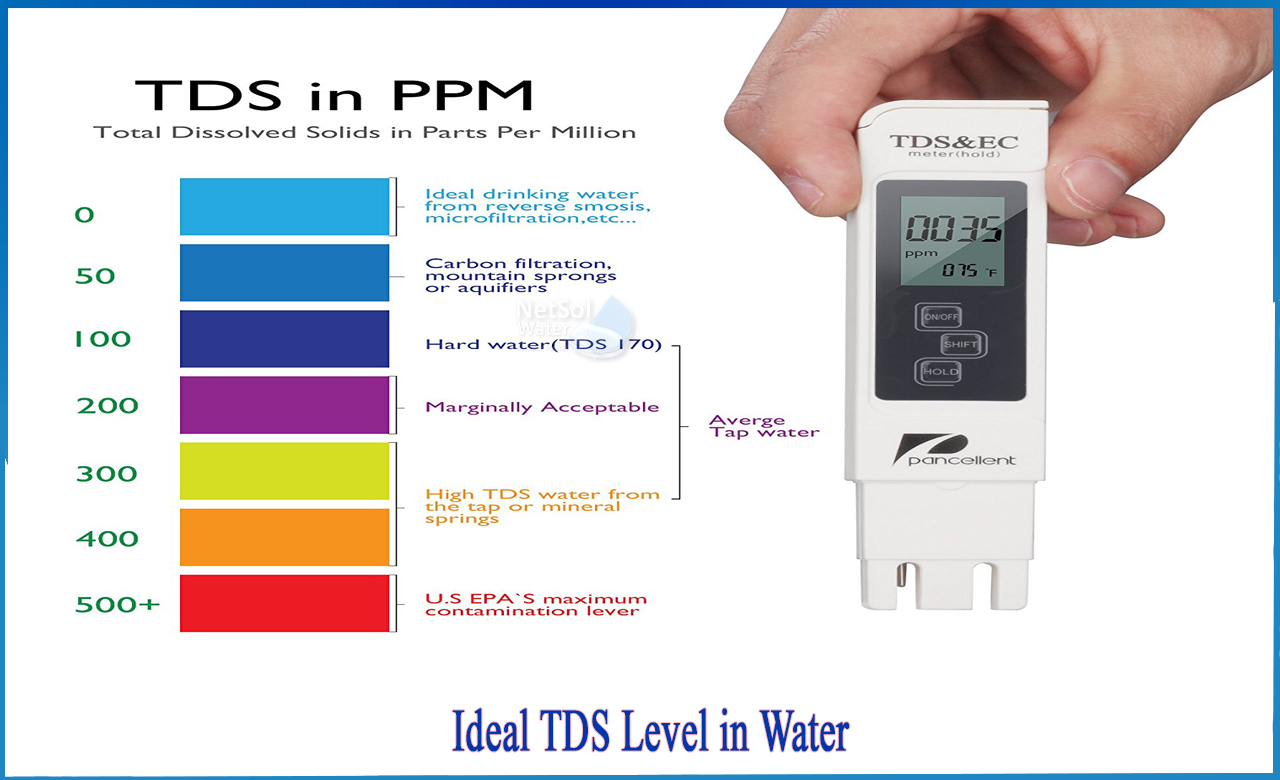
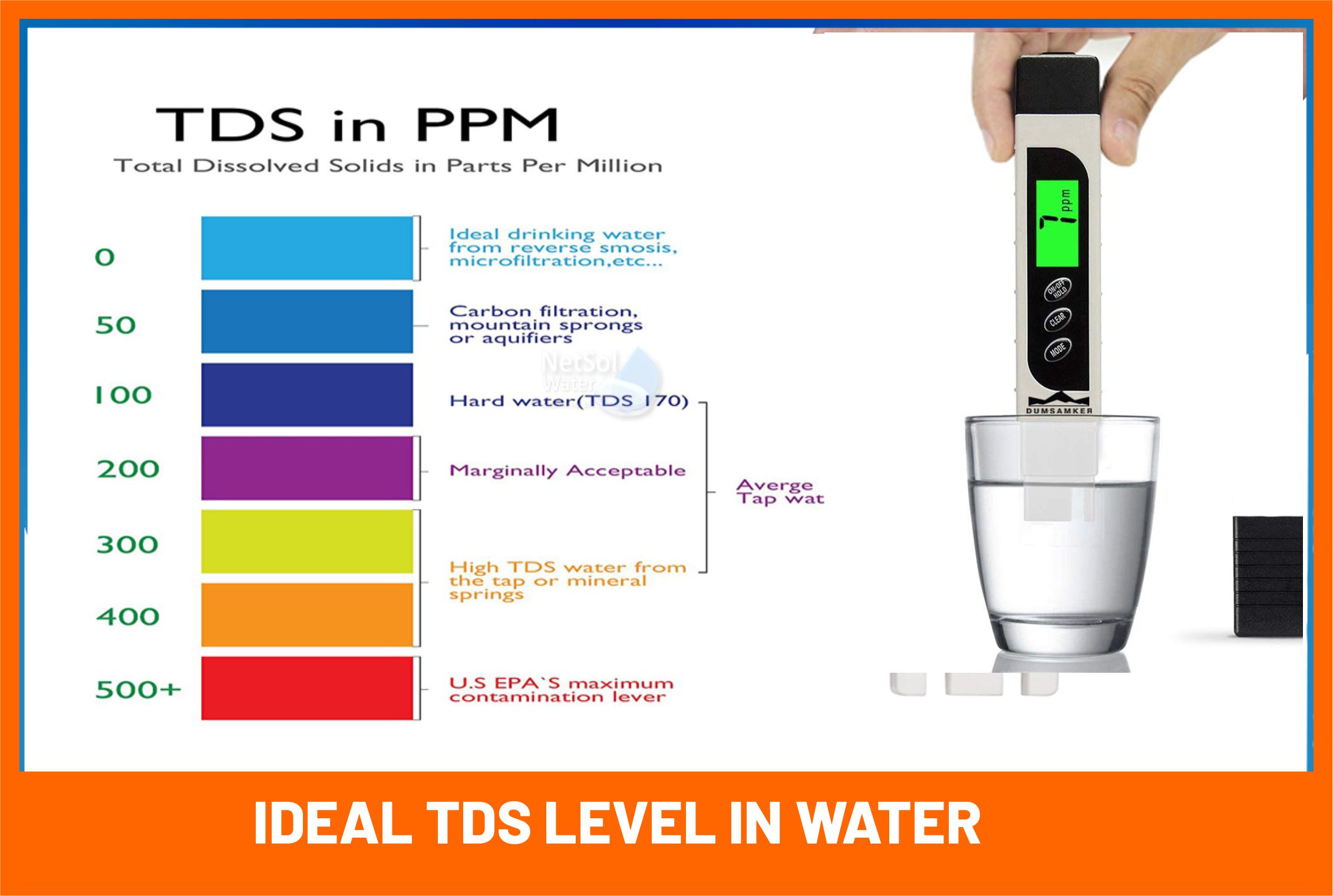
At its most basic, Total Dissolved Solids refers to the total amount of inorganic and organic substances dissolved in a volume of water. These dissolved solids are measured in milligrams per liter (mg/L) or parts per million (ppm), which are essentially equivalent for practical purposes in water analysis.
What Makes Up TDS?
The “solids” in TDS aren’t necessarily granular particles you can see or feel. Instead, they are minerals, salts, metals, and other compounds that have broken down into their ionic components, allowing them to disperse evenly throughout the water. Common constituents of TDS include:
- Minerals: Calcium, magnesium, potassium, sodium, and silica are frequently found. These are often naturally occurring and can contribute to the taste of water.
- Salts: Chloride and sulfate are prevalent. High levels of these can impact taste and corrosion.
- Organic Matter: While less common in high concentrations that significantly impact TDS readings, decaying plant and animal matter can contribute.
- Metals: Trace amounts of metals like iron and manganese can be present.
- Other Compounds: Nitrates, phosphates, and even certain synthetic chemicals can contribute to TDS.
The source of these dissolved solids is diverse. They can originate from natural geological formations as water flows through rocks and soil, or they can be introduced through human activities such as agricultural runoff (fertilizers, pesticides), industrial discharge, and wastewater treatment plant effluent. Even household plumbing can contribute, particularly if older or corroded pipes are used.
How is TDS Measured?
Measuring TDS is a straightforward process, often performed using a TDS meter. This electronic device typically works by measuring the electrical conductivity (EC) of the water. Water containing dissolved ions (charged particles) conducts electricity more readily than pure water. The TDS meter then converts this conductivity reading into a TDS value using a conversion factor.
- TDS Meters: These are readily available, ranging from basic handheld digital meters for home use to more sophisticated laboratory-grade instruments. For most domestic and general water quality monitoring, a simple digital TDS meter is sufficient.
- Electrical Conductivity (EC): The EC of water is a direct indicator of the concentration of dissolved ions. Higher EC generally means higher TDS.
- Parts Per Million (ppm) vs. Milligrams per Liter (mg/L): As mentioned, for water, these units are often used interchangeably. 1 ppm is approximately equal to 1 mg/L.
The accuracy of TDS readings can be influenced by temperature, as the conductivity of water changes with temperature. Most modern TDS meters have automatic temperature compensation (ATC) to ensure accurate readings across a range of temperatures.
What are Acceptable TDS Levels?
There isn’t a single, universally mandated “safe” TDS level for drinking water, as the acceptable range can vary based on geographical location, cultural preferences, and regulatory guidelines. However, organizations like the World Health Organization (WHO) and the U.S. Environmental Protection Agency (EPA) provide recommended guidelines.
- WHO Guidelines: The WHO suggests that water with a TDS level below 600 mg/L is generally considered good. Water with TDS between 600-900 mg/L can have an unpalatable taste for some. Levels above 1000 mg/L are generally considered unacceptable for drinking water.
- EPA Recommendations: The EPA has established a secondary maximum contaminant level (SMCL) for TDS of 500 mg/L. While not a health-based standard, exceeding this level can affect the aesthetic qualities of water, such as taste and odor, and can also lead to scaling in pipes and appliances.
It’s important to note that some individuals may prefer water with lower TDS levels for its cleaner taste, while others might find water with higher TDS (like mineral water) more appealing. The “best” TDS level is often subjective and depends on personal preference and the intended use of the water.
The Impact of TDS on Different Facets of Life
Understanding TDS is not merely an academic exercise in water chemistry; it has tangible consequences across various domains, particularly in technology, branding, and even personal finance.
TDS and Technology: Protecting Your Investments and Enhancing Performance
The technological landscape is increasingly reliant on clean, pure water. From the manufacturing of delicate microelectronics to the operation of household appliances, TDS levels can have a significant impact.
Protecting Sensitive Electronics and Manufacturing Processes
In the realm of high-tech manufacturing, particularly in the semiconductor industry, even minute traces of dissolved solids can be detrimental.
- Semiconductor Fabrication: The creation of microchips involves intricate processes of etching, cleaning, and depositing materials onto silicon wafers. The water used in these stages must be exceptionally pure, with TDS levels often measured in single digits or even parts per billion. High TDS water can lead to:
- Contamination: Dissolved ions can deposit onto the wafer surface, causing defects and rendering the chips non-functional.
- Corrosion: Impurities can accelerate corrosion of delicate components and machinery.
- Reduced Yield: Contaminated water directly impacts the success rate of manufacturing, leading to significant financial losses.
- Medical Devices: The production of sterile medical equipment, implants, and diagnostic tools also requires high-purity water to prevent contamination and ensure patient safety.
- Other High-Tech Industries: Industries like advanced battery manufacturing, aerospace, and specialized coatings rely on ultra-pure water to maintain product integrity and performance.
Ensuring the Longevity and Efficiency of Household Appliances
Beyond industrial applications, TDS also affects the everyday technology we use.
- Water Heaters and Boilers: High TDS water can lead to the formation of mineral scale (limescale) on the heating elements of water heaters and in the pipes of boilers. This scale acts as an insulator, reducing the efficiency of heat transfer and forcing the appliance to work harder, consuming more energy. Over time, excessive scaling can lead to component failure and costly repairs or replacements.
- Coffee Makers and Kettles: Similar to water heaters, the heating elements and internal components of coffee makers and electric kettles are susceptible to limescale buildup from high TDS water. This can affect the taste of beverages, reduce the lifespan of the appliance, and increase energy consumption.
- Dishwashers and Washing Machines: While less critical than heating elements, high TDS can contribute to spots and streaks on dishes and affect the effectiveness of detergents, potentially leading to rewashing and increased resource usage.
- Steam Irons: Limescale can clog the steam vents in irons, leading to uneven steam distribution and potential damage to fabrics.
- Humidifiers: In humidifiers, high TDS water can lead to mineral deposits on the misting mechanism, reducing efficiency and potentially creating white dust in the room.
Investing in water filtration systems, such as reverse osmosis or ion exchange filters, can significantly reduce TDS levels, thereby protecting these valuable technological assets and ensuring their optimal performance and longevity. This is an investment in both efficiency and cost savings over the long term.
TDS and Brand Perception: The Taste of Trust and Quality
While the direct impact of TDS on technology is often about function and longevity, its influence on brand perception is more nuanced, revolving around sensory experience, perceived quality, and the narrative a brand chooses to build.
The Sensory Experience: Taste and Palatability
For beverage companies, food producers, and even bottled water brands, TDS is an integral part of the product’s identity.
- Bottled Water Brands: The TDS profile of bottled water is a key differentiator. Brands often highlight their water’s mineral content and its natural origin, which directly relates to its TDS. A low TDS might be marketed as “pure” and “light,” while a higher TDS could be associated with “richness” and “minerals.” Consumers often develop preferences based on these subtle taste differences, which are dictated by TDS.
- Soft Drinks and Juices: The water used as a base for these beverages significantly impacts the final taste. Consistent TDS levels are crucial for maintaining brand consistency and ensuring that a particular soda or juice tastes the same, regardless of where it’s produced.
- Brewing and Food Production: In the culinary world, water quality is paramount. The TDS of water used for brewing beer, making bread, or preparing delicate dishes can subtly alter the flavor profiles of the final product. Craft breweries, for instance, meticulously control their water chemistry, including TDS, to achieve specific taste outcomes.
Building Trust Through Transparency and Quality Assurance
Beyond taste, TDS plays a role in building consumer trust and reinforcing a brand’s commitment to quality.
- Quality Control and Consistency: Brands that invest in rigorous water analysis and consistently manage TDS levels demonstrate a commitment to producing high-quality, reliable products. This transparency can be a powerful marketing tool.
- Health and Wellness Messaging: In an era where consumers are increasingly health-conscious, brands can leverage low TDS levels to promote their products as pure, healthy, and free from unwanted impurities. Conversely, brands might emphasize the beneficial minerals in their higher TDS water, positioning it as a source of natural goodness.
- Reputation Management: Negative perceptions related to water quality, even if not directly caused by TDS, can tarnish a brand’s reputation. For businesses whose core product or process relies heavily on water, proactively addressing and communicating about their water quality, including TDS management, is essential for maintaining a positive brand image.
- Sustainability Narratives: While not a direct link, responsible water management, which includes understanding and controlling TDS, can be woven into a brand’s broader sustainability narrative, appealing to environmentally conscious consumers.
TDS and Money: Cost Savings, Investment Protection, and Economic Considerations
The financial implications of TDS are often indirect but can be substantial, affecting both personal finances and larger business operations.
Personal Finance: Preventing Costly Repairs and Enhancing Efficiency
For homeowners, managing TDS can translate directly into savings.
- Appliance Longevity: As discussed in the technology section, high TDS leads to scale buildup, reducing appliance efficiency and lifespan. This means more frequent repairs and earlier replacement of costly items like water heaters, washing machines, and dishwashers. Investing in a water softener or a good filtration system can prevent these recurring expenses.
- Energy Bills: Inefficient appliances due to scale buildup consume more energy to perform their tasks. Lowering TDS can lead to tangible reductions in monthly electricity and gas bills.
- Detergent and Cleaning Product Usage: Hard water (often associated with higher TDS) requires more soap and detergent to achieve the same cleaning results. Softer water, with lower TDS, can lead to reduced consumption of these household staples.
- Health-Related Expenses: While not always a direct consequence of TDS alone, certain dissolved solids can impact health over time. Investing in water purification to reduce potentially harmful contaminants can be seen as a proactive measure against future health-related expenses.
Business Finance: Operational Efficiency and Risk Mitigation
For businesses, the economic impact of TDS can be magnified.
- Manufacturing Costs: In industries where water purity is critical (e.g., food and beverage, pharmaceuticals, electronics), the cost of treating water to remove dissolved solids is a significant operational expense. However, the cost of not treating it, leading to damaged equipment, product defects, and production downtime, can be far greater.
- Maintenance and Repair Costs: For businesses with extensive plumbing systems, boilers, cooling towers, and other water-reliant equipment, the cost of descaling and repairing damage caused by high TDS can be substantial.
- Product Quality and Brand Value: As discussed, consistent product quality, influenced by water TDS, directly impacts sales and brand loyalty. Any compromise in quality due to water issues can lead to lost revenue and reputational damage.
- Investment in Water Treatment Technology: Businesses often need to invest in sophisticated water treatment technologies, such as deionization, reverse osmosis, and ultrafiltration, to meet their specific TDS requirements. While an upfront cost, this is often a necessary investment to ensure operational viability and profitability.
- Supply Chain Reliability: In regions with naturally high TDS water, businesses may face increased challenges in sourcing consistent, usable water, potentially impacting supply chain reliability and requiring additional logistical planning and costs.
Conclusion: The Pervasive Significance of TDS
Total Dissolved Solids is far more than just a number in a water analysis report. It’s a fundamental indicator of water quality with far-reaching implications. From the seamless operation of our sophisticated technological devices and the integrity of our household appliances to the subtle yet critical aspects of brand perception and the tangible impact on our personal and business finances, TDS plays a pervasive role. Understanding what TDS is, how it’s measured, and its potential effects empowers us to make informed decisions, protect our investments, enhance our experiences, and ultimately, safeguard our health and well-being. Whether you’re a homeowner concerned about appliance longevity, a brand manager crafting product narratives, or a business owner optimizing operational efficiency, paying attention to TDS in water analysis is a smart and essential practice.
aViewFromTheCave is a participant in the Amazon Services LLC Associates Program, an affiliate advertising program designed to provide a means for sites to earn advertising fees by advertising and linking to Amazon.com. Amazon, the Amazon logo, AmazonSupply, and the AmazonSupply logo are trademarks of Amazon.com, Inc. or its affiliates. As an Amazon Associate we earn affiliate commissions from qualifying purchases.