
In the global textile industry, few materials occupy as unique a financial and industrial position as rayon. Often misunderstood as a purely synthetic fiber like polyester, rayon is actually a “regenerated” organic material. For investors, business owners, and market analysts, understanding what rayon is made of is not just a lesson in textile science—it is a lesson in supply chain management, commodity sourcing, and the shifting economics of sustainable manufacturing.
As the demand for alternatives to both water-intensive cotton and petroleum-based synthetics grows, rayon has emerged as a cornerstone of the multi-billion-dollar “man-made cellulosic fiber” (MMCF) market. To understand its value proposition, one must look closely at its raw material origins and the industrial processes that transform wood into wearable wealth.

The Raw Material Foundation: Wood Pulp as a Primary Commodity
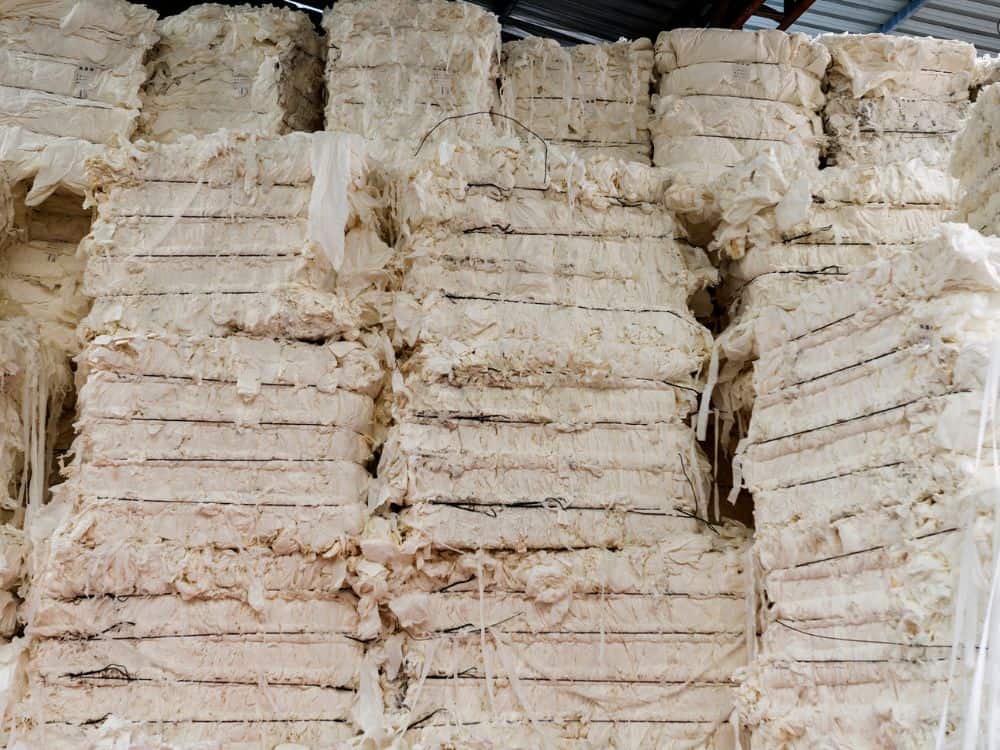
At its core, rayon is made from cellulose, the structural component of plant cell walls. While cellulose can be extracted from almost any plant, the rayon industry relies on high-purity “dissolving pulp” derived from specific timber sources. From a financial perspective, this makes the rayon market deeply intertwined with the global forestry and paper pulp industries.
Sourcing and Feedstock Volatility
The primary sources for rayon include bamboo, pine, spruce, beech, and eucalyptus. For a business or investor, the choice of feedstock is a critical determinant of the final product’s market price and ESG (Environmental, Social, and Governance) rating. Eucalyptus, for instance, grows rapidly and requires less land than cotton, offering a more predictable yield and better long-term ROI for agricultural investors. However, the price of dissolving pulp is subject to the same volatility as any other commodity, influenced by logging regulations, climate-driven forest health, and global shipping costs.
The Conversion of Biomass to Capital
The transition from a tree to a fiber begins with the mechanical and chemical breakdown of wood into sheets of purified cellulose. This stage represents a significant portion of the capital expenditure (CAPEX) in the rayon supply chain. Companies that own their own timberlands or have long-term “off-take” agreements with sustainable forests are better positioned to weather price spikes in the raw material market, providing a more stable pricing model for the fashion and home upholstery brands that rely on them.
The Industrial Alchemy: Cost Structures of Fiber Production
The question of “what is rayon made of” is incomplete without addressing the chemical reagents required to dissolve and extrude the cellulose into filaments. The “Money” story of rayon is found in the efficiency of this transformation. Depending on the chemical process used, the cost of production and the eventual market tier of the fabric can vary significantly.
Viscose: The High-Volume, Low-Margin Workhorse
The most common form of rayon is “viscose.” In this process, cellulose is treated with caustic soda and carbon disulfide to create a thick, honey-like liquid (hence the name “viscose”) which is then spun into fibers. From a business finance perspective, viscose is favored for its low production cost and high scalability. It allows manufacturers to produce a fabric that mimics the feel of silk at a fraction of the price. However, the high cost of managing chemical waste and meeting environmental regulations in many jurisdictions can eat into the profit margins of manufacturers who do not invest in modern filtration technologies.
Lyocell and Modal: Premium Tiers and Closed-Loop ROI
Modal and Lyocell (often branded as Tencel) represent the “premium” segment of the rayon market. Lyocell, in particular, uses a non-toxic solvent in a “closed-loop” process where 99% of the chemicals are recovered and reused. While the initial investment in a Lyocell production facility is significantly higher than a standard viscose plant, the long-term operational efficiency and the ability to command a “sustainability premium” in the retail market often lead to superior long-term financial performance. For the fashion brand, these materials are an investment in brand equity and risk mitigation against future carbon taxes.

Rayon in the Global Supply Chain: Why Versatility Drives Market Share
The economic brilliance of rayon lies in its chameleon-like ability to imitate more expensive fibers. This versatility allows manufacturers to optimize their product lines for maximum profitability without sacrificing consumer appeal.
A Hedge Against Cotton Price Spikes
Cotton is a notoriously volatile commodity, affected by droughts, pests, and massive water requirements. Rayon serves as a vital economic hedge for the textile industry. When cotton prices rise due to a poor harvest in Texas or Uzbekistan, garment manufacturers shift their blends toward rayon. Because rayon is produced in a controlled industrial environment rather than being purely dependent on seasonal weather patterns, it offers a level of supply chain predictability that natural fibers cannot match.
The Blending Strategy: Enhancing Profit Margins
Rarely is a garment made of 100% of any single fiber in the modern mass market. Rayon is frequently blended with polyester, cotton, or spandex. By using rayon in a blend, a manufacturer can improve the “hand-feel” and drape of a low-cost synthetic garment, allowing them to move the product from a “discount” price point to a “mid-tier” price point. This ability to elevate the perceived value of a product while keeping material costs low is a fundamental driver of rayon’s 6% to 9% projected annual growth rate in the textile sector.
Future Financial Forecasts: Sustainability and the Circular Economy
As we look toward the next decade, the “Money” behind rayon is moving toward the circular economy. The next generation of rayon is not being made from virgin wood pulp, but from recycled textile waste.
The Rise of Recycled Cellulose
The “What is it made of” answer is shifting from “trees” to “old t-shirts.” Startups and established chemical giants are currently scaling technologies that dissolve used cotton rags back into a cellulosic solution to create new rayon fiber. For investors, this represents a massive opportunity in the “circularity” space. Reducing the reliance on virgin timber not only lowers the environmental impact but also creates a new, potentially lower-cost feedstock stream from the mountains of textile waste currently destined for landfills.
ESG Investing and Regulatory Compliance
The financial world is increasingly focused on ESG metrics. Rayon manufacturers are under scrutiny for their forestry practices and chemical management. Companies like Lenzing (Austria) or Aditya Birla (India) have seen their market valuations influenced by their ability to prove “chain of custody” for their wood sources. For the savvy investor, the rayon industry offers a clear look at how environmental transparency is becoming a non-negotiable component of corporate financial health. Firms that fail to invest in sustainable sourcing today are facing “stranded assets” tomorrow as brands and consumers migrate toward certified, traceable fibers.
Conclusion: The Bottom Line on Rayon
What is rayon fabric made of? From a chemist’s perspective, it is regenerated cellulose. From a financial perspective, it is a strategic asset that bridges the gap between the natural and synthetic worlds. Its production involves the conversion of timber commodities into high-value industrial outputs, fueled by a complex interplay of chemical efficiency and supply chain logistics.
For the business owner, rayon offers a way to manage costs and enhance product appeal. For the investor, it represents a growing sector of the bio-economy that is pivotally positioned to lead the transition toward sustainable manufacturing. As technology advances and the “circular economy” becomes a financial reality, the value of this “wood-based silk” will only continue to rise, solidifying its place as one of the most economically significant materials in the global marketplace.
aViewFromTheCave is a participant in the Amazon Services LLC Associates Program, an affiliate advertising program designed to provide a means for sites to earn advertising fees by advertising and linking to Amazon.com. Amazon, the Amazon logo, AmazonSupply, and the AmazonSupply logo are trademarks of Amazon.com, Inc. or its affiliates. As an Amazon Associate we earn affiliate commissions from qualifying purchases.