
In the realm of medical technology, few innovations are as foundational yet as technologically sophisticated as the surgical suture. Often referred to simply as “surgical thread,” these materials have evolved from rudimentary biological fibers to high-performance, engineered polymers designed at the molecular level. Today, the composition of surgical thread is a testament to the intersection of materials science, bio-engineering, and nanotechnology. Understanding what surgical thread is made of requires an exploration of the chemical engineering that allows these materials to interact seamlessly with human biology.
The Chemistry of Absorbable Synthetic Polymers
The most significant technological leap in wound closure was the development of synthetic absorbable sutures. Unlike natural materials, which can trigger unpredictable immune responses, synthetic polymers are engineered for biocompatibility and controlled degradation. These materials are designed to provide temporary support to healing tissues and then vanish through predictable chemical processes.
Polyglycolic Acid (PGA) and Polylactic Acid (PLA)
PGA was the first synthetic absorbable suture, representing a breakthrough in polymer chemistry. It is composed of repeating units of glycolic acid, a high-molecular-weight linear polymer. Its successor, PLA, and their various copolymers (such as PLGA), are the workhorses of modern surgery. The “tech” behind these threads lies in their crystalline structure, which determines their tensile strength and the rate at which they lose that strength. By adjusting the ratio of lactide to glycolide, engineers can program a suture to last anywhere from ten days to several months.
The Engineering of Hydrolysis
The mechanism by which these threads disappear is not biological digestion, but a chemical process known as hydrolysis. When a synthetic absorbable suture is placed in the body, water molecules penetrate the polymer chain, breaking the ester bonds. This is a highly controlled technological feat; the thread must maintain its structural integrity long enough for the wound’s “tensile strength” to return, but it must degrade before it becomes a foreign body risk. The precision of this degradation timeline is a result of advanced chemical kinetics and rigorous manufacturing standards.
Polydioxanone (PDO) and Long-Term Absorption
For procedures requiring extended support, such as fascia repair or orthopedic surgery, bio-engineers developed Polydioxanone. PDO is a colorless, crystalline, synthetic polymer. Its molecular architecture is designed to be more flexible than PGA while offering a much longer absorption profile (up to six months). The manufacturing of PDO involves complex extrusion processes that ensure the thread remains monofilament (a single strand), which reduces the risk of bacterial “wicking” often seen in braided materials.
High-Performance Non-Absorbable Synthetics
While absorbable threads are marvels of degradation chemistry, non-absorbable sutures represent the pinnacle of durability and friction engineering. These materials are used when permanent support is required or when the suture must be removed after the skin has healed.
Polypropylene and the Tech of “Suture Drag”
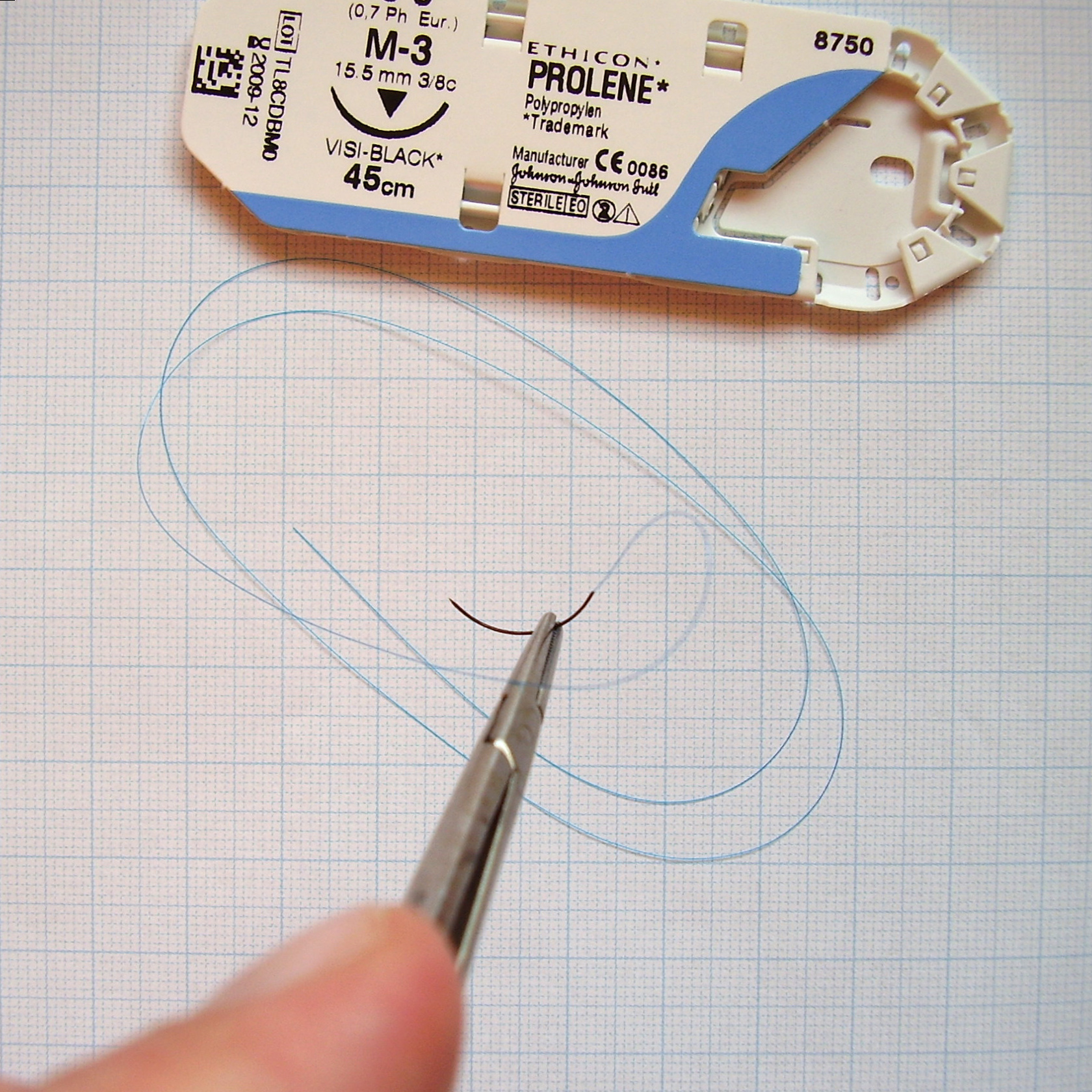
Polypropylene is an isotactic crystalline stereoisomer of a linear hydrocarbon polymer. In the tech world of medical devices, it is prized for its “extreme inertness.” Because the surface of the thread is engineered to be incredibly smooth, it possesses low “tissue drag.” This means that as the surgeon pulls the thread through delicate tissue, such as in cardiovascular or plastic surgery, there is minimal trauma. The technology used to extrude polypropylene into microscopic diameters—some thinner than a human hair—requires high-precision machinery capable of maintaining uniform tensile strength across kilometers of fiber.
Polyester and Braided Architecture
Polyester sutures, often coated with silicone or PTFE (Teflon), are engineered for high-stress environments like heart valve replacements. The technology here focuses on the braiding process. By interlacing multiple strands of polyester, manufacturers create a thread with superior “knot security”—a critical metric in surgical tech. The coating technologies are equally advanced, ensuring that the braided surface does not harbor bacteria while still allowing the knot to slide into place smoothly before “locking.”

Specialized Metals and Alloys
In sternal closures or complex orthopedic reconstructions, surgical “thread” takes the form of stainless steel or titanium alloys. These are not merely wires; they are medical-grade filaments engineered for fatigue resistance. The metallurgical composition must be exact to prevent corrosion within the saline environment of the human body. The development of Nitinol (nickel-titanium) sutures has introduced “shape memory” technology to wound closure, allowing the thread to adapt its tension based on the body’s temperature or movement.
Smart Sutures: The Intersection of MedTech and AI
The future of surgical thread is no longer passive. We are entering the era of “Smart Sutures,” where the material itself acts as a diagnostic tool or a drug-delivery system. This represents the cutting edge of medical technology, integrating electronics and pharmacology into a single strand.
Electronic Sutures and Real-Time Monitoring
Researchers are currently developing sutures embedded with silicon nanomembranes and flexible sensors. These “smart” threads can monitor the temperature of a surgical site—an early indicator of infection—and wirelessly transmit that data to a smartphone or a hospital’s monitoring system. Some prototypes even include micro-LEDs that can change color or light up if the pH levels of the wound deviate from the norm. This integration of IoT (Internet of Things) into wound care is a major trend in digital health tech.
Drug-Eluting Suture Technology
By using the suture as a scaffold, engineers have developed threads coated with bioactive substances. These include antimicrobial agents to prevent Surgical Site Infections (SSIs) and growth factors to accelerate healing in diabetic patients or those with poor circulation. The tech challenge here is “controlled release”—ensuring the drug is not dumped into the body all at once but is released at a steady, therapeutic rate through a process called “nanolayering.”
Bio-Refining and Conductive Polymers
There is a growing trend in using conductive polymers to create sutures that can deliver electrical stimulation directly to the wound. Low-level electrical pulses have been shown to speed up cellular regeneration. By engineering the surgical thread to be electrically conductive while remaining biocompatible, tech firms are opening new doors in regenerative medicine.
Advanced Manufacturing and Nanotechnology
The production of surgical thread has moved far beyond simple spinning. It now involves clean-room environments and molecular manipulation that rival the semiconductor industry.
Electrospinning and Nanofibers
One of the most exciting trends in suture tech is “electrospinning.” This process uses electric force to draw charged threads of polymer solutions down to fiber diameters in the nanometer range. These nanofibers mimic the body’s natural extracellular matrix, providing a “scaffold” that encourages cells to grow across the wound. This isn’t just a thread; it is a bio-active bridge designed at a sub-microscopic level.
3D Printing and Customization
As 3D printing technology matures, we are seeing the emergence of custom-printed sutures. In complex reconstructive surgeries, “barbed” sutures—which have tiny teeth that grip the tissue without the need for knots—can be printed with specific geometries tailored to a patient’s specific tissue density. This level of customization reduces the time a patient spends under anesthesia and improves the aesthetic outcomes of the procedure.
Precision Sterilization Technologies
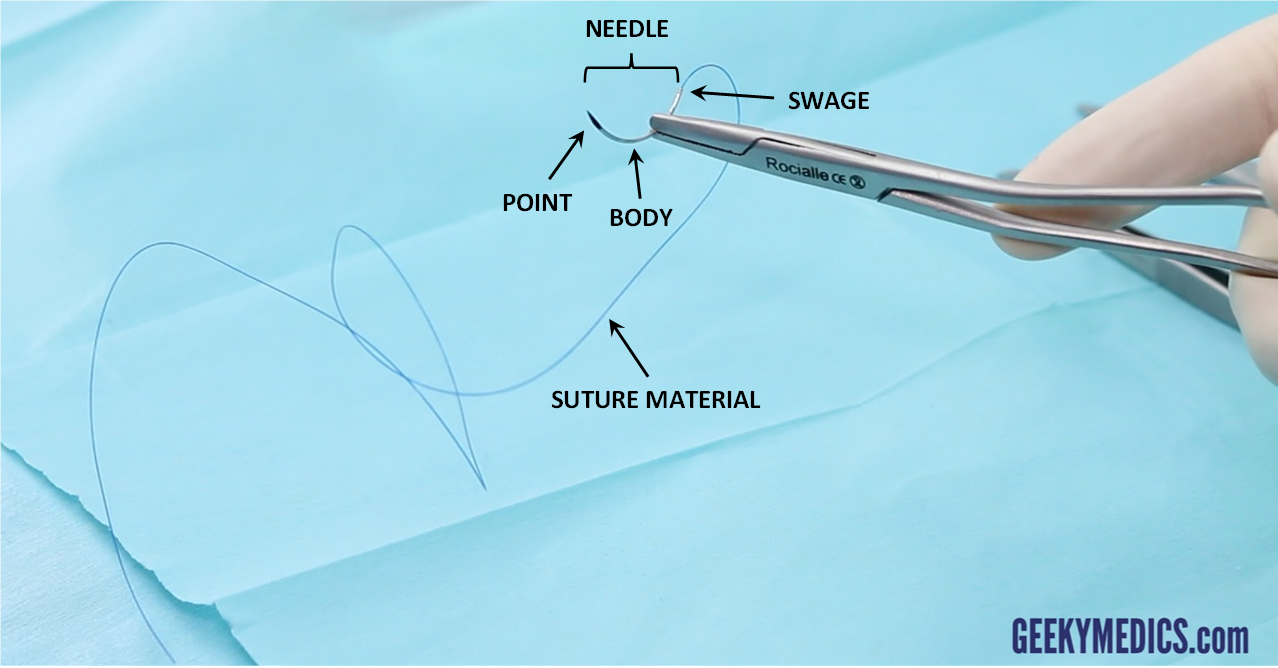
Finally, the “tech” of surgical thread includes the methods used to ensure it is sterile without compromising its chemical integrity. Traditional heat sterilization (autoclaving) would melt most synthetic polymers. Therefore, the industry relies on Gamma Irradiation and Ethylene Oxide (EO) gas sterilization. The engineering of the packaging itself is a high-tech endeavor, using moisture-vapor barriers to ensure that absorbable sutures do not begin to degrade on the shelf before they ever reach the operating room.
In conclusion, the question “what is surgical thread made of” reveals a world of intense technological innovation. From the polymer chemistry of absorbable strands to the integrated sensors of smart sutures, these materials are at the forefront of modern engineering. As we move forward, the line between a simple piece of thread and a sophisticated medical device continues to blur, driven by the relentless advancement of material science and digital integration.
aViewFromTheCave is a participant in the Amazon Services LLC Associates Program, an affiliate advertising program designed to provide a means for sites to earn advertising fees by advertising and linking to Amazon.com. Amazon, the Amazon logo, AmazonSupply, and the AmazonSupply logo are trademarks of Amazon.com, Inc. or its affiliates. As an Amazon Associate we earn affiliate commissions from qualifying purchases.