
In the rapidly evolving landscape of mobile technology, the concept of a “digital identity” has transcended simple usernames and passwords. For enthusiasts of mobile gaming, few technological implementations have been as influential or as seamless as Supercell ID. Developed by the Finnish mobile game giant Supercell—the creators of global hits like Clash of Clans, Clash Royale, and Brawl Stars—this service represents a sophisticated shift in how software developers manage user data, cross-platform synchronization, and digital security.
The Evolution of Gaming Accounts: Understanding the Supercell ID Infrastructure
To understand what Supercell ID is, one must first look at the fragmentation that previously plagued mobile gaming. Before the advent of proprietary identity services, developers relied heavily on third-party frameworks like Apple’s Game Center or Google Play Games. While functional, these systems often created “walled gardens” that prevented users from moving their data between iOS and Android devices.
Bridging the Gap Between Platforms
Supercell ID was engineered as a platform-agnostic cloud service. At its core, it is a centralized database that decouples game progress from the hardware’s operating system. By creating a Supercell ID, a player’s progress is no longer tied to an iCloud or Google account, but rather to a unique identifier stored on Supercell’s own servers. This technological shift allows for a level of fluidity that was previously impossible. A user can start a session on an iPad, continue on an Android smartphone, and finish on a tablet without losing a single frame of progress.
The Transition from Third-Party Logins to Proprietary Ecosystems
The move toward a proprietary login system is a significant trend in software architecture. By hosting their own identity service, developers gain greater control over the user experience (UX). They can optimize login speeds, manage server-side updates more efficiently, and provide direct support without navigating the bureaucracy of third-party platform holders. Supercell ID functions as the “connective tissue” of the Supercell app ecosystem, ensuring that the transition between different game titles feels like a unified technological experience.
Core Technical Features and Benefits for Players
The primary goal of Supercell ID is to simplify the user’s interaction with the game’s backend. However, beneath the simple user interface lies a complex system designed to handle millions of concurrent data requests.
Seamless Cross-Device Synchronization
The hallmark of any cloud-based service is synchronization. Supercell ID utilizes real-time data mirroring. Every action taken within the game—whether it is upgrading a building in Clash of Clans or winning a trophy in Brawl Stars—is instantly updated on the server. When you log in via Supercell ID on a new device, the app fetches the latest “state” of your game from the cloud. This prevents data conflicts and ensures that “save scrubbing” (where progress is accidentally overwritten) is virtually eliminated.
Managing Multiple Game Profiles Safely
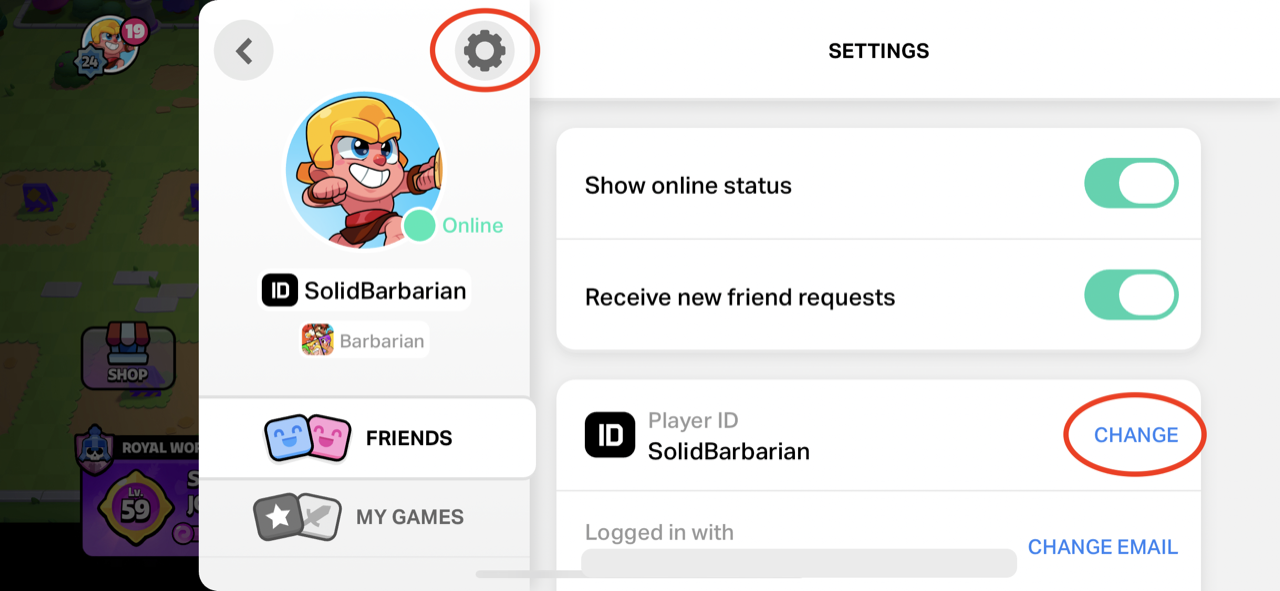
One of the most praised technical features of Supercell ID is its support for multiple accounts on a single device. In the early days of mobile gaming, switching accounts often required logging out of the device’s entire OS-level account, which was cumbersome and risky. Supercell ID introduced a “Switch Account” feature that allows users to store multiple IDs within the app’s cache. This is particularly useful for power users who manage different strategies or family members who share a single tablet. The system securely toggles between data sets without requiring the re-entry of credentials every time.
Social Connectivity and Real-Time Synchronization
Beyond saving progress, Supercell ID acts as a social API (Application Programming Interface). It allows the software to scan your Supercell ID “friends list” across all Supercell titles. If you are friends with someone in Hay Day, the system can automatically suggest them as a teammate in Brawl Stars. This cross-pollination of social data is handled through secure tokens, ensuring that your social graph remains intact regardless of which specific game you are currently playing.
Digital Security and Data Protection Mechanisms
In an era where digital assets and in-game progress can represent years of investment, security is the most critical component of the Supercell ID architecture. The service was designed with a “security-first” mindset to mitigate the risks of hacking, phishing, and unauthorized access.
Two-Factor Authentication (2FA) and Secure Access
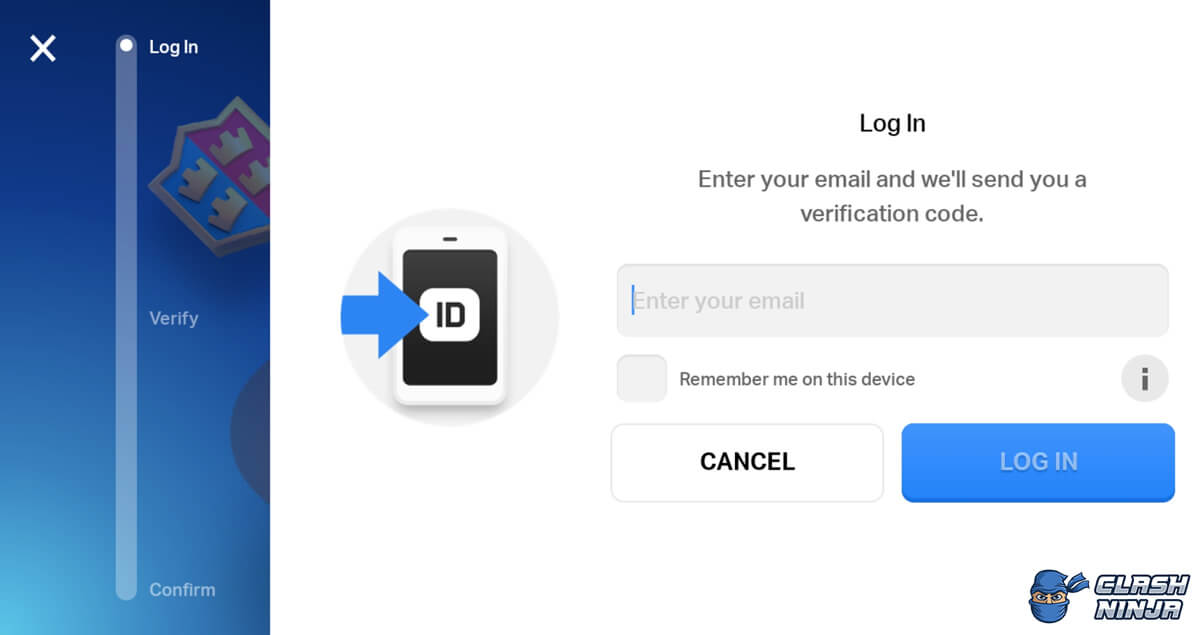
Unlike traditional accounts that rely on static passwords—which are often vulnerable to data breaches—Supercell ID primarily uses a passwordless login system. When a user attempts to log in, the system generates a unique, six-digit verification code sent to the user’s registered email address.
Recently, Supercell has enhanced this by introducing formal Two-Factor Authentication (2FA) and “Account Protection” features. This allows users to link their accounts to a mobile phone number and provides recovery codes. From a technical standpoint, this creates a “multi-layered” defense. Even if a malicious actor gains access to a user’s email, they would still require the physical device or the recovery key to hijack the game account.
Protecting Digital Assets and Game Progression
For many players, their game account is a repository of “digital value.” Whether it is rare skins, high-level characters, or competitive rankings, these are assets that require protection. Supercell ID encrypts the handshake between the user’s device and the server. By using modern encryption standards, the service ensures that the data packets containing account information cannot be intercepted or spoofed during transmission.
Account Recovery in a Cloud-Native Environment
One of the biggest pain points in tech support is account recovery. Traditional systems required users to remember specific dates of account creation or transaction IDs. Supercell ID simplifies this by anchoring the account to a verified email. If a device is lost or broken, the “recovery” process is as simple as logging into the email on a new device. This reduces the burden on customer support infrastructure and empowers the user to manage their own digital security autonomously.
The Future of Unified Digital Identities in Mobile Gaming
Supercell ID is more than just a login button; it is a blueprint for the future of the mobile app ecosystem. As we move toward more integrated digital experiences, the lessons learned from this service are being applied across the tech industry.
Enhancing User Retention Through Ecosystem Integration
From a software strategy perspective, a unified ID creates “stickiness.” When a user has their identity, friends, and security settings already configured in one Supercell game, the “friction” of downloading and starting a new Supercell game is significantly reduced. This is a masterclass in ecosystem engineering. The technology makes the jump from one app to another feel like moving from one room to another in the same house, rather than traveling to a different country.
Impact on Game Development and Data Portability
For developers, the Supercell ID framework provides a standardized way to handle user data. This standardization allows for faster development cycles. When Supercell launches a new game, the development team doesn’t need to build a new login or social system from scratch. They simply plug into the existing Supercell ID API.
Furthermore, this model champions the idea of “data portability.” In the modern tech world, users increasingly demand that their data belongs to them, not the platform. While Supercell ID is still a closed system, its ability to move data across hardware platforms is a step toward a more open and user-centric digital future.
Conclusion
Supercell ID represents the pinnacle of modern mobile account management. By focusing on cross-platform accessibility, robust security, and seamless user experiences, it has solved many of the technical hurdles that once limited the potential of mobile gaming. For the user, it is a simple way to keep their progress safe; for the technologist, it is a sophisticated cloud-based identity service that demonstrates the power of a unified digital ecosystem. As mobile devices continue to evolve, the importance of such centralized, secure, and flexible identity frameworks will only grow, setting the standard for how we interact with apps and games in the years to come.
aViewFromTheCave is a participant in the Amazon Services LLC Associates Program, an affiliate advertising program designed to provide a means for sites to earn advertising fees by advertising and linking to Amazon.com. Amazon, the Amazon logo, AmazonSupply, and the AmazonSupply logo are trademarks of Amazon.com, Inc. or its affiliates. As an Amazon Associate we earn affiliate commissions from qualifying purchases.