
In the rapidly evolving landscape of the gig economy, Amazon Flex has long stood as a pillar for those seeking a reliable side hustle. However, as consumer expectations for delivery speeds have shifted from days to mere hours, Amazon has introduced a specialized logistics tier: Sub Same-Day (SSD). For the independent contractor looking to maximize their hourly revenue, understanding the nuances of “Sub Same-Day” is no longer optional—it is a financial necessity.
This model represents a significant shift in how logistics are handled, moving away from massive regional fulfillment centers toward localized, high-velocity hubs. For the Amazon Flex driver, this means a different rhythm of work, a unique pay structure, and a specific set of strategies required to turn a profit.
Understanding the Sub Same-Day (SSD) Model in the Gig Economy
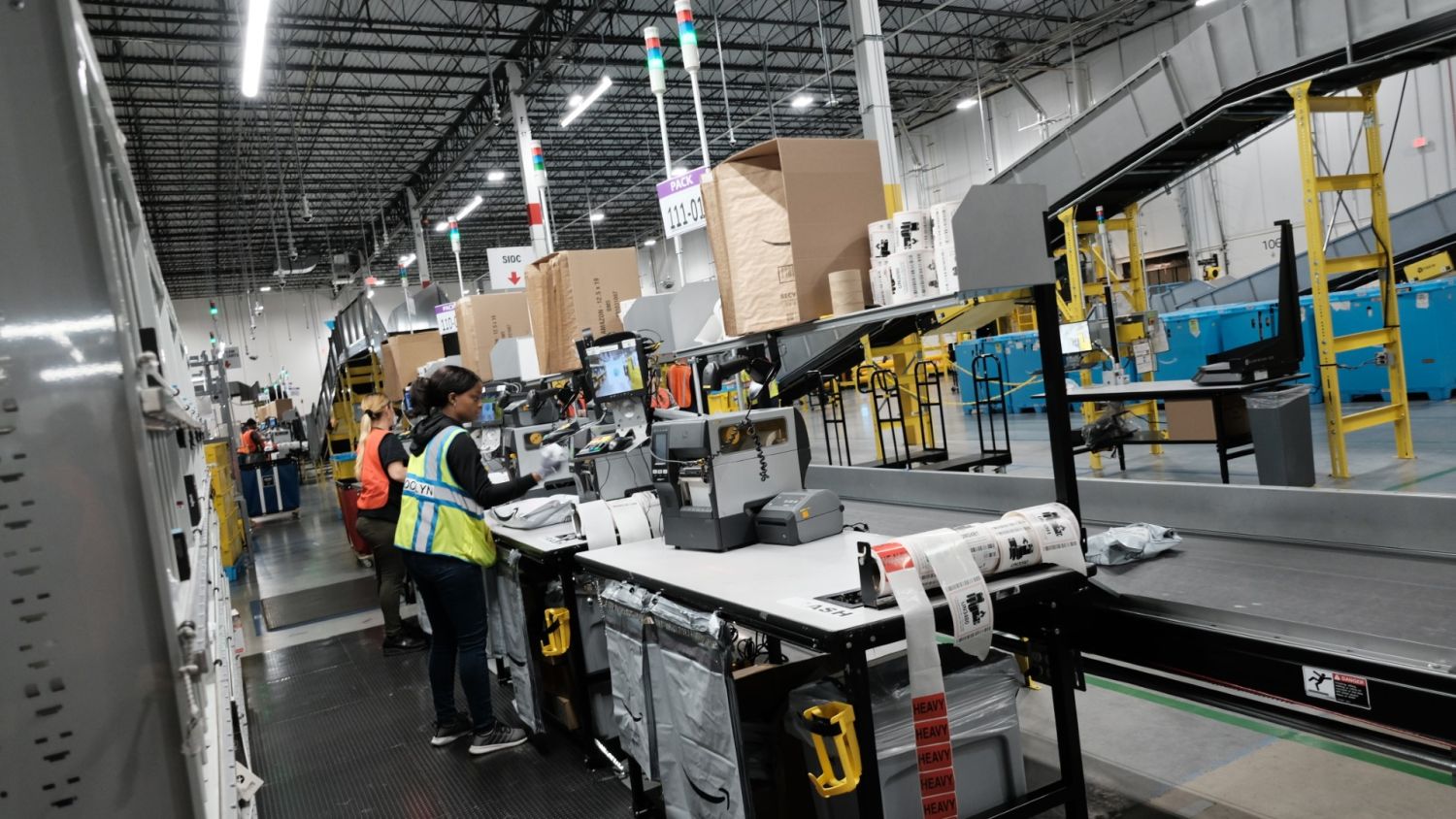
To understand Sub Same-Day, one must first understand the logistics of “Last Mile” delivery. Traditionally, Amazon packages move from a fulfillment center to a sortation center, then to a delivery station, and finally to the customer’s door. Sub Same-Day bypasses several of these steps by housing the most popular items in smaller, specialized warehouses located closer to metropolitan centers.
The Mechanics of SSD Deliveries
SSD stations (often identified in the Flex app by codes starting with “V” or “S”) are designed for speed. When a customer orders an item marked for “Prime “Sub Same-Day” delivery, the item is picked, packed, and ready for a driver within minutes. For a Flex driver, this means the turnaround time between “booking a block” and “arriving at the station” is often much tighter than traditional logistics.
Unlike standard delivery stations where packages might be sorted for 24 hours before they go out, SSD packages are “hot.” They are intended to be on a doorstep within 5 hours of the order being placed. This creates a high-frequency environment where blocks are available around the clock, including early morning hours (as early as 3:30 AM) and late into the evening.
How SSD Differs from Standard Amazon Flex Blocks
The primary difference lies in the variety and density of the routes. In standard Amazon Logistics (AMZL), you are often delivering packages that were sorted overnight. These routes are usually highly optimized but can be voluminous.
In Sub Same-Day, the packages are often smaller, and the routes can be more eclectic. Because the delivery window is so narrow, SSD drivers often find themselves delivering a mix of household essentials, electronics, and clothing. From a financial perspective, SSD stations are often more “driver-centric,” featuring indoor loading zones and streamlined check-in processes that minimize the unpaid time spent waiting for a cart.
Maximizing Your ROI: The Financial Breakdown of SSD Blocks
In the world of side hustles, gross pay is a vanity metric; net profit is the only number that matters. To succeed with Sub Same-Day blocks, a driver must treat their vehicle like a business asset and their time like a commodity.
Base Pay vs. Surge Rates
Amazon Flex typically offers a “base rate” for blocks, which varies by region but often hovers around $18 to $22 per hour. However, the true financial potential of SSD lies in “surge pricing.” Because SSD deliveries are time-sensitive, Amazon is frequently forced to increase the payout for blocks that haven’t been claimed as the departure time approaches.
Savvy drivers monitor the app for these surges. It is not uncommon for a 3-hour SSD block with a base pay of $54 to surge to $90 or even $120 during periods of high demand, inclement weather, or early morning shifts. By focusing exclusively on surged SSD blocks, a driver can significantly increase their “dollars-per-mile” ratio, which is the gold standard for gig economy profitability.
Estimating Net Profit After Expenses
The “Money” aspect of Amazon Flex is often misunderstood because drivers fail to account for the hidden costs of delivery. To calculate your actual earnings from an SSD block, you must subtract:
- Fuel Costs: SSD routes can sometimes be higher in mileage because the packages are being rushed to specific locations rather than being part of a dense, neighborhood-wide drop.
- Tax Liability: As a 1099 independent contractor, you are responsible for self-employment tax. Setting aside 25-30% of your gross earnings is a standard financial best practice.
- Maintenance and Depreciation: Every mile driven reduces the resale value of your vehicle and brings you closer to your next oil change or tire replacement.

By using a mileage tracking app, you can claim the standard IRS mileage deduction, which significantly offsets your taxable income. For many SSD drivers, the tax benefits of the mileage deduction are what make the side hustle truly lucrative compared to a traditional W-2 part-time job.
Strategic Side Hustling: Why SSD is a Game Changer for Flex Drivers
If you are looking to integrate Amazon Flex into a busy lifestyle or a full-time career, Sub Same-Day offers flexibility that standard logistics cannot match. This flexibility is the “secret sauce” for those looking to build a robust secondary income stream.
Time Efficiency and Flexibility
Standard delivery stations usually have “waves” of departures, often concentrated in the mid-morning. If you miss that window, blocks are hard to find. SSD stations, however, operate nearly 24/7.
For the “Money-minded” individual, this allows for “stacking” income. You can complete a 3-hour SSD block starting at 4:00 AM, finish by 7:00 AM, and still make it to a 9-to-5 job. This enables a level of income generation that doesn’t interfere with primary employment. Furthermore, because SSD stations are located closer to city centers, the “commute” to the station is often shorter, reducing unpaid transit time.
Proximity and Route Density
Because SSD warehouses serve a tighter geographical radius to meet the “same day” promise, the density of deliveries can be remarkably high. In a 4-hour SSD block, you might have 30 to 40 stops, but those stops may all be within a single five-mile radius. High route density is a driver’s best friend; it reduces fuel consumption and minimizes the physical fatigue of long-distance driving.
Navigating Challenges to Protect Your Bottom Line
While the financial upside of Sub Same-Day is high, it is not without its risks. Protecting your bottom line requires a proactive approach to risk management and operational efficiency.
Vehicle Depreciation and Maintenance Costs
The greatest threat to a Flex driver’s profit is a major mechanical failure. SSD blocks, while often dense, can involve significant “stop-and-go” driving. This puts heavy wear on your starter, brakes, and transmission.
To remain profitable, you must implement a rigorous maintenance schedule. Buying tires in bulk or using cashback apps for gas can save hundreds of dollars a year. More importantly, choosing the right vehicle is a financial decision. Delivering in a gas-guzzling SUV will quickly erode the margins of an SSD block, whereas a reliable, fuel-efficient hybrid can double your net take-home pay over the long term.
Managing Your Schedule for Peak Profitability
One of the pitfalls of the gig economy is the “waiting game.” Many drivers spend hours refreshing their apps, which is essentially unpaid labor. To maximize your financial return, you must learn the “drop times” for your specific SSD station.
Most stations have a predictable pattern for when they release blocks. By learning these patterns, you can secure high-paying blocks with minimal effort, allowing you to spend your other hours on different income-generating activities or personal time. This “work smarter, not harder” approach is what separates the casual gig worker from the professional side-hustler.
Conclusion: Is Sub Same-Day Right for Your Financial Goals?
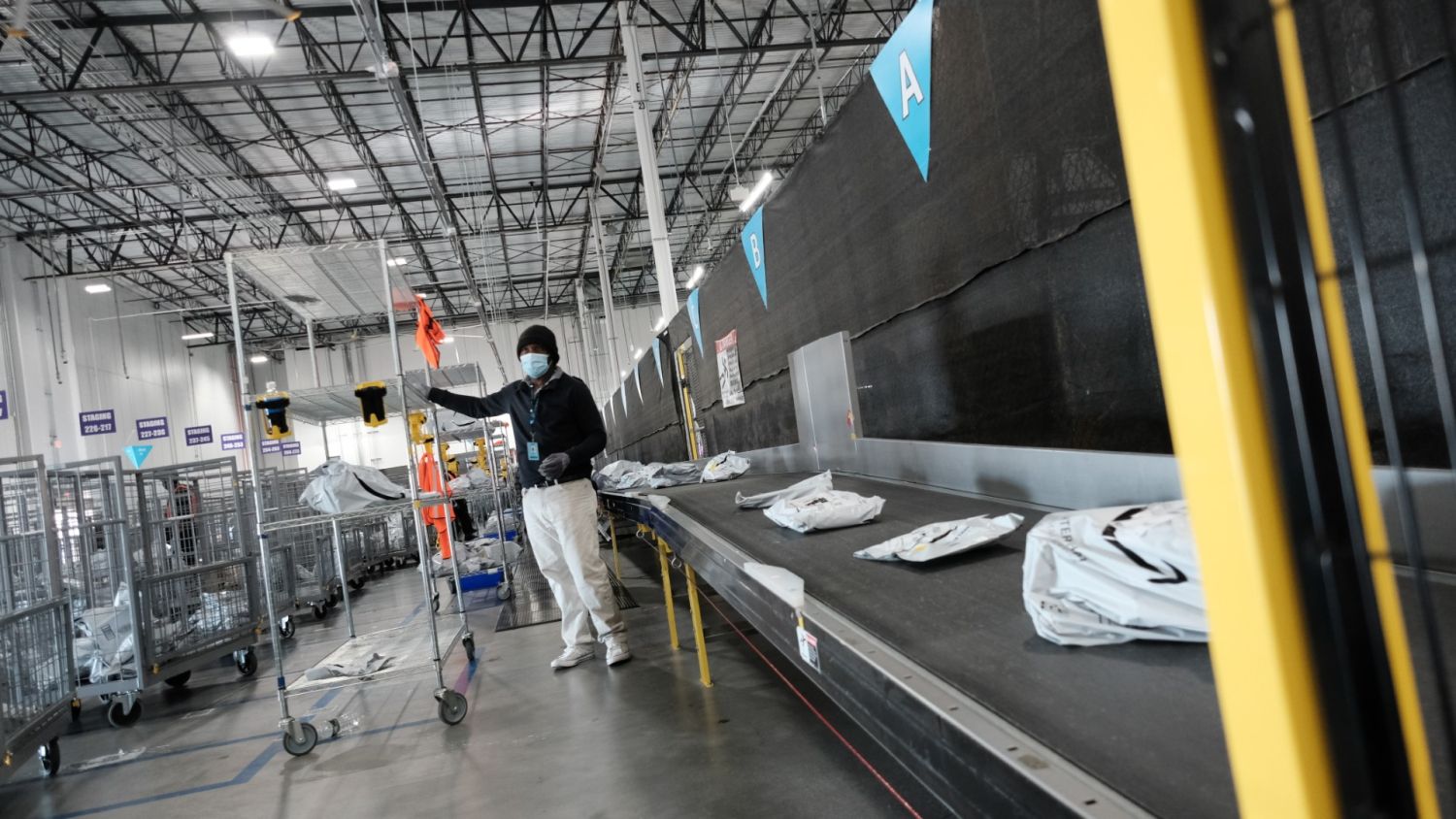
Sub Same-Day Amazon Flex is more than just a delivery service; it is a high-speed financial tool that, when used correctly, offers one of the best “time-to-money” ratios in the gig economy. Its 24/7 availability, potential for surged pay, and localized delivery routes make it an ideal choice for those looking to supplement their income without committing to a rigid schedule.
However, the success of an SSD driver depends entirely on their ability to manage their business expenses. By treating your Flex work as a legitimate business—tracking every mile, optimizing your vehicle choice, and strategically hunting for surge rates—you can turn the “Sub Same-Day” model into a powerful engine for personal wealth. Whether you are saving for a down payment, paying off debt, or building an investment portfolio, SSD provides the liquidity and flexibility needed to reach those financial milestones faster.
aViewFromTheCave is a participant in the Amazon Services LLC Associates Program, an affiliate advertising program designed to provide a means for sites to earn advertising fees by advertising and linking to Amazon.com. Amazon, the Amazon logo, AmazonSupply, and the AmazonSupply logo are trademarks of Amazon.com, Inc. or its affiliates. As an Amazon Associate we earn affiliate commissions from qualifying purchases.