
In the vast ecosystem of sandbox gaming, Minecraft stands as a pinnacle of procedural software design and complex game mechanics. Among its most intricate systems is the enchantment engine—a sophisticated layer of gameplay that allows players to modify item attributes via a digital “magic” system. For the player’s avatar, the chestplate serves as the primary defensive component, offering the highest base armor points. However, to truly optimize this piece of equipment for high-level survival or competitive play, one must understand the specific technical upgrades available.
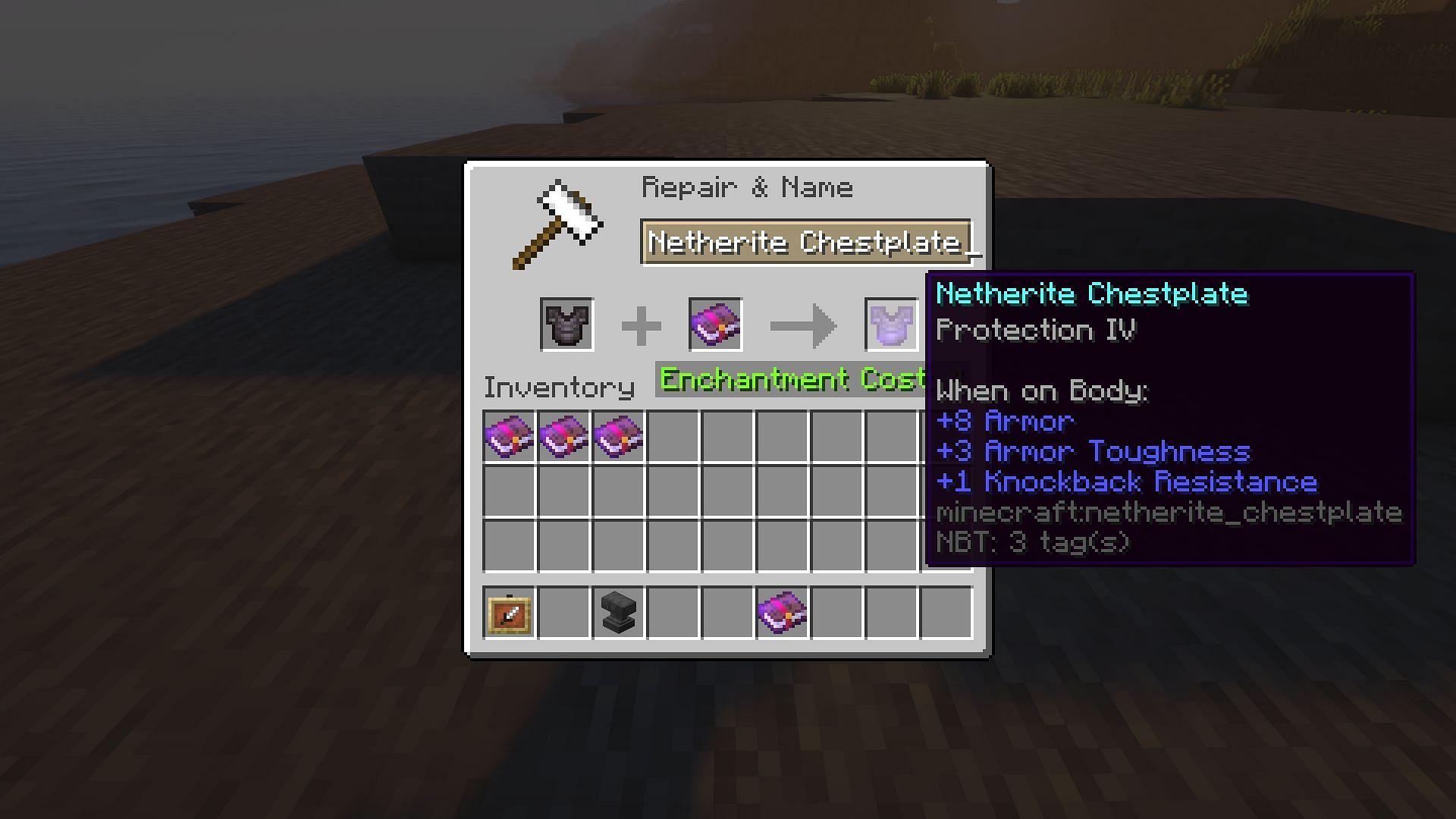
This guide provides an exhaustive analysis of the enchantments applicable to a chestplate, the underlying logic of their interactions, and the strategic optimization required to build the ultimate defensive loadout.
1. The Architecture of Protection: Understanding Core Defensive Enchantments
The primary function of a chestplate is damage mitigation. In the software’s logic, armor points reduce a percentage of incoming damage, but enchantments provide an additional layer of “Enchantment Protection Factor” (EPF). This factor applies after the initial armor calculation, further dampening the impact of hostile entities and environmental hazards.
Protection IV: The Universal Baseline
Protection is the most versatile enchantment in the game. It provides a generalized reduction for almost all types of damage, including physical strikes, fire, falling, and magic. Technically, each level of Protection provides 4% damage reduction, capping at a maximum of 80% when combined across all armor pieces. Because it covers a broad spectrum, Protection IV is the gold standard for general exploration and standard survival gameplay.
Specialized Defenses: Fire, Blast, and Projectile Protection
Minecraft offers three specialized defensive enchantments that provide higher resistance to specific damage types than general Protection, but at the cost of exclusivity.
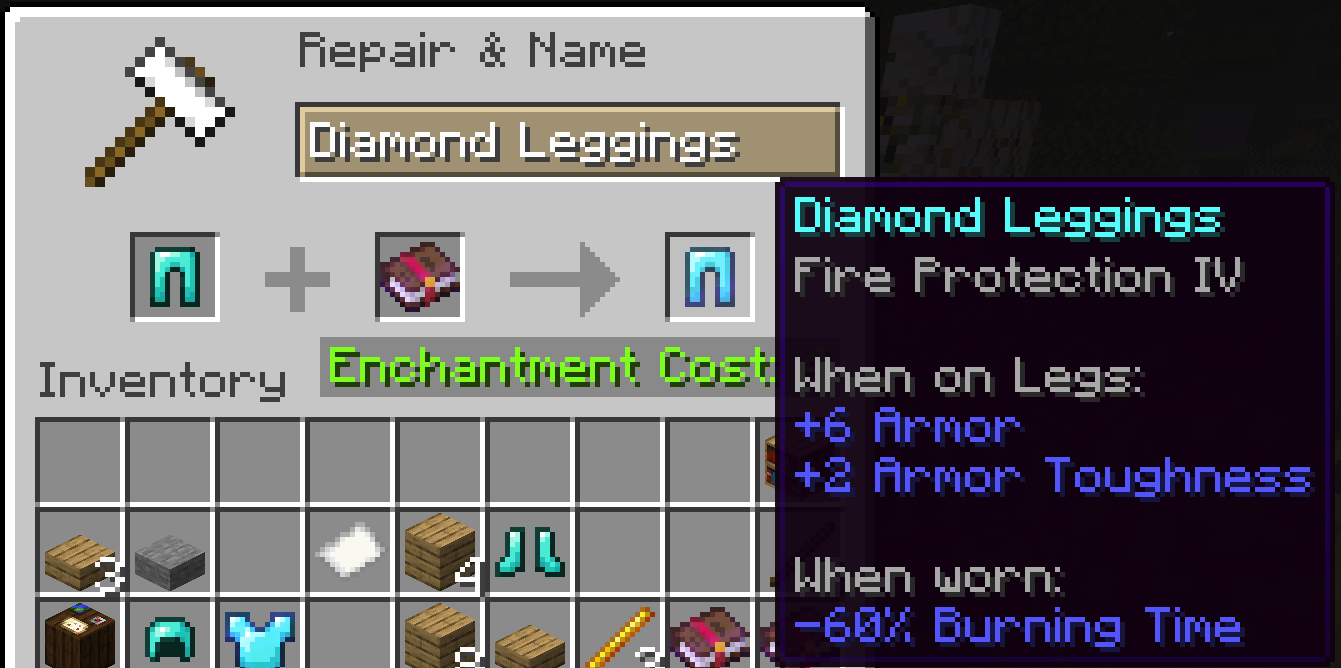
- Fire Protection IV: Reduces fire and lava damage and significantly decreases the duration an avatar remains on fire. This is essential for Nether-based operations.
- Blast Protection IV: Specifically mitigates explosion damage from Creepers, TNT, and Ghast fireballs. It also reduces knockback from explosions.
- Projectile Protection IV: Designed to counter ranged attacks from Skeletons, Pillagers, and Drowned.
In most modern versions of the game (post-1.14), these enchantments are mutually exclusive. Applying one will overwrite the other. From a technical optimization standpoint, players must decide whether to prioritize a balanced build (General Protection) or a situational build (Specialized Protection).
Thorns: The Offensive-Defensive Hybrid
Thorns is a unique enchantment that allows the chestplate to reflect damage back at an attacker. While it provides a tactical advantage in melee combat, it comes with a significant technical drawback: durability consumption. Every time Thorns is triggered, the chestplate loses extra durability points. For high-level play, Thorns III is powerful, but it requires a robust repair system to prevent the item from breaking during prolonged encounters.
2. Utility and Durability: Maximizing Item Lifespan
In the “Tech” of Minecraft, resource management is key. A chestplate crafted from high-tier materials like Diamond or Netherite is an expensive investment. Consequently, enchantments that preserve the integrity of the item are prioritized by power users.
Unbreaking III: Maximizing Item Lifespan
Unbreaking is not a simple durability increase; it is a statistical probability modifier. When an item with Unbreaking III is used or damaged, there is a 30% chance that the item will not consume a durability point. For a chestplate, which is constantly subjected to damage checks, this effectively triples the expected lifespan of the gear. It is a fundamental “software patch” for any piece of high-value equipment.
Mending: The Gold Standard for Gear Restoration
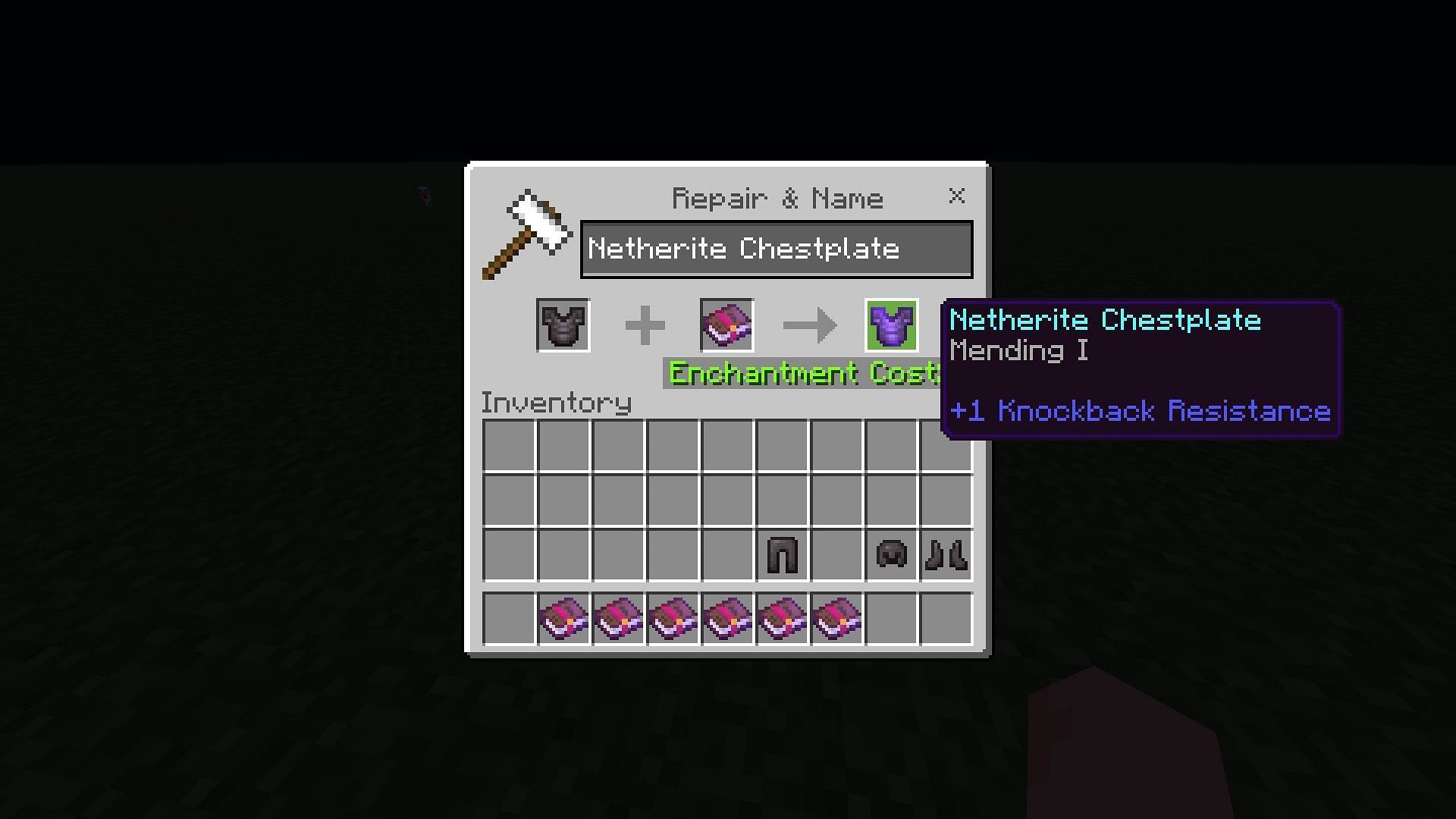
Mending is arguably the most coveted enchantment in the game’s technical meta. It utilizes the player’s gathered Experience Orbs (XP) as a fuel source to repair the item. Instead of XP contributing to the player’s level, it is diverted to restore the durability of the chestplate at a rate of two durability points per one XP point. When paired with Unbreaking III, Mending makes a chestplate virtually indestructible, provided the player maintains a consistent flow of XP through mob farms or mining.
Curse of Vanishing and Curse of Binding
While technically enchantments, these function as negative modifiers or “bugs” intended for map-making or high-stakes gameplay.
- Curse of Binding: Prevents the player from removing the chestplate once equipped, unless they die or the item breaks.
- Curse of Vanishing: Causes the chestplate to disappear entirely upon the player’s death, rather than dropping as an item. These are rarely used in standard optimization but are vital to understand for inventory security.
3. The Technical Process of Enchanting: Methods and Optimization
Acquiring these enchantments involves navigating the game’s internal RNG (Random Number Generation) and its specific item-combining algorithms.
The Enchanting Table vs. Enchanted Books
The primary method for enchanting is the Enchanting Table. The results are determined by the player’s level and the number of bookshelves surrounding the table (up to 15). However, the table is limited; it cannot grant Mending or certain high-level specialized enchantments.
The secondary, more precise method is the use of Enchanted Books via an Anvil. This allows for a “modular” approach to building a chestplate. Players can find specific books through fishing, trading with Librarian Villagers, or exploring loot chests in structures like Bastion Remnants.
Anvil Mechanics and the “Too Expensive!” Limit
A critical piece of technical knowledge for Minecraft players is the “Prior Work Penalty.” Every time an item is modified in an anvil (renamed, repaired, or enchanted), an internal counter increases. Once this counter reaches a certain threshold, the game marks the item as “Too Expensive!”, preventing any further modifications.
To optimize a chestplate, players must use a “tree-based” combining method—merging books together before applying them to the chestplate—to keep the work penalty low. This ensures that all necessary enchantments (Protection IV, Unbreaking III, Mending, Thorns III) can be successfully applied to a single piece of Netherite armor.
4. Modern Enhancements: Swift Sneak and Cross-Update Compatibility
With the introduction of the Deep Dark and Ancient Cities, the developers added new utility enchantments that can be applied to leggings, though they are often discussed alongside chestplates in the context of “full-body” optimization. However, focusing strictly on the chestplate, the game has evolved to ensure that enchantments remain balanced across different hardware platforms (Java vs. Bedrock).
Swift Sneak (Technical Context)
While Swift Sneak is technically a leggings enchantment, its presence in the game has changed how players configure their chestplate. Because players must now navigate stealth-based environments, the weight and durability of the chestplate become more relevant. A chestplate with Mending becomes even more vital in these zones where traditional “grinding” for XP is replaced by high-stakes stealth.
Environmental Synergy
The chestplate is often the canvas for the “Elytra” swap in the late game. While the Elytra (wings) occupies the chestplate slot, it can also be enchanted with Unbreaking and Mending. The technical tradeoff here is a loss of armor points for the gain of aerial mobility. High-level players often carry a “God-tier” chestplate and an Elytra, swapping them via hotkeys depending on whether the current “task” is combat-oriented or traversal-oriented.
5. Optimizing the “God Set”: Strategic Loadouts for Different Playstyles
In the technical community of Minecraft, a “God Set” refers to armor that has been perfectly optimized with the highest possible enchantment levels. For a chestplate, the configuration depends on the user’s objective.
The Survivalist Build (The Generalist)
- Enchantments: Protection IV, Unbreaking III, Mending.
- Purpose: This configuration is designed for the average user. It provides a massive 16% damage reduction (on just the chestplate) and ensures the item never breaks as long as the player performs basic tasks that generate XP.
The PvP Specialist (The Combatant)
- Enchantments: Protection IV, Thorns III, Unbreaking III, Mending.
- Purpose: In Player-vs-Player (PvP) scenarios, every bit of damage dealt to the opponent counts. Thorns III acts as a passive damage dealer, potentially disrupting the opponent’s rhythm and dealing chip damage that can win a fight.
The Nether Explorer (The Specialist)
- Enchantments: Fire Protection IV, Unbreaking III, Mending.
- Purpose: For players focusing on large-scale infrastructure projects in the Nether, lava is the greatest threat. Fire Protection IV provides a specific survival buffer that General Protection cannot match in high-heat environments.
In conclusion, enchanting a chestplate in Minecraft is far more than a simple aesthetic upgrade. It is a technical exercise in data optimization, resource management, and strategic decision-making. By understanding the math behind Protection factors, the probability curves of Unbreaking, and the logistical advantages of Mending, players can transform a simple piece of gear into a sophisticated tool of survival. Whether you are navigating the deep dark or engaging in high-stakes competitive play, the right configuration of enchantments on your chestplate is the cornerstone of a successful digital journey.
aViewFromTheCave is a participant in the Amazon Services LLC Associates Program, an affiliate advertising program designed to provide a means for sites to earn advertising fees by advertising and linking to Amazon.com. Amazon, the Amazon logo, AmazonSupply, and the AmazonSupply logo are trademarks of Amazon.com, Inc. or its affiliates. As an Amazon Associate we earn affiliate commissions from qualifying purchases.