
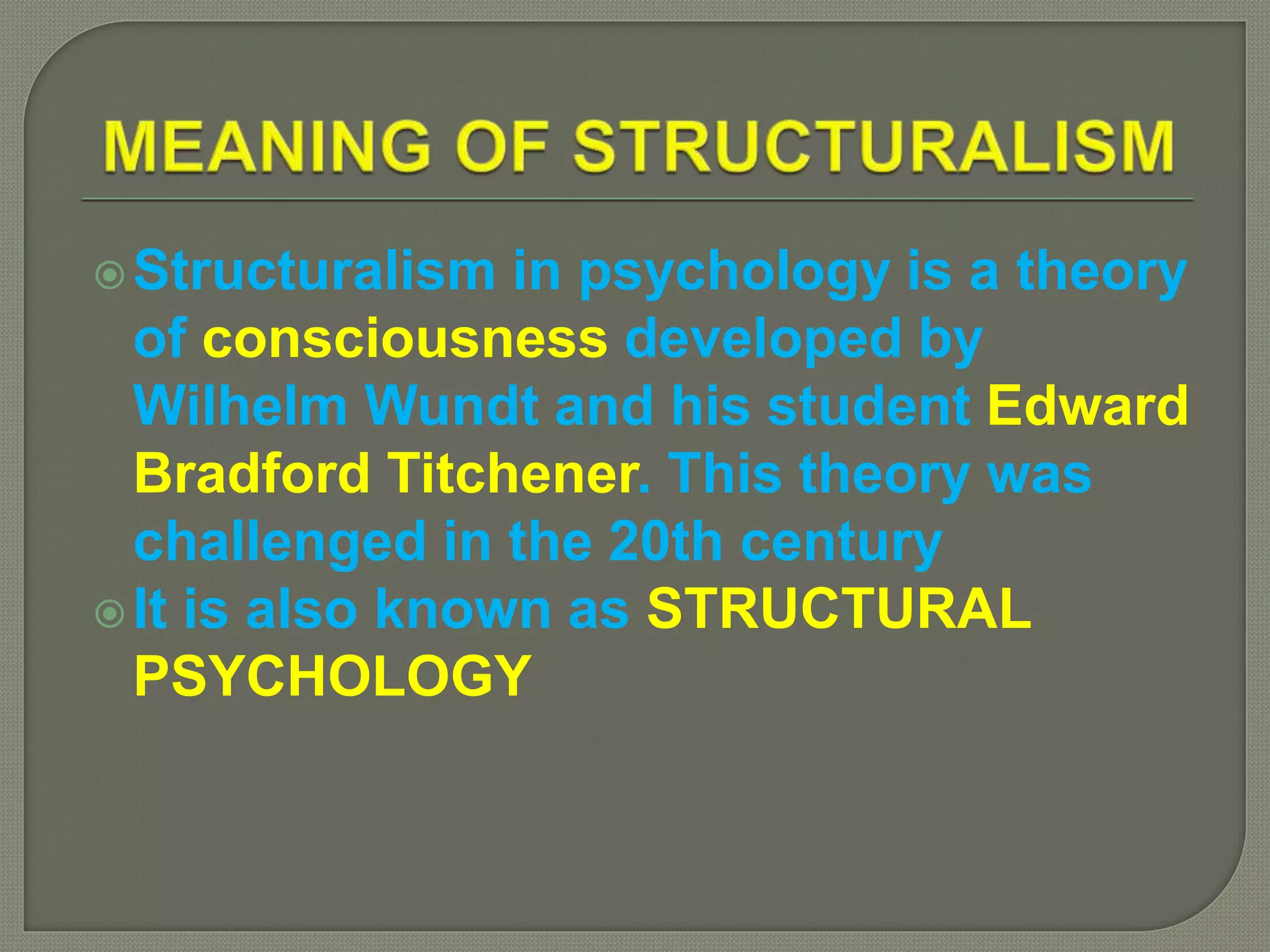
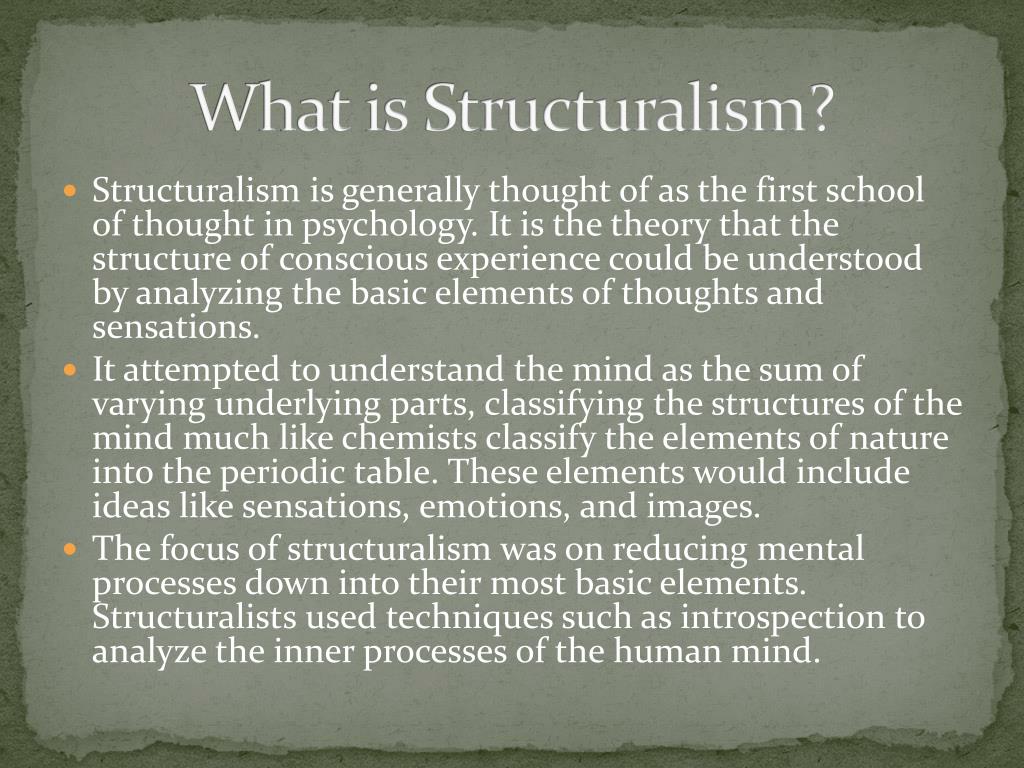
In the context of brand strategy and corporate identity, structural psychology refers to the methodical deconstruction of the cognitive frameworks that govern how audiences perceive, categorize, and emotionally connect with a brand. While traditional branding often focuses on aesthetic output—logos, color palettes, and taglines—structural psychology looks beneath the surface to examine the “architecture of belief.” It explores the underlying mental models that allow consumers to interpret a brand not just as a product or service, but as a coherent identity within their own worldview.
The Cognitive Architecture of Brand Perception
Brand strategy is frequently misunderstood as a purely creative endeavor. In reality, it is a psychological process of building a mental structure that the audience can inhabit. Structural psychology posits that humans do not perceive brands in isolation; we perceive them as nodes within an associative network.

The Associative Network Theory
The human brain functions as an interconnected web of concepts. When a brand enters this network, it must occupy a space that makes sense in relation to existing nodes. If a brand positions itself as “luxurious,” it must connect to existing cognitive nodes such as “exclusivity,” “quality,” and “prestige.” Structural psychology analyzes how these connections are formed. If the structural integrity of the brand message is weak—meaning the brand promises luxury but delivers inconsistency—the cognitive structure collapses, leading to brand dissonance.
Schema Congruency and Market Positioning
A schema is a mental framework that helps organize information. When a brand launches a new campaign or product line, it relies on the audience’s existing schemas to make the information digestible. Structural psychology asks: Does this new branding effort fit into the established schema of the customer? If a brand tries to force an identity that violates these schemas, the brain rejects the information to preserve cognitive comfort. Successful branding is the art of expanding existing schemas rather than fighting them.
Deciphering the Brand Identity Blueprint
A brand’s identity is not a static logo; it is a structural system. By applying structural psychology, strategists can move away from superficial design choices and toward a more durable, psychologically resonant identity.
The Hierarchy of Brand Identity
At the foundation of this hierarchy is the Brand Core—the fundamental purpose or belief system. Above this sit the Brand Pillars, which are the structural supports that hold up the brand’s promise. Finally, the Brand Expression comprises the visual and verbal execution. Structural psychology emphasizes that if the core is unstable, the entire hierarchy is prone to falling. For example, a company that prioritizes sustainability but relies on a supply chain that contradicts this value suffers from a structural flaw. Consumers are increasingly adept at sensing these structural imbalances, leading to brand skepticism.
Structural Semiotics in Design
Every design element, from typography to whitespace, carries a structural load. Semiotics—the study of signs and symbols—is the tool through which structural psychology is applied to design. A sharp, angular logo triggers a structural association with precision, efficiency, or aggression, while rounded, organic shapes trigger associations with comfort, inclusivity, or growth. Designers act as structural architects, selecting signs that reinforce the brand’s desired psychological position.
Psychological Motivations and the Consumer Narrative
To create a brand that survives, it must tap into the fundamental structural motivations of the human psyche. These are the deep-seated drivers that dictate how we categorize ourselves and others.
Archetypal Frameworks as Structural Scaffolding
Archetypes are the universal, archaic patterns and images that derive from the collective unconscious. In structural psychology, brands often utilize these archetypes to build an instant framework for the consumer. When a brand adopts the “Hero” archetype, it provides the consumer with a clear structural role: the consumer is the one who will achieve greatness, and the brand is the catalyst. By utilizing these pre-existing structures, brands reduce the “cognitive load” required for a customer to understand what the brand stands for.
The Role of Narrative Coherence
Humans are hardwired for stories. A brand is essentially a narrative structure. If the narrative lacks consistency, the “structural tension” between the user’s expectations and the brand’s reality becomes unbearable. Structural psychology focuses on ensuring that every touchpoint—from a social media post to customer service interactions—is a brick in the building of a singular, coherent narrative. When a brand fails to maintain narrative coherence, it creates “cognitive friction,” which leads to loss of trust and abandonment.
The Future of Structural Branding: Data and Neuromarketing
The application of structural psychology in business is evolving with the advent of advanced data analytics and neuromarketing. We are moving from intuitive strategy to empirically validated structural design.
Neuromarketing and the Brain’s Response
Neuromarketing allows brands to measure physiological responses to branding stimuli. By tracking eye movement, galvanic skin response, and even fMRI imaging, researchers can map exactly how a brand is “constructed” in the consumer’s brain. This data provides the blueprint for optimizing brand assets. If a particular visual layout triggers a structural response of “distrust” or “confusion,” that asset can be re-engineered. This is not just about making things look good; it is about ensuring the structure of the brand aligns with the biological reality of the human brain.
Designing for Long-Term Cognitive Salience
The ultimate goal of applying structural psychology to brand strategy is to achieve long-term cognitive salience—the ability of a brand to be instantly recalled and emotionally prioritized. This is achieved through the systematic repetition of consistent, structurally sound messaging. Over time, the brand becomes a permanent fixture in the customer’s mental landscape. It shifts from being an external entity trying to sell a product to becoming a structural component of the customer’s self-identity.
Conclusion: The Architect’s Mindset
Brand strategy, when viewed through the lens of structural psychology, is an engineering discipline applied to the human mind. It requires a rigorous, analytical approach to how information is organized, how associations are forged, and how narrative structures are maintained. By focusing on the underlying architecture of perception rather than the superficial layers of promotion, brands can create identities that are not only memorable but essential.
In a cluttered digital environment, where consumers are bombarded by thousands of messages daily, the brands that survive are those that provide a clear, stable structure for the mind to grasp. They succeed because they do not just shout for attention; they organize the chaos of the consumer’s perception into a clear, meaningful, and enduring structure. This is the essence of structural psychology in branding—the creation of a psychological home for the consumer, built upon the bedrock of sound identity, narrative, and cognitive alignment. Understanding this framework allows leaders and strategists to build brands that are inherently resistant to market volatility and deeply embedded in the consumer’s psychological reality.
aViewFromTheCave is a participant in the Amazon Services LLC Associates Program, an affiliate advertising program designed to provide a means for sites to earn advertising fees by advertising and linking to Amazon.com. Amazon, the Amazon logo, AmazonSupply, and the AmazonSupply logo are trademarks of Amazon.com, Inc. or its affiliates. As an Amazon Associate we earn affiliate commissions from qualifying purchases.