
In an era defined by digital convenience and instant access, streaming has become the dominant paradigm for media consumption. Paramount+, as a significant player in this competitive landscape, leverages a sophisticated array of technologies to deliver its vast library of entertainment to a global audience. Understanding “what is streaming on Paramount” goes beyond merely listing available shows; it requires an exploration of the underlying technological infrastructure, user experience design, and content delivery mechanisms that power this modern entertainment hub. This article will dissect the core technological components that make Paramount+ a compelling streaming service, focusing on its delivery, features, and future-forward innovations.
The Technological Backbone of Paramount+
At its core, any streaming service is a complex amalgamation of hardware, software, and networking protocols designed to transmit high-quality video and audio efficiently over the internet. Paramount+ relies on a robust technological backbone to ensure a seamless and reliable viewing experience, a significant evolution from traditional broadcast media.
From Broadcast to Broadband: The Evolution of Content Delivery
The shift from analog broadcast television to digital streaming represents a fundamental technological revolution. Broadcast relies on transmitting signals over airwaves or cables, with content delivered at a specific time. Streaming, conversely, utilizes the internet (broadband) to send data packets containing video and audio, allowing for on-demand access. Paramount+ epitomizes this evolution by transitioning iconic brands like CBS, MTV, Comedy Central, and Nickelodeon from linear broadcast schedules to a flexible, user-driven streaming environment. This shift demands dynamic content management systems, scalable server architecture, and efficient data compression techniques that were not necessary in the broadcast era. The immediacy and personalization offered by streaming are direct outcomes of advancements in internet infrastructure and data processing capabilities.
Core Infrastructure and Content Delivery Networks (CDNs)
To serve millions of concurrent users globally, Paramount+ depends heavily on a distributed infrastructure. Central to this are Content Delivery Networks (CDNs). A CDN is a geographically dispersed network of proxy servers and data centers. When a user requests content on Paramount+, the CDN intelligently routes that request to the server closest to the user. This minimizes latency, reduces buffering, and ensures faster load times, regardless of the user’s location. Paramount+ utilizes industry-leading CDNs to cache its vast content library—from live sports like the NFL on CBS to on-demand series like Star Trek: Strange New Worlds—ensuring that popular titles are readily available from numerous points of presence worldwide. This intricate network of servers, often owned and operated by third-party providers, is critical for maintaining the high availability and performance expected of a premium streaming service.
The Role of Codecs and Adaptive Bitrate Streaming
The efficiency of video delivery is largely dictated by compression technologies known as codecs (coder-decoder). Paramount+ employs advanced video codecs, such as H.264 (AVC) and increasingly H.265 (HEVC), to compress large video files into smaller, more manageable streams without significant loss of visual quality. These codecs are crucial for reducing bandwidth requirements, making it feasible to stream high-definition and even 4K content over varying internet speeds.
Complementing codecs is Adaptive Bitrate (ABR) streaming. This technology automatically adjusts the quality of the video stream in real-time based on the user’s internet connection speed and device capabilities. When you start streaming Yellowstone on Paramount+, your device and the platform continuously communicate. If your bandwidth temporarily dips, the stream quality might momentarily reduce to a lower bitrate version to prevent buffering, then seamlessly increase again when conditions improve. This dynamic adaptation, often managed by protocols like HLS (HTTP Live Streaming) or DASH (Dynamic Adaptive Streaming over HTTP), is fundamental to providing an uninterrupted viewing experience across a diverse range of devices and network conditions.
Navigating the User Experience: Features and Functionality
Beyond the foundational infrastructure, the user-facing technologies of Paramount+ are designed to create an intuitive, accessible, and high-quality entertainment experience. These features bridge the gap between complex backend systems and the simple act of watching a show.
Intuitive Interface Design and Personalization Algorithms
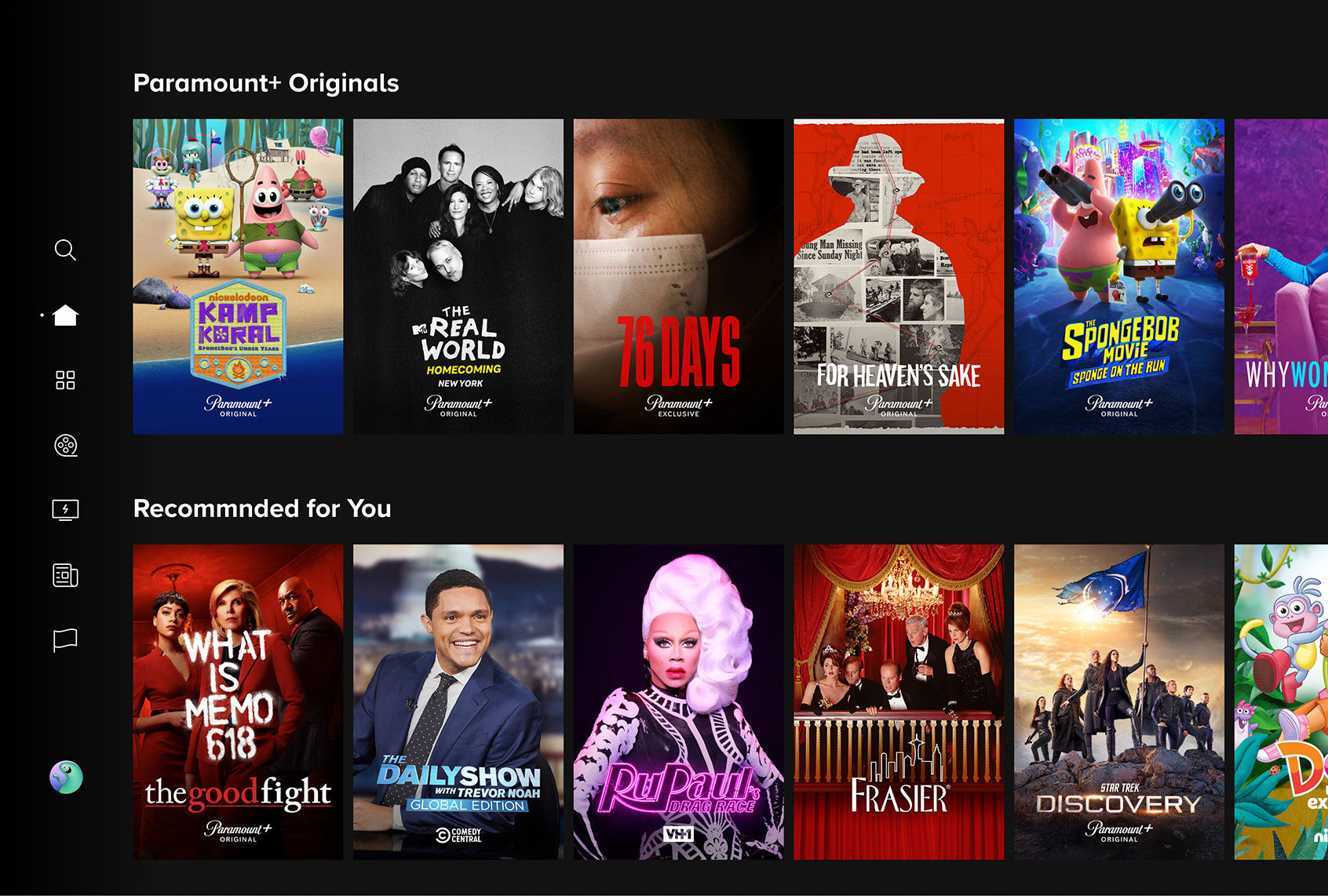
The Paramount+ application, whether on a smart TV, mobile device, or web browser, is engineered for ease of use. Its interface design prioritizes clear navigation, quick content discovery, and a visually appealing presentation. Underpinning this is a sophisticated personalization engine. Using machine learning algorithms, Paramount+ analyzes viewing history, genre preferences, search queries, and even pause/resume patterns to recommend new content. This means that two different users will likely see different home screen layouts, trending categories, and “Recommended for You” sections, making the platform feel tailored to individual tastes. This tech-driven personalization is a key differentiator in the crowded streaming market, helping users find relevant content efficiently.
Multi-Device Compatibility and Seamless Playback
Paramount+ is designed for ubiquity. The platform supports a vast ecosystem of devices, including smart TVs (Samsung, LG, Vizio, etc.), streaming sticks and boxes (Roku, Amazon Fire TV, Apple TV, Chromecast), gaming consoles (PlayStation, Xbox), mobile devices (iOS, Android), and web browsers. Achieving this multi-device compatibility requires extensive cross-platform development, ensuring that the application functions identically and optimally across varying operating systems and hardware specifications.
Furthermore, seamless playback allows users to start watching a show on one device, pause it, and then resume precisely where they left off on another device. This continuity is facilitated by cloud-based user profiles that synchronize viewing progress across all logged-in devices. Such an integrated experience enhances convenience and flexibility, making Paramount+ accessible wherever and whenever a user chooses to watch.
Enhancing Viewing: 4K HDR, Dolby Vision, and Spatial Audio
For users with compatible hardware, Paramount+ offers premium viewing experiences that leverage cutting-edge display and audio technologies. Many of its original series, select movies, and live sports are available in 4K Ultra High Definition (UHD), providing four times the pixel resolution of standard HD. Coupled with this is High Dynamic Range (HDR) technology, including Dolby Vision and HDR10, which expands the range of colors and contrast, leading to brighter whites, deeper blacks, and more vibrant imagery.
On the audio front, Paramount+ supports advanced sound formats, including Dolby Atmos. Dolby Atmos creates a three-dimensional soundscape, placing audio objects precisely in space, enhancing immersion with overhead sound effects and greater clarity. These technologies require specific encoding during content production, robust bandwidth for streaming, and compatible playback devices, all of which Paramount+ integrates to deliver a truly cinematic experience at home.
Content Curation and Discovery: Tech-Driven Approaches
The sheer volume of content available on Paramount+ necessitates advanced technological solutions for organization, search, and recommendation, ensuring users can effortlessly find what they want to watch.

AI and Machine Learning in Recommendation Engines
The backbone of content discovery on Paramount+ is its sophisticated recommendation engine, heavily reliant on Artificial Intelligence (AI) and Machine Learning (ML). These algorithms go beyond simple genre matching. They analyze intricate patterns in user behavior—not just what you watch, but how you watch it (e.g., speed of watching, specific scenes replayed, time of day). They also consider collaborative filtering (what similar users are watching) and content-based filtering (analyzing metadata like actors, directors, themes). The result is a dynamic, continuously learning system that surfaces personalized suggestions, from “Because you watched 1883” to “Top Picks for You,” guiding users through the extensive library and encouraging deeper engagement with the platform.
Search Functionality and Metadata Management
A powerful search function is paramount for any large content library. Paramount+ employs advanced search algorithms that can quickly sift through thousands of titles, cast members, directors, and genres. This efficiency is contingent on meticulous metadata management. Every piece of content on Paramount+ is tagged with extensive metadata—titles, descriptions, release dates, cast lists, crew information, keywords, genre classifications, content ratings, and more. This structured data allows the search engine to deliver highly relevant results instantly, even with partial or misspelled queries, ensuring users can pinpoint specific shows or discover related content with ease.
Live Streaming Integration and On-Demand Libraries
Paramount+ distinguishes itself by seamlessly integrating both live streaming and an expansive on-demand library within a single application. The technical challenges of delivering live content are distinct from on-demand video. Live streaming requires ultra-low latency encoding, robust ingest pipelines to handle real-time feeds (e.g., from sports broadcasts or news channels), and highly scalable distribution mechanisms to manage sudden spikes in viewership. The platform effectively manages this duality, allowing users to switch effortlessly from watching a live NFL game to binge-watching an entire season of Frasier on demand, all powered by a unified content management system that handles scheduling, archiving, and digital rights for both types of content.
Ensuring Security and Accessibility: Digital Rights Management and User Profiles
The technological responsibilities of Paramount+ extend beyond delivery and discovery; they encompass critical aspects of content protection and user inclusivity.
Protecting Content: Digital Rights Management (DRM)
Content piracy is a persistent threat in the digital age. Paramount+ employs robust Digital Rights Management (DRM) systems to protect its proprietary content from unauthorized copying and distribution. DRM technologies encrypt content and control access, ensuring that only authenticated and authorized users can view the video. This involves complex encryption algorithms, secure key exchange mechanisms, and device-specific decryption. Leading DRM solutions like Widevine (Google), PlayReady (Microsoft), and FairPlay (Apple) are commonly integrated into streaming platforms like Paramount+, safeguarding the intellectual property of content creators and studios.
Accessibility Features: Subtitles, Audio Descriptions, and More
In line with modern digital standards and inclusivity, Paramount+ integrates a range of accessibility features. Closed captions and subtitles are available for most content, often in multiple languages, benefiting viewers who are deaf or hard of hearing, or those who prefer to watch content with text accompaniment. Audio descriptions, which narrate key visual elements for viewers who are blind or have low vision, are increasingly being added to titles. These features are implemented through standardized industry formats (e.g., WebVTT, TTML) and require careful integration into the platform’s video player and content management system, ensuring that entertainment is accessible to a wider audience.
User Profiles and Parental Controls: Tailoring the Experience
Paramount+ allows for the creation of multiple user profiles within a single account. Each profile maintains its own viewing history, recommendations, and watchlists. This feature is enabled by sophisticated backend database management and authentication systems that associate specific viewing data with individual profiles. Crucially, parental controls are built into these profile management systems. Parents can set age ratings, restrict access to certain content categories, and even implement PIN protection for profiles. This ensures that children can safely explore age-appropriate content, providing peace of mind and demonstrating a commitment to responsible content delivery.
The Future of Streaming on Paramount+: Innovations on the Horizon
The streaming landscape is in constant evolution, and Paramount+ continues to invest in emerging technologies to enhance its offering and stay competitive.
Interactive Content and Next-Gen Viewing
The next frontier in streaming involves greater interactivity. While traditional streaming is passive, future innovations could include choose-your-own-adventure narratives, enhanced fan participation during live events (e.g., polls, real-time statistics overlays), or even integration with augmented reality (AR) experiences. Paramount+ could explore these avenues to deepen viewer engagement, moving beyond a purely linear consumption model to a more dynamic, personalized journey. Such features would demand even more sophisticated real-time data processing and rendering capabilities.
Cloud-Based Streaming and Edge Computing
The reliance on cloud infrastructure will only grow, with platforms like Paramount+ leveraging hyperscale cloud providers for enhanced scalability, flexibility, and global reach. Edge computing, where data processing occurs closer to the user (at the “edge” of the network), could further reduce latency for critical applications like live sports streaming and pave the way for more sophisticated, real-time interactive experiences by minimizing the distance data needs to travel. This shift would make the streaming experience even more responsive and less susceptible to network congestion.

The Interplay with Emerging Technologies
Looking ahead, Paramount+ will undoubtedly explore the integration of emerging technologies like AI-driven content generation and personalized advertising that is even more contextually aware. The platform may also explore tighter integration with smart home ecosystems, allowing for voice-controlled playback across devices and seamless transitions between different screens. As technology advances, “what is streaming on Paramount” will continue to evolve, offering increasingly immersive, personalized, and technologically advanced ways to consume content, pushing the boundaries of digital entertainment.
In conclusion, “what is streaming on Paramount” is a question best answered by dissecting the intricate technological ecosystem that underpins it. From its robust CDN infrastructure and adaptive bitrate streaming to its AI-driven recommendation engines, multi-device compatibility, and commitment to accessibility, Paramount+ exemplifies the cutting edge of digital content delivery. As technology continues its relentless march forward, the platform is poised to integrate new innovations, further enriching the entertainment experience for its global subscriber base.
aViewFromTheCave is a participant in the Amazon Services LLC Associates Program, an affiliate advertising program designed to provide a means for sites to earn advertising fees by advertising and linking to Amazon.com. Amazon, the Amazon logo, AmazonSupply, and the AmazonSupply logo are trademarks of Amazon.com, Inc. or its affiliates. As an Amazon Associate we earn affiliate commissions from qualifying purchases.