
The stock market, in its essence, is a dynamic marketplace where shares of publicly traded companies are bought and sold. It serves as a vital artery in the global financial system, reflecting the collective optimism and apprehension of millions of investors worldwide. But “what is stock market today?” is a question far more nuanced than a simple definition. It refers to the real-time pulse of this complex mechanism – the current valuations, the prevailing sentiment, the economic forces at play, and the news shaping financial decisions minute by minute. Understanding the stock market today means grasping not just its mechanics, but also the myriad factors that make it an ever-shifting landscape of opportunity and risk.
Understanding the Stock Market: A Daily Pulse
At its core, the stock market is a platform facilitating the exchange of ownership stakes in companies. When you buy a stock, you’re purchasing a tiny fraction of a company, becoming a shareholder with potential claims on its future earnings and assets. The “today” aspect emphasizes its immediate, living nature, where prices fluctuate constantly based on supply and demand, news events, and investor psychology.
The Ecosystem of Exchanges and Participants
The stock market isn’t a single entity but a network of exchanges and participants. Major exchanges like the New York Stock Exchange (NYSE) and Nasdaq in the U.S., the London Stock Exchange (LSE), Euronext, the Tokyo Stock Exchange, and the Shanghai Stock Exchange provide the infrastructure for trading. These exchanges operate under strict regulations to ensure fair and orderly markets.
Participants in this ecosystem are diverse. Individual investors, often called retail investors, trade for their personal portfolios. Institutional investors, such as mutual funds, hedge funds, pension funds, and insurance companies, manage vast sums of money on behalf of their clients or beneficiaries. Market makers ensure liquidity by being ready to buy or sell shares, while brokers act as intermediaries, executing trades for their clients. Each participant plays a role in the daily ebb and flow of capital, contributing to the “today’s” market picture. Their collective actions determine whether the market closes up, down, or flat, influencing the wealth of millions.
Key Indicators and What They Signify
To gauge the health and direction of the stock market today, investors rely on various key indicators. The most prominent are stock market indices, which represent the performance of a basket of stocks.
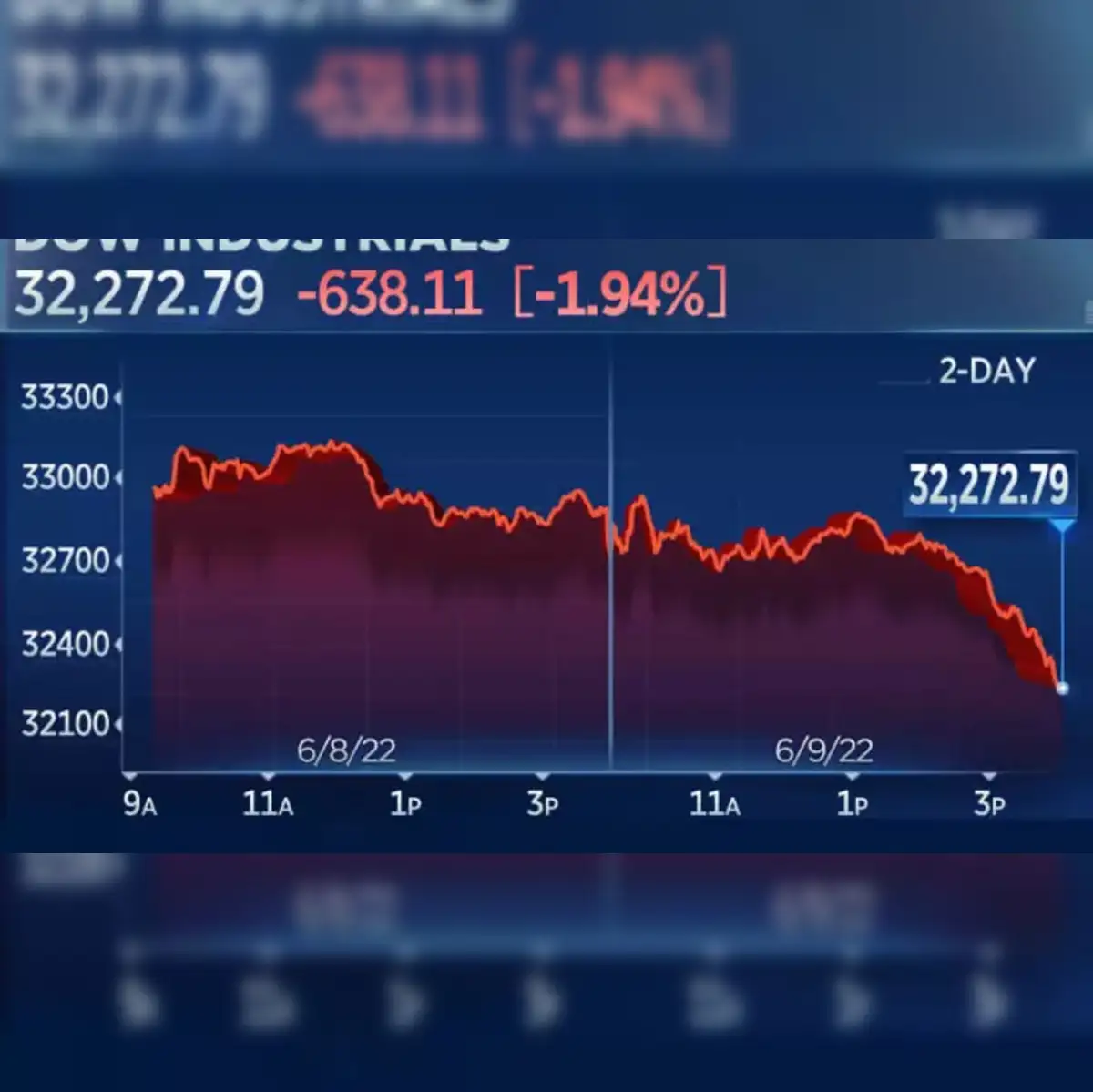
- Dow Jones Industrial Average (DJIA): This index tracks 30 large, publicly owned companies based in the United States, offering a snapshot of the broad U.S. industrial economy. Its movements often signal investor confidence in established giants.
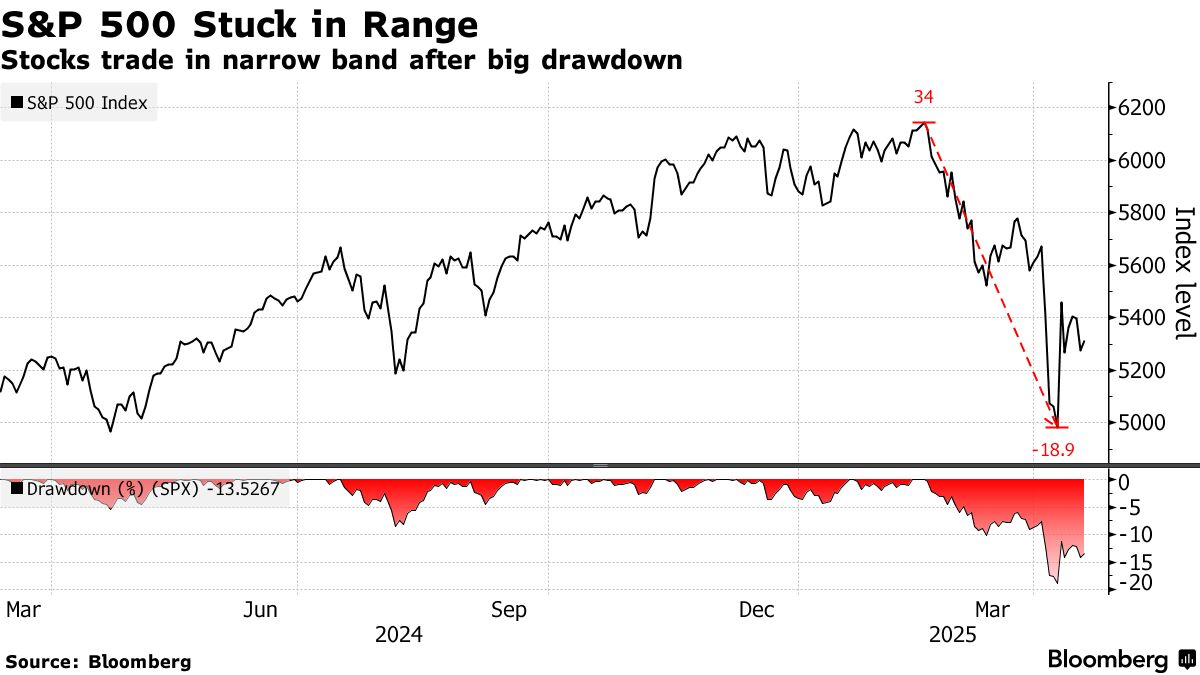
- S&P 500: Considered a broader and more representative indicator of the U.S. stock market, the S&P 500 includes 500 of the largest U.S. companies by market capitalization. Its performance is often used as a benchmark for overall market health and economic sentiment.
- Nasdaq Composite: Heavily weighted towards technology and growth companies, the Nasdaq Composite reflects the performance of stocks listed on the Nasdaq exchange. Its fluctuations are often watched for insights into the tech sector and innovation-driven segments of the economy.
- Other Global Indices: Beyond the U.S., indices like the FTSE 100 (UK), DAX (Germany), Nikkei 225 (Japan), and Hang Seng Index (Hong Kong) provide critical insights into regional and global economic trends.
When these indices are rising, it generally indicates a bull market, characterized by investor optimism and economic growth expectations. Conversely, falling indices often signify a bear market, reflecting pessimism and concerns about economic contraction. The daily change in these indices provides the immediate answer to “what is stock market today?” in terms of its overall performance.
Drivers of Daily Market Movements
The stock market’s daily movements are rarely arbitrary. They are the cumulative result of countless decisions made by investors reacting to an influx of information. Understanding these drivers is crucial for anyone trying to interpret today’s market conditions.
Macroeconomic Influences and Central Bank Actions
The broader economic environment is perhaps the most significant long-term driver of stock market performance, with daily market movements often reacting to new data releases.
- Interest Rates: Central banks, like the U.S. Federal Reserve, influence interest rates. Higher rates can make borrowing more expensive for companies and reduce consumer spending, potentially dampening corporate profits and making bonds more attractive than stocks. Lower rates, conversely, tend to stimulate economic activity and make stocks more appealing. Daily shifts in interest rate expectations, often signaled by central bank announcements, can send ripples through the market.
- Inflation: Persistent inflation erodes purchasing power and can squeeze corporate profit margins. Central banks often raise interest rates to combat inflation, which, as noted, can negatively impact stocks. Market reactions to inflation data (e.g., Consumer Price Index releases) are often pronounced.
- Economic Growth Data: Gross Domestic Product (GDP) reports, employment figures (non-farm payrolls, unemployment rate), and manufacturing indices (e.g., ISM Manufacturing PMI) provide insights into the health and direction of the economy. Strong economic data typically boosts investor confidence, while weak data can trigger sell-offs.
Corporate Performance and Sectoral Trends
While macroeconomic factors set the stage, the individual performance of companies and specific sectors plays a crucial role in daily market dynamics.
- Earnings Reports: Quarterly earnings reports are major catalysts. When companies announce profits and revenues that exceed analyst expectations, their stock prices often rise. Conversely, disappointing results can lead to significant drops. Forward-looking guidance provided by companies about future earnings is equally impactful, shaping investor expectations for months to come.
- Mergers and Acquisitions (M&A): Announcements of companies merging or acquiring others can dramatically affect the stock prices of the involved entities and even their competitors. M&A activity signals consolidation or growth opportunities within an industry.
- Product Launches and Innovation: News about groundbreaking product launches, technological advancements, or regulatory approvals (especially in sectors like pharmaceuticals) can create significant buzz and drive stock performance within specific companies and sectors. For example, a new AI breakthrough can lift an entire segment of the tech market.
Geopolitical Events and Investor Sentiment
Beyond economics and corporate fundamentals, geopolitical developments and the often-irrational waves of investor sentiment exert considerable influence on the market today.
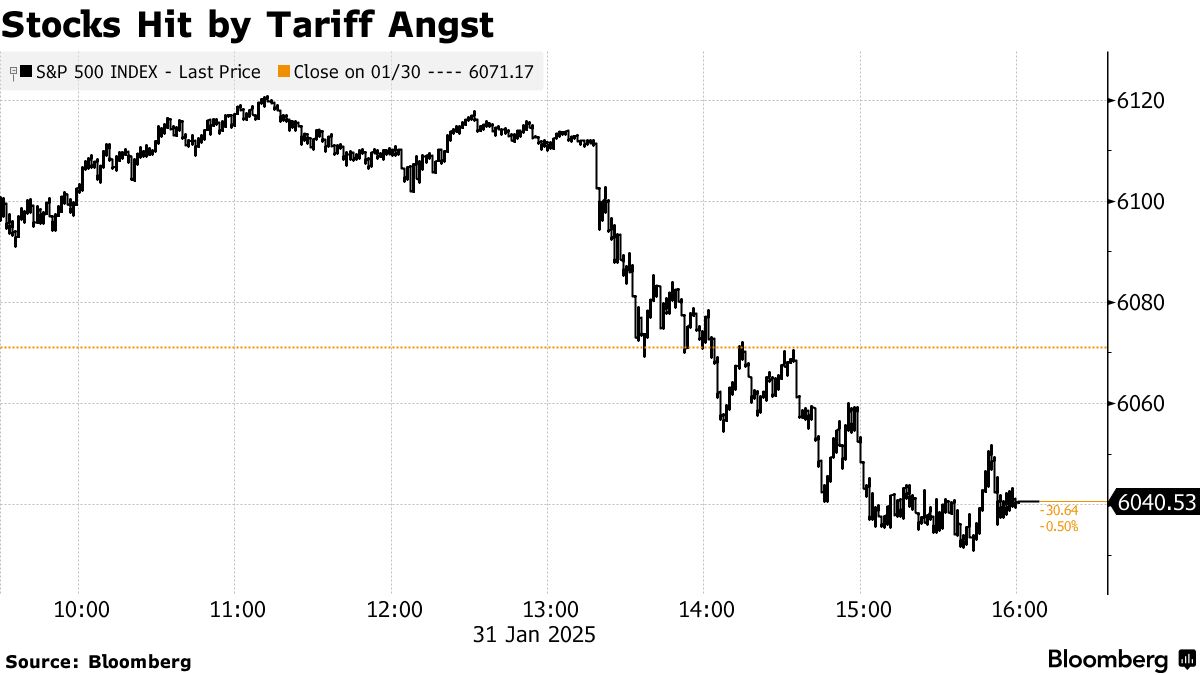
- Political Stability and Policy Changes: Political instability in major economies, trade disputes, or significant policy shifts (e.g., changes in taxation, environmental regulations) can create uncertainty, prompting investors to reduce risk exposure. Conversely, stable political environments and supportive policies can foster confidence.
- Global Conflicts and Crises: Wars, terrorist attacks, and major natural disasters can trigger immediate market volatility as investors react to the potential disruption of supply chains, energy markets, and overall economic activity.
- Investor Sentiment and Psychology: The stock market is not purely rational; human psychology plays a massive role. Fear, greed, herd mentality, and exuberance can lead to overreactions, creating bubbles or sharp downturns that defy fundamental analysis. Social media and financial news outlets can amplify these sentiments, contributing to rapid shifts in market direction. A “fear index” like the VIX measures expected market volatility, reflecting prevailing sentiment.
Navigating the Market as an Investor
For individuals looking to participate in the stock market today, understanding its mechanics is only the first step. Navigating it successfully requires strategic thinking, appropriate tools, and a realistic perspective.
Direct vs. Indirect Participation
Investors have several avenues to engage with the stock market:
- Direct Stock Ownership: This involves buying individual shares of companies through a brokerage account. It offers direct exposure to a company’s performance but requires thorough research and carries higher individual stock risk.
- Mutual Funds: These professionally managed portfolios pool money from many investors to buy a diversified collection of stocks, bonds, or other securities. They offer diversification and professional management but come with management fees.
- Exchange-Traded Funds (ETFs): Similar to mutual funds, ETFs hold a basket of assets but trade on stock exchanges like individual stocks throughout the day. They often track specific indices, sectors, or commodities, offering diversification and lower fees than many mutual funds.
- Robo-Advisors: These digital platforms use algorithms to provide automated, low-cost investment management, often building diversified portfolios based on an investor’s risk tolerance and financial goals. They simplify the investment process, making market participation more accessible.
Each method has its own advantages and disadvantages in terms of cost, flexibility, control, and required expertise. The best choice depends on an individual’s financial goals, risk appetite, and willingness to be actively involved.
Essential Tools and Resources for Analysis
To make informed decisions about “what is stock market today” and its future direction, investors rely on a host of tools and resources:
- Financial News Outlets: Reputable sources like The Wall Street Journal, Bloomberg, Reuters, and Financial Times provide real-time news, analysis, and expert commentary.
- Brokerage Platforms: Modern online brokerage platforms offer a wealth of information, including stock quotes, charts, company financials, analyst ratings, and research reports. Many also provide educational resources.
- Economic Calendars: These calendars highlight upcoming economic data releases, central bank meetings, and other events that are likely to move the market, helping investors anticipate potential volatility.
- Company Filings: Publicly traded companies are required to file detailed financial statements (e.g., 10-K annual reports, 10-Q quarterly reports) with regulatory bodies like the SEC. These filings offer an in-depth look at a company’s financial health and operations.
- Technical and Fundamental Analysis Tools: Investors use technical analysis (studying price charts and trading volumes to predict future movements) and fundamental analysis (evaluating a company’s intrinsic value based on financial health and industry outlook) to inform their decisions.
The Importance of Long-Term Perspective Amidst Daily Fluctuations
While the question “what is stock market today” focuses on immediate conditions, successful investing often hinges on adopting a long-term perspective. Daily market movements are inherently volatile and often driven by short-term sentiment or news. Trying to time the market perfectly by reacting to every daily fluctuation is notoriously difficult and often leads to suboptimal results.
A long-term strategy, often involving consistent investing through dollar-cost averaging and diversification, helps to smooth out the impact of daily ups and downs. Over extended periods, the stock market has historically demonstrated an upward trend, rewarding patient investors. Understanding today’s market is crucial for context, but it should rarely dictate impulsive decisions in a well-thought-out investment plan.
Risks, Rewards, and Responsible Investing
Investing in the stock market today offers significant potential for wealth creation but also carries inherent risks. A balanced approach involves understanding both sides of the coin and adhering to principles of responsible investing.
Mitigating Volatility and Protecting Capital
The primary risk in stock market investing is the potential loss of capital. Stock prices can fall due to poor company performance, negative economic trends, or broader market downturns. Volatility, or the degree of price fluctuation, is a constant feature of the market.
To mitigate these risks, investors employ several strategies:
- Diversification: Spreading investments across different companies, industries, asset classes (stocks, bonds, real estate), and geographical regions is fundamental. Diversification reduces the impact of a single poorly performing investment on the overall portfolio.
- Asset Allocation: This involves determining the optimal mix of different asset classes based on an investor’s risk tolerance, time horizon, and financial goals. Younger investors with a longer time horizon might allocate more to stocks, while those nearing retirement might prefer a more conservative mix.
- Risk Management: Setting stop-loss orders (automated sell orders if a stock drops to a certain price) or hedging strategies can help limit potential losses. However, these are typically for more active traders. For long-term investors, simply not investing money one cannot afford to lose is paramount.
- Continuous Learning: The market is always evolving. Staying informed about economic trends, market news, and investment principles is an ongoing process that empowers investors to adapt and make sound decisions.
Ethical Considerations and Sustainable Investing
Beyond financial returns, an increasing number of investors today consider the ethical and societal impact of their investments. This growing trend is known as Environmental, Social, and Governance (ESG) investing or Sustainable Investing.
- Environmental Factors: This considers a company’s impact on the environment, including its carbon footprint, resource management, pollution control, and commitment to renewable energy.
- Social Factors: This assesses a company’s relationships with its employees, customers, suppliers, and communities. It includes labor practices, diversity and inclusion, customer satisfaction, and human rights.
- Governance Factors: This looks at a company’s leadership, executive pay, audits, internal controls, and shareholder rights. Strong governance ensures accountability and transparency.
Investors incorporating ESG criteria aim to support companies that align with their values, believing that such companies are not only more responsible but may also be better positioned for long-term financial performance due to reduced risks and enhanced brand reputation. “What is stock market today” for these investors also includes the question of how capital is being deployed to shape a more sustainable and equitable future.
In conclusion, “what is stock market today” is a question with a multi-faceted answer, encompassing real-time data, complex economic forces, human psychology, and individual financial decisions. While its daily machinations can seem daunting, a clear understanding of its components, drivers, risks, and responsible participation strategies empowers individuals to engage thoughtfully and potentially build significant wealth over time. The stock market today is a mirror reflecting the global economy, offering both challenges and opportunities for those who choose to understand and navigate its intricate landscape.
aViewFromTheCave is a participant in the Amazon Services LLC Associates Program, an affiliate advertising program designed to provide a means for sites to earn advertising fees by advertising and linking to Amazon.com. Amazon, the Amazon logo, AmazonSupply, and the AmazonSupply logo are trademarks of Amazon.com, Inc. or its affiliates. As an Amazon Associate we earn affiliate commissions from qualifying purchases.