
A car’s transmission is one of its most complex and critical components, responsible for transferring power from the engine to the wheels. When this intricate system fails, it’s not merely an inconvenience; it represents a significant financial event that can send ripples through a household’s budget. Understanding the monetary implications is crucial for navigating such a breakdown effectively, from the immediate repair costs to long-term financial planning.
The Immediate Financial Blow: Repair vs. Replacement Costs
The moment a transmission gives out, the primary concern for most vehicle owners quickly shifts to the cost. This isn’t a cheap fix, and the options available — repair, rebuild, or replacement — each carry substantial price tags with varying degrees of financial viability.
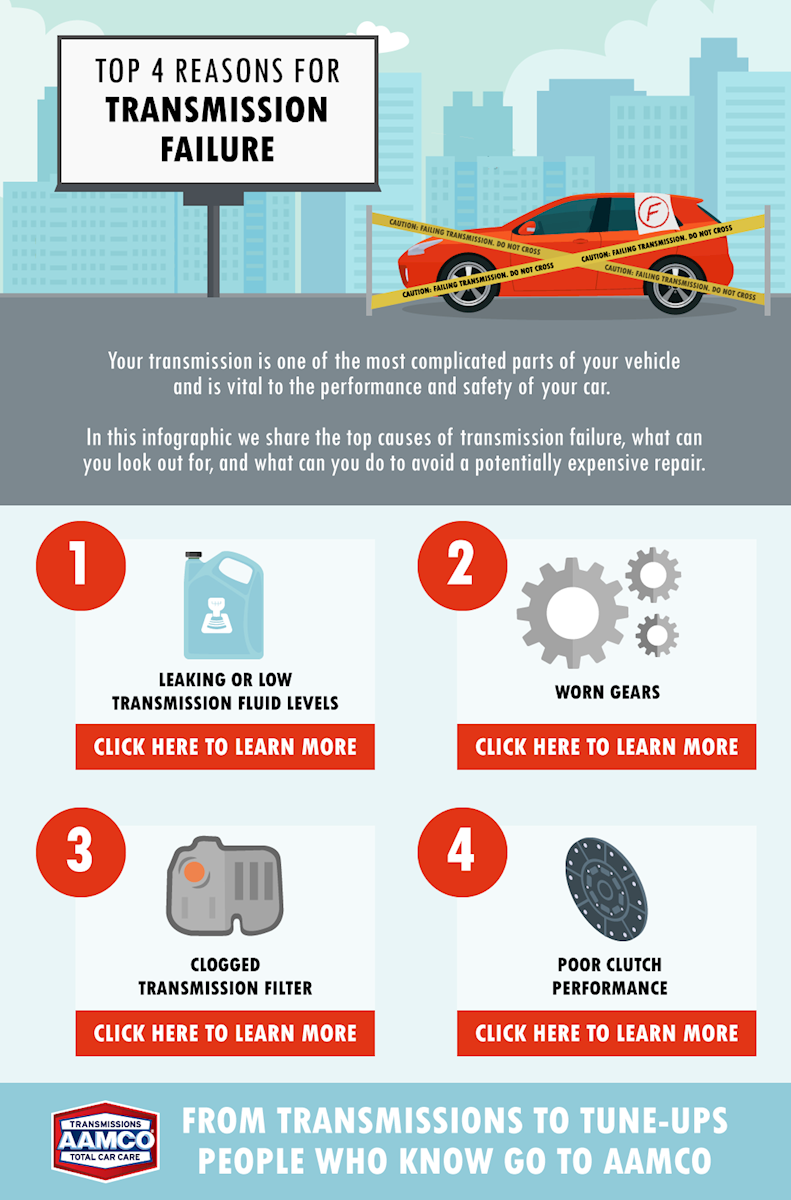
Understanding Transmission Repair Costs
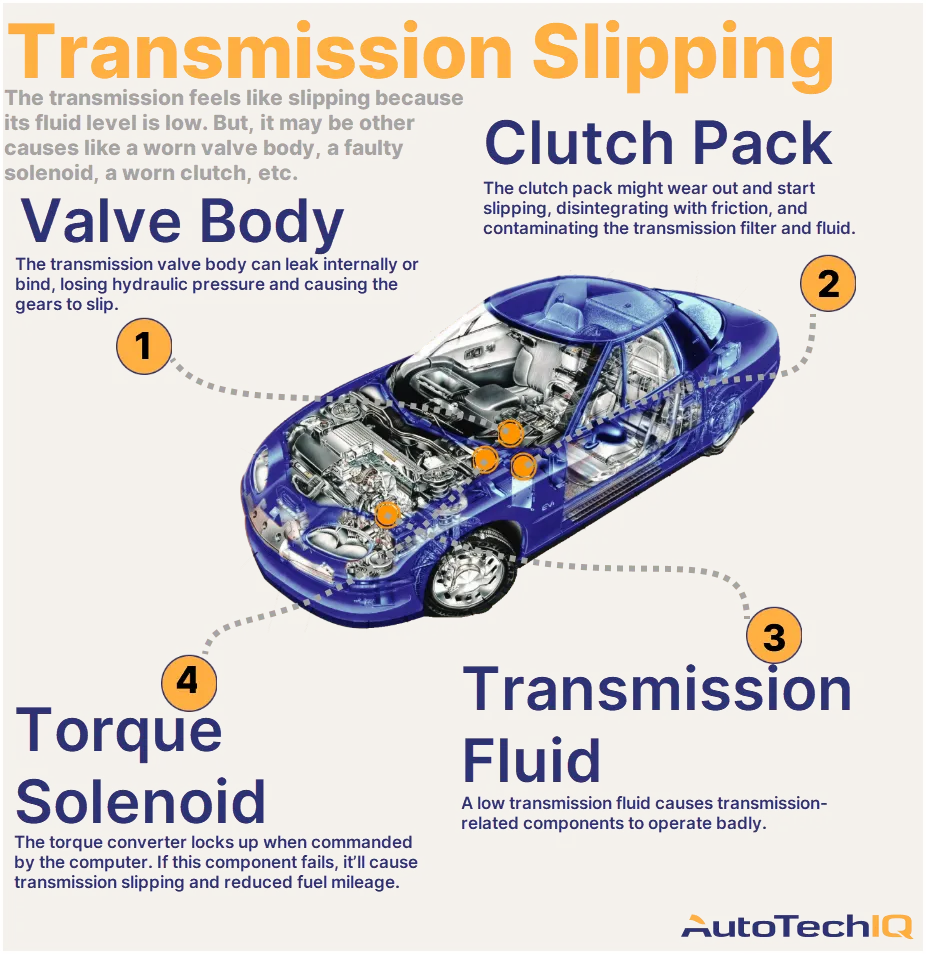
Minor transmission issues, such as a faulty sensor, a leak, or a solenoid problem, can sometimes be repaired without a full unit replacement. These repairs might range from a few hundred dollars to over $1,500, depending on the specific component and labor involved. While still significant, these are often preferable to the much higher costs associated with more extensive damage. However, diagnosing the precise issue can be complex, and what seems like a minor problem could be a symptom of a deeper, more expensive failure.
The High Price of a New Transmission
Replacing a transmission with a brand-new unit is typically the most expensive option. A new transmission can cost anywhere from $3,000 to $8,000, and often even higher for luxury vehicles or those with specialized transmissions (e.g., dual-clutch or CVT). This cost primarily covers the parts, but labor, which can be extensive due to the complexity of the job, will add another $500 to $1,500 or more. For many vehicles, particularly older models, the cost of a new transmission can exceed the car’s current market value, leading to a difficult financial decision. This scenario often forces owners to consider if pouring more money into an aging asset is a financially sound choice.
Weighing Used vs. Rebuilt Transmissions
A financially savvier approach for some might be to opt for a rebuilt or used transmission. A rebuilt transmission involves disassembling the original unit, replacing worn or damaged parts with new ones, and reassembling it to factory specifications. This process is typically performed by a specialized shop and often comes with a warranty. The cost for a rebuilt transmission generally falls between $2,000 and $5,000, offering a significant saving over a brand-new unit while providing renewed reliability.
Used transmissions, often sourced from salvage yards, are the cheapest option, typically ranging from $1,000 to $2,500, plus labor. However, they come with the highest risk. While some reputable salvage yards test their components and offer limited warranties, there’s no guarantee regarding the used unit’s history or remaining lifespan. This gamble could lead to another transmission failure sooner rather than later, effectively doubling down on repair costs and creating a cycle of unexpected expenses. The financial decision here hinges on risk tolerance and the perceived value of the vehicle post-repair.
Beyond the Garage: Collateral Financial Impact
The direct repair costs are only one piece of the financial puzzle. A transmission failure can trigger a cascade of secondary expenses and financial repercussions that extend far beyond the mechanic’s bill.
Transportation Costs and Lost Income
While your vehicle is in the shop, you’ll need an alternative mode of transportation. This could involve renting a car, which can quickly add hundreds of dollars to your expenses, especially if the repair takes several days or weeks. Public transport, ride-sharing services, or relying on friends and family might be cheaper alternatives, but they often come with their own costs in terms of time, convenience, and flexibility.
For individuals who rely on their vehicle for work — such as gig economy drivers, sales professionals, or those with long commutes — a transmission failure can directly lead to lost income. The inability to work, or the added expense of alternative transport to perform work, directly erodes earning potential during the repair period. This loss of income, combined with repair costs, can quickly strain even well-managed personal finances.
Impact on Insurance and Resale Value
A major mechanical failure like a transmission going out typically doesn’t directly impact your auto insurance premiums unless it’s related to an accident where the transmission damage is covered. However, if you decide to replace the vehicle rather than repair it, your insurance considerations will shift to a new vehicle policy.
More significantly, a major transmission repair or replacement can affect your vehicle’s resale value, though this impact can be complex. If the repair is performed by a certified mechanic using quality parts and is documented, it might actually enhance the vehicle’s value by demonstrating its renewed reliability. Conversely, if the vehicle has a history of major mechanical failures, even if fixed, it can raise red flags for potential buyers, making it harder to sell and potentially lowering the asking price. Unrepaired, a car with a bad transmission is often valued at scrap prices, representing a near-total financial loss of the vehicle’s market value.
Unexpected Financial Stressors
Beyond the quantifiable costs, a transmission failure introduces significant financial stress. The sudden, large, and often unexpected expense can disrupt financial plans, deplete emergency savings, or even necessitate taking on debt. For those living paycheck to paycheck, it can be a catastrophic event, potentially leading to missed bill payments, increased interest charges on credit cards, or difficulty meeting other essential financial obligations. The mental toll of these financial pressures should not be underestimated, as it can impact overall well-being and productivity.
Strategic Financial Decisions When a Transmission Fails
When faced with a defunct transmission, vehicle owners must engage in a careful financial analysis to determine the most prudent path forward. This isn’t just about fixing a car; it’s about making a significant investment decision.
The “Fix It or Ditch It” Conundrum
This is the central question for many: is it financially wiser to repair the existing vehicle or to use the potential repair money as a down payment for a new or used car? To answer this, consider the “100% Rule” or the “50% Rule” — if the cost of the repair is more than 50% of the car’s current market value, or if total annual repair costs exceed 100% of its value, it might be time to replace it. A transmission failure often pushes vehicles into this territory.
Factors to consider include:
- Vehicle Age and Mileage: Older cars with high mileage might be more prone to other expensive failures in the near future.
- Overall Condition: Is the rest of the car in good shape (tires, brakes, engine, body)? If not, a transmission repair might just be the first of many costly issues.
- Sentimental Value: While not purely financial, emotional attachment can influence decisions, but it shouldn’t overshadow sound financial logic.
Assessing Vehicle Value and Remaining Lifespan
Before making any decision, accurately determine your vehicle’s current market value using resources like Kelley Blue Book (KBB) or Edmunds. Compare this value to the estimated repair cost. If the repair cost significantly approaches or exceeds the car’s value, the depreciation hit you would take by selling it “as-is” might not be much more than the cost of the repair.
Furthermore, consider the potential remaining lifespan of the vehicle after the transmission repair. If repairing the transmission gives you another 3-5 years of reliable service for a reasonable cost, it might be a better financial decision than taking on a new car payment and increased insurance costs. Conversely, if other major components are likely to fail soon, the transmission repair becomes a less attractive investment.
Exploring Financing Options for Major Repairs
If you decide to repair, financing the expense is often necessary. Options include:
- Emergency Fund: Ideally, a robust emergency fund should cover such unexpected costs, avoiding debt.
- Savings Account: If no dedicated emergency fund, tapping into general savings might be necessary.
- Credit Cards: While convenient, credit cards often carry high interest rates. If used, have a clear plan to pay off the balance quickly to avoid accumulating significant interest debt.
- Personal Loan: Banks and credit unions offer personal loans, which often have lower interest rates than credit cards.
- Auto Repair Loans: Some dealerships and independent repair shops offer specific financing plans for major repairs, often through third-party lenders. Scrutinize interest rates and terms carefully.
- Home Equity Line of Credit (HELOC): For homeowners, a HELOC can offer lower interest rates, but it uses your home as collateral, carrying greater risk.
Each financing option has its own set of financial implications, from interest accrual to credit score impact. Careful consideration of your current financial situation and debt capacity is paramount.
Proactive Financial Planning for Automotive Catastrophes
While a transmission failure is often unforeseen, the financial readiness to handle it can be cultivated through proactive planning. Integrating automotive maintenance and potential repair costs into your long-term financial strategy is a hallmark of sound personal finance.
Building an Emergency Fund for Car Repairs
A dedicated automotive emergency fund is arguably the most effective financial buffer against major car breakdowns. Experts recommend having at least 3-6 months’ worth of living expenses saved in an easily accessible account. Within this, earmarking a portion for vehicle maintenance and unexpected repairs can prevent the need to dip into other critical savings or resort to high-interest debt. Consistently contributing a small amount monthly can build a substantial fund over time, turning a potential financial crisis into a manageable expense.
The Value of an Extended Warranty (and its Limits)
For newer vehicles, an extended warranty (service contract) can offer peace of mind against costly repairs, including transmission failure, after the manufacturer’s warranty expires. However, these contracts come with their own costs and limitations.
- Cost vs. Benefit: Evaluate the price of the extended warranty against the likelihood and potential cost of covered repairs. Do the math to see if it makes financial sense for your specific vehicle and driving habits.
- Coverage Exclusions: Understand precisely what the warranty covers and, more importantly, what it doesn’t. Some warranties have strict conditions regarding maintenance and specific component coverage.
- Deductibles: Most extended warranties have a deductible per repair visit, which you’ll still be responsible for.
- Provider Reliability: Research the warranty provider’s reputation and financial stability. A warranty is only as good as the company backing it.
While an extended warranty can mitigate financial risk, it’s a calculated financial product that requires careful analysis to ensure it aligns with your financial goals and offers genuine value.
Regular Maintenance as a Financial Safeguard
Preventative maintenance is the single most cost-effective strategy to prolong your transmission’s life and avoid catastrophic failure. Regular transmission fluid changes, filter replacements, and prompt attention to minor issues (like leaks or unusual shifting) can prevent thousands of dollars in future repair costs. While maintenance has its own expenses, they are predictable and significantly less than the cost of a full transmission overhaul or replacement. Viewing maintenance as an investment in your vehicle’s longevity and financial reliability, rather than just an expense, is key.
Understanding Your Auto Loan Implications
If your vehicle is still under an auto loan when the transmission fails, the financial situation becomes more complicated. You are still responsible for loan payments, even if the car is undrivable. If you decide not to repair the vehicle, you might be stuck paying for a car you can’t use or sell for its full value. This situation, known as being “upside down” or having negative equity, means you owe more on the loan than the car is worth. If you trade in or sell a damaged vehicle, the remaining loan balance must still be paid, potentially rolling into a new car loan or requiring a significant out-of-pocket payment. Thoroughly understanding your loan terms and current vehicle equity is vital when making a decision about a severely damaged vehicle.
Navigating the Repair Process as a Savvy Consumer
Even after making the “fix it” decision, the financial journey isn’t over. Smart consumer practices can help mitigate costs and ensure you’re getting the best value for your money.
Getting Multiple Quotes and Understanding Estimates
Never settle for the first quote. Obtain at least two or three detailed estimates from different reputable transmission shops or general mechanics specializing in transmissions. Compare not only the total price but also the breakdown of parts, labor hours, and specific services included. Be wary of significantly lower quotes, as they might indicate shortcuts or lower-quality parts. A clear, itemized estimate is a financial safeguard, ensuring transparency and preventing unexpected charges.
The Importance of a Reputable Mechanic
Choosing a trustworthy and experienced mechanic is paramount. A skilled technician can accurately diagnose the problem, recommend the most cost-effective solution, and perform the repair correctly the first time. Look for shops with ASE certifications, positive customer reviews, and clear communication. A reputable shop will also stand behind its work with a warranty, providing financial protection against future related failures. The upfront effort in finding the right mechanic can save you money and headaches in the long run.

When to Cut Your Losses and Move On
Ultimately, sometimes the most financially responsible decision is to walk away. If the repair costs are too high relative to the car’s value, if financing options are unfavorable, or if the vehicle’s overall condition suggests a cascade of future problems, selling the car for parts or scrap might be the best option. This avoids throwing “good money after bad” and allows you to put those funds towards a more reliable replacement vehicle. While emotionally difficult, recognizing when a vehicle has reached the end of its financially viable life is a crucial aspect of sound personal finance.
aViewFromTheCave is a participant in the Amazon Services LLC Associates Program, an affiliate advertising program designed to provide a means for sites to earn advertising fees by advertising and linking to Amazon.com. Amazon, the Amazon logo, AmazonSupply, and the AmazonSupply logo are trademarks of Amazon.com, Inc. or its affiliates. As an Amazon Associate we earn affiliate commissions from qualifying purchases.