
In the world of real estate investment and property development, every inch of a floor plan is a calculation of cost versus return. While an amateur might view a kitchen renovation through the lens of aesthetics, a seasoned investor views it as a strategic deployment of capital. One of the most critical, yet frequently overlooked, metrics in this calculation is the standard cabinet height.
Understanding “what is standard cabinet height” is not merely a design requirement; it is a fundamental component of business finance and asset valuation. Whether you are flipping a residential property, managing a multi-family portfolio, or developing commercial office spaces, adhering to—or strategically deviating from—industry standard dimensions can significantly impact your bottom line, labor costs, and the ultimate liquidity of the asset.

The Economics of Standardization: Why 36 Inches Governs the Market
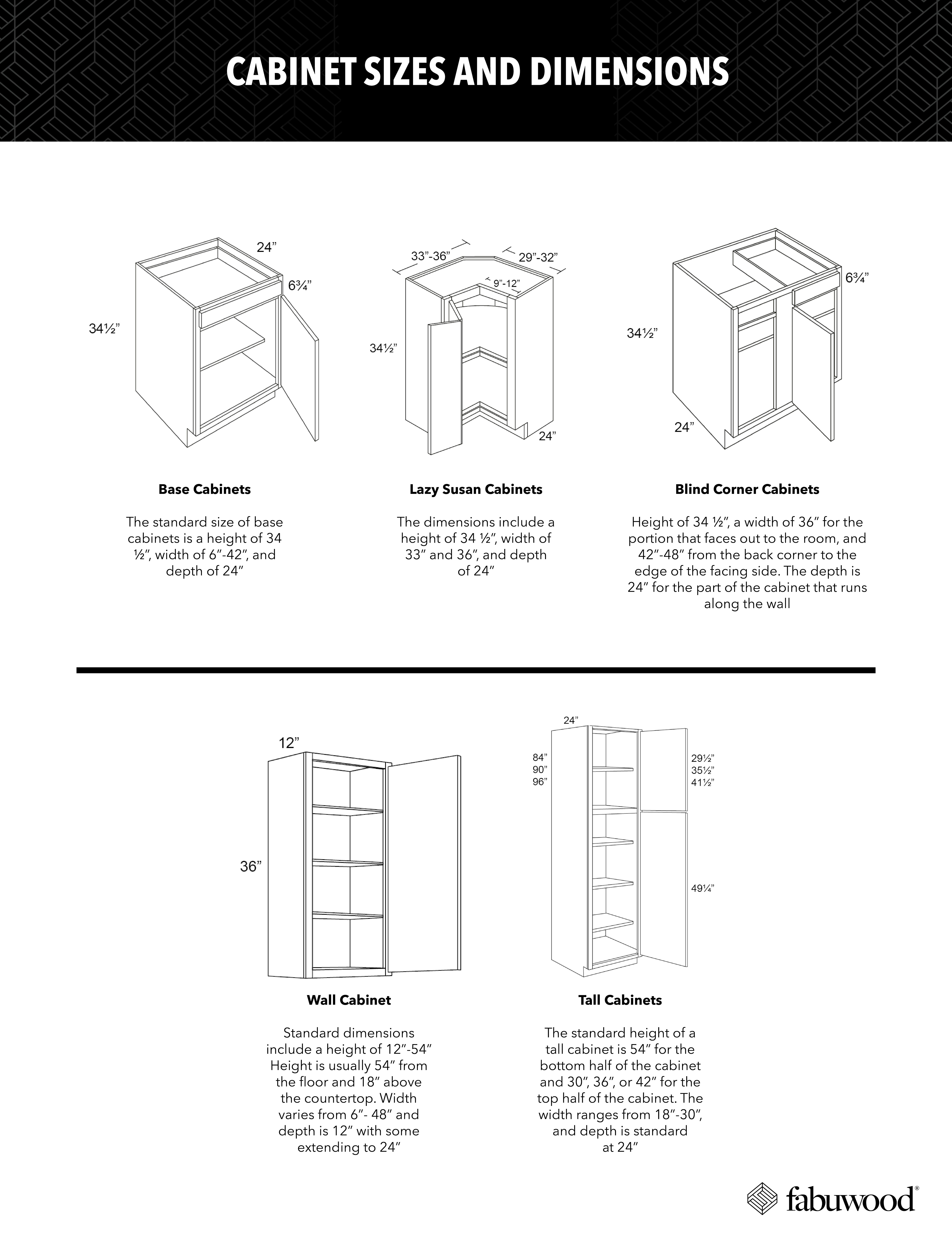
The universal standard for base cabinet height in the North American market is 36 inches. This figure is not arbitrary; it represents a convergence of ergonomic research, manufacturing efficiency, and historical data on buyer preferences. For an investor, this number is the bedrock of a cost-effective renovation strategy.
Economies of Scale in Manufacturing
When you opt for the standard 36-inch base cabinet (which typically includes a 34.5-inch cabinet box and a 1.5-inch countertop), you are tapping into a massive global supply chain. Because the vast majority of cabinet manufacturers produce to these specifications, the “per unit” cost is significantly lower than custom alternatives. For a developer overseeing a 50-unit apartment complex, the difference between “standard” and “custom” can represent a six-figure variance in Capital Expenditure (CapEx).
Reducing Labor Arbitrage and Installation Costs
Standardization simplifies the labor required for installation. General contractors and specialized installers can work faster when dealing with predictable dimensions. When cabinets are standard height, the associated plumbing, electrical outlets, and gas lines can be roughed in according to “code-standard” heights without the need for specialized architectural drawings. This predictability reduces the risk of expensive change orders and mid-project delays, ensuring that the property reaches the “ready-for-lease” or “ready-for-sale” stage as quickly as possible.
Impact on Appliance Compatibility
From a financial perspective, the kitchen is often the most expensive room in a property. Standard 36-inch base cabinets are designed to be flush with standard dishwashers, ranges, and under-counter wine fridges. Deviating from this height creates a “cascading cost” effect. If a counter is too low, a standard dishwasher won’t fit; if it is too high, you leave unsightly gaps that require custom trim work. Both scenarios result in a less professional finish that can hurt the final appraisal value.
Maximizing ROI Through Vertical Storage: Wall Cabinet Strategies
While base cabinets are strictly standardized at 36 inches, wall cabinets offer more flexibility. For an investor, choosing the right height for upper cabinets is a balancing act between upfront material costs and the “perceived value” that allows for higher rental premiums or a higher sale price.
The 30-Inch vs. 42-Inch Debate
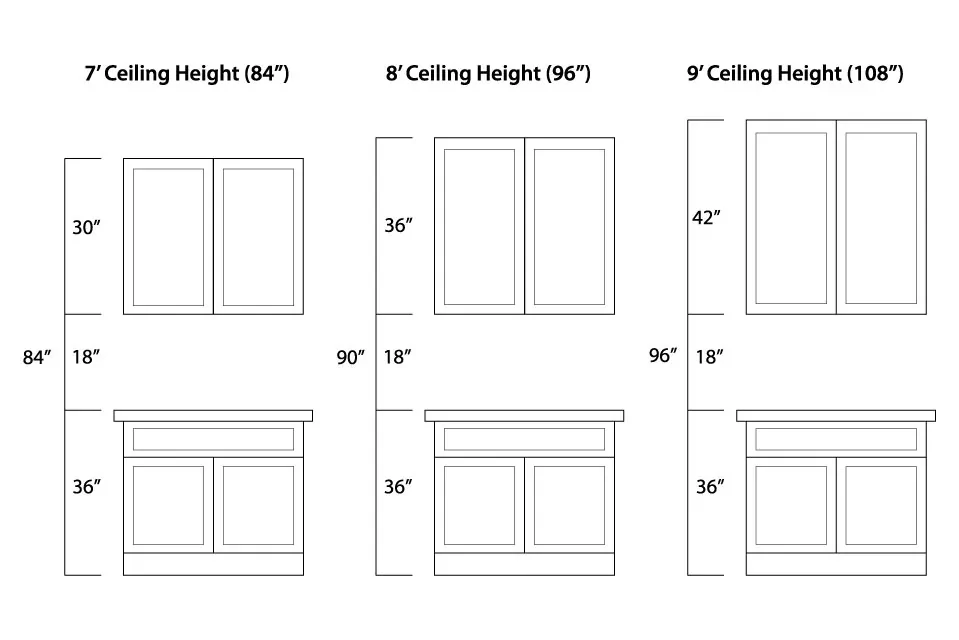
Typically, wall cabinets come in heights of 30, 36, or 42 inches.
- The 30-Inch Option: This is the budget-friendly choice. It is ideal for low-to-mid-tier rental properties where the goal is to provide a functional kitchen at the lowest possible entry point.
- The 42-Inch Option: For high-end flips or “Class A” luxury rentals, 42-inch cabinets are often the superior financial move. Although they cost approximately 15-25% more than 30-inch units, they reach all the way to the ceiling (when paired with standard 8-foot ceilings). This creates a “custom look” and maximizes storage, which are two of the highest-rated features for prospective buyers. The incremental cost is often recouped multiple times over in the final valuation.
Calculating the Value of the “Clearance Space”
The standard distance between the top of the base counter and the bottom of the upper cabinets is 18 inches. This is a critical dimension for the “Money” niche because it dictates the usability of the workspace. If an investor installs cabinets too low to save on material, they may render the counter unusable for modern small appliances (like high-end espresso machines or stand mixers). This oversight can lead to longer “Days on Market” (DOM) as buyers perceive the kitchen as cramped or poorly designed.
Strategic Use of Crown Molding
In many investment scenarios, using a 36-inch upper cabinet with a generous 6-inch crown molding is a more cost-effective way to achieve a “floor-to-ceiling” look than buying 42-inch cabinets. This is a classic example of “design arbitrage”—using lower-cost materials and smart finishing to mimic the look of high-end custom millwork, thereby increasing the property’s “Appraised Value” without a proportional increase in “Hard Costs.”
Asset Valuation and the Risk of “Custom” Dimensions
In the world of personal finance and real estate, liquidity is king. A liquid asset is one that can be sold quickly at its fair market value. One of the quickest ways to “de-liquidize” a real estate asset is to install “custom-height” cabinetry that caters to a niche demographic while alienating the broader market.
The Tall and Short of Resale Value
Occasionally, a homeowner might install 38-inch base cabinets because they are personally very tall. While this provides them with ergonomic comfort, it represents a significant financial liability when it comes time to sell. Most buyers will see non-standard cabinet heights as a “defect” that requires a full kitchen gut-remodel to fix. As an investor, your goal is to appeal to the 95th percentile of the market. Sticking to the 36-inch standard ensures that your asset remains attractive to the widest possible pool of buyers.
Accessibility Standards and Tax Credits (ADA Compliance)
In commercial real estate and multi-family housing, “standard” takes on a legal definition through the Americans with Disabilities Act (ADA). ADA-compliant base cabinets usually sit at a maximum of 34 inches. For developers, incorporating a percentage of these units isn’t just a legal requirement; it can also open the door to specific federal tax credits and grants. Understanding these specific “standard” variations allows an investor to leverage government incentives to offset construction costs.
The “Appraisal Gap” in Kitchen Renovations
Appraisers look at “comps” (comparable sales) in the area. If every sold house in the neighborhood has standard-height, high-quality cabinetry and your property has odd-sized or poorly hung cabinets, the appraiser will likely apply a “functional obsolescence” discount to your property’s value. In a tight lending environment, a lower appraisal can break a “Refinance” deal, trapping your capital in the property and preventing you from moving on to the next investment.
Capital Allocation: When to Spend and When to Save
Strategic budgeting in cabinetry is about knowing where to allocate your capital for the highest impact. Not all “standard” cabinets are created equal, and the savvy investor knows how to differentiate between height, depth, and material quality to maximize their Internal Rate of Return (IRR).
Grade of Material vs. Dimension
You can buy a standard 36-inch cabinet in particle board, MDF, or plywood. From a business finance perspective, the choice should be dictated by the “exit strategy” of the property.
- For a Flip: Plywood is often preferred because “solid wood” is a powerful marketing term that justifies a higher price point.
- For a Long-Term Rental: High-quality MDF with a durable thermofoil finish may have a better “Net Present Value” (NPV) because it resists moisture damage from tenants better than wood, reducing long-term maintenance costs.
The Role of Island Heights in Open-Plan Yields
In modern residential investing, the kitchen island is the focal point. Many investors choose to implement a “tiered” island—36 inches for the prep area and 42 inches for the bar-seating area. This 42-inch “standard bar height” is a psychological trigger for luxury. It separates the “work” of the kitchen from the “leisure” of the living space. By adding this vertical variation, you can often command a higher rental rate by marketing the unit as an “entertainer’s dream.”
Managing the Supply Chain Risk
In the current economic climate, supply chain disruptions can eat into an investor’s margins through “holding costs” (mortgage interest, taxes, and insurance paid while the property sits empty). Standard-height cabinets are almost always “In-Stock” items. By choosing standard dimensions, you mitigate the risk of waiting 12–16 weeks for custom units. In a high-interest-rate environment, saving three months of holding costs can be more profitable than the incremental increase in value a custom kitchen might provide.
Conclusion: The Bottom Line on Cabinet Heights
In the context of wealth building and property management, the question “what is standard cabinet height” is answered not in inches, but in dollars and cents. The 36-inch base and the 18-inch backsplash clearance are more than just design rules—they are the parameters of a stable, predictable, and profitable investment.
By adhering to these standards, real estate professionals can ensure:
- Lower CapEx through mass-market manufacturing.
- Higher Liquidity by appealing to the broadest possible buyer demographic.
- Faster Project Completion by utilizing a standardized labor force and off-the-shelf components.
- Optimized Valuation by avoiding the “functional obsolescence” of custom heights.
Whether you are calculating the potential ROI on a fixer-upper or drafting the pro forma for a new development, remember that the standard cabinet height is a foundational metric for financial success in the built environment. Stick to the standards to protect your margins, and deviate only when the projected increase in asset value clearly outweighs the substantial costs of customization.
aViewFromTheCave is a participant in the Amazon Services LLC Associates Program, an affiliate advertising program designed to provide a means for sites to earn advertising fees by advertising and linking to Amazon.com. Amazon, the Amazon logo, AmazonSupply, and the AmazonSupply logo are trademarks of Amazon.com, Inc. or its affiliates. As an Amazon Associate we earn affiliate commissions from qualifying purchases.