
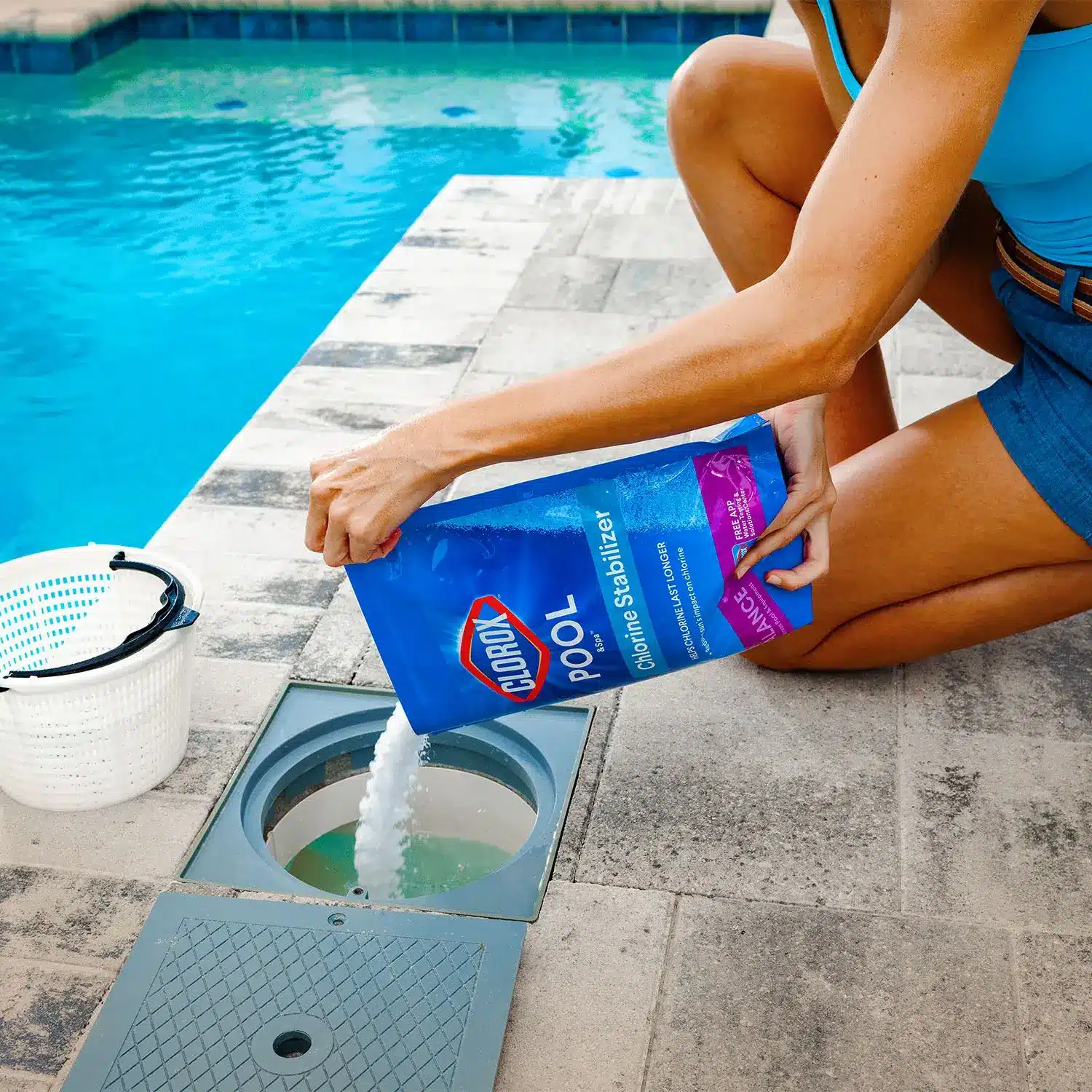
Understanding the role of a stabilizer in your swimming pool isn’t just about chemistry; it’s a critical component of smart personal finance, astute business management for pool professionals, and a significant factor in protecting a substantial investment—your pool itself. At its core, a pool stabilizer, most commonly Cyanuric Acid (CYA), acts as a sunscreen for your chlorine. Without it, the sun’s ultraviolet (UV) rays rapidly degrade the free chlorine in your pool water, rendering it ineffective within hours. From a financial perspective, this rapid degradation translates directly into escalating costs, unnecessary expenditures, and potential long-term liabilities.
The Financial Imperative of Pool Stabilization
The decision to use or neglect pool stabilizer has profound implications for your wallet, whether you’re a homeowner managing a private pool or a business operating commercial aquatic facilities. It shifts the pool from a manageable asset to a financial drain, making stabilization a non-negotiable aspect of responsible pool ownership and operation.
Protecting Your Chlorine Investment
Chlorine is the backbone of pool sanitation, responsible for killing bacteria, viruses, and algae. It’s also one of the most significant recurring expenses in pool maintenance. When unprotected by CYA, chlorine dissipates at an alarming rate, often losing up to 90% of its effectiveness within a few hours on a sunny day. This isn’t just a waste of chemicals; it’s a direct financial bleed.
Consider the cost of granular chlorine, liquid chlorine, or chlorine tablets. Each dose is an investment in sanitary water. Without stabilizer, much of that investment literally evaporates into thin air. Pool owners find themselves in a constant battle, adding more and more chlorine to maintain minimum sanitation levels, only to see it vanish. This cyclical overconsumption leads to significantly higher monthly and annual chemical budgets. For a residential pool, this could mean hundreds of dollars extra per year; for a commercial pool, it could easily run into thousands, impacting overall operational profitability. Properly stabilized pools require less frequent chlorine additions and maintain residual chlorine levels more efficiently, resulting in substantial savings over time. This makes CYA not merely an additive, but a strategic financial tool that safeguards your primary sanitizing expenditure.
Preventing Costly Pool Damage and Repairs
Beyond the immediate chemical costs, an unstabilized pool faces a heightened risk of severe water quality issues that can lead to expensive damage and repairs. Without sufficient chlorine protection, algae blooms become a constant threat. Treating a green pool isn’t cheap; it requires large doses of shock treatment, algaecides, and extended filtration, all of which consume more chemicals, electricity, and time. If left unchecked, persistent algae can stain pool surfaces, requiring professional cleaning or even acid washing, which are significant expenses.
Furthermore, imbalances caused by the constant struggle to maintain chlorine can lead to broader water chemistry issues. Low or fluctuating chlorine levels can contribute to corrosive water, which can prematurely degrade expensive pool equipment like pumps, heaters, and filters. The rubber seals, plastic components, and metal parts within these systems are susceptible to damage from prolonged exposure to imbalanced or highly aggressive water. Replacing a pool heater, pump motor, or filter system can cost thousands of dollars—a far cry from the modest annual investment in CYA. Stabilizer, therefore, acts as a preventative investment, ensuring the longevity and optimal performance of your pool’s vital infrastructure, thereby protecting your original capital investment in the pool and its associated equipment.
Stabilizer as an Essential Budget Item
Integrating stabilizer into your pool maintenance budget isn’t optional; it’s a fundamental aspect of sound financial planning for any pool owner or business. It allows for predictable expenditure, mitigates risk, and maximizes the return on your overall pool investment.
Calculating the Long-Term ROI of Cyanuric Acid
The Return on Investment (ROI) for Cyanuric Acid is compelling. While there’s an upfront cost for the product, the savings it generates far outweigh this initial outlay. To calculate this, consider the average weekly or monthly cost of chlorine without stabilizer versus with optimal stabilizer levels (typically 30-50 ppm for residential pools, higher for commercial).
For example, if an unstabilized pool requires $50 worth of chlorine per month to maintain proper levels, while a stabilized pool requires only $20, the monthly savings are $30. Over a six-month swimming season, that’s $180. The cost of CYA itself might be $20-$40 for a season’s supply, making the net savings significant.
Beyond direct chemical savings, factor in the avoidance of costly interventions:
- Algae treatment: A single severe algae bloom can cost $100-$300 in shock and algaecides, plus added electricity for extended pump run times.
- Equipment longevity: Extending the life of a $1000 pump by even one year represents substantial savings on replacement costs and labor.
- Surface protection: Avoiding the need for acid washes or resurfacing, which can run into thousands of dollars.
By framing CYA not as an expense, but as an investment that yields tangible financial returns through reduced operational costs and asset protection, its value becomes unequivocally clear. This proactive approach is a cornerstone of effective personal and business finance.
Smart Purchasing Strategies for Pool Chemicals
For both individual homeowners and pool service businesses, optimizing the purchase of pool chemicals, including stabilizer, is key to managing expenditures.
- Bulk Purchasing: Buying CYA in larger quantities (e.g., 25lb buckets) often provides a lower per-pound cost compared to smaller packages. For businesses, this is crucial for inventory management and profit margins. Homeowners can also benefit by pooling resources with neighbors or purchasing at seasonal sales.
- Seasonal Sales and Promotions: Many pool supply retailers offer discounts during off-peak seasons or as part of spring opening promotions. Strategic purchasing during these times can lead to considerable savings.
- Comparing Suppliers: Don’t limit yourself to one supplier. Online retailers, big-box stores, and local pool shops often have varying price points. Utilize price comparison apps or dedicated pool supply forums to find the best deals.
- Understanding Product Concentrations: Some stabilizers may be more concentrated or offer different formulations (e.g., liquid vs. granular). Always compare the cost per active ingredient to ensure you’re getting the best value, rather than just the lowest sticker price.
- Accurate Testing: Over-stabilization (too much CYA) can impede chlorine effectiveness, leading to the need for costly water dilution (draining and refilling), which wastes water and chemicals. Investing in a reliable test kit (or professional testing) ensures you add only what’s necessary, preventing waste and ensuring optimal chlorine performance.
These strategies empower pool owners and professionals to make informed financial decisions, turning an essential chemical purchase into a cost-saving endeavor.
Beyond Savings: Monetizing Pool Chemistry Knowledge
For individuals looking to generate online income or launch a side hustle, a deep understanding of pool chemistry, with stabilizer as a fundamental component, presents several compelling opportunities. This niche knowledge can be leveraged into tangible financial gains, transforming expertise into revenue.
Launching a Pool Service Side Hustle
The demand for reliable and knowledgeable pool service professionals is constant. Starting a pool cleaning and maintenance side hustle requires minimal upfront investment beyond basic equipment and, crucially, expertise. A thorough understanding of water chemistry, including the correct application and management of stabilizer, is a core differentiator.
Your ability to:
- Diagnose and correct water balance issues efficiently: This means knowing when and how much stabilizer to add, how to test for it, and what its ideal range is.
- Optimize chemical usage for clients: By correctly stabilizing pools, you can reduce their chlorine consumption, offering a cost-saving benefit that builds trust and client loyalty. This allows you to offer competitive pricing while maintaining healthy profit margins.
- Prevent common pool problems: Your knowledge of stabilizer helps prevent algae blooms and equipment damage, saving clients money on costly repairs and enhancing their swimming experience, leading to glowing testimonials and referrals.
Positioning yourself as an expert who can save clients money through smart chemistry (like proper stabilization) will attract business and allow you to command premium service rates. This side hustle can evolve into a full-time business, providing significant income potential.
Creating Educational Content for Online Income
The internet provides a vast platform for monetizing specialized knowledge. If you have a solid grasp of pool chemistry, you can create various forms of educational content centered around topics like “What is Stabilizer in a Pool?” and its practical implications.
Consider these avenues for online income:
- Blogging/Affiliate Marketing: Start a blog focused on pool maintenance. Write detailed articles explaining CYA, its importance, how to test for it, and common mistakes. Integrate affiliate links to recommended pool chemicals, test kits, and maintenance equipment. When readers purchase through your links, you earn a commission.
- YouTube Channel: Create video tutorials demonstrating how to add stabilizer, how to test for it, and visual explanations of its effects. Monetize through ads, sponsorships, and promoting affiliate products.
- Online Courses/E-books: Develop comprehensive digital products that delve deeper into pool chemistry. An “Ultimate Guide to Pool Water Balance” or a course on “Reducing Pool Chemical Costs” could have a dedicated module on stabilizer. These products offer a scalable income stream, selling repeatedly after initial creation.
- Consultation Services: Offer paid online consultations for pool owners struggling with complex water chemistry issues. Your expertise in areas like stabilizer management can provide tailored solutions, often at a premium rate.
By effectively communicating your expertise on topics like pool stabilization, you can build an audience and generate sustainable income streams, leveraging your practical knowledge into valuable digital assets.
Financial Tools for Optimal Pool Management
Managing a pool, like any significant asset, benefits from disciplined financial oversight. Several tools and practices can help you maintain optimal water chemistry, including stabilizer levels, while keeping your budget in check.
Budgeting Apps for Home Maintenance
Integrating pool maintenance costs into your broader household budget is crucial for financial stability. Modern budgeting apps (e.g., YNAB, Mint, Personal Capital) allow you to categorize expenses, track spending, and allocate funds specifically for pool chemicals, electricity for pump operation, and periodic services.
- Expense Tracking: Log every purchase of chlorine, stabilizer, test strips, and other supplies. This provides a clear picture of your actual spending over time.
- Budget Allocation: Set aside a specific amount each month or season for pool maintenance. Knowing these funds are earmarked helps prevent overspending in other areas and ensures you always have resources for essential items like CYA.
- Forecasting: Use past data to predict future expenses. If you know you’ll need new stabilizer in spring, you can budget for it well in advance, avoiding last-minute financial strain.
For businesses, robust accounting software tailored for service industries can provide similar benefits, tracking inventory, client billing, and operational costs with precision.

Understanding Insurance Implications of Pool Neglect
While not a direct financial tool for daily management, understanding the insurance implications of pool neglect underscores the financial importance of proper maintenance, including stabilization. A poorly maintained pool can become a liability.
- Property Damage: Persistent water chemistry issues, often stemming from unstabilized water, can lead to costly repairs not covered by standard homeowner’s insurance if deemed due to neglect. Damage to pool liners, concrete, coping, or decking due to chemical imbalances might fall into this category.
- Safety and Liability: An unhygienic or poorly maintained pool (e.g., slippery with algae, equipment malfunction due to corrosion) increases the risk of accidents. While liability insurance protects against claims, demonstrating a consistent record of proper maintenance, including chemical balance, strengthens your defense against negligence claims.
Investing wisely in chemicals like stabilizer and maintaining meticulous records of water testing and chemical additions isn’t just about good swimming; it’s about safeguarding your property investment and mitigating potential financial and legal risks. In essence, understanding “what is stabilizer in a pool” transcends simple chemistry; it becomes a cornerstone of prudent financial management and asset protection.
aViewFromTheCave is a participant in the Amazon Services LLC Associates Program, an affiliate advertising program designed to provide a means for sites to earn advertising fees by advertising and linking to Amazon.com. Amazon, the Amazon logo, AmazonSupply, and the AmazonSupply logo are trademarks of Amazon.com, Inc. or its affiliates. As an Amazon Associate we earn affiliate commissions from qualifying purchases.