
In the complex landscape of the United States financial system, identification numbers serve as the foundational keys to participation. Whether you are opening a bank account, applying for a mortgage, starting a business, or simply filing an annual tax return, the government requires a unique identifier to track your financial footprint. For the vast majority of citizens and residents, this identifier is the Social Security Number (SSN). However, for millions of others—including foreign investors, non-resident aliens, and those ineligible for an SSN—the Individual Taxpayer Identification Number (ITIN) serves as the vital alternative.
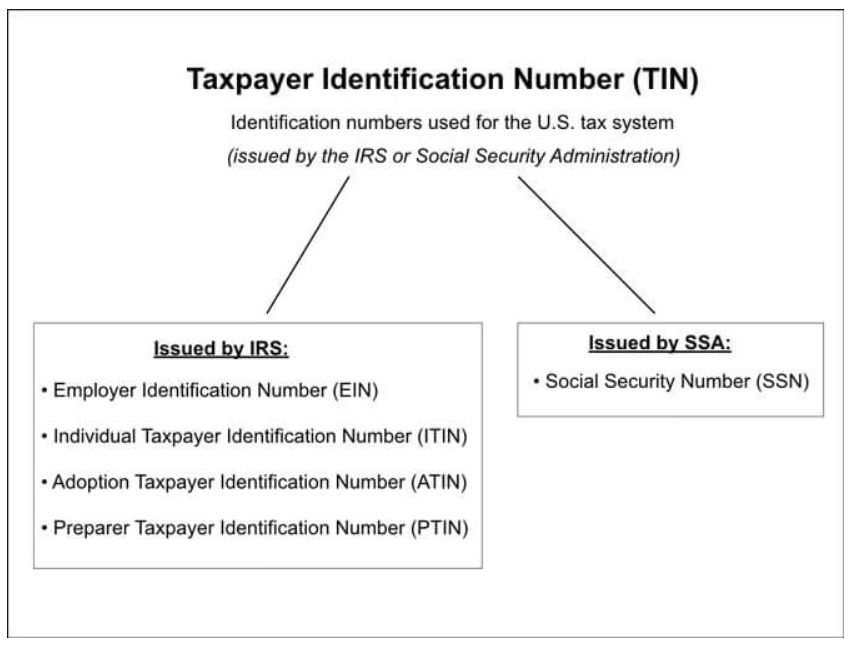
Understanding the nuances between an SSN and an ITIN is more than just a matter of bureaucratic trivia; it is a critical component of personal finance management and tax compliance. This guide explores the functions, differences, and strategic importance of these two numbers within the American financial ecosystem.
The Social Security Number (SSN): The Pillar of U.S. Personal Finance
The Social Security Number was originally created in 1936 as a way to track the earnings of U.S. workers for the purpose of Social Security benefits. Over the decades, however, its role has expanded significantly. Today, the SSN is the de facto national identification number for financial purposes, acting as the primary link between an individual and their financial history.
Eligibility and Purpose
An SSN is generally issued to U.S. citizens, permanent residents (green card holders), and temporary (non-immigrant) residents with authorization to work in the United States. The Social Security Administration (SSA) manages the issuance of these nine-digit numbers. From a financial perspective, the SSN serves two primary roles: it tracks lifetime earnings to determine future retirement and disability benefits, and it acts as a unique identifier for tax reporting to the Internal Revenue Service (IRS).
Because the SSN is tied to work authorization, it is a requirement for standard legal employment in the U.S. Employers use it to report wages and withhold payroll taxes. Without an SSN, a resident authorized to work would find it nearly impossible to receive a paycheck or contribute to the federal insurance programs that provide a safety net for aging populations.
The Role of SSN in Building Credit and Banking
Beyond taxation and benefits, the SSN is the cornerstone of the American credit system. Credit bureaus—Equifax, Experian, and TransUnion—use the SSN to aggregate an individual’s borrowing history. When you apply for a credit card, an auto loan, or a home mortgage, the lender uses your SSN to pull your credit report and evaluate your creditworthiness.
For individuals looking to build wealth, the SSN is indispensable. It allows for the creation of a “credit profile” that, if managed well, leads to lower interest rates and higher borrowing power. Most major financial institutions also require an SSN to open interest-bearing savings accounts, certificates of deposit (CDs), and brokerage accounts for stock market investing. In essence, the SSN is the primary tool for participating in the modern American economy.
Exploring the Individual Taxpayer Identification Number (ITIN): Bridging the Gap
While the SSN is the standard, it is not accessible to everyone. The IRS recognized that there are many individuals who have tax obligations in the United States but are not eligible for a Social Security Number. To solve this, the Individual Taxpayer Identification Number (ITIN) was introduced in 1996. The ITIN is a nine-digit tax processing number issued regardless of immigration status, provided the individual has a federal tax filing or reporting requirement.
Who Needs an ITIN?
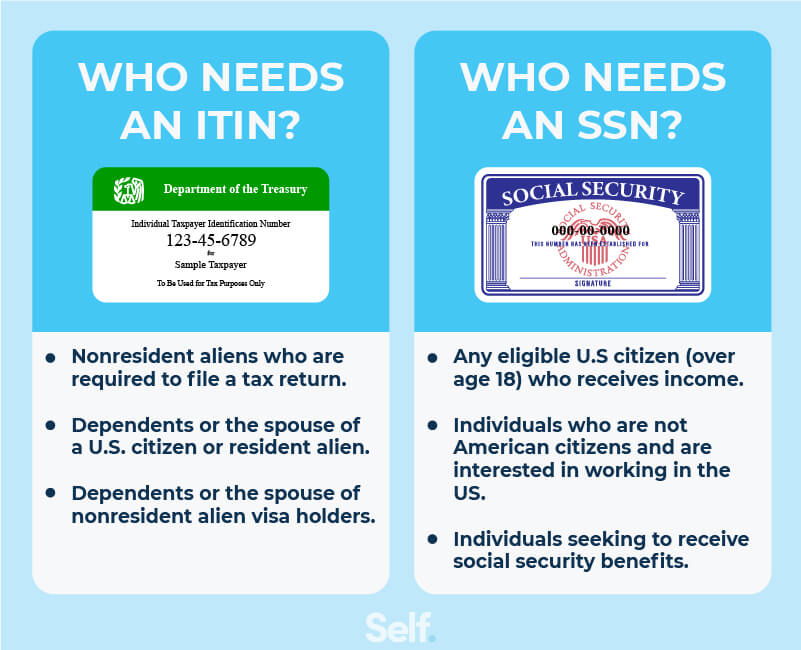
The ITIN is specifically designed for people who are ineligible for an SSN but must comply with U.S. tax laws. This includes:
- Non-resident aliens who need to claim a tax treaty benefit.
- Foreign nationals living in the U.S. who are filing a tax return.
- Dependents or spouses of U.S. citizens/resident aliens.
- Non-resident aliens who own or invest in U.S. real estate or businesses.
For the international investor, the ITIN is a powerful financial tool. It allows individuals residing outside the U.S. to invest in American markets, pay taxes on dividends or rental income, and remain in good standing with the IRS without ever needing to step foot on American soil or obtain a work visa.
Limitations and Misconceptions
It is vital to understand what an ITIN is not. Unlike an SSN, an ITIN does not authorize an individual to work in the United States, nor does it provide eligibility for Social Security benefits or the Earned Income Tax Credit (EITC). It is strictly a tax processing number.
However, a common misconception is that an ITIN cannot be used for anything other than taxes. In reality, many “ITIN-friendly” banks allow individuals to open personal or business checking accounts using an ITIN. This is a crucial distinction for entrepreneurs and immigrants who are working toward financial stability but lack an SSN. While the ITIN doesn’t grant legal work status, it does grant a degree of financial agency by allowing individuals to store capital in regulated institutions and, in some cases, begin building a credit history.
Key Differences and Strategic Financial Use Cases
While both numbers consist of nine digits and are used for tax reporting, their implications for a person’s financial life differ vastly. Understanding these differences is essential for anyone navigating the U.S. financial system, especially those in transition or those managing international business interests.
Taxation vs. Employment Authorization
The most significant difference lies in the legal right to work. An SSN is intrinsically linked to the right to earn wages in the U.S. An ITIN is not. From a business finance perspective, this means an employer cannot accept an ITIN as proof of work authorization on an I-9 form. However, a business owner who is a foreign national can use an ITIN to obtain an Employer Identification Number (EIN) for their company, allowing them to operate a U.S.-based entity, pay corporate taxes, and manage business finances legally.
This creates a strategic pathway for foreign entrepreneurs. By using an ITIN to establish a business structure (like an LLC), they can engage in the American market, hire employees (who may have SSNs), and contribute to the economy while remaining compliant with federal tax regulations.
Accessing Financial Markets and Credit Systems
One of the most profound “insider” financial tips involves the transition from an ITIN to an SSN. Many individuals begin their American financial journey with an ITIN. Over time, some banks and credit card issuers allow ITIN holders to apply for credit products. While the options are more limited than those available to SSN holders, it is possible to build a credit score using an ITIN.
If an individual later becomes eligible for and receives an SSN, they can contact the credit bureaus to “bridge” their ITIN credit history to their new SSN. This ensures that years of responsible financial behavior are not lost, allowing the individual to enter the SSN-based credit market with an established, high credit score. This strategy is a cornerstone of financial planning for new residents and immigrants looking to achieve the American dream of homeownership or business expansion.
Protecting Your Financial Identity: Security Best Practices
Whether you hold an SSN or an ITIN, these nine digits are the most sensitive pieces of data in your financial life. In the age of digital banking and online tax filing, identity theft has become a multibillion-dollar industry. Protecting these identifiers is not just about privacy; it is about protecting your financial future.
Preventing Identity Theft and Fraud
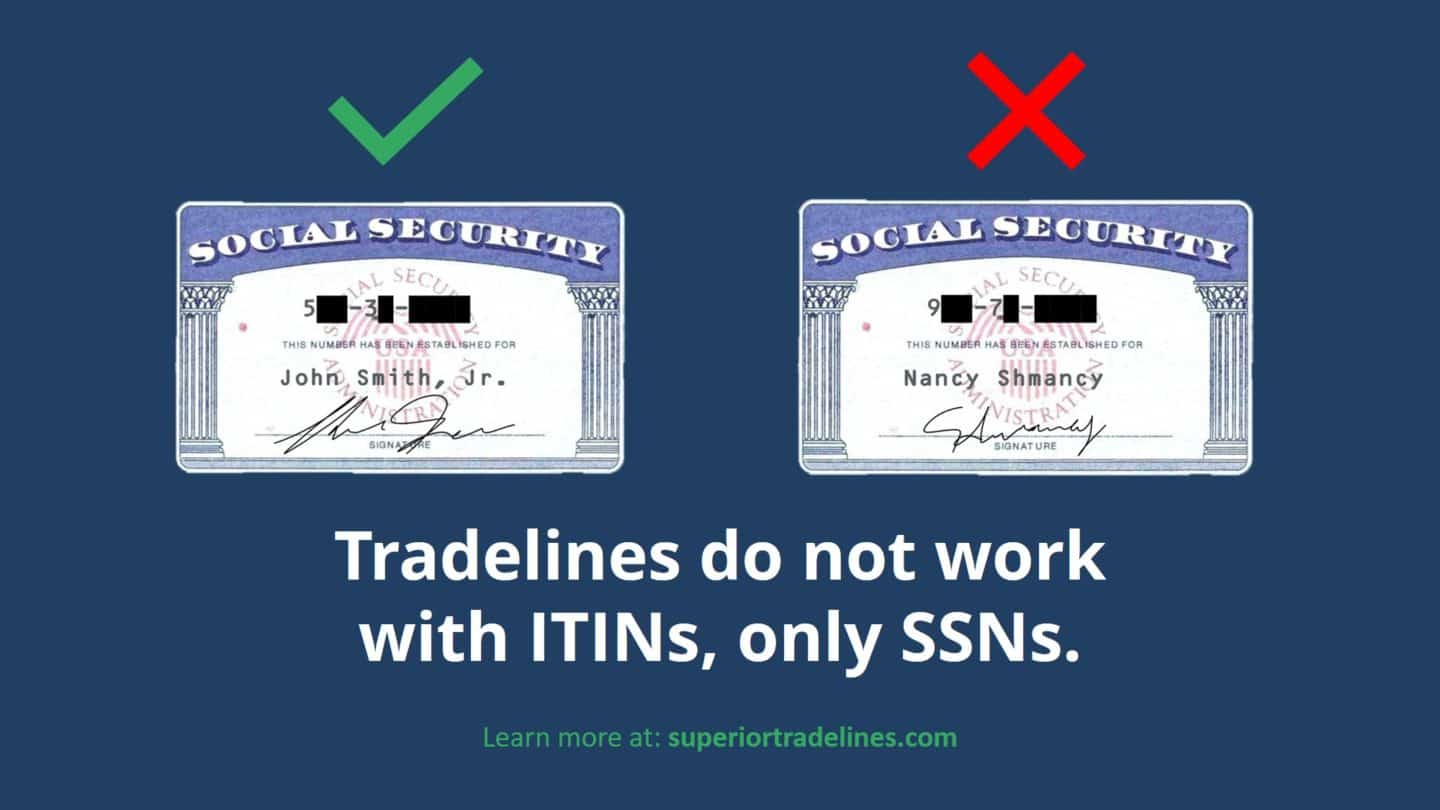
Identity thieves covet SSNs and ITINs because they can be used to open fraudulent credit accounts, claim “ghost” tax refunds, or obtain medical services under someone else’s name. To protect your financial identity, you should adhere to several strict protocols:
- Never carry your card: Unless you are going to a specific appointment that requires the physical card, keep your SSN or ITIN letter in a secure, fireproof location at home.
- Be wary of phishing: The IRS and SSA will never contact you via email or social media to ask for your number. Any such request is a red flag for fraud.
- Monitor your credit: Even if you only have an ITIN, you should regularly check for unauthorized accounts opened in your name.
- Shred documents: Any financial document, tax return, or bank statement containing your identification number should be cross-cut shredded before disposal.
Future Trends in Digital Financial Identification
As we look toward the future of personal finance, the way we use SSNs and ITINs is evolving. There is a growing movement toward “decentralized identity” and biometric verification to supplement these nine-digit numbers. Financial institutions are increasingly using two-factor authentication (2FA) and behavioral biometrics to ensure that the person providing an SSN or ITIN is the rightful owner.
However, despite these technological advancements, the fundamental reliance on the SSN and ITIN as the primary keys to the U.S. financial system remains unchanged. For the foreseeable future, these numbers will continue to be the primary tools for tax compliance, credit building, and wealth management. By understanding how they work and how to protect them, you empower yourself to navigate the complexities of the American economy with confidence and security.
aViewFromTheCave is a participant in the Amazon Services LLC Associates Program, an affiliate advertising program designed to provide a means for sites to earn advertising fees by advertising and linking to Amazon.com. Amazon, the Amazon logo, AmazonSupply, and the AmazonSupply logo are trademarks of Amazon.com, Inc. or its affiliates. As an Amazon Associate we earn affiliate commissions from qualifying purchases.