
Sponsorship, at its core, is a sophisticated marketing and brand strategy tool where a company (the sponsor) provides financial, in-kind, or resource support to an event, activity, person, or organization (the sponsee) in exchange for specific commercial benefits and association. Far from mere philanthropy or advertising, sponsorship is a strategic partnership designed to achieve defined brand objectives, build deeper connections with target audiences, and enhance a brand’s equity and reputation. It’s a dynamic interplay of value exchange, where both parties seek to leverage the other’s reach, image, or platform for mutual gain. In the complex tapestry of modern marketing, understanding “what is sponsorship” goes beyond just the exchange of money; it delves into the strategic alignment of values, the nuanced art of audience engagement, and the measurable impact on a brand’s presence and perception.

The Strategic Nexus of Brand and Engagement
At the heart of every successful sponsorship lies a deliberate strategic decision, driven by a brand’s overarching marketing and communication goals. It’s an investment in association, designed to weave a brand into the fabric of culturally relevant or personally significant experiences for its target consumers.
Defining Sponsorship in the Brand Landscape
To truly grasp sponsorship, it’s crucial to differentiate it from other forms of brand promotion. It’s not simply an act of charity, although it can carry elements of corporate social responsibility. Nor is it purely advertising, which often focuses on direct product messaging.
-
Beyond Mere Philanthropy: A Reciprocal Value Exchange: While sponsorships often involve financial contributions, their primary driver is not altruism. Brands engage in sponsorship for tangible commercial returns, even if these are indirect, such as enhanced brand image or increased loyalty. The sponsee, in turn, gains crucial resources, credibility, and potentially a wider audience through the sponsor’s endorsement. This reciprocal exchange of value forms the bedrock of every sponsorship agreement. A brand might sponsor a local youth sports team, not just to support the community, but to foster local goodwill, increase visibility among families, and position itself as a community-minded enterprise.
-
Distinguishing from Advertising: Integration vs. Interruption: Advertising typically involves purchasing media space or time to deliver a controlled message, often interrupting the consumer’s experience (e.g., TV commercials, banner ads). Sponsorship, by contrast, is about integration. It embeds the brand within an experience, an event, or a cause, making it an organic part of the consumer’s engagement. For example, a beverage company sponsoring a music festival doesn’t just run ads; its brand might be visible on stages, in lounge areas, or through experiential activations, becoming part of the festival-goer’s memory of the event itself. This integration fosters a deeper, more positive emotional connection than traditional advertising often can.
Core Objectives: Why Brands Sponsor
The motivations behind a brand’s sponsorship decisions are diverse, yet all are anchored in enhancing its market position and relationship with its audience.
-
Brand Awareness & Visibility: One of the most immediate benefits of sponsorship is increased brand exposure. By associating with popular events, prominent individuals, or significant causes, brands gain visibility among diverse and often vast audiences. This exposure translates into higher brand recognition and recall, essential for competitive markets. A logo prominently displayed at a major sporting event or a brand’s name attached to a significant cultural festival ensures it reaches millions, often repeatedly.
-
Image & Perception Enhancement: Sponsorships are powerful tools for shaping how a brand is perceived. By aligning with entities that embody specific values—be it innovation, community spirit, excellence, or sustainability—a sponsor can subtly appropriate those positive attributes for itself. A tech company sponsoring an arts festival might aim to soften its corporate image and appear more creative and culturally engaged. Similarly, supporting an environmental cause can significantly bolster a brand’s eco-friendly credentials.
-
Target Audience Engagement & Connection: Unlike mass advertising, sponsorship allows brands to precisely target specific demographics or psychographics by choosing sponsees whose audiences align perfectly with their ideal customers. Engaging with these audiences in their preferred environments (e.g., through sports, music, or niche communities) facilitates deeper, more meaningful interactions, fostering loyalty and advocacy. Brands can create immersive experiences at sponsored events, allowing consumers to interact directly with products or services in a positive, non-salesy context.
-
Market Penetration & Sales Support: While often an indirect benefit, sponsorship can certainly drive sales. Increased awareness and improved perception naturally lead to greater consideration. Furthermore, many sponsorships include opportunities for product sampling, exclusive offers for event attendees, or dedicated retail spaces, directly influencing purchasing decisions. For brands entering new markets, local sponsorships can provide immediate credibility and a warm introduction to new consumer bases.
Types of Sponsorship: Tailoring the Brand Fit
The landscape of sponsorship is incredibly varied, offering a spectrum of opportunities for brands to find their perfect fit. The choice of sponsorship type is crucial, as it dictates the nature of the brand’s engagement and its potential impact.
Event Sponsorships
Perhaps the most common form, event sponsorships involve associating with various gatherings, from global spectacles to local community fairs.
-
Sports, Music, Festivals, Conferences: This category covers a vast range. From multi-million dollar deals for naming rights of stadiums or major sporting leagues (e.g., Nike and the NBA) to sponsoring a specific stage at a music festival or a key speaker at an industry conference, event sponsorships place a brand directly in the heart of consumer passion points. The sheer volume of attendees and media coverage provides unparalleled visibility.
-
Brand Integration and Experiential Marketing: Modern event sponsorships go beyond mere logo placement. Brands seek to integrate themselves into the event experience, offering interactive activations, branded lounges, or exclusive content. This experiential approach allows consumers to touch, feel, and interact with the brand in a memorable context, fostering a deeper connection than passive observation.
Cause-Related Sponsorships
These sponsorships link a brand with social, environmental, or community initiatives, aligning corporate objectives with societal betterment.
-
Aligning with Social, Environmental, or Community Initiatives: Brands partner with charities, non-profits, or public service campaigns to support causes that resonate with their values or target audience. This could involve sponsoring a marathon for cancer research, funding a clean-up campaign for local parks, or supporting educational programs in underserved communities.
-
Building Goodwill and Corporate Social Responsibility (CSR): Cause-related marketing significantly enhances a brand’s reputation for social responsibility. Consumers increasingly prefer to buy from brands that demonstrate ethical practices and contribute positively to society. These sponsorships build goodwill, foster trust, and can be a powerful differentiator in competitive markets, appealing to the emotional and ethical dimensions of consumer choice.
Individual/Team Sponsorships
This type focuses on associating a brand with specific people or groups who have influence or a dedicated following.
-
Athletes, Influencers, Esports Teams: Sponsoring a renowned athlete (e.g., Rolex and Roger Federer), a popular social media influencer, or a professional esports team allows brands to tap into their personal brand, credibility, and highly engaged fan bases. The endorsement from a trusted figure can lend significant authenticity and desirability to a product or service.
-
Leveraging Personal Brands and Niche Audiences: These sponsorships are particularly effective for reaching niche markets. An outdoor gear company sponsoring an extreme sports athlete gains direct access to an audience passionate about adventure. A beauty brand collaborating with a makeup artist influencer connects directly with beauty enthusiasts who value authentic recommendations.
Media & Content Sponsorships
As content consumption evolves, brands are increasingly integrating themselves into digital and traditional media programming.
-
Podcasts, TV Shows, Online Content Series: This involves sponsoring specific episodes, segments, or entire series of content. Unlike traditional advertising spots, these sponsorships often feature native integration, where the brand’s message is woven into the content itself, presented by the hosts or creators.
-
Native Integration and Storytelling: The power here lies in authentic storytelling. A financial planning service sponsoring a personal finance podcast can offer expert insights as part of the content, positioning itself as a trusted resource rather than just an advertiser. This approach minimizes consumer ad fatigue and enhances message credibility.
Crafting a Winning Sponsorship Strategy
A successful sponsorship goes far beyond merely writing a check. It requires meticulous planning, strategic alignment, thoughtful execution, and rigorous measurement to ensure optimal brand impact.
Identifying the Right Fit: Alignment is Key
The most critical step in sponsorship is selecting a sponsee that genuinely aligns with the brand’s identity, values, and objectives.
-
Audience Demographics and Psychographics: The sponsee’s audience must match the sponsor’s target market. This involves delving into demographics (age, gender, income) and psychographics (lifestyles, values, interests). Sponsoring a classical music orchestra might be ideal for a luxury car brand targeting affluent individuals, while a gaming convention would suit an energy drink brand targeting a younger, tech-savvy demographic.
-
Brand Values and Messaging Consistency: The values and public image of the sponsee should be consistent with those of the sponsor. A brand known for innovation should align with forward-thinking events or individuals. A family-oriented brand should avoid associations that might be perceived as controversial or risky. Inconsistency can lead to brand dissonance and erode trust.
-
Authenticity and Credibility: The relationship must feel genuine to the consumer. If the connection between the sponsor and sponsee seems forced or purely transactional, it can undermine the effectiveness of the sponsorship. Consumers are savvy and can detect inauthentic alignments, which can lead to backlash or indifference.
Negotiation & Activation: Beyond the Cheque
Securing the right sponsorship deal is only the beginning; its activation is where the real work—and value—is created.
-
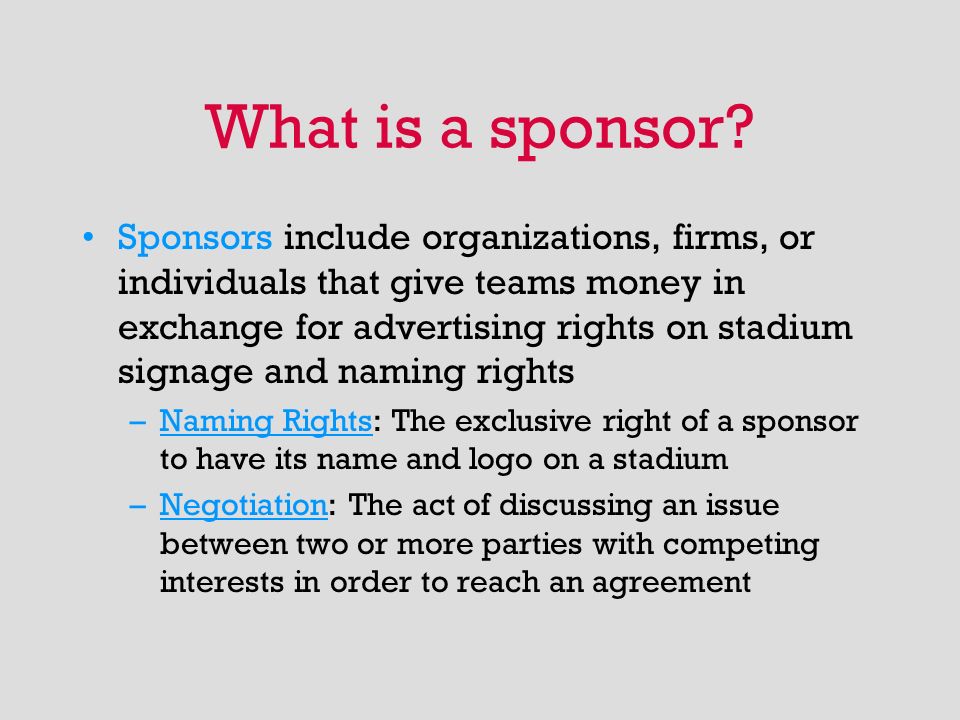
Understanding Deliverables: Signage, Naming Rights, Media Mentions, Experiential Zones: A detailed understanding of what benefits the sponsee will provide is essential. This ranges from visible elements like logo placement on banners, digital platforms, or merchandise, to more significant assets like naming rights for stages or events, guaranteed media mentions, social media shout-outs, and dedicated spaces for experiential marketing activities. Every deliverable should directly support a brand objective.
-
Leveraging Assets: Integrated Campaigns, Social Media Amplification, PR: A sponsor must actively promote its involvement to maximize ROI. This involves integrating the sponsorship into broader marketing campaigns, leveraging social media channels to amplify reach (e.g., contests, behind-the-scenes content), and engaging in public relations activities to generate earned media coverage. A sponsorship is a story to be told, not just an expense to be borne.
-
Measuring Success: Brand Lift, Engagement Metrics, Media Value: Defining clear key performance indicators (KPIs) upfront is paramount. These can include metrics for increased brand awareness (e.g., surveys before and after the event), social media engagement (likes, shares, comments), website traffic, and the equivalent advertising value of media mentions generated. Measurement ensures accountability and informs future sponsorship decisions.
Legal & Ethical Considerations
Sponsorships involve significant investments and reputational stakes, necessitating careful legal and ethical scrutiny.
-
Contractual Agreements and Exclusivity: A comprehensive contract outlining all deliverables, terms, payment schedules, duration, and termination clauses is indispensable. Exclusivity clauses, preventing competitors from sponsoring the same event or entity, are often a key negotiation point, protecting the sponsor’s investment and maximizing its competitive advantage.
-
Transparency and Disclosure Guidelines: Especially in the age of digital influencers and content creators, transparency regarding sponsored content is not just an ethical imperative but often a legal requirement. Brands and sponsees must clearly disclose their relationships to audiences to maintain trust and comply with advertising standards and consumer protection laws.
The Evolving Landscape of Brand Sponsorship
The world of sponsorship is dynamic, constantly shaped by technological advancements, shifting consumer behaviors, and innovative marketing approaches. Brands must stay abreast of these changes to harness sponsorship’s full potential.
Digital Transformation and Influencer Marketing
The rise of the internet and social media has profoundly impacted how sponsorships are conceived and executed.
-
Rise of Online Platforms and Virtual Events: Digital platforms have opened new avenues for sponsorship, ranging from virtual conferences and esports tournaments to live-streamed concerts and online content series. These offer global reach, precise targeting capabilities, and often more accessible entry points for brands.
-
Micro-influencers and Community-led Sponsorships: Beyond mega-influencers, brands are increasingly partnering with micro-influencers who, despite smaller followings, boast higher engagement rates and deep credibility within niche communities. Community-led sponsorships, where brands support local online groups or user-generated content initiatives, foster authentic connections and word-of-mouth advocacy.
Data-Driven Sponsorships
The ability to collect, analyze, and act on data has transformed sponsorship from an art into a more precise science.
-
Advanced Analytics for ROI Measurement: Sophisticated analytics tools allow brands to track sponsorship performance with unprecedented detail, measuring everything from foot traffic at event activations to sentiment shifts on social media. This data-driven approach moves beyond subjective evaluations, providing concrete ROI figures and insights for optimization.
-
Personalization and Targeted Engagement: Data enables brands to personalize sponsorship activations and messaging. By understanding consumer preferences and behaviors, brands can tailor experiences at sponsored events or through sponsored content, making interactions more relevant and impactful for individual consumers.
Experiential and Immersive Sponsorships
Creating memorable and interactive experiences is a growing trend, elevating sponsorships beyond passive viewing.
-
Creating Memorable Brand Interactions: Modern sponsorships aim to create “moments” that resonate with consumers. This could involve interactive installations at festivals, immersive brand “worlds” at virtual events, or unique product demonstrations that engage multiple senses. These experiences foster strong emotional connections and make brands unforgettable.
-
VR/AR Integration and Interactive Activations: Technologies like Virtual Reality (VR) and Augmented Reality (AR) are pushing the boundaries of experiential sponsorship. Brands can create immersive VR experiences at events or use AR filters on social media to allow consumers to interact with sponsored content in novel and engaging ways, blurring the lines between the physical and digital.
Measuring the Brand Impact of Sponsorship
While the strategic intent of sponsorship is clear, demonstrating its tangible value is crucial. Effective measurement ensures that sponsorship is a valuable investment in brand building, not just an expenditure.
Quantifying Brand Awareness & Recall
- Surveys, Media Impressions, Social Media Reach: Brands can conduct pre- and post-sponsorship surveys to track changes in brand awareness, recognition, and recall among target audiences. Media monitoring tools track mentions and estimated reach across traditional and digital media. Social media analytics provide data on impressions, reach, and mentions, offering a comprehensive view of increased visibility.
Assessing Brand Perception & Sentiment
- Brand Attribute Tracking, Sentiment Analysis: Beyond mere awareness, brands need to understand how sponsorship impacts their image. Surveys can track shifts in brand attributes (e.g., perceived innovation, trustworthiness, community involvement). Sentiment analysis tools can monitor online conversations to gauge public sentiment towards the brand in relation to the sponsorship, identifying positive or negative associations.
Linking Sponsorship to Business Outcomes
-
Website Traffic, Lead Generation, Sales (where applicable): While not always directly transactional, sponsorships can contribute to business growth. Tracking website traffic spikes during or immediately after sponsored events, monitoring lead generation from specific activations, and, in some cases, attributing direct sales through unique codes or channels associated with the sponsorship, can demonstrate its commercial value.
-
Long-term Brand Equity Building: Ultimately, sponsorship contributes to long-term brand equity—the overall value of a brand. By consistently building positive associations, enhancing reputation, and fostering loyalty, sponsorship strengthens the brand’s position in the market, making it more resilient and valuable over time.
In conclusion, “what is sponsorship” is a question that unveils a multifaceted and strategic discipline within marketing. It is a powerful instrument for brands to cultivate awareness, enhance their image, deeply engage with target audiences, and ultimately drive growth through meaningful association. As the marketing landscape continues to evolve, effective sponsorship will remain an indispensable tool for brands seeking to transcend mere transactions and forge lasting, impactful connections in the minds and hearts of consumers.
aViewFromTheCave is a participant in the Amazon Services LLC Associates Program, an affiliate advertising program designed to provide a means for sites to earn advertising fees by advertising and linking to Amazon.com. Amazon, the Amazon logo, AmazonSupply, and the AmazonSupply logo are trademarks of Amazon.com, Inc. or its affiliates. As an Amazon Associate we earn affiliate commissions from qualifying purchases.