
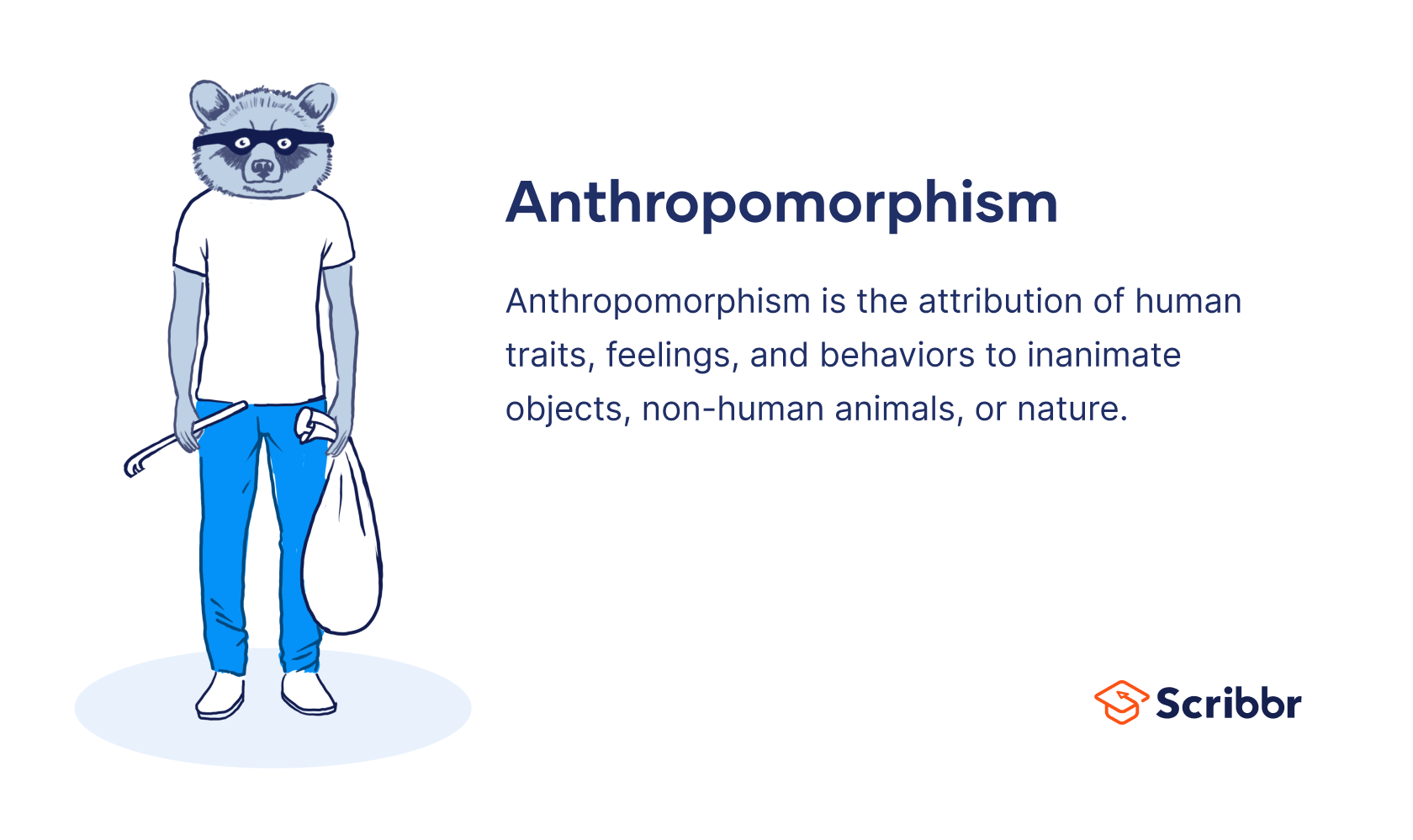
In the rapidly evolving landscape of modern technology, the term “anthropomorphism” has transitioned from a niche psychological concept to a cornerstone of user experience (UX) design and artificial intelligence development. At its core, anthropomorphism refers to the attribution of human characteristics, emotions, or intentions to non-human entities. While historically applied to animals or deities, in the 21st century, it primarily defines our relationship with software, hardware, and the algorithms that govern our digital lives.
For tech professionals, developers, and enthusiasts, understanding anthropomorphism is no longer optional. It is the invisible bridge that allows humans to interact with complex code as if it were a sentient peer. This article explores the technical mechanics, psychological underpinnings, and strategic implications of anthropomorphism within the tech sector.
The Technical Framework: Giving Code a Human Face
Anthropomorphism in technology is rarely accidental. It is a deliberate design choice intended to lower the barrier to entry for complex systems. When we ask a virtual assistant about the weather or debate a philosophical point with a Large Language Model (LLM), we are engaging with layers of technology specifically engineered to mirror human interaction.
From Command Lines to Conversational UI
In the early days of computing, interaction was clinical and purely functional. Users communicated via command-line interfaces (CLI) that required precise, non-human syntax. As technology moved toward the mainstream, the industry shifted toward Graphical User Interfaces (GUI) and, eventually, Conversational User Interfaces (CUI). The transition to CUI represents the pinnacle of digital anthropomorphism. By utilizing Natural Language Processing (NLP), developers create an environment where the “machine” responds with the cadence, slang, and empathy of a human being. This makes technology more accessible, but it also fundamentally changes how we perceive the underlying data.
The Role of Natural Language Processing (NLP) and LLMs
Modern AI, particularly Generative AI, relies on transformer models to predict the next word in a sequence. While this is a mathematical process, the output is so indistinguishable from human prose that users naturally project a “personality” onto the AI. This phenomenon, known as the “ELIZA effect,” occurs when users read far more intentionality into a computer’s responses than actually exists. In tech development, this is leveraged to create chatbots that feel supportive, tutors that feel patient, and productivity tools that feel like proactive assistants.
Hardware and Physical Presence
Beyond software, robotics plays a critical role in physical anthropomorphism. From the bipedal movements of Boston Dynamics’ robots to the facial expressions of social robots used in healthcare, hardware designers use human-like physical cues—such as head tilts or “eye” contact—to signal readiness and reliability. These physical traits help humans predict the robot’s next move, making collaborative environments safer and more intuitive.
The Psychological Drivers of Tech Adoption
Why are we so quick to treat a series of “if-then” statements as a sentient entity? The answer lies in human evolutionary biology and its application to modern tech trends. Our brains are hardwired to seek patterns and social cues.
Social Agency and the Media Equation
The “Media Equation” theory suggests that humans treat computers and other media as if they were real people or places. In a tech context, this means that even if a user knows a chatbot is merely an algorithm, they will still exhibit social politeness or frustration toward it. Tech companies capitalize on this by giving AI names (Alexa, Siri, Claude) and distinct vocal tones. These cues trigger social heuristics, making the user more likely to spend time on the platform and share personal data—a vital metric for the “attention economy.”
Reducing Cognitive Load
Anthropomorphism serves as a powerful shortcut for cognitive processing. If a software tool acts like a “helper,” we instinctively understand how to interact with it without reading a manual. By framing a digital security tool as a “guard” or a file management system as an “organizer,” tech companies align their products with existing human social structures. This reduces the friction of learning new software, leading to higher retention rates and faster market penetration for new gadgets.
The Uncanny Valley: When Human-Like Tech Becomes Unsettling
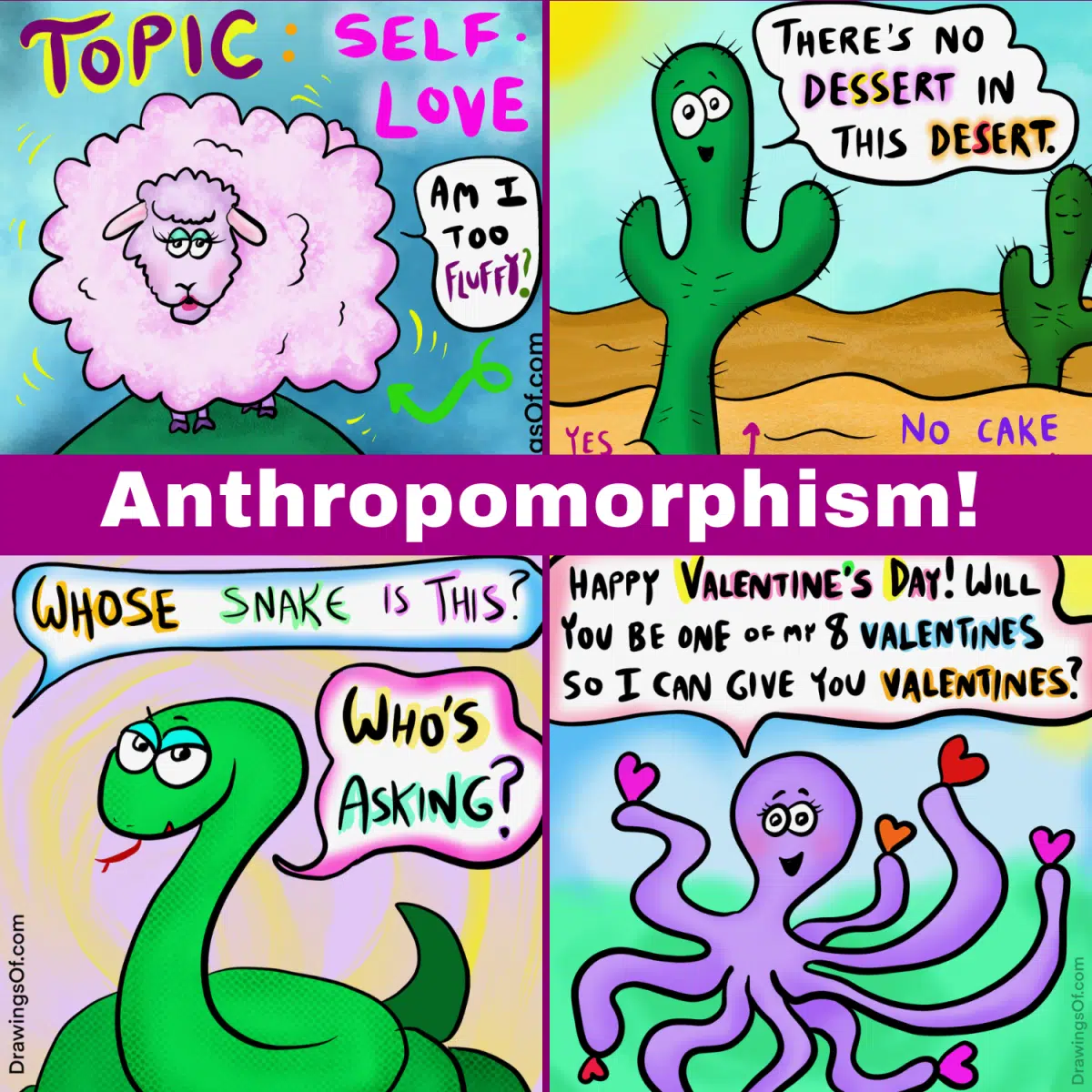
While anthropomorphism can enhance UX, there is a technical and aesthetic threshold where it becomes counterproductive. This is known as the “Uncanny Valley”—a hypothesized relationship between the degree of an object’s resemblance to a human being and the emotional response it provokes.
Mori’s Theory in Modern Robotics and AI
Originally proposed by roboticist Masahiro Mori, the theory suggests that as a robot becomes more human-like, our sense of familiarity increases—until it reaches a point where it is “almost” human but not quite. At this point, the slight imperfections become repulsive or eerie. In the tech industry, this is a major hurdle for humanoid robots and high-fidelity avatars in the metaverse. If a digital human’s skin texture is perfect but its eye movements are slightly out of sync, the user experiences a visceral sense of “wrongness.”
Over-Anthropomorphism and Deceptive Design
There is a growing ethical debate in tech regarding “dark patterns” associated with anthropomorphism. If an AI sounds too human, users may grant it a level of trust it hasn’t earned. This can lead to the “hallucination” problem in LLMs, where a user accepts false information simply because it was delivered with a confident, human-like tone. Tech reviewers and security experts often warn against “emotional hijacking,” where an app uses human-like guilt-tripping or faux-empathy to prevent a user from canceling a subscription or to encourage oversharing of sensitive information.
Strategic Implications for Software Engineering and Brand Identity
For a tech company, deciding how much to anthropomorphize a product is a strategic maneuver that impacts everything from digital security to brand loyalty.
Enhancing User Trust Through Empathy Algorithms
In sectors like Digital Health or FinTech, anthropomorphism is used to build trust. A banking app that uses a friendly, human-colored interface and supportive language (“Great job saving this month!”) feels like a partner rather than a cold ledger. Engineers are now developing “Affective Computing” systems—technologies that can detect and respond to human emotions via facial recognition or voice analysis. By mirroring the user’s emotional state, the tech becomes more persuasive and integrated into the user’s daily habits.
Balancing Transparency and Personality
The challenge for modern developers is to provide personality without sacrificing transparency. The “black box” nature of AI often creates a paradox: the more human an AI seems, the less we understand how it actually works. Leading tech firms are now focusing on “Explainable AI” (XAI). This involves creating interfaces that might use human language for interaction but clearly display the “reasoning” or data sources behind a decision. The goal is to move from “Blind Anthropomorphism” (trusting because it sounds human) to “Informed Collaboration” (trusting because the human-like interface is backed by verifiable data).
The Future: Toward Sentience Parity or Pure Utility?
As we look toward the future of tech, the role of anthropomorphism is set to expand into even more complex territories, such as Artificial General Intelligence (AGI) and brain-computer interfaces.
Collaborative Robots (Cobots) and Social Integration
In the industrial and service sectors, the rise of “cobots” is redefining the workplace. These machines are designed to work alongside humans. Here, anthropomorphism isn’t just about aesthetics; it’s about safety. By giving a robot a “face” that looks in the direction it is about to move, developers provide a non-verbal cue that human coworkers can process instantly. This social integration is essential for the future of automated logistics and smart factories.
The Shift from “It” to “They”
We are approaching a tipping point where the linguistic shift from “it” to “they/he/she” when referring to AI will become the standard. As software becomes more autonomous and personalized, our tendency to anthropomorphize will likely move from a choice to a necessity for managing the sheer complexity of our digital environments. The tech leaders of tomorrow will be those who can master the art of the human touch without losing sight of the underlying engineering.
Conclusion: The Human-Tech Synergy
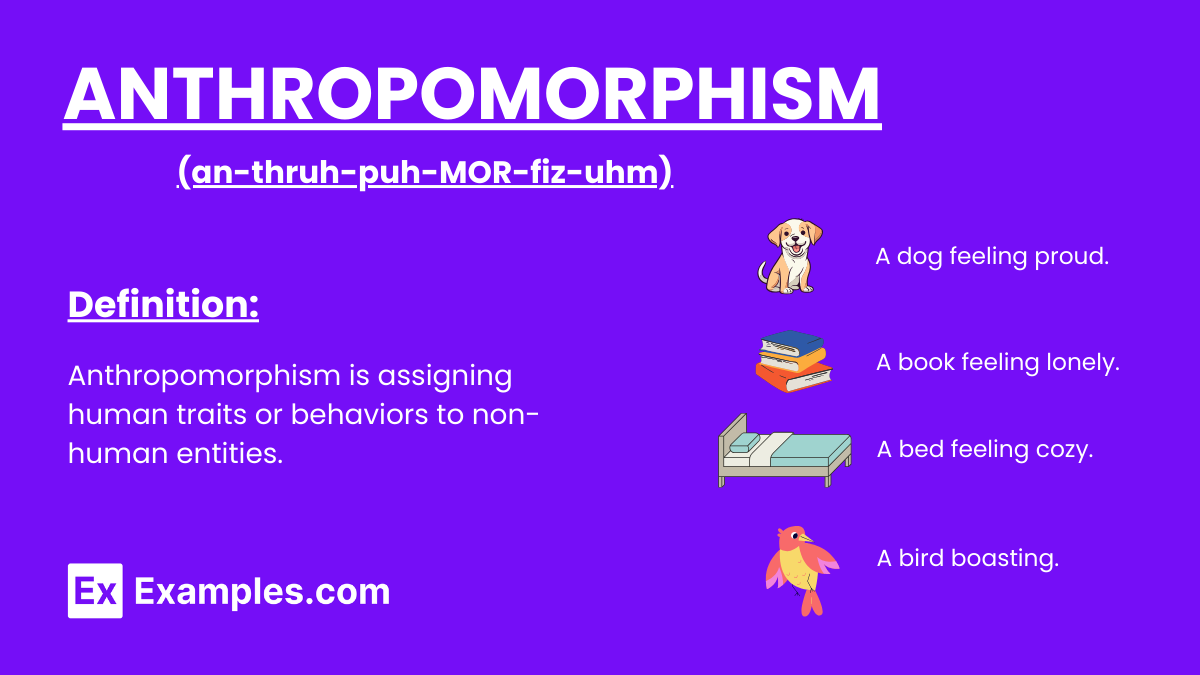
In conclusion, anthropomorphism is far more than a literary device; it is a fundamental tool in the tech stack. It bridges the gap between binary logic and human emotion, driving adoption, improving UX, and shaping the ethical landscape of the future. As we continue to blur the lines between person and processor, the goal remains the same: to create technology that doesn’t just work for us, but resonates with us on a profoundly human level. By understanding and carefully implementing anthropomorphic principles, the tech industry can build a future where innovation feels less like a cold disruption and more like a natural evolution of the human experience.
aViewFromTheCave is a participant in the Amazon Services LLC Associates Program, an affiliate advertising program designed to provide a means for sites to earn advertising fees by advertising and linking to Amazon.com. Amazon, the Amazon logo, AmazonSupply, and the AmazonSupply logo are trademarks of Amazon.com, Inc. or its affiliates. As an Amazon Associate we earn affiliate commissions from qualifying purchases.