
In the dynamic world of personal finance and business asset management, risk mitigation stands as a cornerstone principle. While often discussed in terms of investment portfolios, market volatility, or insurance policies, a fundamental, yet frequently overlooked, aspect of financial security lies in the realm of everyday activities: driving. Here, the concept of a “space cushion” emerges not merely as a safety recommendation but as a critical financial strategy, directly impacting an individual’s balance sheet and a business’s bottom line.
The Foundational Principle of Financial Risk Mitigation on the Road
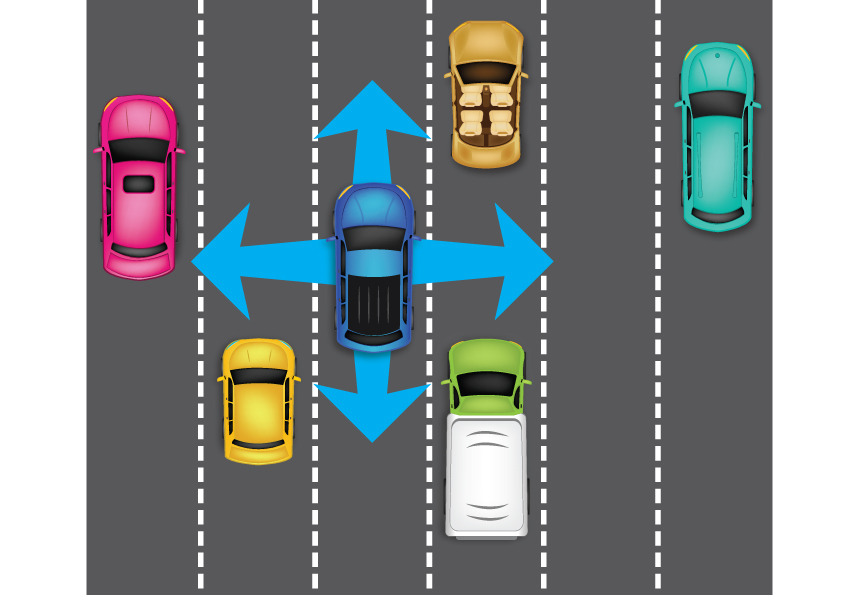
At its core, a space cushion is the strategic, safe distance drivers maintain around their vehicle. This buffer zone provides crucial time and distance to react to unexpected events, preventing collisions and their cascading financial repercussions. From a financial perspective, understanding and consistently applying the space cushion principle is akin to diversifying an investment portfolio or maintaining an emergency fund – it’s a proactive measure designed to absorb shocks and protect assets.
Defining Your Financial Buffer Zone
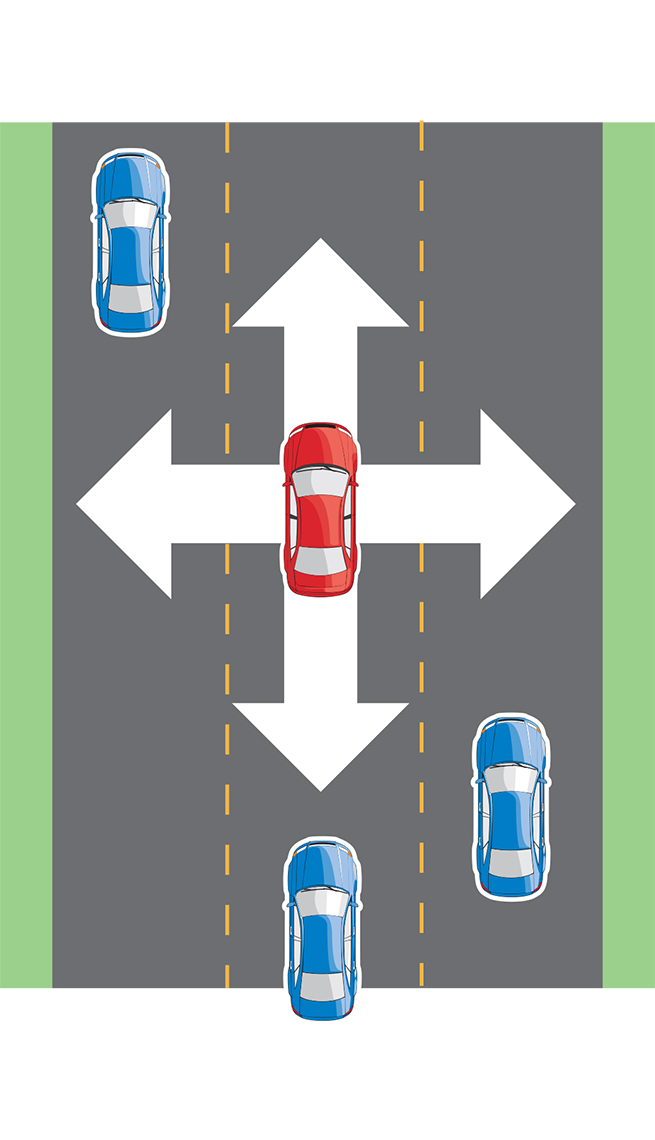
A space cushion extends beyond just the car in front; it encompasses a protective perimeter around your vehicle: to the front, sides, and rear. The “three-second rule” (or more in adverse conditions) is the widely accepted benchmark for following distance, ensuring enough time to stop safely. However, a comprehensive space cushion also involves being aware of vehicles to your sides, avoiding blind spots, and leaving room for others to merge or change lanes safely.
Financially, this physical buffer translates directly into a monetary buffer. By actively creating space, drivers inherently reduce the probability of incidents that trigger immediate and long-term financial liabilities. This proactive stance contrasts sharply with a reactive approach, where one deals with the costly fallout of an accident after it has occurred. It’s an investment of attention and discipline that yields substantial returns in avoided expenses and preserved capital.
Proactive vs. Reactive Financial Management
Consider the stark difference between proactive and reactive financial management. Proactive management involves budgeting, saving, investing, and planning for future contingencies. Reactive management, on the other hand, is characterized by responding to financial crises as they arise, often incurring greater costs due to urgency and lack of preparation.
Applying this dichotomy to driving, maintaining a space cushion is a quintessential example of proactive financial management. It’s a deliberate choice to prevent financial strain by minimizing the likelihood of an accident. Without this foresight, drivers are forced into reactive scenarios: dealing with repair bills, medical expenses, insurance premium hikes, and potential legal fees, all of which can significantly derail personal financial plans or impede business operations. The space cushion acts as a preventative financial tool, safeguarding against unforeseen expenditures that could otherwise deplete savings or necessitate taking on debt.
Direct Financial Benefits: Avoiding Costly Collisions
The most immediate and tangible financial advantages of maintaining an adequate space cushion stem from the direct prevention of accidents. Each avoided collision is a significant financial saving, insulating individuals and businesses from a cascade of expenses.
Reduced Repair and Replacement Expenses
Even minor fender-benders can result in hundreds or thousands of dollars in repair costs. Modern vehicles, with their complex sensor systems, advanced materials, and intricate bodywork, are increasingly expensive to fix. A shattered bumper, a misaligned frame, or damaged electronic components can quickly turn a seemingly minor incident into a substantial financial burden. For an individual, this can mean dipping into emergency savings, delaying other financial goals, or incurring credit card debt. For a business, damage to fleet vehicles translates to direct capital expenditure and potential downtime, impacting service delivery and profitability.
By maintaining a space cushion, drivers give themselves the necessary time to brake, swerve, or otherwise avoid impacts. This simple discipline directly reduces the likelihood of these costly repairs, preserving the value of the vehicle asset and avoiding out-of-pocket expenses. In essence, the space cushion acts as a form of self-insurance, preventing the need to file claims that could have further financial ramifications.
Stabilizing Insurance Premiums
One of the most insidious long-term financial consequences of an at-fault accident is the inevitable rise in auto insurance premiums. Insurers use a risk-based model, and a history of claims, especially those indicating fault, significantly increases a driver’s risk profile. Even a single accident can lead to substantial premium increases that can persist for several years, effectively adding a hidden surcharge to monthly expenses. This accumulation of increased payments can amount to thousands of dollars over time, far exceeding the initial repair costs.
A clean driving record, fostered by diligent space cushion practices, is a powerful financial asset. It allows individuals and businesses to maintain lower insurance rates, directly contributing to more predictable and manageable monthly expenditures. For commercial enterprises managing fleets, a safety record free of accidents translates into lower commercial insurance costs, which can be a significant line item in operational budgets. Thus, prioritizing a space cushion isn’t just about avoiding a single bill; it’s about optimizing a long-term financial commitment and ensuring cost stability.
Indirect Financial Benefits: Preserving Wealth and Income
Beyond the immediate costs of repairs and insurance, accidents can trigger a host of indirect financial consequences that erode wealth and jeopardize earning potential. Maintaining a space cushion serves as a shield against these broader economic setbacks.
Mitigating Medical and Legal Liabilities
Accidents often result in injuries, ranging from whiplash to severe trauma. Even seemingly minor injuries can necessitate expensive medical treatments, including doctor visits, physical therapy, medication, and potential lost wages during recovery. For individuals without robust health insurance, or those with high deductibles, these costs can quickly become overwhelming, leading to medical debt that impacts credit scores and financial stability for years. In severe cases, permanent disability can severely curtail earning capacity, necessitating long-term care and adjustments to financial planning.
Furthermore, accidents, especially those involving significant damage or injury, can lead to legal entanglements. Lawsuits for personal injury or property damage can incur substantial legal fees, court costs, and potential settlement payouts, even if covered partially by insurance. The stress and time commitment associated with legal proceedings also represent a non-monetary cost that can impact productivity and well-being. By preventing accidents, the space cushion protects against these potentially ruinous medical and legal liabilities, safeguarding an individual’s health, financial assets, and peace of mind.
Protecting Earning Potential and Productivity
An individual’s ability to earn an income is perhaps their most valuable financial asset. An accident, particularly one causing injury, can directly threaten this asset by leading to time off work, reduced productivity, or even long-term disability. For hourly workers, lost time means lost wages. For salaried employees, extended absences can strain job security or impede career advancement. Business owners and freelancers face even more direct consequences, as their personal capacity is often directly tied to their enterprise’s revenue generation.
For businesses, accidents involving employees or company vehicles lead to diminished productivity, not just from the injured party but also from colleagues who may need to cover duties or manage the aftermath. The administrative burden of accident reporting, insurance claims, and potential internal investigations also siphons valuable resources and time away from core business functions. A consistent space cushion strategy helps ensure that individuals remain healthy and productive, and that businesses maintain operational continuity, thereby protecting and enhancing overall earning potential and economic output.
Space Cushion as a Business Finance Imperative
For businesses operating fleets or relying on employee mobility, the space cushion principle transcends personal safety; it becomes a critical component of business finance, risk management, and corporate social responsibility.
Fleet Management and Operational Efficiency
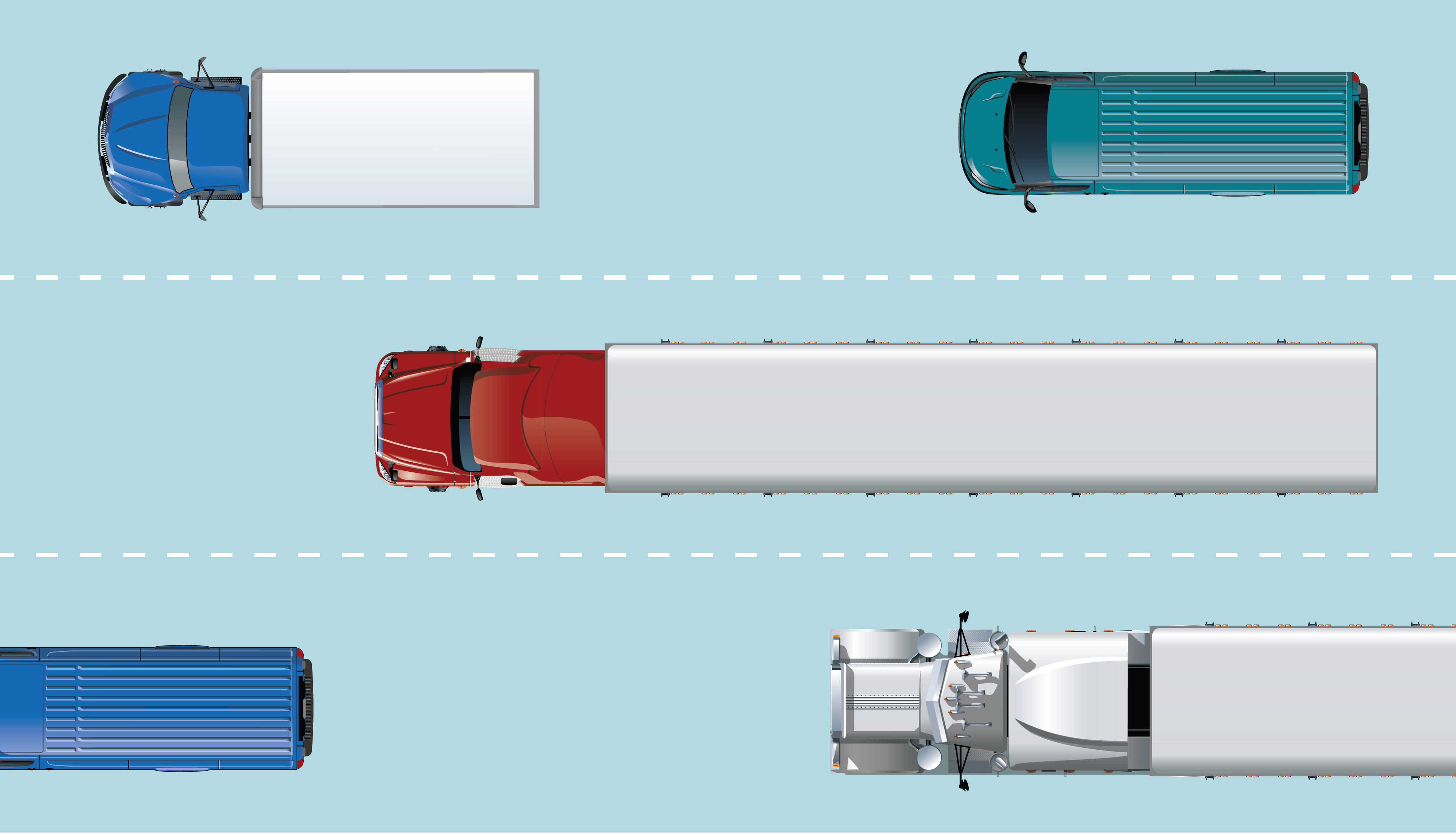
Businesses with vehicle fleets, whether delivery services, construction companies, or sales teams, face unique financial exposures. Accidents involving company vehicles lead to direct costs such as vehicle repairs, increased insurance premiums, and potential legal fees. However, the indirect costs can be even more substantial: lost revenue due to vehicle downtime, missed delivery deadlines, damaged client relationships, and the administrative burden of managing accident aftermath. A single vehicle taken out of service can disrupt an entire logistical chain, impacting customer satisfaction and market reputation.
Implementing a stringent space cushion policy within fleet management is a smart financial move. It minimizes these direct and indirect costs, leading to greater operational efficiency. Fewer accidents mean more vehicles on the road, consistent service delivery, and predictable operational expenses. It also reduces the need for costly vehicle replacements or expanding the fleet to compensate for frequently damaged units. Investing in driver training that emphasizes space cushion techniques is a quantifiable investment in operational resilience and long-term profitability.
Brand Reputation and Liability Exposure
Beyond direct financial costs, businesses face significant reputational risks associated with accidents. A company vehicle involved in a preventable collision can quickly damage brand image, particularly if the incident leads to serious injury or property damage. Public perception of a company’s safety standards and responsibility can be tarnished, potentially leading to customer attrition, negative media attention, and regulatory scrutiny.
Moreover, businesses can face substantial liability exposure if their employees are at fault in an accident, potentially leading to multi-million dollar lawsuits. Even with robust commercial liability insurance, such incidents can involve significant deductibles, legal defense costs, and settlement amounts that impact profitability and shareholder value. A culture of safety, with the space cushion as a fundamental tenet, mitigates these brand and liability risks. It demonstrates a commitment to responsible operations, protecting not just financial assets but also the intangible value of a strong, reputable brand in the marketplace.
Integrating Space Cushion into Your Financial Toolkit
Viewing the space cushion as a financial tool reframes its importance from a mere driving tip to a fundamental component of holistic financial planning. It’s an easily implementable, no-cost strategy that delivers substantial financial dividends by preventing costly incidents.
A Habit of Prudence for Long-term Solvency
The discipline required to maintain a space cushion – constant vigilance, anticipating hazards, and controlling speed – mirrors the discipline needed for sound financial management. Just as consistent saving and wise investment choices build long-term wealth, consistent safe driving practices protect that wealth from sudden and devastating erosion. It cultivates a habit of prudence that extends beyond the road, fostering a mindset of risk awareness and preventative action across all aspects of personal and business finance.
Incorporating the space cushion into one’s financial toolkit means recognizing its power to preserve capital, stabilize expenses, and safeguard future earning potential. It’s an ongoing, low-effort investment that continuously pays dividends in avoided costs, peace of mind, and sustained financial solvency. For individuals and businesses alike, mastering the space cushion isn’t just about driving safer; it’s about driving smarter with an eye on the bottom line.
aViewFromTheCave is a participant in the Amazon Services LLC Associates Program, an affiliate advertising program designed to provide a means for sites to earn advertising fees by advertising and linking to Amazon.com. Amazon, the Amazon logo, AmazonSupply, and the AmazonSupply logo are trademarks of Amazon.com, Inc. or its affiliates. As an Amazon Associate we earn affiliate commissions from qualifying purchases.