
Global financial markets are in a constant state of flux, a dynamic interplay of economic data, corporate earnings, geopolitical developments, and shifting investor sentiment. Understanding the current pulse of these markets requires a nuanced perspective, looking beyond mere daily fluctuations to discern underlying trends and the forces shaping them. Today, markets are characterized by a delicate balance of robust economic pockets, persistent inflationary pressures, and the ongoing recalibration of monetary policies worldwide. Investors are navigating an environment where resilience is tested by uncertainty, and opportunity often coexists with risk.
A Snapshot of Global Financial Performance
Assessing the health of today’s markets begins with an overview of the major asset classes. Each responds to distinct drivers, yet all are interconnected within the broader financial ecosystem.
Equity Markets: Navigating Volatility and Growth Pockets
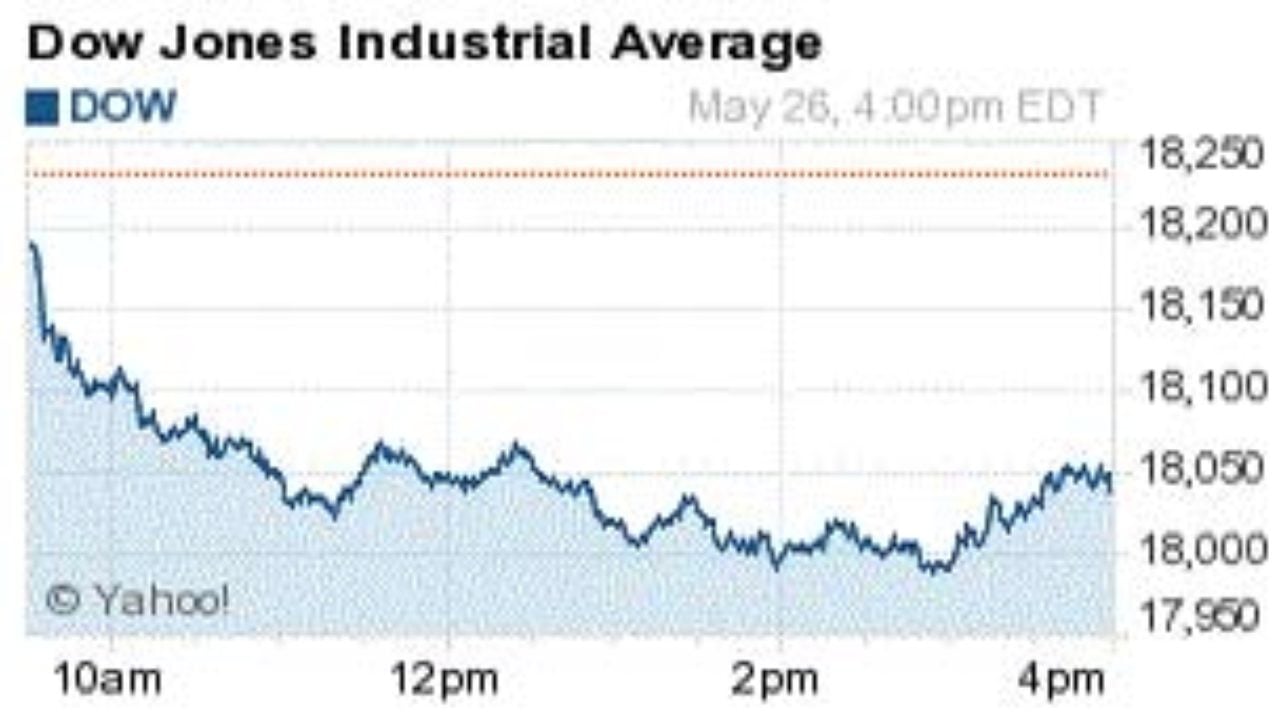
Equity markets across the globe have demonstrated a fascinating dichotomy. While headline indices in major developed economies, particularly the U.S., have shown remarkable resilience and even significant gains year-to-date, this performance often masks underlying divergences. A substantial portion of market appreciation has been concentrated in a relatively small number of mega-cap technology and growth companies, often dubbed the “Magnificent Seven” or similar cohorts. These firms have benefited from strong earnings, innovation narratives (especially around AI), and robust balance sheets, drawing significant capital inflows.
Beneath this surface, a broader swathe of stocks, including small-cap and value companies, has experienced more subdued performance or even struggled. This creates a challenging environment for active managers seeking alpha outside the dominant themes. Sector-wise, technology, communications services, and discretionary consumer sectors have generally outperformed, while more cyclical sectors like industrials and materials have faced headwinds from moderating global growth expectations and geopolitical tensions.
International equity markets present a mixed picture. European markets have shown steady, albeit less spectacular, growth, supported by easing energy concerns and resilient corporate earnings. Asian markets, particularly China, have faced significant challenges stemming from property sector issues, regulatory uncertainties, and slower-than-expected post-pandemic recovery. Emerging markets, in general, are highly sensitive to U.S. interest rate policies and the strength of the dollar, experiencing periods of both outflows and renewed interest as global economic prospects shift. Overall, equity investors today are balancing the allure of concentrated growth with the prudence of diversification, all while keeping a close eye on corporate earnings reports for signs of broader economic health.
Fixed Income: Yields, Inflation, and Central Bank Policy
The fixed income market is arguably where the most profound shifts have occurred over the past couple of years, and these dynamics continue to shape investor decisions today. Following an aggressive cycle of interest rate hikes by central banks globally to combat inflation, bond yields have moved significantly higher from their historic lows. This has led to a re-evaluation of fixed income as an attractive asset class, offering more competitive yields than seen in over a decade.
Today, bond markets are highly sensitive to every piece of economic data, particularly inflation figures and labor market reports. These data points directly influence expectations for future central bank actions. While the consensus among many major central banks, like the Federal Reserve and the European Central Bank, has shifted from aggressive tightening to a more “wait-and-see” approach, the timing and extent of potential rate cuts remain a major point of debate. This uncertainty keeps bond yields volatile.
Short-term government bond yields often reflect current central bank policy rates, while longer-term yields incorporate expectations for future inflation and economic growth. The yield curve—the spread between short and long-term yields—is a critical indicator. An inverted yield curve (where short-term yields are higher than long-term yields) has historically been a reliable, though not infallible, predictor of recessions. While parts of the yield curve have inverted, the resilience of the economy has led many to question the immediate implications of this signal. Corporate bond markets, meanwhile, are reflecting varying degrees of credit risk, with investment-grade bonds benefiting from generally stable corporate balance sheets, while high-yield bonds are more susceptible to economic slowdowns.
Commodities and Currencies: Reflecting Geopolitical and Economic Shifts
Commodity and currency markets are often the most direct barometers of geopolitical tensions, supply chain disruptions, and global economic health. Their movements have far-reaching implications for inflation, trade, and corporate profitability.
Energy and Metals: Supply-Demand Dynamics
The energy markets remain a critical component of the global economic outlook. Crude oil prices, in particular, are subject to a complex web of factors including geopolitical events (especially in key producing regions), OPEC+ production decisions, global demand forecasts, and strategic reserve releases. Today, oil prices are reacting to concerns about potential supply disruptions in various conflict zones, balanced against worries about slowing demand from major economies. Natural gas prices, especially in Europe, have stabilized somewhat after the volatility of the past few years, but remain sensitive to weather patterns and global supply chain integrity.
Industrial metals, such as copper, aluminum, and iron ore, are often seen as leading indicators for global manufacturing and construction activity. Their prices reflect the health of industrial demand, particularly from China, the world’s largest consumer of raw materials. Gold, traditionally a safe-haven asset, has seen renewed interest amidst geopolitical uncertainties and persistent inflation concerns, sometimes acting as a hedge against currency devaluation or market volatility. Agricultural commodities, too, are influenced by weather patterns, crop yields, and global trade policies, impacting food inflation and food security.
Forex: Interest Rate Differentials and Macro Factors
The foreign exchange (Forex) market is dominated by major currency pairs, where the U.S. Dollar (USD) often plays a central role as the world’s primary reserve currency. The strength or weakness of the USD today is heavily influenced by interest rate differentials between the U.S. and other major economies. A higher interest rate in the U.S., relative to its peers, tends to attract capital, strengthening the dollar. Conversely, expectations of rate cuts can weaken it.
Beyond interest rates, currency movements are driven by economic growth differentials, trade balances, and political stability. The Euro (EUR) is influenced by the economic health of the Eurozone and ECB policy. The Japanese Yen (JPY) has been notably weak due to the Bank of Japan’s continued ultra-loose monetary policy, contrasting sharply with tightening elsewhere. Emerging market currencies are often more volatile, sensitive to capital flows, commodity prices, and domestic economic policies. Today, currency traders are intently watching central bank rhetoric, inflation data, and current account balances to predict the next directional move.
Emerging Trends and Investor Sentiment
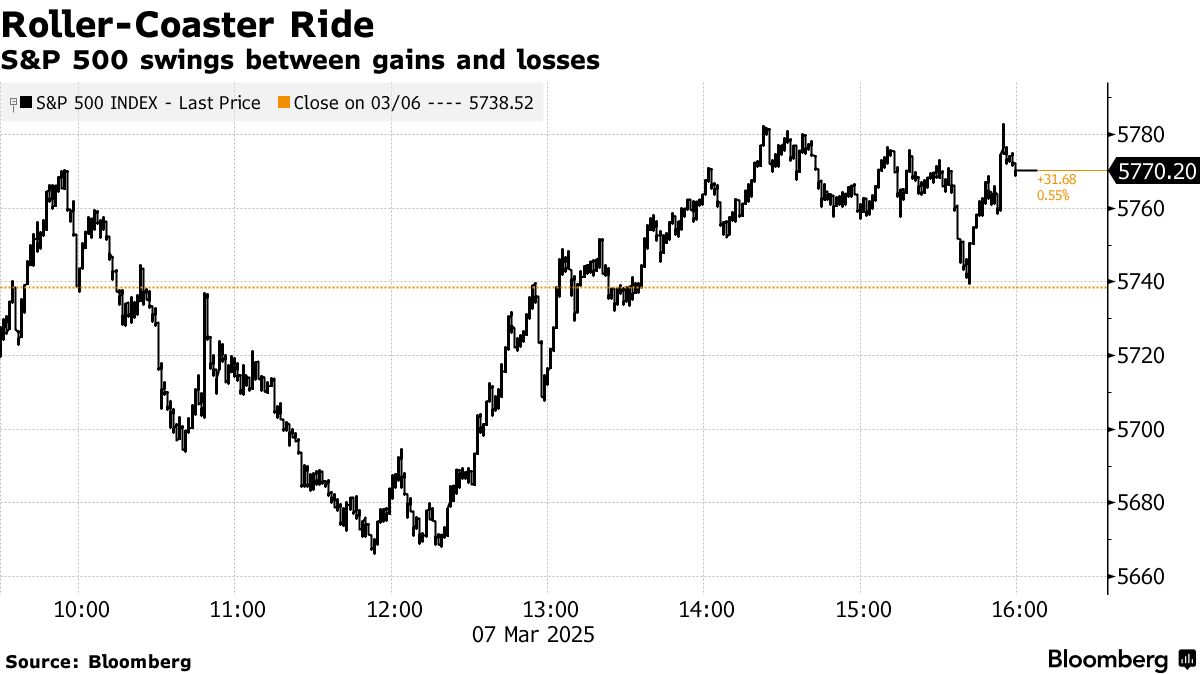
Beyond the day-to-day fluctuations, several overarching trends are subtly but profoundly reshaping how markets operate and how investors allocate capital.
The Rise of AI in Investment Strategies
Artificial Intelligence (AI) is no longer a futuristic concept but a tangible force in the investment world. Its impact is multifaceted, ranging from sophisticated algorithmic trading and high-frequency trading (HFT) to advanced data analysis for fundamental investing. Today, AI tools are being used to process vast amounts of unstructured data—news articles, social media sentiment, satellite imagery—to derive market insights that human analysts alone cannot uncover. Machine learning models are enhancing risk management by identifying complex correlations and predicting potential tail risks.
For institutional investors, AI-powered platforms are optimizing portfolio construction, rebalancing, and execution strategies. While retail investors may not have direct access to the most cutting-edge AI systems, the underlying technology influences market efficiency and the speed at which information is priced in. The surge in investor interest in companies developing AI technologies has also created distinct pockets of growth within the equity markets, driving valuations for select technology firms to new highs. This trend suggests a long-term shift towards more data-driven and automated investment processes.
Sustainable Investing Momentum
Sustainable, Responsible, and Impact (SRI) investing, often encompassed by Environmental, Social, and Governance (ESG) criteria, continues its robust growth trajectory. What was once considered a niche strategy has moved firmly into the mainstream. Today, a significant portion of new capital flows into funds and portfolios that explicitly consider ESG factors alongside traditional financial metrics. Investors are increasingly aware of the long-term risks and opportunities associated with climate change, social inequality, and corporate governance failures.
Companies with strong ESG profiles are often perceived as having better risk management, greater resilience, and stronger long-term growth prospects. Regulators in many jurisdictions are also pushing for greater transparency and standardization in ESG reporting, further cementing its importance. While some debates persist about the precise methodology and efficacy of ESG ratings, the underlying principle that sustainability considerations are material to financial performance has gained widespread acceptance. This trend influences corporate behavior, encouraging companies to improve their environmental footprint, foster diverse workplaces, and enhance board oversight, thereby shaping capital allocation decisions across various sectors.
Key Economic Indicators Driving Market Behavior
At the heart of market movements are fundamental economic indicators. These data points provide critical insights into the health of economies and guide the decisions of central banks, corporations, and investors.
Inflation and Interest Rates: The Dominant Narrative
Today, inflation and interest rates continue to be the most dominant factors influencing market sentiment and asset prices. After a period of historically low inflation, many economies experienced a sharp surge, prompting an aggressive response from central banks. While inflation has shown signs of moderating in many regions, it often remains stubbornly above central bank targets. This persistence keeps central banks in a vigilant posture, carefully weighing the risk of cutting rates too soon and reigniting inflationary pressures versus cutting too late and stifling economic growth.
Core inflation, which strips out volatile food and energy components, is a particularly watched metric, as it often reflects underlying demand pressures and wage growth. Expectations for future inflation drive bond yields and influence the pricing of commodities and currencies. Investors are constantly scrutinizing consumer price index (CPI), producer price index (PPI), and personal consumption expenditures (PCE) data, adjusting their portfolios in anticipation of central bank reactions. The tight correlation between inflation prints, interest rate expectations, and market performance underscores their paramount importance in today’s financial landscape.
Employment and Consumer Spending: Foundations of Growth
While inflation and interest rates capture headlines, robust employment and resilient consumer spending are the foundational pillars supporting economic growth. Today, labor markets in many developed economies remain surprisingly strong, characterized by low unemployment rates and, in some cases, persistent wage growth. This strength provides consumers with disposable income, which in turn fuels consumer spending—a major component of GDP in most economies.
Retail sales figures, consumer confidence surveys, and personal income data are closely monitored for signs of consumer health. Any significant weakening in the labor market or a sharp drop in consumer spending could signal an impending economic slowdown, impacting corporate earnings and overall market sentiment. Conversely, continued strength suggests resilience, giving central banks more leeway to maintain higher interest rates for longer if inflation persists. The balance between a strong labor market and its potential inflationary impact is a key tension point in the current economic narrative.
Strategic Considerations for Today’s Investor
Navigating the complexities of today’s markets requires a thoughtful and disciplined approach. While daily headlines can be distracting, adhering to core investment principles remains crucial.
Diversification as a Core Principle
In an environment marked by concentrated market leadership, geopolitical uncertainty, and fluctuating economic data, diversification has never been more critical. Relying too heavily on a single asset class, sector, or geographical region can expose investors to undue risk. Today, diversification extends beyond simply owning different stocks; it involves considering a blend of equity styles (growth vs. value), market capitalizations (large vs. small cap), international exposure, and a strategic allocation to fixed income. Even within fixed income, diversifying across different maturities and credit qualities can mitigate risk. The goal is to build a portfolio whose components respond differently to various market conditions, smoothing returns over the long term and cushioning against significant downturns in any single area.
Long-Term Vision Amidst Short-Term Noise
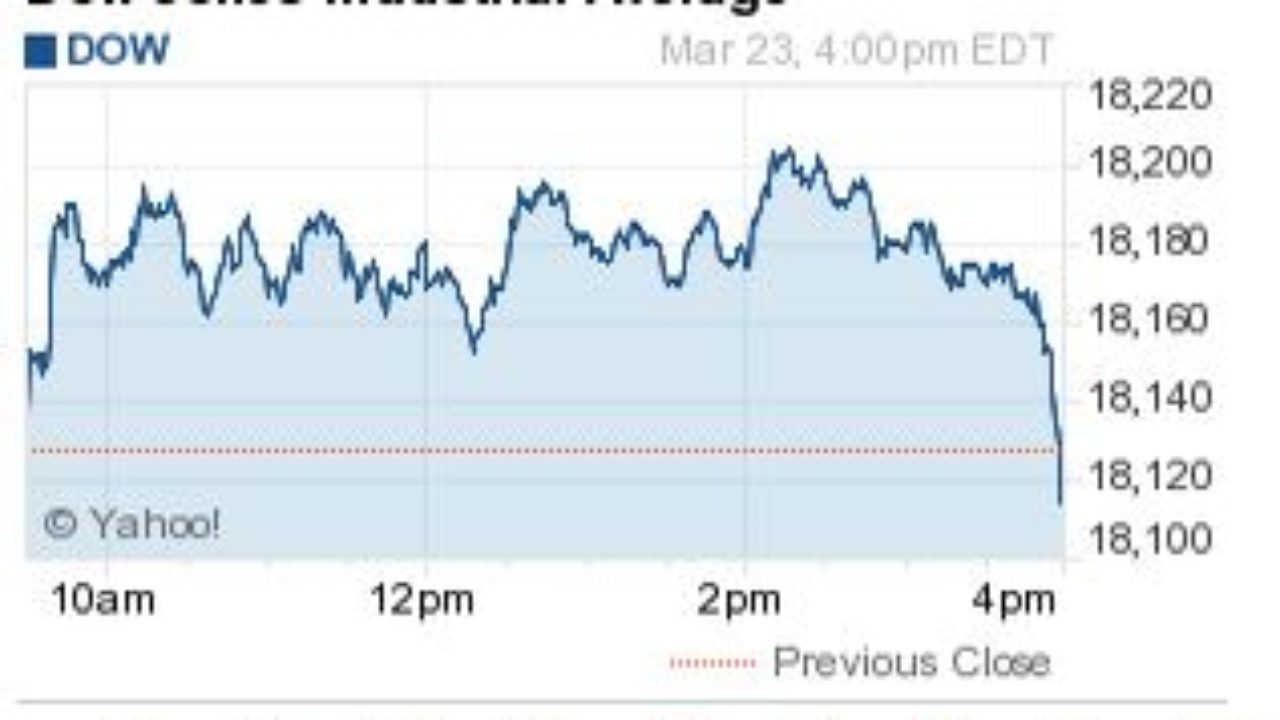
The 24/7 news cycle and instant market reactions can tempt investors into reactive decision-making. However, today’s markets, like those of the past, reward a long-term perspective. While daily fluctuations are inevitable, the underlying trend of compounding returns over decades is what ultimately builds wealth. Focusing on long-term financial goals, such as retirement, education funding, or significant purchases, helps to filter out the “noise” of short-term volatility. This involves regular rebalancing to maintain target asset allocations, investing consistently, and resisting the urge to time the market based on fleeting headlines. Understanding that market corrections are a normal part of the investment cycle, and often present opportunities for long-term investors, is a cornerstone of navigating today’s dynamic financial landscape successfully.
aViewFromTheCave is a participant in the Amazon Services LLC Associates Program, an affiliate advertising program designed to provide a means for sites to earn advertising fees by advertising and linking to Amazon.com. Amazon, the Amazon logo, AmazonSupply, and the AmazonSupply logo are trademarks of Amazon.com, Inc. or its affiliates. As an Amazon Associate we earn affiliate commissions from qualifying purchases.