
In the competitive landscape of the Quick-Service Restaurant (QSR) industry, a product’s success is rarely determined by its ingredients alone. While the consumer asks, “What is Sonic’s Ocean Water made of?” the brand strategist asks, “How did a mixture of water, sugar, and coconut extract become a cultural touchstone?” Sonic Drive-In has managed to turn a relatively simple beverage into a cornerstone of its corporate identity, leveraging sensory marketing and product differentiation to create a “moat” around its beverage category.
To understand what Ocean Water is made of, one must look beyond the chemical composition and into the brand architecture that supports it. It is not merely a drink; it is a masterclass in brand consistency, visual psychology, and the strategic use of proprietary flavors to drive customer loyalty.

The Liquid Blueprint: Beyond the Primary Ingredients
At its most basic level, Sonic’s Ocean Water is a combination of carbonated water, high-fructose corn syrup, citric acid, natural and artificial flavors, and Blue 1. The defining characteristic—the flavor that separates it from a standard lemon-lime soda—is the infusion of coconut. However, from a brand strategy perspective, these ingredients serve as the “hardware,” while the emotional resonance they trigger is the “software.”
The Role of Proprietary Flavor Profiles
In branding, the “signature flavor” is a powerful tool for differentiation. By combining the familiar effervescence of soda with the exotic, tropical notes of coconut, Sonic created a flavor profile that didn’t exist elsewhere in the fast-food market. This prevents “brand substitution.” If a customer craves a standard cola, they can find it at any competitor. If they crave the specific coconut-citrus blend of Ocean Water, they are tethered to the Sonic brand. This is a classic example of creating a unique selling proposition (USP) within a commodity category.
Ingredient Transparency and Brand Trust
In the modern era, transparency is a brand value. While the “secret sauce” approach worked for decades, today’s consumers appreciate knowing the components of their favorite treats. Sonic’s willingness to let the “secret” be known—that it is essentially a coconut-flavored sprite-like base—hasn’t diminished its popularity. Instead, it has fueled a DIY culture and “secret menu” discussions online, which serves as free organic marketing. The simplicity of the ingredients allows the brand to maintain a high profit margin while offering a product that feels “premium” due to its unique color and taste.
Sensory Branding and the Psychology of the “Blue” Aesthetic
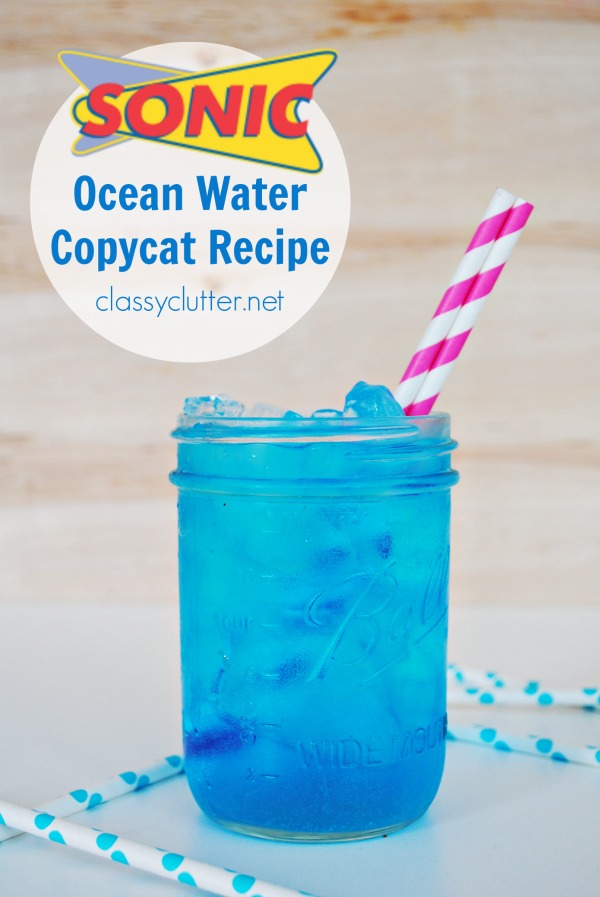
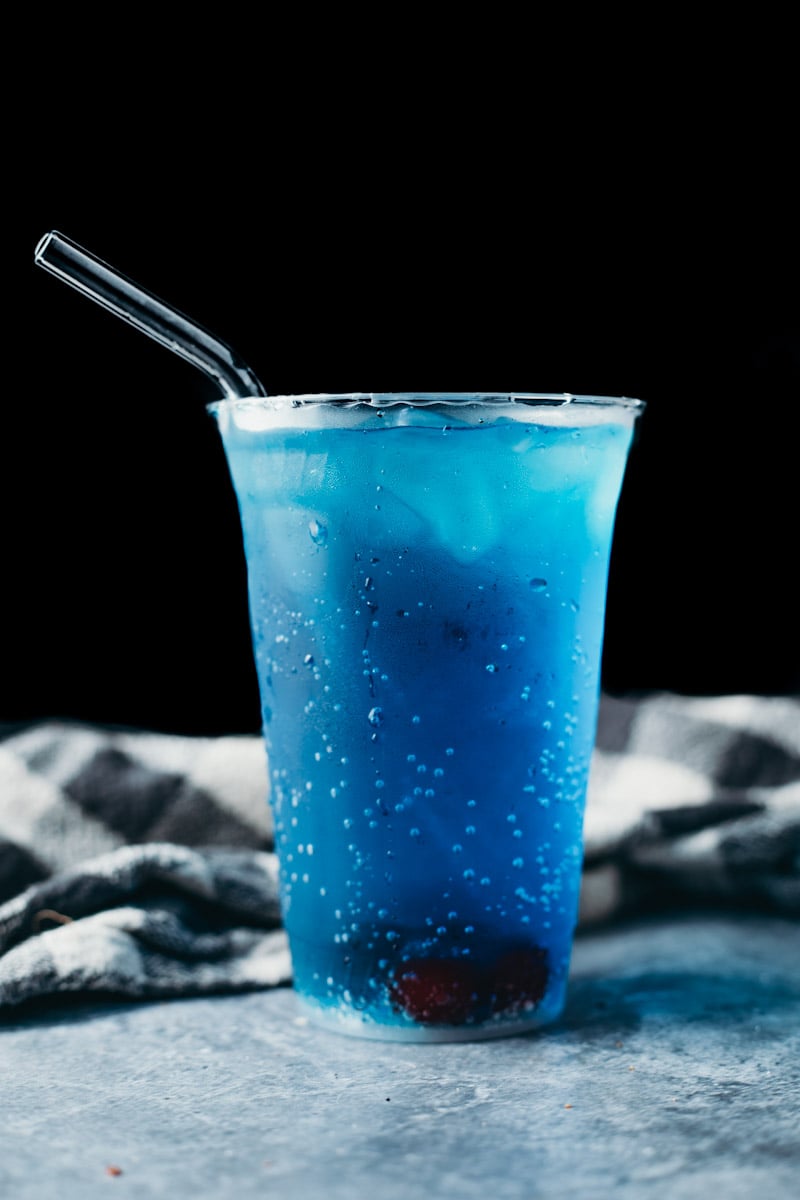
One cannot discuss the composition of Ocean Water without addressing its most striking feature: the vibrant blue hue. In the world of food and beverage marketing, color is a silent communicator that dictates consumer perception before the first sip is even taken.
The Power of Visual Differentiation
Most beverages in the QSR space fall into a narrow color spectrum: browns (colas/teas), oranges/yellows (citrus), or clear (lemon-lime). By utilizing Blue 1 to create a striking azure liquid, Sonic immediately distanced itself from its competitors. The color blue is psychologically associated with calmness, refreshment, and the ocean—concepts that align perfectly with the product’s name. This visual alignment reinforces the brand promise of a “refreshing escape.”
Instagrammability and Modern Brand Reach
Long before “Instagrammable” was a term, Sonic understood the value of a visually distinct product. In the current digital landscape, the aesthetic of Ocean Water makes it a frequent subject of social media posts. The contrast of the bright blue liquid against the white crushed ice (another signature Sonic brand asset) creates a high-contrast image that stands out in a social media feed. This visual appeal transforms every customer into a brand ambassador, providing the company with a constant stream of user-generated content that reinforces the product’s status as a lifestyle accessory rather than just a drink.
Product as a Brand Moat: The QSR Strategy
In business strategy, a “moat” is a competitive advantage that protects a company from its rivals. For Sonic, the beverage category—led by Ocean Water—serves as a formidable moat. While competitors like McDonald’s or Wendy’s focus heavily on burger innovation, Sonic has carved out a niche as the “Ultimate Drink Stop.”
Diversification of the Revenue Stream
By investing heavily in the branding of its drinks, Sonic has successfully decoupled its revenue from meal times. Most QSR brands see a massive spike during lunch and dinner but struggle during the mid-afternoon “slump.” Sonic’s “Happy Hour” promotion, which features half-price drinks and slushes, leverages signature items like Ocean Water to drive traffic during these off-peak hours. The low cost of the ingredients (syrup and carbonated water) ensures that even at half price, the margins remain attractive.
The Customization Engine
The composition of Ocean Water is also a testament to Sonic’s focus on customization. The brand’s identity is built on the idea that you can get exactly what you want, with thousands of possible drink combinations. Ocean Water serves as a “base” for many of these customizations. Whether a customer adds cherries, lime wedges, or additional vanilla pumps, the Ocean Water core remains the recognizable anchor. This flexibility strengthens the brand’s relationship with its customers, as it encourages experimentation and repeat visits to “find your perfect mix.”
The Legacy of the Drive-In Experience and Product Consistency
The final “ingredient” in Ocean Water isn’t something you can taste; it’s the environment in which it is consumed. The brand identity of Sonic is inextricably linked to the nostalgia and convenience of the American drive-in.
Creating an Immersive Brand Experience
When a customer orders an Ocean Water, the experience is mediated by the carhop and the physical space of the drive-in stall. This “retro-future” branding—combining old-school service with modern, bold flavors—creates a unique emotional hook. The Ocean Water, with its tropical associations, complements the “leisure” aspect of sitting in one’s car and taking a break from the day. It is a form of affordable luxury that reinforces the brand’s positioning as a fun, accessible escape.
Scaling Consistency Across Franchises
A brand is only as strong as its consistency. For a franchise-heavy model like Sonic, the simplicity of Ocean Water’s composition is a strategic advantage. Because the “recipe” relies on standardized syrups and fountain settings, a customer in Texas can expect the exact same flavor profile as a customer in Tennessee. This reliability builds brand equity over time. When a consumer sees the blue glow of an Ocean Water in a commercial, they have a precise sensory expectation that the brand must meet. By keeping the “what” of the drink simple, the brand ensures that the “how” of the delivery is flawless.
The Future of the Signature Beverage in Brand Building
As we analyze what Sonic’s Ocean Water is made of, it becomes clear that the success of the product lies in the intersection of chemistry and psychology. It is a product that understands its audience—seeking a moment of refreshment that is both familiar and exotic.
For other brands, the lesson of Ocean Water is clear: you do not need complex, expensive ingredients to create a legendary product. Instead, you need a clear visual identity, a flavor profile that cannot be easily replicated by competitors, and a strategic placement within the broader brand ecosystem.
Sonic has transformed a mixture of coconut syrup and carbonated water into a multi-million dollar asset. It has used this product to anchor its “Happy Hour” strategy, to dominate social media visuals, and to create a lasting emotional connection with a diverse customer base. In the end, Ocean Water is made of more than just syrup and bubbles; it is made of savvy marketing, psychological insight, and a deep understanding of the power of a signature brand asset. As the QSR market continues to evolve, Sonic’s “blue gold” remains a primary example of how a single menu item can define an entire corporate identity.
aViewFromTheCave is a participant in the Amazon Services LLC Associates Program, an affiliate advertising program designed to provide a means for sites to earn advertising fees by advertising and linking to Amazon.com. Amazon, the Amazon logo, AmazonSupply, and the AmazonSupply logo are trademarks of Amazon.com, Inc. or its affiliates. As an Amazon Associate we earn affiliate commissions from qualifying purchases.