
In the rapidly evolving landscape of modern technology, the definition of “hardware” is expanding beyond silicon chips and fiber-optic cables. We are entering an era where biological systems are being reimagined as sophisticated programmable platforms. At the heart of this biological tech revolution is the somatic cell.
While the term originates in the field of biology, its implications today are deeply rooted in the tech sector—specifically within biotechnology, genetic engineering, and bio-computing. To understand the future of longevity tech, regenerative medicine, and even data storage, one must first understand the fundamental unit of the human “operating system”: the somatic cell.
The Biological Hardware: Understanding Somatic Cells in a Tech Context
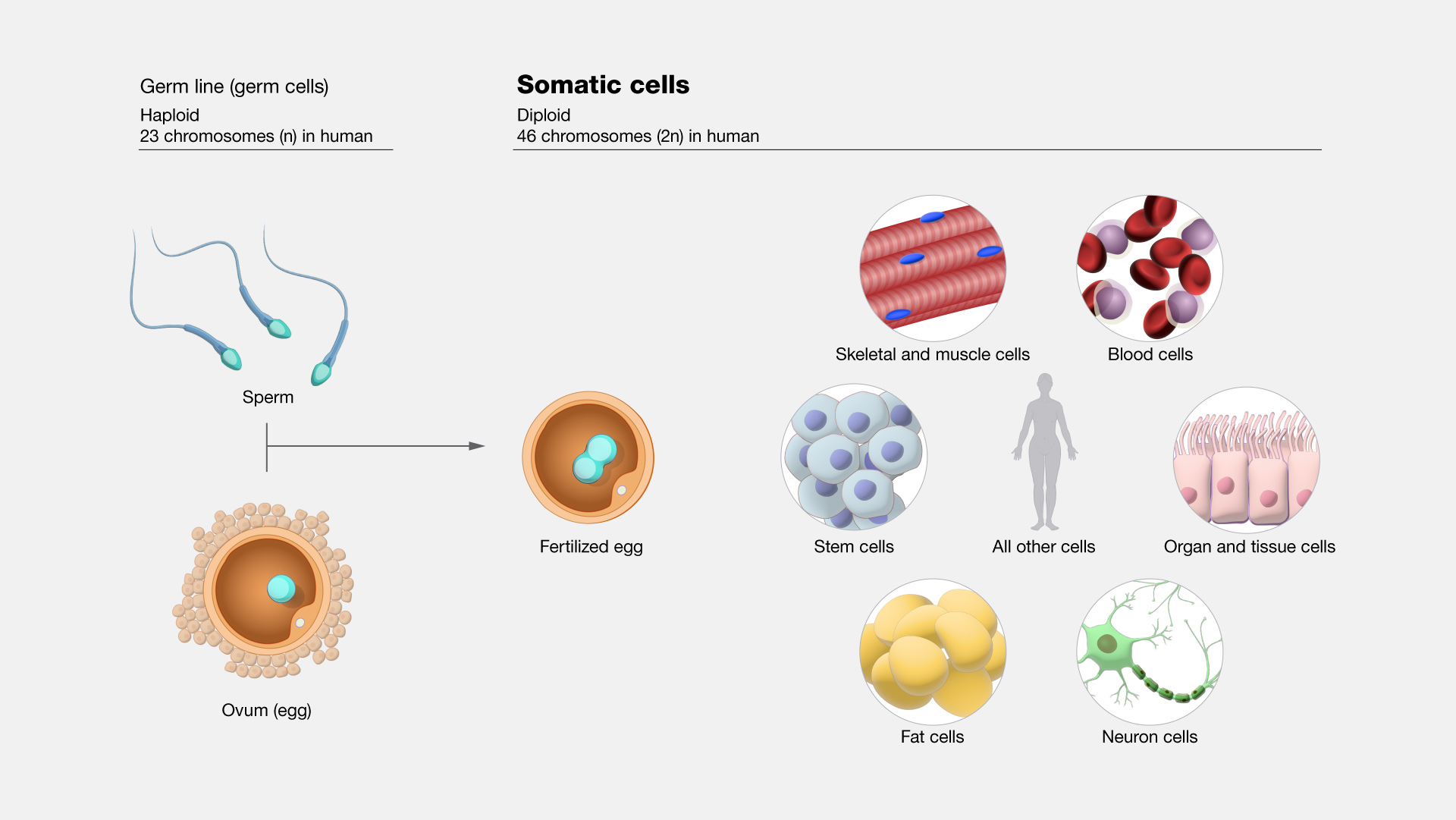
In the simplest terms, a somatic cell is any cell in a living organism that is not a reproductive cell (gamete). From the neurons in your brain to the leukocytes in your blood, somatic cells make up the entirety of the human body’s physical structure. In the tech world, if the human body is the hardware, somatic cells are the individual transistors and circuits that allow the system to function.
Definition and Differentiation from Germline Cells
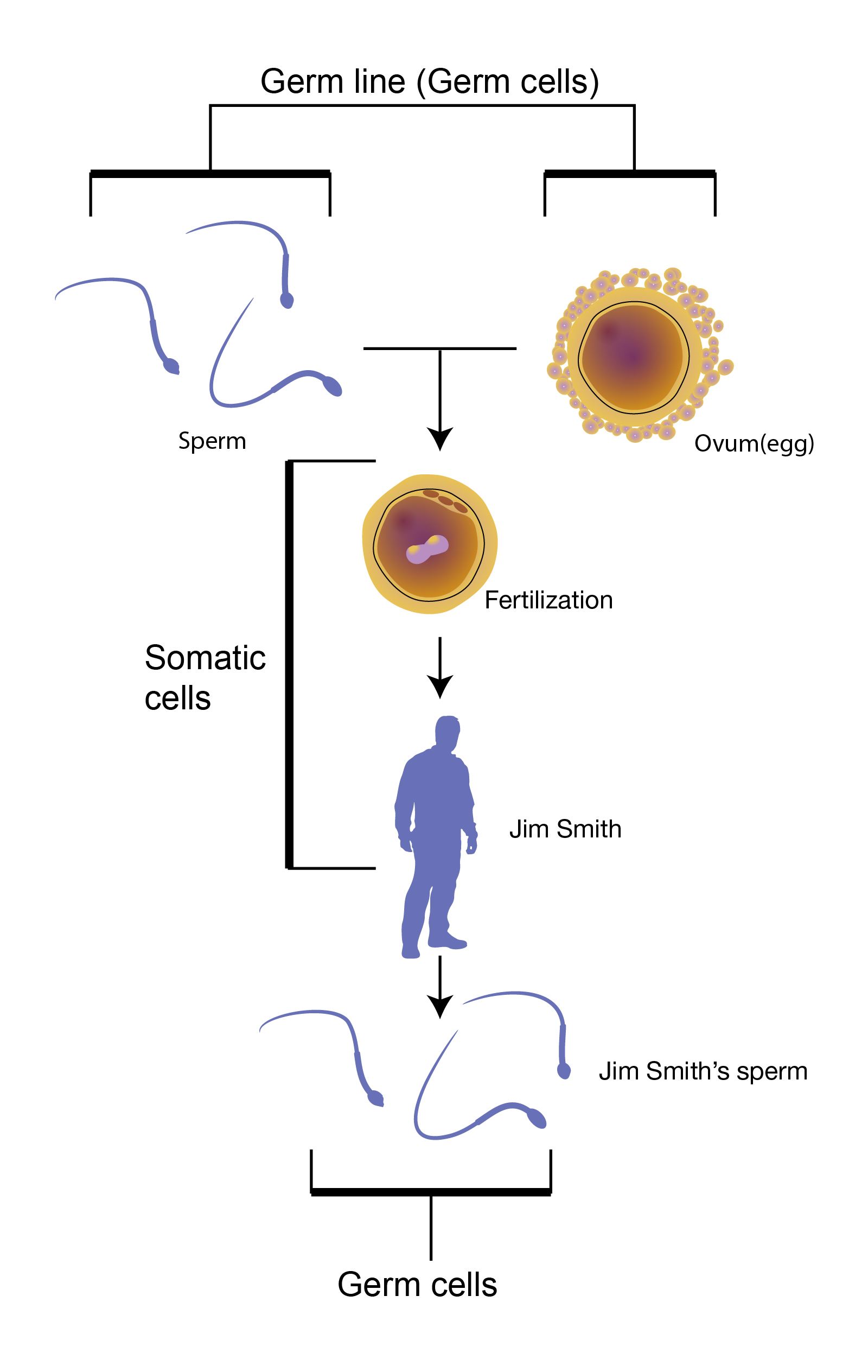
To appreciate the technological value of somatic cells, we must distinguish them from germline cells (sperm and eggs). Germline cells carry the code for the next generation; somatic cells carry the code for the current version of the individual.
From a digital security and ethical standpoint, this distinction is critical. When tech companies and laboratories modify somatic cells, the changes are localized to the individual. These modifications are not heritable. This makes somatic cell engineering the “sandbox” of biotechnology—a controlled environment where life-saving patches and upgrades can be applied without altering the “source code” of the entire human species.
The Role of DNA as the Biological OS
Every somatic cell contains a complete set of DNA, housed within the nucleus. This DNA functions as the biological operating system (OS). It contains the instructions for protein synthesis, cellular division, and specialized functions. In the realm of Bio-Tech, researchers view this DNA as a codebase that can be read, analyzed, and—increasingly—edited. Somatic cells are diploid, meaning they contain two sets of chromosomes, providing a robust and redundant data set for biotechnological intervention.
Reprogramming the Code: Cellular Engineering and CRISPR
One of the most exciting trends in technology today is the ability to “reprogram” cells. Just as a software engineer might rewrite a legacy application to remove bugs, bio-engineers are using somatic cells to fix genetic errors and enhance physical performance.
Somatic Cell Nuclear Transfer (SCNT)
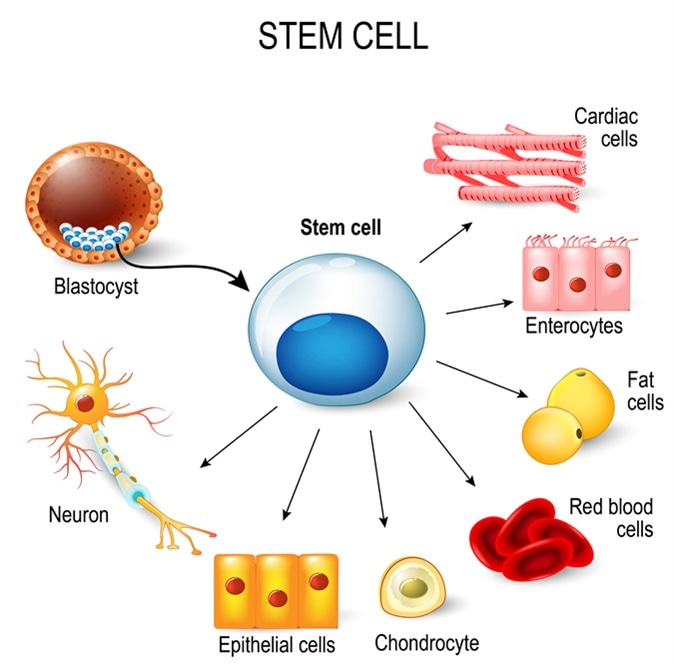
Somatic Cell Nuclear Transfer is a technique that essentially allows for the “cloning” of specific cellular structures. By taking the nucleus of a somatic cell and transferring it into an enucleated egg cell, scientists can create embryonic stem cells that are a perfect genetic match for the donor.
In a tech context, this is akin to creating a “system restore point.” It allows for the generation of tissues that the body will not reject, providing a foundation for personalized medical hardware, such as lab-grown organs or skin grafts for burn victims.
Editing Somatic DNA with CRISPR-Cas9
If SCNT is a system restore, CRISPR-Cas9 is the high-level programming language. CRISPR technology allows scientists to target specific sequences of DNA within a somatic cell and “snip” them out or replace them with new code.
Currently, tech-driven medical firms are using CRISPR to treat somatic-based diseases like sickle cell anemia. By harvesting a patient’s somatic blood cells, editing the “faulty code” responsible for the disease, and re-inserting the corrected cells into the patient, we are witnessing the first successful “hot-patches” for human biology.
Applications in Modern Medicine and Longevity Tech
The tech industry is currently obsessed with “longevity”—the idea that aging is a biological glitch that can be solved through engineering. Somatic cells are the primary target for these interventions.
Regenerative Medicine and Tissue Engineering
We are moving away from the era of “mechanical” prosthetics and into the era of “biological” components. Tech startups are currently utilizing somatic cells to 3D-bioprint human tissue. By using a patient’s own somatic cells as “bio-ink,” these machines can layer cells to create complex structures like heart valves or meniscus tissue. This intersection of 3D printing technology and somatic biology is set to disrupt the entire healthcare supply chain.
Personalized Medicine through Somatic Cell Analysis
In the world of Big Data, somatic cells are high-value data points. Through single-cell sequencing, tech platforms can analyze the unique mutations within an individual’s somatic cells to predict their response to specific drugs. This “Personalized Medicine” model shifts healthcare from a “one-size-fits-all” software package to a custom-tailored user experience. By monitoring somatic mutations over time, AI tools can even predict the onset of oncological “system failures” (cancer) before symptoms even appear.
The Data Frontier: Storing Information in Biological Cells
Perhaps the most futuristic application of somatic cell technology lies in the field of biological data storage. As the global production of data outpaces our ability to manufacture silicon-based storage, tech giants are looking toward the incredible density of DNA.
DNA Data Storage and the Biological Hard Drive
Somatic cells are, in essence, highly efficient data storage devices. DNA can store massive amounts of information in a microscopic volume—theoretically, all the world’s data could fit into a few grams of DNA.
Tech researchers are currently experimenting with “writing” digital binary code into DNA sequences and storing them within the protective environment of a somatic cell. Unlike hard drives that degrade over decades, a somatic cell (or the DNA within it) can remain stable for thousands of years if properly preserved. We are looking at a future where “cold storage” data centers might look more like biological labs than server rooms.
Bio-computing and Synthetic Biology
Beyond storage, there is the concept of bio-computing. By utilizing the chemical reactions within somatic cells, researchers are building “biological gates” (the bio-equivalent of AND/OR/NOT logic gates). This allows somatic cells to act as primitive processors that can sense environmental triggers and execute a programmed response—such as releasing a specific protein when a toxin is detected. This merges the world of IoT (Internet of Things) with the human body, creating an “Internet of Biological Things.”
Ethical Frameworks and the Future of Bio-Digital Integration
As we treat somatic cells more like programmable tech and less like static biological matter, we face significant regulatory and ethical hurdles. The “Tech-Bio” convergence moves faster than legislation, creating a gap that must be addressed.
Regulatory Challenges in Somatic Modification
While somatic cell therapy is generally viewed as safer than germline editing, the tech involved is dual-use. The same CRISPR tools used to cure disease could, in theory, be used for “bio-hacking”—enhancing physical or cognitive traits beyond the human norm. Technology reviews and regulatory bodies (like the FDA and EMA) are currently struggling to categorize these treatments. Are they “drugs,” or are they “software updates” for the body?
The Convergence of AI and Cellular Biology
The final frontier for somatic cell technology is its integration with Artificial Intelligence. AI is currently being used to model protein folding and predict how different somatic cell types will react to various stimuli. This “digital twin” technology allows researchers to simulate the effects of a “cellular patch” in a virtual environment before applying it to a living human.
As AI and somatic cell engineering continue to merge, the line between “born” and “built” will continue to blur. We are heading toward a future where the somatic cell is not just a biological unit, but a sophisticated piece of integrated technology that we can monitor, upgrade, and repair in real-time.
Conclusion
Understanding what a somatic cell is—and how it functions—is no longer just a requirement for medical students; it is a necessity for anyone looking to understand the next wave of technological innovation. From the “code” of CRISPR to the “storage” of DNA data, somatic cells are the foundational units of the 21st century’s most profound tech advancements. As we learn to master the cellular hardware of our own bodies, we move one step closer to a future where biology and technology are one and the same.
aViewFromTheCave is a participant in the Amazon Services LLC Associates Program, an affiliate advertising program designed to provide a means for sites to earn advertising fees by advertising and linking to Amazon.com. Amazon, the Amazon logo, AmazonSupply, and the AmazonSupply logo are trademarks of Amazon.com, Inc. or its affiliates. As an Amazon Associate we earn affiliate commissions from qualifying purchases.