
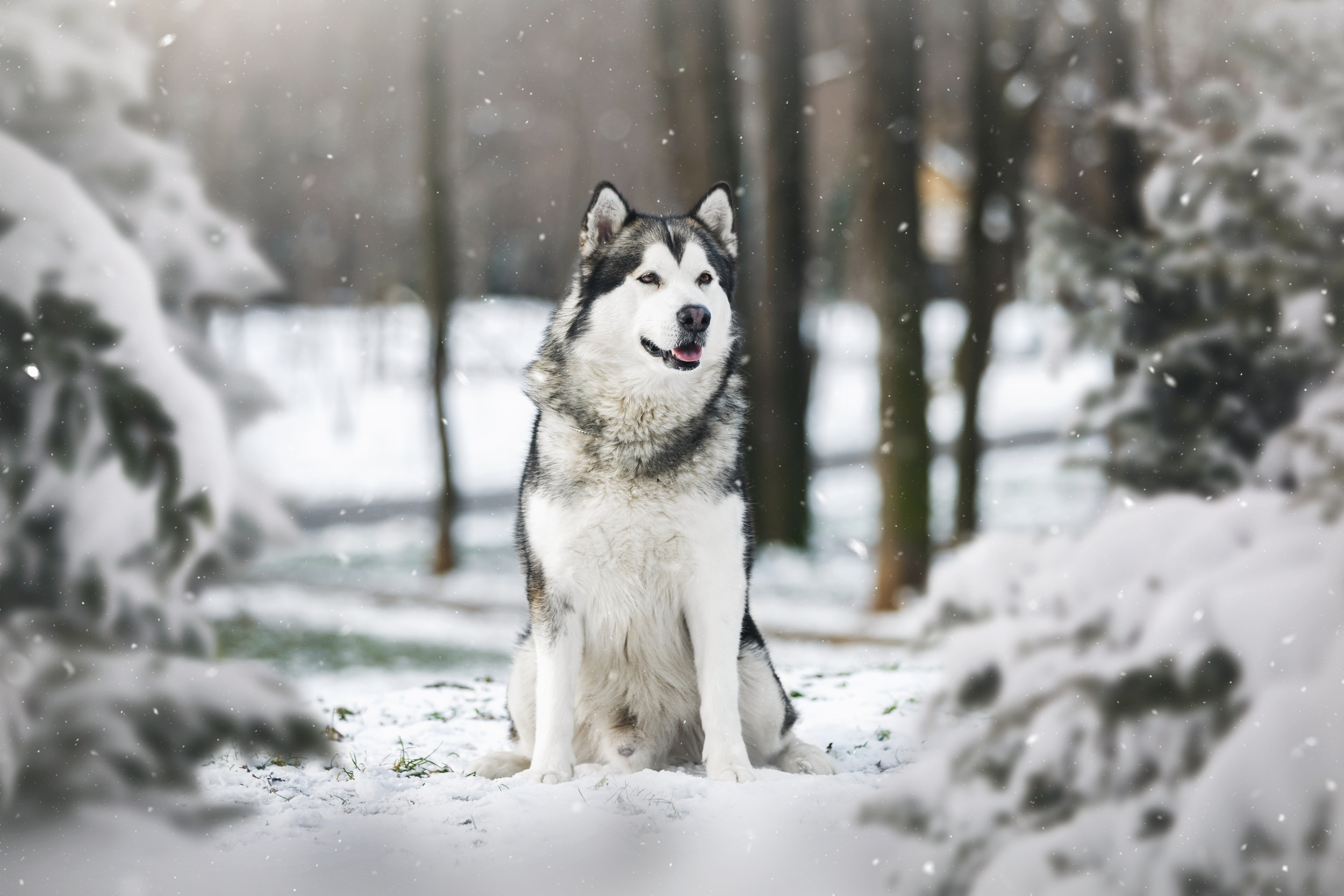
The primeval fascination with the wolf is a sentiment deeply embedded in human psychology. As the ancestor of all modern canines, the wolf represents a wild, untamed intelligence that many enthusiasts wish to bring into their domestic lives. However, for most, owning a literal wolf or a high-content wolf-dog is neither practical nor legal. This has given rise to a surging interest in “lupine-looking” dog breeds—animals that possess the striking morphology of Canis lupus but maintain the temperament of a domestic pet.
In the modern era, the question of “what dog looks like a wolf” is no longer just a matter of visual observation. It has become a complex intersection of advanced technology, genetic sequencing, and data-driven breeding. From AI-powered breed identification apps to the high-tech world of canine genomics, technology is the primary tool used to bridge the gap between the domestic and the wild.
1. The Digital Frontier of Breed Identification: AI and Machine Learning
The most immediate way technology answers the question of which dogs look like wolves is through computer vision. For the average user, identifying a Czechoslovakian Wolfdog versus a standard German Shepherd can be challenging. However, for machine learning models, the subtle nuances of skull shape, ear placement, and coat patterns are data points that can be categorized with startling accuracy.
Computer Vision and Morphological Recognition
Modern AI utilizes convolutional neural networks (CNNs) to analyze canine morphology. When a user uploads a photo of a dog to a digital platform, the algorithm decomposes the image into thousands of features. It looks at the “stop” (the transition from forehead to muzzle), the slant of the eyes, and the bushy texture of the tail—all hallmarks of the wolf aesthetic.
In the tech space, these models are trained on massive datasets containing millions of labeled images of both wild wolves and domestic breeds. By identifying patterns that are statistically rare in domestic dogs but common in wolves—such as the lack of a pronounced “stop” or specific monochromatic shading—AI can provide a percentage-based similarity score. This technology is not just for curiosity; it is being integrated into animal control software and veterinary diagnostic tools to help distinguish between domestic pets and potentially regulated wolf-hybrids.
Apps Revolutionizing Canine Classification
The “App Economy” has brought this high-level tech to the palm of our hands. Applications like Dog Scanner or various AI-driven pet identifiers use real-time processing to categorize breeds. For users seeking a wolf-like companion, these apps have become essential vetting tools. They allow prospective owners to scan shelter dogs or breeder pups to see how closely their physical structure aligns with the “primitive” look of breeds like the Tamaskan or the Northern Inuit Dog.
Furthermore, these apps utilize “Edge AI,” where the processing happens directly on the smartphone rather than on a distant server. This ensures privacy and speed, allowing enthusiasts at dog shows or outdoor events to identify rare, wolf-like breeds instantly. The data collected by these apps also feeds back into larger tech ecosystems, helping researchers understand which “lupine” phenotypes are trending in different geographical regions.
2. The Genomic Revolution: Beyond Physical Resemblance
While AI identifies what a dog looks like on the outside, biotechnology tells us what it is on the inside. The surge in popularity of dogs that look like wolves has been met with a parallel boom in the canine DNA testing industry. Companies like Embark and Wisdom Panel have turned complex genetic sequencing into a consumer-grade tech product.
Direct-to-Consumer DNA Kits and Data Analysis
The technology behind these kits involves analyzing hundreds of thousands of genetic markers—specifically Single Nucleotide Polymorphisms (SNPs). When someone asks, “what dog looks like a wolf,” they are often directed to breeds like the Siberian Husky or the Alaskan Malamute. Genetic tech allows us to quantify exactly how much “wolf DNA” remains in these breeds.
For instance, the Czechoslovakian Wolfdog is a breed that actually originated from a biological experiment in the 1950s, crossing German Shepherds with Carpathian wolves. Modern DNA sequencing tech allows owners to verify the exact percentage of wild ancestry, ensuring that the animal’s genetic profile matches its physical appearance. This level of precision is only possible through high-throughput sequencing technology that was, until recently, reserved for human medical research.
CRISPR and the Quest for the “Primitive” Look
Looking toward the future of tech-driven breeding, the conversation inevitably turns to gene editing. While still controversial and largely unregulated in the pet industry, CRISPR-Cas9 technology offers the theoretical possibility of “designing” a dog that looks identical to a wolf without any of the wild animal’s behavioral instability.
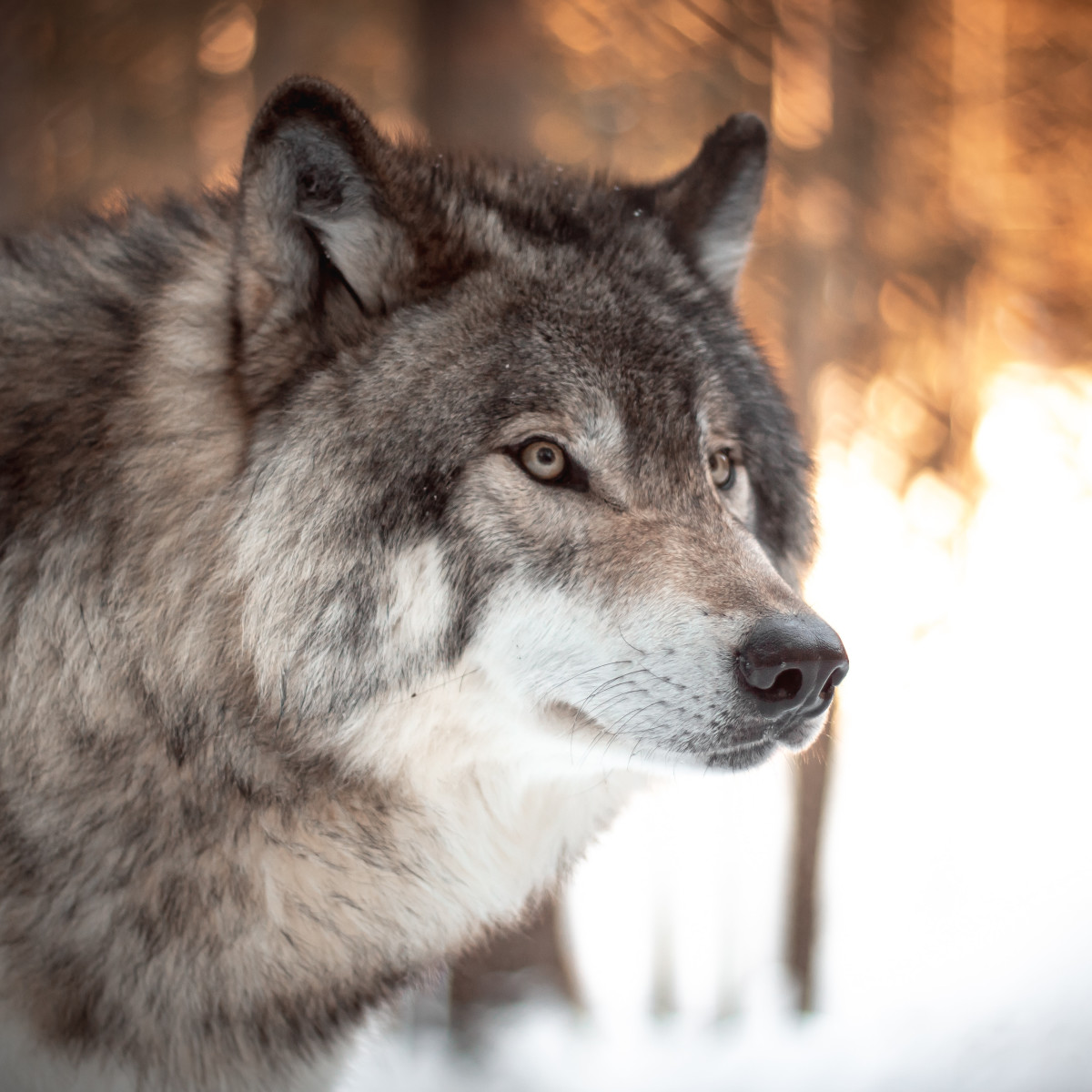
Researchers in the field of synthetic biology are exploring how specific genes control coat color (the Agouti gene) and ear shape. By utilizing digital gene mapping, breeders can, in theory, select for the “wolf look” with surgical precision. This tech-driven approach to breeding is a far cry from the trial-and-error methods of the past, allowing for the creation of “designer primitives” that satisfy the aesthetic demand for wolves through high-tech biological intervention.
3. Digital Ecosystems and the “Wolf” Brand in Social Tech
The popularity of wolf-like dogs is significantly amplified by digital trends and platform algorithms. In the tech-driven attention economy, certain aesthetics perform better than others, and the “wild” look of a lupine dog is highly algorithmic.
Algorithm Optimization for Rare Breed Content
Social media platforms like Instagram and TikTok utilize engagement algorithms that favor high-contrast, visually striking content. A Siberian Husky or a Saarloos Wolfdog in a snowy forest setting is “algorithmic gold.” This creates a feedback loop: the more these wolf-like dogs are featured, the more the tech platforms push them to users, which in turn increases the market demand for these specific breeds.
For developers and content creators, understanding this “lupine aesthetic” is a lesson in SEO and digital marketing. Owners of these breeds often use specialized tech tools to track engagement metrics, optimizing their posts to reach audiences interested in “wilderness tech,” “survivalism,” and “luxury pets.” The wolf-like dog has transitioned from a biological entity to a digital asset that drives traffic and engagement across the tech landscape.
Virtual Reality (VR) and the Simulated Lupine Experience
As we move into the era of the Metaverse and spatial computing, the “wolf dog” experience is being digitized. For individuals who cannot own a high-maintenance breed like an Alaskan Noble Companion Dog, VR tech offers a solution. Advanced haptic feedback and high-fidelity 3D modeling allow users to interact with photorealistic wolf-lookalikes in a digital space.
This intersection of tech and pet ownership serves a dual purpose: it satisfies the human desire for a connection with the wild while using “Digital Twin” technology to model the behavior of these breeds. Some trainers are even using VR simulations to teach prospective owners how to handle the high energy and unique vocalizations of wolf-like breeds before they commit to a physical purchase.
4. Security, Verification, and Ethics in Tech-Driven Breeding
As the market value of wolf-like breeds rises, so does the need for digital security and verification. When a dog looks like a wolf, its “proof of breed” becomes its most valuable asset, leading to the adoption of fintech and security technologies in the canine world.
Blockchain for Pedigree and Ownership Verification
To prevent fraud in the sale of rare lupine breeds, developers are implementing blockchain technology. By creating a decentralized ledger of a dog’s lineage, health records, and DNA results, blockchain provides an unalterable “digital passport.” This is particularly important for breeds like the Yakutian Laika or the Tamaskan, where the population is small and the risk of inbreeding or fraudulent “wolf-hybrid” claims is high.
Smart contracts can also be used in the breeding process, ensuring that the digital records of a pup’s ancestry are automatically updated and verified against genetic databases. This tech-driven transparency protects both the buyer and the integrity of the breed, ensuring that the “wolf look” is backed by legitimate data.
The Ethical Code: Regulating AI-Modified Breed Standards
The intersection of tech and “wolf” dogs also raises significant ethical questions. As AI begins to play a larger role in selecting which dogs are bred based on visual data, there is a risk of prioritizing aesthetics over health. “Digital Breeding” programs use algorithms to predict the outcome of a litter, but these programs must be coded with ethical guardrails to prevent the propagation of genetic disorders often associated with purebred aesthetics.
The tech community is currently debating the implementation of “Canine Ethics APIs”—software modules that breeders can use to ensure their selection process maintains genetic diversity. As we continue to use technology to refine the domestic dog into a wolf-lookalike, the responsibility lies with the developers and geneticists to ensure that the “wild” beauty we see is supported by a healthy, technologically-verified foundation.
In conclusion, the answer to “what dog looks like a wolf” is increasingly found in lines of code and genetic sequences. Whether it is through the lens of a smartphone camera running an AI model or the precise data of a DNA sequencing lab, technology is the medium through which we rediscover our ancient connection to the wolf. By leveraging these tools responsibly, we can enjoy the majesty of the lupine aesthetic while ensuring the safety, health, and security of our modern canine companions.
aViewFromTheCave is a participant in the Amazon Services LLC Associates Program, an affiliate advertising program designed to provide a means for sites to earn advertising fees by advertising and linking to Amazon.com. Amazon, the Amazon logo, AmazonSupply, and the AmazonSupply logo are trademarks of Amazon.com, Inc. or its affiliates. As an Amazon Associate we earn affiliate commissions from qualifying purchases.