
In the complex ecosystem of global commodities, few chemical compounds play as pivotal—yet overlooked—a role as sodium bisulfite ($NaHSO_3$). While a chemist might describe it as an inorganic salt used as a reducing agent, a financial analyst views it as a critical indicator of industrial health across multiple sectors, including paper manufacturing, water treatment, and food preservation. Understanding what sodium bisulfite is requires looking beyond its molecular structure and into its status as a multi-million dollar market asset.
For investors, business strategists, and financial planners, sodium bisulfite represents a stable “workhorse” commodity. Its demand is inextricably linked to essential infrastructure and consumer staples, making it a fascinating case study in industrial economics. This article explores the financial landscape of sodium bisulfite, examining its market drivers, the regulatory risks affecting its valuation, and its long-term investment potential in a changing global economy.

Understanding the Industrial Utility: The Financial Backbone of Sodium Bisulfite
The economic value of sodium bisulfite is derived from its extreme versatility. It serves as a fundamental input for several high-revenue industries, creating a diversified demand profile that buffers it against sector-specific downturns.
Pulp and Paper: The Revenue Engine
Historically, the pulp and paper industry has been the largest consumer of sodium bisulfite. In this sector, the compound is used primarily for bleaching and mechanical pulping processes. From a business finance perspective, sodium bisulfite is a “process chemical”—an essential operational expenditure (OPEX) that paper mills must budget for to maintain product quality.
Despite the digital transformation of the economy, the surge in e-commerce has led to a massive increase in demand for packaging and cardboard. This “Amazon effect” has sustained the paper industry, subsequently stabilizing the revenue streams for sodium bisulfite producers. Analysts tracking the chemical sector often look at corrugated box demand as a leading indicator for sodium bisulfite price movements.
Water Treatment: A Growing Sector for Sustainable Portfolios
As global environmental standards tighten, the water treatment sector has become a high-growth area for sodium bisulfite. It is used as a dechlorination agent, removing residual chlorine from wastewater before it is discharged into the environment.
For municipal authorities and industrial plants, sodium bisulfite is a cost-effective solution for regulatory compliance. From an investment standpoint, the compound is a key component of the “Blue Economy.” As ESG (Environmental, Social, and Governance) investing gains traction, companies that provide the chemical infrastructure for clean water are seeing increased interest from institutional capital. Sodium bisulfite’s role in preventing environmental fines makes it a risk-mitigation tool for large-scale industrial operations.
Market Dynamics: Global Demand and Price Volatility
The market for sodium bisulfite is not static; it is influenced by geopolitical shifts, energy costs, and the health of the global supply chain. To understand its financial trajectory, one must analyze the forces governing its supply and demand.
Supply Chain Fragility in the Chemical Sector
Sodium bisulfite is typically produced by reacting sulfur dioxide with a solution of sodium carbonate. This means its price is tethered to the volatility of the sulfur and soda ash markets. When energy prices spike, the cost of manufacturing and transporting these precursor chemicals rises, leading to a “cost-push” inflation scenario for sodium bisulfite.
Furthermore, the concentration of production in specific geographic hubs—most notably China and India—introduces geopolitical risk. Trade tariffs, shipping disruptions in the South China Sea, or changes in Chinese environmental policy can lead to sudden supply shortages. For procurement departments in Western markets, this necessitates complex hedging strategies and the maintenance of larger safety stocks, which ties up working capital.
Regional Market Leaders: Asia-Pacific vs. North America
The Asia-Pacific region currently dominates the sodium bisulfite market, driven by the massive industrial bases in China and India. The rapid urbanization in these nations requires extensive water treatment infrastructure and paper manufacturing, fueling a high Compound Annual Growth Rate (CAGR).
In contrast, the North American and European markets are characterized by “replacement demand” and strict regulatory environments. In these regions, the financial focus is on high-purity grades of sodium bisulfite used in the food and beverage and pharmaceutical industries. These niche markets offer higher profit margins compared to industrial-grade applications, providing a lucrative opportunity for chemical companies that can meet stringent quality certifications.

The Regulatory Landscape: Financial Risks and Compliance Costs
In the world of industrial chemicals, regulation is often the primary driver of fiscal change. Sodium bisulfite is subject to oversight from bodies such as the EPA (Environmental Protection Agency) in the United States and REACH (Registration, Evaluation, Authorisation and Restriction of Chemicals) in the European Union.
Environmental, Social, and Governance (ESG) Considerations
As corporations face increasing pressure to report their carbon footprints and environmental impacts, the “green” credentials of chemical inputs are under the microscope. Sodium bisulfite is generally considered a safer and more manageable alternative to gaseous sulfur dioxide. This transition represents a shift in capital expenditure (CAPEX) for many plants, as they move toward liquid chemical feed systems.
For the savvy investor, this shift highlights a trend: companies that facilitate the safe handling and distribution of sodium bisulfite (such as specialized logistics and storage firms) are becoming integral to the industrial value chain. The fiscal impact of ESG is no longer theoretical; it is influencing which chemical manufacturers receive favorable lending rates and insurance premiums.
The Impact of Food Safety Regulations on Profit Margins
In the food industry, sodium bisulfite is used as a preservative to prevent browning and bacterial growth. However, because it can trigger allergic reactions in some individuals, its use is strictly regulated by the FDA and international food safety bodies.
For food producers, the cost of labeling, testing, and potential litigation related to sulfite use is a significant line item. Any change in the “Generally Recognized as Safe” (GRAS) status of sulfites could lead to a sudden pivot toward more expensive organic alternatives. Business analysts must monitor these regulatory whispers, as a single policy change could evaporate a significant portion of the sodium bisulfite market overnight.
Investment Thesis: Why Sodium Bisulfite Matters to Modern Portfolios
While sodium bisulfite might not have the “glamour” of AI or biotechnology, it possesses the characteristics of a classic defensive asset. It is a fundamental building block of the modern industrial world, offering a combination of stability and steady growth.
Direct and Indirect Investment Routes
Investors looking to gain exposure to the sodium bisulfite market rarely do so through direct commodity trading. Instead, they look toward the equities of the major producers. Global chemical giants like BASF SE, Solvay, and Honeywell International have significant stakes in the production of sulfur-based chemicals.
An indirect but effective strategy involves investing in the “pick and shovel” companies of the chemical industry—those providing the pumps, tanks, and automated delivery systems required to use sodium bisulfite in industrial settings. As automation and “Industry 4.0” take hold, the integration of smart sensors into chemical dosing systems represents a high-margin growth area for tech-adjacent industrial firms.
Future Projections: Post-2024 Market Outlook
Looking toward the end of the decade, the financial outlook for sodium bisulfite remains cautiously optimistic. The primary growth driver will likely be the global push for wastewater recycling. As freshwater becomes a scarcer and more expensive resource, the fiscal incentive for industries to treat and reuse water will grow. Sodium bisulfite, as a key component of the treatment process, will see sustained demand.
Furthermore, the rise of the “Circular Economy” is prompting manufacturers to find ways to reclaim sulfur from industrial waste streams to produce bisulfites. This innovation could lower production costs and improve profit margins, making the sector even more attractive to value-oriented investors.
Conclusion: The Bottom Line on Sodium Bisulfite
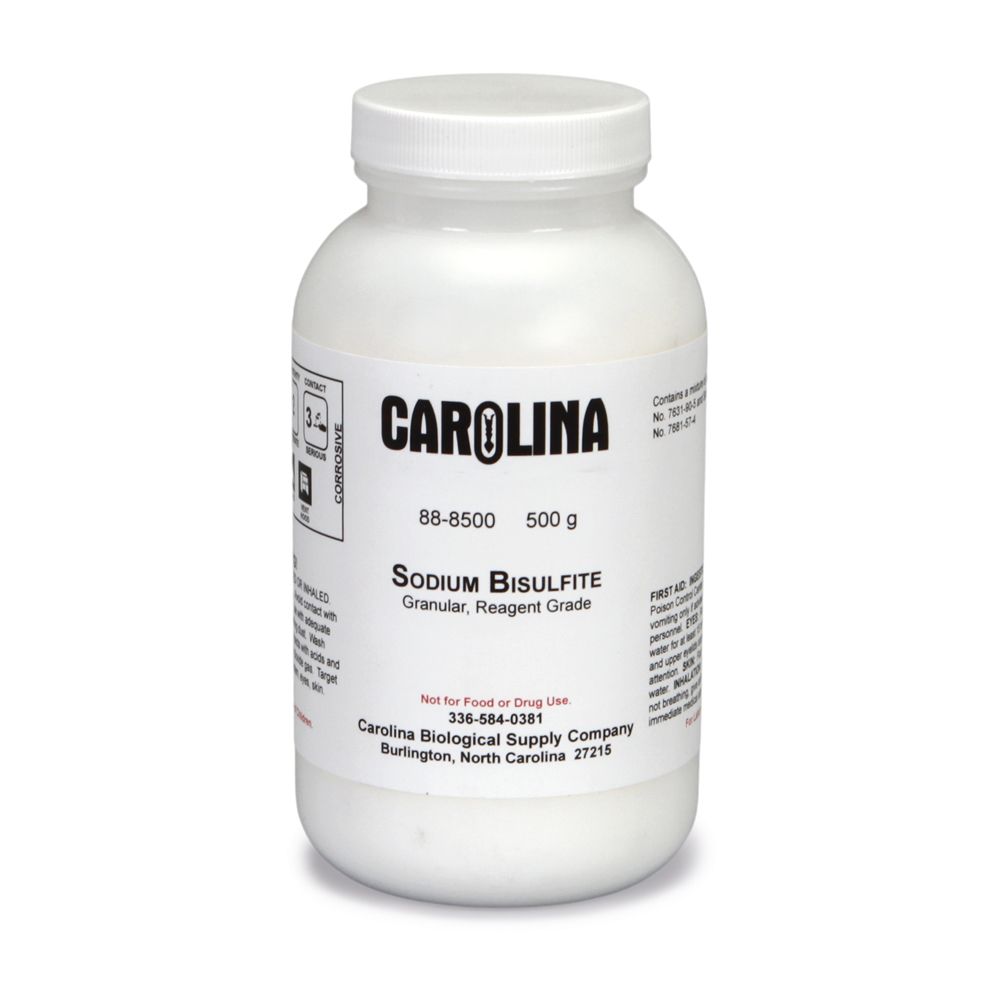
To answer the question “What is sodium bisulfite?” from a financial perspective is to acknowledge a critical cog in the machinery of global commerce. It is a compound that stabilizes the paper in our shipping boxes, ensures the safety of the water in our taps, and preserves the food on our shelves.
For the business professional, sodium bisulfite is more than a chemical; it is a barometer for industrial activity and a testament to the importance of “boring” commodities in a diversified portfolio. While it faces challenges from regulatory shifts and supply chain volatility, its essential nature ensures that it will remain a staple of the global economy for years to come. In an era of high-tech speculation, there is profound financial wisdom in understanding the steady, reliable value of the inorganic salts that keep our world running.
aViewFromTheCave is a participant in the Amazon Services LLC Associates Program, an affiliate advertising program designed to provide a means for sites to earn advertising fees by advertising and linking to Amazon.com. Amazon, the Amazon logo, AmazonSupply, and the AmazonSupply logo are trademarks of Amazon.com, Inc. or its affiliates. As an Amazon Associate we earn affiliate commissions from qualifying purchases.