
In an increasingly complex and interconnected world, brand strategy can no longer afford to operate in a vacuum of simple market segmentation and demographic analysis. To truly resonate, build loyalty, and drive meaningful impact, brands must develop a profound understanding of the societies they inhabit and serve. This requires moving beyond superficial observations to grasp the fundamental frameworks that shape human interaction, societal structures, and cultural narratives. This is precisely where sociological paradigms become invaluable tools for the modern brand strategist.
Sociological paradigms are foundational theoretical lenses that sociologists use to understand and explain society. They are overarching frameworks that offer a broad perspective on how society works, influencing the questions asked, the data collected, and the interpretations made. Far from being abstract academic exercises, these paradigms provide a robust toolkit for deciphering the underlying currents of culture, power, and meaning that dictate brand perception and consumer behaviour. For brand leaders seeking to craft strategies that are not just effective but also authentic, ethical, and enduring, embracing sociological paradigms is no longer an option—it’s a strategic imperative.
Beyond Demographics: The Foundational Role of Sociological Paradigms in Brand Understanding
Traditional brand strategy often begins with identifying target demographics: age, income, location, education. While these data points are certainly useful, they represent only the surface level of understanding. They tell us who people are in a statistical sense, but rarely why they behave the way they do, what truly motivates them, or how they derive meaning from their interactions with brands. Sociological paradigms offer a more profound, structural, and interpretive understanding, enabling strategists to uncover the deeper currents that shape consumer consciousness and societal trends.
Defining Sociological Paradigms: Lenses on Society
A sociological paradigm is essentially a philosophical and theoretical framework used within a discipline to formulate theories, generalizations, and experiments performed in support of it. In sociology, these paradigms offer distinct ways of viewing and interpreting the social world. They are like different sets of spectacles, each highlighting particular aspects of society while downplaying others. By understanding these different lenses, brand strategists can gain a multi-faceted perspective on the social dynamics that influence their markets.
At their core, sociological paradigms help us answer fundamental questions about society: How is society structured? What drives social change? How do individuals relate to larger social forces? How is meaning created and maintained? The answers to these questions are not just academic; they directly inform how brands can connect with their audiences on a deeper, more resonant level. They move us past simple transactional thinking to a more holistic view of brands as participants in the ongoing social drama.
Why Brand Strategists Need Deeper Insights
In today’s highly competitive and increasingly scrutinized marketplace, brands are expected to stand for something more than just their products or services. Consumers, particularly younger generations, demand authenticity, social responsibility, and a clear understanding of cultural nuances. Traditional market research, while essential for quantitative data, often falls short in providing these deeper, qualitative insights. It can tell you what consumers buy, but struggles to articulate why they value certain brands over others, how brand messages are interpreted within specific cultural contexts, or what role a brand plays in their social identity.
Sociological paradigms provide the analytical framework to bridge this gap. By understanding these theoretical underpinnings, brand strategists can:
- Anticipate Social Shifts: Recognize emerging trends and counter-trends by understanding underlying power dynamics or shifts in collective meaning.
- Craft Authentic Narratives: Develop brand stories that resonate because they tap into deeply held societal values, aspirations, or even frustrations.
- Navigate Cultural Nuances: Avoid missteps and build inclusive strategies by appreciating how different social groups interpret symbols and messages.
- Build Resilient Brands: Create brands that are not just popular but are also deeply embedded in the social fabric, capable of adapting to change while retaining their core identity.
In essence, sociological paradigms equip brand strategists with a sophisticated set of conceptual tools to analyze society not as a collection of individual consumers, but as a dynamic system of interacting groups, institutions, and meanings.
Applying the Core Paradigms to Brand Strategy
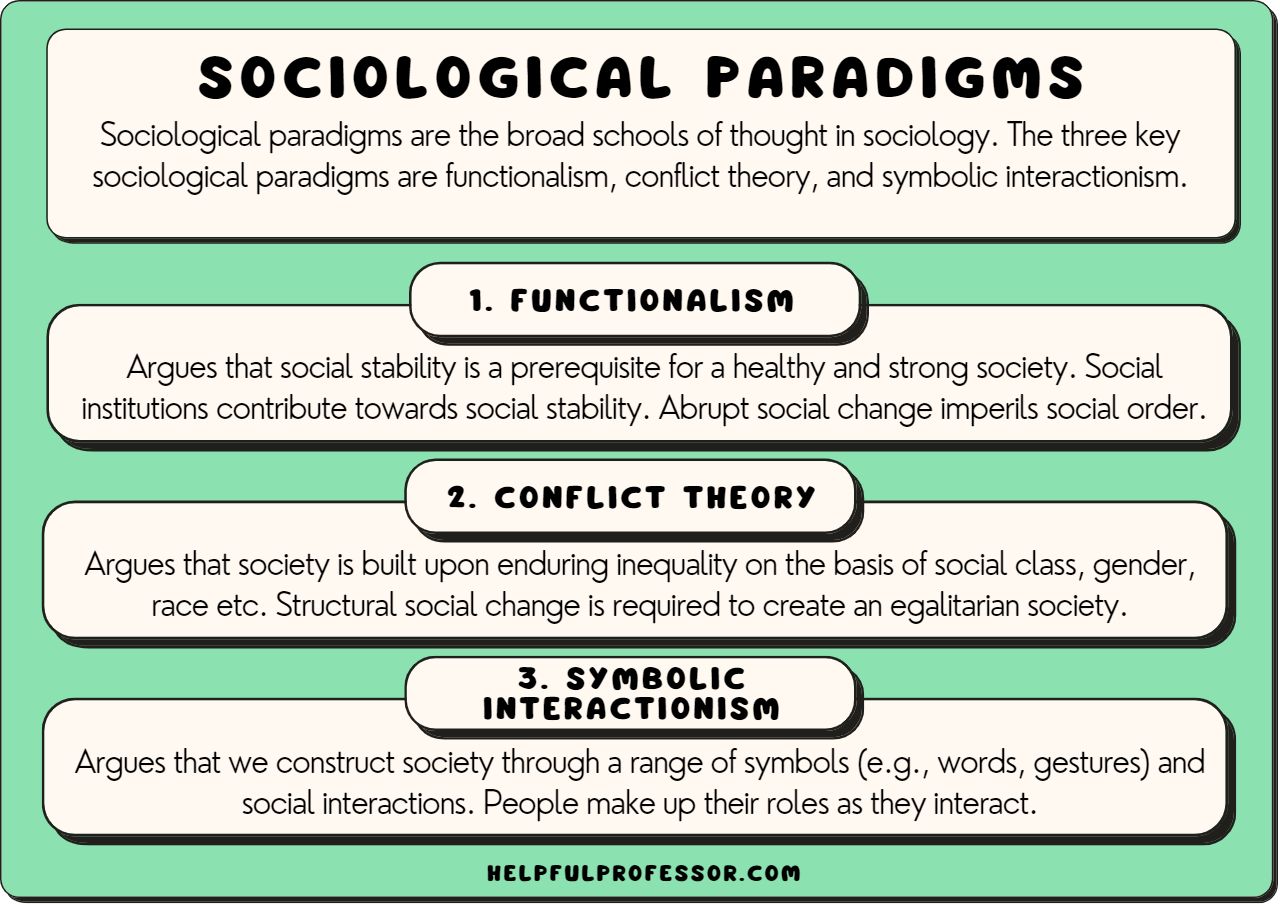
While there are many sociological theories, three major paradigms dominate the field: Functionalism, Conflict Theory, and Symbolic Interactionism. Each offers a unique lens through which to view society, and consequently, a distinct pathway for informing brand strategy.
Functionalism: Branding for Social Cohesion and System Stability
Functionalism views society as a complex system whose parts work together to promote solidarity and stability. Each social institution (like family, education, government, and even business) plays a specific role, contributing to the overall health and equilibrium of the system. From a functionalist perspective, social change is gradual and adaptive, aiming to restore balance.
Application to Branding:
Brands operating within a functionalist framework often emphasize tradition, reliability, community, and shared values. They seek to reinforce existing social structures and norms, positioning themselves as integral, dependable components of daily life that contribute to societal well-being.
- Emphasis on Trust and Heritage: Brands that highlight a long history, consistent quality, and a sense of legacy often appeal to a functionalist worldview. They offer stability in a changing world. Think of established food brands, banks, or automotive companies that market themselves on their enduring presence and dependable performance.
- Promoting Community and Belonging: Brands that foster a sense of collective identity and shared purpose tap into the functionalist desire for social cohesion. This could be through loyalty programs that create a “family,” or by sponsoring community events that bring people together.
- Highlighting Practicality and Problem-Solving: Brands that offer efficient solutions to everyday needs, thereby reducing friction and contributing to a smoother societal operation, align with functionalist principles. Their marketing focuses on utility, ease of use, and integration into a well-ordered life.
- Social Responsibility as System Maintenance: Brands engaging in corporate social responsibility (CSR) initiatives that aim to “fix” societal problems (e.g., environmental sustainability, educational support) can be seen as helping to maintain social equilibrium and function, resonating with those who value societal order and well-being.
Conflict Theory: Brands and Power Dynamics, Inequality, and Resistance
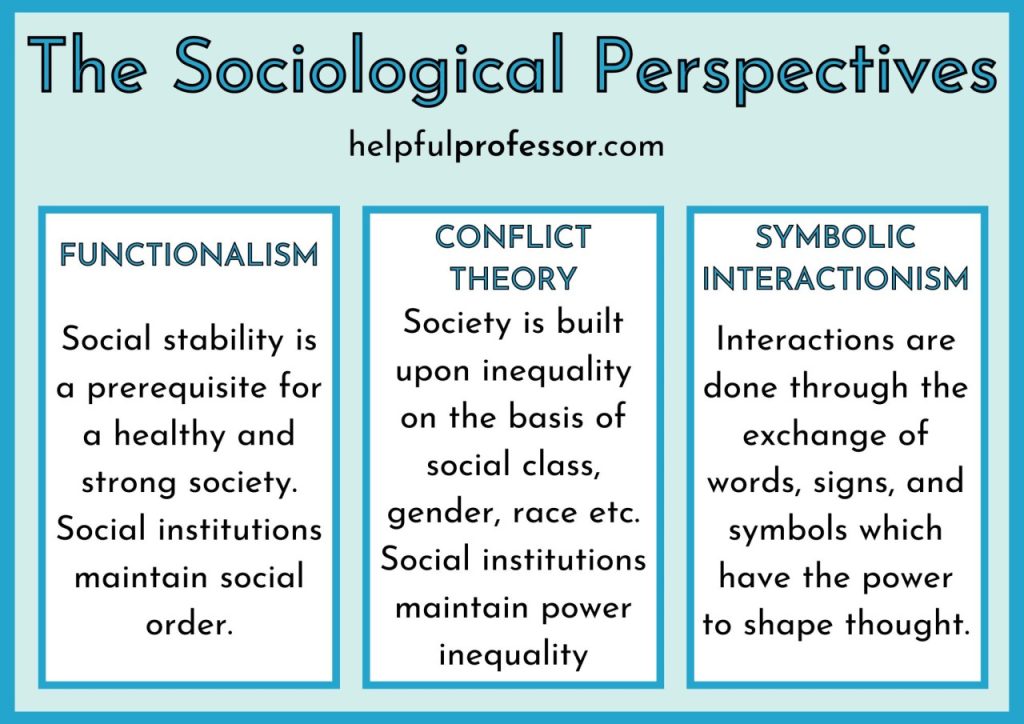
Conflict theory posits that society is a dynamic arena of inequality and conflict, driven by competition for limited resources (e.g., wealth, power, prestige). Social groups are constantly vying for dominance, leading to inherent tension and revolutionary change rather than gradual adaptation. It highlights power imbalances and how dominant groups maintain their position while subordinate groups resist.
Application to Branding:
Brands leveraging a conflict theory lens often tap into aspirations for status, challenge the status quo, or represent counter-cultural movements. They understand that consumption can be an act of social positioning, rebellion, or alignment with specific power dynamics.
- Status and Aspiration: Luxury brands are prime examples, as they explicitly or implicitly communicate social hierarchy and achievement. Their marketing often plays on the desire for upward mobility, exclusivity, and the symbolic power of ownership.
- Challenging the Status Quo: Brands that align themselves with social justice movements, sustainability, or ethical production often do so from a conflict perspective, positioning themselves against perceived injustices or corporate greed. They become symbols of resistance or change, attracting consumers who want their purchases to reflect their political or ethical stances. (e.g., fair trade brands, eco-conscious fashion).
- Subversion and Counter-Culture: Brands that cater to niche groups, alternative lifestyles, or express anti-establishment sentiment resonate with conflict theory’s emphasis on power struggles and identity formation against the mainstream. They offer symbols of defiance or belonging for those who feel marginalized or simply wish to differentiate themselves.
- Empowerment and Advocacy: Brands that champion marginalized voices, advocate for systemic change, or empower specific groups (e.g., women, minorities) implicitly engage with conflict theory by acknowledging and challenging existing power imbalances.
Symbolic Interactionism: Brands as Meaning-Makers in Social Interaction
Symbolic Interactionism is a micro-level theory that focuses on how individuals interact through shared understanding of symbols. It emphasizes that society is a product of our daily interactions, where meanings are not inherent but are created and negotiated through communication, gestures, and shared symbols. Our sense of self, and our understanding of the world, are constantly being constructed through these interactions.
Application to Branding:
This paradigm is incredibly powerful for understanding how brands create meaning, how consumers incorporate brands into their identity, and how brand narratives are co-created in social contexts. It underscores the importance of storytelling, brand iconography, and community building.
- Brand as Identity Marker: Consumers use brands as symbols to construct and communicate their personal identity to others. A particular brand of clothing, car, or phone sends signals about who we are, what we value, and what groups we belong to. Brands become part of our ‘symbolic self’.
- Storytelling and Narrative Construction: Symbolic interactionism highlights that brand meaning isn’t just delivered; it’s co-created. Effective brands provide compelling narratives and symbols that consumers can interpret, adapt, and weave into their own life stories, thereby becoming brand advocates.
- Rituals and Consumption: Many consumption patterns involve rituals (e.g., morning coffee routine, holiday gift-giving). Brands that become embedded in these rituals gain deep symbolic significance, transcending their functional utility.
- Community and Conversation: Social media has amplified the symbolic interactionist paradigm. Brands thrive when they facilitate conversations, create communities around shared interests, and allow consumers to interact with each other and with the brand’s symbols, further solidifying meanings.
- Personalization and Experience: Because meaning is individually constructed, brands focusing on personalized experiences and co-creation (allowing consumers to customize products or experiences) align well with this paradigm, empowering individuals to imbue products with their unique meanings.
Integrating Paradigm-Driven Insights for Authentic Branding
Understanding these paradigms individually is a strong start, but their true power for brand strategy lies in their integration. No single paradigm fully explains society, and a nuanced brand strategy will often draw insights from all three.
Developing Empathy and Cultural Competence
By viewing society through the diverse lenses of functionalism, conflict theory, and symbolic interactionism, brand strategists can cultivate a deeper sense of empathy and cultural competence. This allows them to move beyond superficial demographic data and appreciate the complex interplay of social structures, power dynamics, and individual meaning-making that shape consumer behaviour. It helps in:
- Avoiding Cultural Missteps: A conflict theorist lens might reveal underlying tensions in a target market, preventing a brand from unwittingly alienating a segment. A symbolic interactionist perspective can highlight the nuanced meanings of symbols, ensuring messages are interpreted as intended.
- Crafting Inclusive Messages: Understanding how different groups interpret the world and their place within it enables the creation of marketing campaigns that resonate authentically across diverse audiences, rather than catering to a monolithic, assumed norm.
- Building Genuine Connections: Empathy fostered by sociological insight allows brands to connect with consumers on an emotional and intellectual level, acknowledging their lived experiences, aspirations, and frustrations within the broader societal context.
Crafting Resilient and Responsive Brand Narratives
The world is in constant flux. Social norms evolve, power dynamics shift, and cultural meanings transform. Brands that are built on static understandings risk becoming irrelevant. Sociological paradigms provide the analytical agility to craft resilient brand narratives that can adapt and remain relevant amidst change.
- Anticipating Trends: A functionalist might observe stresses on social institutions leading to a demand for solutions that restore equilibrium. A conflict theorist might predict backlash against certain corporate practices. A symbolic interactionist might foresee how new technologies could redefine social rituals.
- Adapting Messaging: When societal values shift, brands informed by these paradigms can pivot their messaging effectively. If the collective mood shifts from stability (functionalism) to questioning power structures (conflict theory), a brand can adjust its narrative to emphasize empowerment or advocacy rather than just tradition.
- Long-Term Relevance: By understanding the foundational social forces, brands can develop core narratives that are robust enough to transcend fleeting trends, embedding themselves deeply within the evolving social fabric. This creates a brand that is not just trendy, but deeply connected to the human experience.
The Future of Branding: Sociological Acumen as a Competitive Advantage
In an era where consumers increasingly demand purpose-driven brands and scrutinize corporate ethics, sociological acumen is rapidly transforming from a desirable skill to a critical competitive advantage. Brands are no longer just commercial entities; they are social actors, contributors to, and reflections of, the societies they operate within.
Beyond Transactional Relationships
The future of branding lies in moving beyond purely transactional relationships to fostering genuine, meaningful connections. This requires brands to understand their role within the larger social system.
- Brands as Social Institutions: Brands can act as de facto social institutions, providing community, identity, and shared meaning. Understanding the functionalist need for social cohesion allows brands to consciously build platforms that serve these needs.
- Engaging in Social Dialogue: Acknowledging the conflict theory perspective, brands can choose to take stances on social issues, engaging in dialogue that reflects their values and those of their target audience, thereby building deeper allegiance.
- Co-Creation of Value: By embracing symbolic interactionism, brands can invite consumers into the creative process, fostering a sense of ownership and shared meaning that transcends mere product purchase.

Ethical Branding in a Complex World
The power of brands to shape culture comes with significant ethical responsibilities. A sociological lens helps brands navigate these complexities.
- Identifying Unintended Consequences: Before launching campaigns or products, strategists can use conflict theory to consider potential negative impacts on marginalized groups, or use symbolic interactionism to anticipate misinterpretations of symbols.
- Building Trust and Transparency: In a world where institutional trust is often low, brands that demonstrate a deep understanding of societal concerns, and act with integrity within those contexts, can build lasting trust. This means not just doing good, but demonstrably understanding the social implications of their actions.
- Leading with Purpose: Ultimately, brands that integrate sociological paradigms into their strategy are better equipped to lead with purpose, contributing positively to society while achieving commercial success. They understand that sustainable branding is not just about market share, but about shared values and a shared future.
In conclusion, “what are sociological paradigms” is a question that, when answered and deeply integrated, provides brand strategists with an unparalleled advantage. It elevates branding from a tactical exercise to a profound engagement with the human condition, enabling the creation of brands that are not only successful but also deeply resonant, responsible, and truly impactful in the social world.
aViewFromTheCave is a participant in the Amazon Services LLC Associates Program, an affiliate advertising program designed to provide a means for sites to earn advertising fees by advertising and linking to Amazon.com. Amazon, the Amazon logo, AmazonSupply, and the AmazonSupply logo are trademarks of Amazon.com, Inc. or its affiliates. As an Amazon Associate we earn affiliate commissions from qualifying purchases.