
In the world of finance, commerce, and global trade, abbreviations are the shorthand of efficiency. Among the most ubiquitous is “MFG,” the standard abbreviation for manufacturing. While on the surface it simply refers to the process of turning raw materials into finished goods, for the savvy investor, business owner, or financial analyst, MFG represents a massive pillar of the global economy.
Understanding what MFG means in a financial context goes beyond a simple dictionary definition. It involves grasping how production cycles impact market volatility, how manufacturing data serves as a leading economic indicator, and how the shift toward high-tech production is creating new opportunities for wealth creation. This article explores the depths of the manufacturing sector, its financial intricacies, and why it remains one of the most vital components of a diversified investment portfolio.
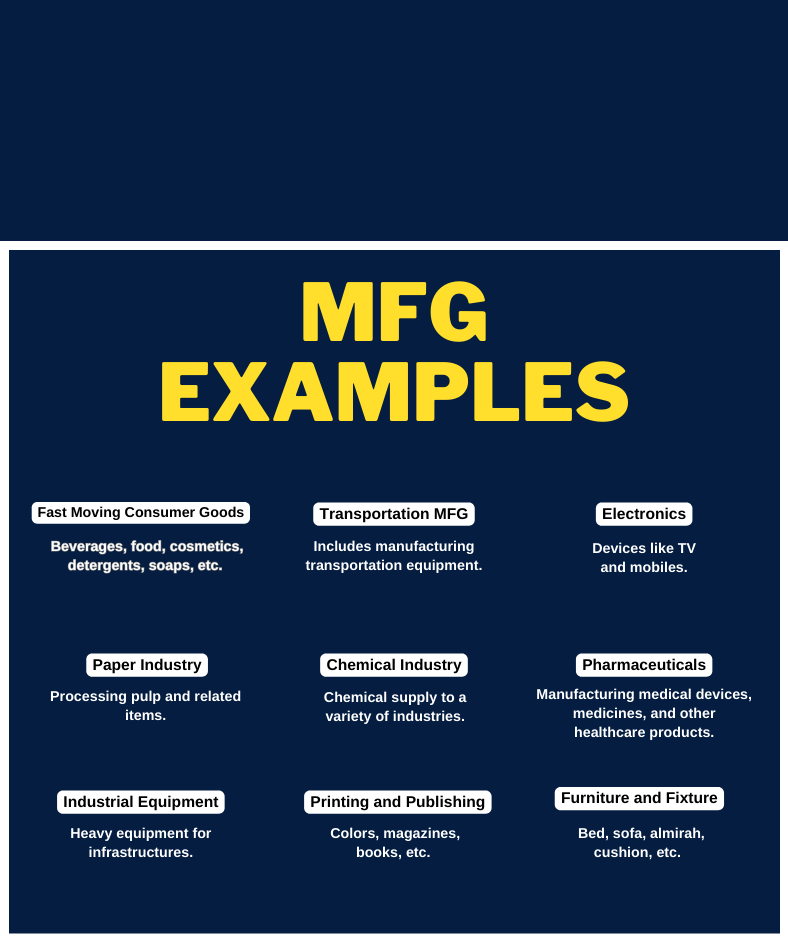
Understanding MFG as an Economic Powerhouse
At its core, MFG refers to the industrial-scale transformation of raw materials, substances, or components into new products. This can be achieved through mechanical, physical, or chemical processes. From a business and money perspective, manufacturing is the primary “value-added” stage of the supply chain.
The Definition and Core Components of Manufacturing
Manufacturing is traditionally categorized into two main types: discrete and process manufacturing. Discrete manufacturing involves the creation of distinct items that can be touched and counted, such as smartphones, automobiles, or furniture. Process manufacturing, on the other hand, involves formulas or recipes, resulting in goods like chemicals, refined oil, or processed foods.
For someone looking at the business side of things, MFG is characterized by the “conversion cost.” This is the combined cost of direct labor and manufacturing overhead required to turn raw materials into a sellable product. Understanding these costs is essential for determining a company’s profitability and its “moat” or competitive advantage in the marketplace.
From Raw Materials to Value-Added Goods
The economic power of the MFG sector lies in its ability to multiply wealth. When a company takes $10 worth of steel and plastic and converts it into a $500 medical device, it creates $490 of economic value. This “value-added” metric is what drives Gross Domestic Product (GDP) growth. In many developed and developing nations, the health of the MFG sector is seen as a barometer for the overall health of the middle class, as manufacturing traditionally provides high-paying jobs and stimulates secondary service industries, such as logistics, maintenance, and engineering.
MFG and the Business Cycle: Why It Matters for Investors
Investors closely monitor the MFG sector because it is often the “canary in the coal mine” for the broader economy. Because manufacturing requires significant lead times and capital investment, shifts in this sector often precede shifts in the general stock market.
The ISM Manufacturing Index (PMI) as a Leading Indicator
One of the most important tools for any financial analyst is the Purchasing Managers’ Index (PMI), specifically the ISM Manufacturing Report on Business. This monthly indicator is based on surveys of manufacturing supply executives. A reading above 50 indicates expansion in the MFG sector, while a reading below 50 indicates contraction.
Because manufacturers are at the beginning of the supply chain, they feel the effects of a slowing economy before retailers or service providers do. If manufacturers see a drop in new orders, they scale back production, reduce overtime, and slow down raw material purchases. For an investor, a declining PMI is often a signal to rotate out of cyclical stocks and into more defensive positions.
Capital Expenditure (CapEx) and Long-Term Growth
In the world of business finance, MFG is synonymous with Capital Expenditure, or CapEx. Manufacturing companies must constantly reinvest in their physical infrastructure—factories, robotics, and tooling—to remain competitive.
While high CapEx can weigh on short-term cash flow, it is often a sign of long-term confidence. When a company announces a multi-billion dollar “MFG facility” expansion, it is signaling to the market that it expects sustained demand for years to come. Analysts look at the ratio of CapEx to depreciation to determine if a company is merely maintaining its current state or aggressively positioned for future growth.
Financial Metrics for Evaluating MFG Companies

Analyzing a manufacturing company requires a different lens than analyzing a software-as-a-service (SaaS) or a service-based business. The heavy reliance on physical assets and inventory means that certain financial metrics take center stage.
Cost of Goods Sold (COGS) and Gross Margins
For an MFG-based business, the Cost of Goods Sold (COGS) is the most critical line item on the income statement. It includes the direct costs of producing the goods sold by a company—materials, labor, and factory overhead.
The Gross Margin (Total Revenue minus COGS, divided by Total Revenue) tells an investor how efficiently a company is producing its goods. In the MFG world, a rising gross margin usually indicates “economies of scale.” As a factory produces more units, the fixed costs (like the building lease and machinery) are spread over a larger number of items, reducing the cost per unit and increasing the profit on every sale.
Inventory Turnover and Supply Chain Liquidity
Unlike service businesses, MFG companies carry significant inventory. This represents “trapped” cash. The Inventory Turnover ratio—how many times a company has sold and replaced its inventory during a specific period—is a key indicator of operational efficiency.
A low turnover ratio might suggest that the company is overproducing or that demand for its products is waning, both of which are red flags for investors. Conversely, a high turnover ratio suggests lean, efficient operations that maximize the “velocity of money.”
EBITDA and Capital Intensive Operations
Because manufacturing involves heavy investments in machinery, these companies often have high depreciation and amortization expenses. To get a clearer picture of the operational cash flow, many investors focus on EBITDA (Earnings Before Interest, Taxes, Depreciation, and Amortization). This allows for a more “apples-to-apples” comparison between manufacturing firms with different ages of equipment or different debt structures.
The Future of MFG: Investing in Automation and Sustainability
The definition of MFG is currently undergoing a radical transformation. We are moving away from the “smoke and gears” era into the era of “Smart Manufacturing” or Industry 4.0. This shift is creating massive opportunities for investors in tech-adjacent manufacturing sectors.
The ROI of Industry 4.0 and Smart Factories
The integration of Artificial Intelligence (AI), the Internet of Things (IoT), and robotics into the MFG process is fundamentally changing the financial profile of the industry. These technologies allow for “predictive maintenance,” reducing costly factory downtime, and “additive manufacturing” (3D printing), which reduces material waste.
From a money perspective, the ROI (Return on Investment) for automation is becoming increasingly attractive. As labor costs rise and the price of robotics falls, companies that aggressively adopt “Smart MFG” techniques are seeing significant margin expansion. Investors are increasingly looking for companies that aren’t just manufacturers, but “tech-enabled producers.”
ESG Factors and the Green Manufacturing Movement
In the modern financial landscape, Environmental, Social, and Governance (ESG) criteria play a huge role in institutional investing. MFG is historically a resource-intensive sector, making it a primary focus for sustainability initiatives.
Companies that can reduce their carbon footprint, implement circular economy principles (recycling scrap back into production), and secure ethical supply chains are attracting a lower “cost of capital.” This means they can borrow money more cheaply and attract a broader base of institutional investors. “Green MFG” is no longer just a PR move; it is a core financial strategy that mitigates risk against future carbon taxes and regulatory shifts.

Conclusion: Why MFG Remains a Cornerstone of Wealth
“MFG” might be a simple three-letter abbreviation, but it encapsulates the complex heart of global commerce. For the individual investor or the corporate strategist, understanding the nuances of manufacturing is essential for navigating the complexities of the financial markets.
Whether it is through tracking the PMI to predict market shifts, analyzing COGS to find the most efficient producers, or identifying the leaders in the Industry 4.0 revolution, the manufacturing sector offers a wealth of data and opportunity. As we move further into the 21st century, the companies that can bridge the gap between physical production and digital efficiency will be the ones that define the next generation of financial success. Manufacturing is not just about making things; it is about the efficient creation of value, the prudent management of capital, and the foundation of economic prosperity.
aViewFromTheCave is a participant in the Amazon Services LLC Associates Program, an affiliate advertising program designed to provide a means for sites to earn advertising fees by advertising and linking to Amazon.com. Amazon, the Amazon logo, AmazonSupply, and the AmazonSupply logo are trademarks of Amazon.com, Inc. or its affiliates. As an Amazon Associate we earn affiliate commissions from qualifying purchases.