
Choosing a major in social work is more than just selecting a path for an undergraduate degree; it is a commitment to a professional identity centered on human rights, social justice, and systemic advocacy. A social work major provides students with a rigorous academic foundation in human behavior, social welfare policy, and ethical practice. While the field is deeply rooted in compassion, the discipline itself is highly technical, evidence-based, and focused on the intricate mechanics of how individuals interact with their environments.
The Core Academic Curriculum
The social work curriculum is designed to bridge the gap between abstract psychological theories and tangible, real-world application. Students are trained to look beyond the surface level of individual problems to identify the structural barriers—such as economic instability, housing insecurity, or systemic inequality—that contribute to human suffering.
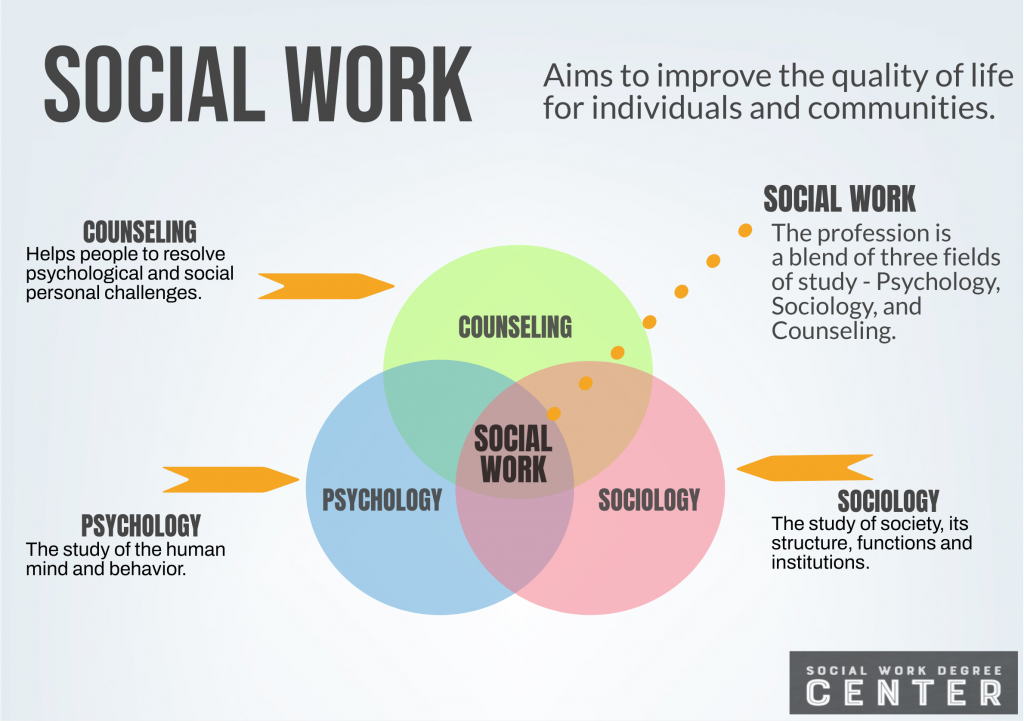
Foundational Theoretical Frameworks
At the heart of the major are courses on Human Behavior in the Social Environment (HBSE). These classes explore the biological, psychological, and sociological factors that shape human development across the lifespan. Students analyze how culture, family systems, and social institutions influence individual choices and opportunities. By integrating these perspectives, social work majors learn to view their clients through a “person-in-environment” lens, a hallmark of the profession that distinguishes it from other helping disciplines like clinical psychology or general sociology.
Social Welfare Policy and History
A significant portion of the major is dedicated to understanding the legislative landscape. Students examine the history of social welfare in the United States, analyzing how policy decisions—or the lack thereof—impact vulnerable populations. This coursework is critical for students who intend to pursue roles in advocacy, non-profit management, or government policy. Understanding the history of social programs allows future practitioners to identify gaps in service delivery and argue effectively for systemic reform.
Research and Evidence-Based Practice
Modern social work is data-driven. The major requires comprehensive training in research methods and statistics. Social work students learn how to evaluate the effectiveness of clinical interventions through quantitative and qualitative data. This focus on empirical evidence ensures that graduates are not merely relying on intuition, but are utilizing validated methods to improve client outcomes. This scientific rigor prepares students for roles in program evaluation, clinical research, and policy analysis.
Professional Competencies and Field Education
The most distinct element of a social work degree is the integration of field education, commonly referred to as a practicum. This is where the classroom theories are put to the test in actual clinical or community settings.
The Role of Supervised Practicum
Fieldwork is a mandatory component of an accredited BSW (Bachelor of Social Work) or MSW (Master of Social Work) program. Under the guidance of licensed supervisors, students are placed in hospitals, schools, child protective services, or community centers. This experience serves as a professional apprenticeship, allowing students to develop core competencies such as active listening, crisis intervention, professional documentation, and ethical decision-making.

Ethics and the NASW Code
The National Association of Social Workers (NASW) Code of Ethics serves as the constitution for the profession. Social work majors spend significant time dissecting these ethical standards. They learn to navigate complex situations involving confidentiality, informed consent, and professional boundaries. This rigorous ethical training is necessary because social workers often operate in high-stakes environments where the wrong decision can have devastating consequences for a client’s safety or legal status.
Clinical vs. Macro Social Work
As students progress through their major, they often choose to specialize in one of two primary pathways: clinical or macro practice.
- Clinical Social Work: Focuses on direct service delivery, psychotherapy, and individual or group counseling. Students learn to diagnose behavioral health disorders and implement therapeutic interventions.
- Macro Social Work: Focuses on systems change, community organizing, public policy, and organizational leadership. Students in this track learn how to manage non-profit budgets, draft legislative proposals, and mobilize communities to effect change at the municipal, state, or federal levels.
Career Trajectories and Professional Development
Graduates with a social work degree are among the most versatile professionals in the healthcare and human services sectors. Because the education is broad and adaptable, the career paths are as diverse as the populations they serve.
Diverse Employment Settings
Social work majors are employed in virtually every sector of the modern workforce:
- Healthcare: Medical social workers facilitate discharge planning, assist families in navigating insurance systems, and provide emotional support for chronic illness management.
- Education: School social workers act as the bridge between the home and the classroom, identifying barriers to academic success such as learning disabilities, domestic instability, or bullying.
- Criminal Justice: Forensic social workers work within the court system, facilitating rehabilitation for offenders, advocating for victims, and navigating the complexities of mental health within the prison population.
- Corporate and Private Practice: An increasing number of social workers are moving into private practice or specialized HR roles within corporations, focusing on Employee Assistance Programs (EAPs) to support workforce mental health.
Licensing and Higher Education
It is important for prospective majors to understand that social work is a regulated profession. To practice independently or in clinical roles, one must be licensed by the state. While an undergraduate degree allows for entry-level work in case management or community outreach, the majority of career advancement—especially in private therapy—requires a Master of Social Work (MSW) from a program accredited by the Council on Social Work Education (CSWE). Many students view the BSW as the foundational step toward the MSW, which grants advanced standing and accelerates the path to clinical licensure.
The Necessity of Self-Care and Professional Resilience
The social work major also places a heavy emphasis on professional sustainability. Because the work is inherently emotionally demanding, students are taught “vicarious resilience” and professional self-care. The curriculum acknowledges that the longevity of a career in social work depends on the practitioner’s ability to set healthy boundaries, manage secondary trauma, and engage in continuous professional development. This focus on long-term career sustainability is a key feature that makes social work programs unique among undergraduate majors.

Navigating the Future of the Profession
As society faces increasingly complex challenges—from the opioid crisis and homelessness to the impact of digital isolation on adolescent mental health—the demand for skilled social workers continues to rise. A major in social work is not just a study of history or theory; it is a study of how to build a better future for the most vulnerable members of society.
For students considering this major, the experience will be transformative. It challenges personal biases, demands a high level of intellectual engagement, and requires a commitment to lifelong learning. Whether a student ends up providing therapy in a clinical setting or lobbying for a legislative overhaul at the state capital, the social work major provides the essential tools, credentials, and ethical framework needed to make a tangible, measurable difference in the world. By choosing this major, students are choosing to enter a field where they are not just observers of society, but active participants in shaping its progress.
aViewFromTheCave is a participant in the Amazon Services LLC Associates Program, an affiliate advertising program designed to provide a means for sites to earn advertising fees by advertising and linking to Amazon.com. Amazon, the Amazon logo, AmazonSupply, and the AmazonSupply logo are trademarks of Amazon.com, Inc. or its affiliates. As an Amazon Associate we earn affiliate commissions from qualifying purchases.