
Fidya represents a specific financial obligation within Islamic jurisprudence, serving as a compensatory payment for certain missed religious duties, primarily related to fasting during the holy month of Ramadan. Unlike Zakat, which is an annual obligatory charity on wealth, or Kaffara, a more severe expiation for breaking certain vows or major sins, Fidya is a remedial payment designed to support the poor and needy when an individual is unable to fulfill a religious obligation due to legitimate, unchangeable circumstances. Understanding Fidya is crucial for Muslims seeking to manage their financial responsibilities and ensure adherence to Islamic principles, even when faced with unavoidable impediments. It integrates directly into personal financial planning, requiring an awareness of its conditions, calculation, and distribution methods to fulfill this important aspect of faith.
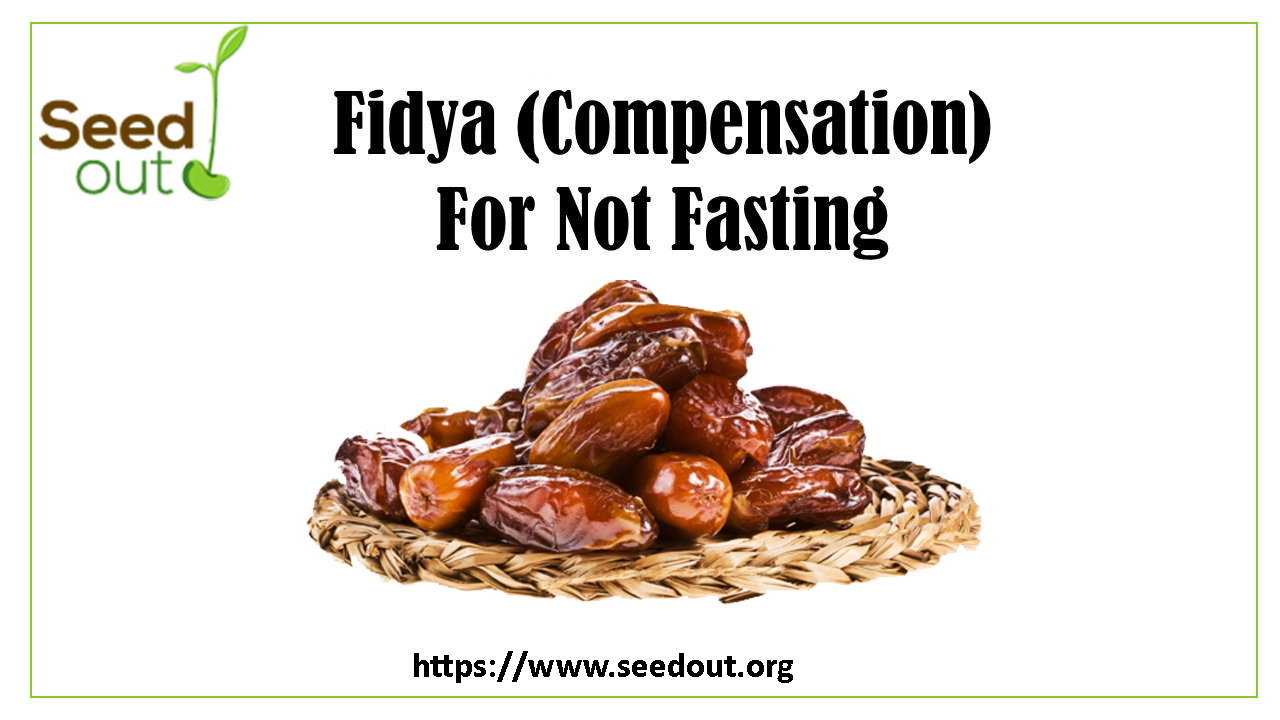
Understanding Fidya: A Financial Obligation in Islamic Practice
Fidya emerges from the compassionate and practical framework of Islamic law, recognizing that not all individuals possess the physical capacity to observe every religious directive. When it comes to fasting, a fundamental pillar of Islam, the inability to participate due to specific, enduring conditions necessitates an alternative form of worship that benefits society. This alternative takes the form of a monetary or food-based donation, transforming a personal inability into a communal benefit.
The Core Concept and Purpose
At its heart, Fidya is a substitute for an unfulfilled fast, a financial atonement for those who are genuinely unable to fast. The primary objective is twofold: to ensure the individual still fulfills a spiritual commitment in an alternative manner, and critically, to provide sustenance for the less fortunate. This embodies the broader Islamic principle of social welfare and wealth redistribution. It’s not a punishment, but rather a merciful allowance, acknowledging human limitations while upholding the spirit of devotion and charity. The financial nature of Fidya means it directly impacts personal budgeting and financial outflows, making it a critical consideration for those falling into the specified categories. It requires allocating funds to meet this specific religious obligation, much like any other periodic financial commitment.
Distinguishing Fidya from Kaffara and Zakat
While all three are financial obligations in Islam, their triggers, purposes, and implications differ significantly, demanding distinct approaches in personal finance.
- Zakat: This is an annual obligatory charity calculated on a Muslim’s surplus wealth (nisab) held for a full lunar year. It is a fundamental pillar of Islam, serving as a wealth purification and redistribution mechanism, paid by almost all financially able Muslims. Financial planning for Zakat involves assessing assets, liabilities, and income to determine the payable amount.
- Kaffara: This refers to a more substantial expiation for intentionally breaking certain religious laws or oaths. For instance, intentionally breaking a fast in Ramadan without a valid excuse, or breaking an oath, may incur Kaffara. The financial burden of Kaffara is generally higher than Fidya, often involving fasting for a continuous period or feeding a larger number of needy people for a longer duration. Financially, Kaffara represents a more significant, often unexpected, expenditure.
- Fidya: As established, Fidya is specifically for missed fasts due to legitimate reasons where there is no hope of making them up later. It is a compensation for each missed fast. Its financial burden is directly proportional to the number of missed fasts.
Understanding these distinctions is vital for accurate financial accounting and adherence to Islamic law, preventing misapplication of funds and ensuring the correct fulfillment of each distinct obligation.
Who is Obligated to Pay Fidya?
The obligation to pay Fidya arises under specific circumstances where an individual is permanently or chronically unable to fast, or where fasting poses an undue risk to their health or the health of another dependent. These conditions are carefully defined within Islamic jurisprudence to ensure fairness and compassion. From a financial perspective, individuals in these categories must factor Fidya into their annual expenditure, particularly around Ramadan.
Illness and Chronic Conditions
Individuals suffering from chronic illnesses that prevent them from fasting, and for whom there is no reasonable expectation of recovery, are obligated to pay Fidya. This includes conditions such as severe diabetes, chronic kidney disease, or other long-term ailments where fasting would exacerbate their health problems or be medically contraindicated. The key criterion is the permanence or long-term nature of the inability, distinguishing it from temporary illness where missed fasts can be made up later. Those with such conditions need to budget for Fidya annually, calculating it based on the number of days they are unable to fast during Ramadan.
Pregnancy and Breastfeeding
Pregnant and breastfeeding women are exempted from fasting if they fear for their own health or the health of their child. The scholarly opinion on their obligation to pay Fidya varies, with some schools of thought requiring only Fidya, others requiring making up the fasts, and some requiring both. However, a common and widely accepted view is that if they miss fasts out of concern for the baby’s health (e.g., risk of malnutrition for the fetus or infant), they are generally required to pay Fidya in addition to making up the fasts at a later time when able, or just Fidya depending on the specific interpretation and school of thought followed. For many, the financial implication comes from either making up the fasts (which doesn’t incur direct payment but is a commitment of time) or paying Fidya, which is a direct monetary outlay. This consideration becomes part of family financial planning, especially during periods of maternity.
The Elderly
Elderly individuals who, due to advanced age and accompanying frailty, find fasting excessively difficult or detrimental to their health, are also among those obligated to pay Fidya. This exemption acknowledges the natural decline in physical strength that comes with old age. Similar to chronic illness, the inability to fast must be perceived as permanent or enduring for the remainder of their lives. Financial planning for senior citizens within an Islamic framework often includes budgeting for Fidya during Ramadan, particularly if they no longer have the physical capacity to endure the fast. This ensures they can continue to fulfill their religious duties through charitable giving.
Calculating Fidya: Financial Parameters and Practicalities
The calculation of Fidya is fundamentally linked to the cost of feeding a needy person, reflecting its core purpose of providing sustenance. This financial parameter makes Fidya a direct monetary commitment that varies based on local economic conditions and the number of missed fasts.
The Basis of Calculation: Meals and Market Value

The standard measure for Fidya is the equivalent of feeding one poor person for each day a fast is missed. Historically, this was often quantified as one sa’ (a traditional measure, approximately 2.5-3 kg) of staple food, such as wheat, barley, rice, or dates. In modern financial terms, this translates to the average cost of a meal in the local currency. Many Islamic charities and local religious authorities provide a recommended Fidya rate per day, which is updated annually to reflect current food prices. This rate is usually based on the cost of two average meals for a person. For example, if the average cost of a meal is $5, then the Fidya for one day might be $10 (for two meals). Individuals must check with reliable local Islamic organizations for the precise rate applicable in their region to ensure accurate payment. This makes Fidya a dynamic financial commitment, subject to inflation and market fluctuations.
Daily vs. Monthly Calculations
Fidya is calculated on a per-day basis for each fast missed. If an individual misses all 30 days of Ramadan, they would pay 30 times the daily Fidya rate. For example, if the daily rate is $10, then for 30 missed fasts, the total Fidya would be $300. It’s often paid in a lump sum at the beginning or end of Ramadan, or even throughout the month as fasts are missed. Financial planning should account for this total sum, allowing individuals to set aside funds well in advance. Some may opt to pay it monthly if they anticipate consistent missed fasts due to chronic conditions, integrating it into their regular budget.
Determining the Beneficiaries
The recipients of Fidya are explicitly the poor and needy (masakin). It is crucial that the funds or food directly reach those who are genuinely struggling to meet their basic needs. Fidya cannot be given to the rich, nor can it be used for general charitable projects that do not directly provide sustenance to the impoverished. Many individuals choose to pay their Fidya through established Islamic charities that have robust mechanisms for identifying and distributing aid to eligible recipients. This ensures transparency and efficiency in the distribution process, guaranteeing the funds reach their intended beneficiaries and fulfill the religious requirement effectively. Financial accountability and choosing reputable organizations are key considerations when making these payments.
The Financial Impact and Broader Economic Implications of Fidya
Fidya, while a personal religious obligation, carries significant financial and economic implications beyond the individual. It contributes to a system of social welfare and poverty alleviation, channeling resources from those who are able to provide to those in need, thereby reinforcing community solidarity and economic justice within the Islamic framework.
Supporting the Needy and Alleviating Poverty
The direct purpose of Fidya—to feed the poor—means it plays an immediate and tangible role in alleviating hunger and poverty. During Ramadan, when many people fulfill this obligation, a substantial amount of financial aid is channeled towards vulnerable communities. This influx of resources helps individuals and families secure essential food supplies, particularly critical in regions facing economic hardship or food insecurity. From a macroeconomic perspective, while not a large-scale stimulus, the cumulative effect of Fidya payments across millions of Muslims provides a steady stream of support for the lowest income brackets, fostering a degree of economic stability within those communities during a specific period. It acts as a financial safety net, albeit a religiously motivated one, for those struggling to meet daily needs.
Integrating Fidya into Personal Financial Planning
For individuals obligated to pay Fidya, integrating this into their personal financial planning is essential. This means:
- Budgeting: Identifying the anticipated Fidya amount annually and allocating funds within a household budget.
- Savings: Creating a specific savings goal for Fidya if the total sum is significant, especially for those with multiple missed fasts.
- Payment Methods: Choosing efficient and secure ways to pay, such as online charity platforms, bank transfers to verified organizations, or direct distribution.
- Record-Keeping: Maintaining accurate records of payments for personal accountability and to track fulfillment of the obligation.
Proactive financial planning ensures that the fulfillment of this religious duty does not become a financial burden or lead to last-minute stress. It highlights the importance of managing religious financial obligations alongside secular ones.
Modern Mechanisms for Payment and Distribution
The digital age has transformed how Fidya can be paid and distributed. Online platforms, mobile payment applications, and specialized Islamic crowdfunding sites now offer convenient ways for individuals to calculate and remit their Fidya to reputable charities worldwide. These platforms often provide calculators for Fidya rates, secure payment gateways, and transparent reporting on how funds are utilized.
- Online Charity Platforms: Many international and local Islamic charities have dedicated portals for Fidya payments, often with automated receipts and updates.
- Mobile Banking/Apps: Integration with banking apps allows for seamless transfers.
- Direct Bank Transfers: Still a common and reliable method, especially for local distributions.
- Impact Tracking: Some advanced platforms even allow donors to track the impact of their donations, providing a sense of connection to the beneficiaries.
These modern mechanisms not only simplify the process for the payer but also enhance the efficiency and reach of distribution, ensuring that Fidya can effectively reach a wider network of deserving individuals, even across geographical boundaries.
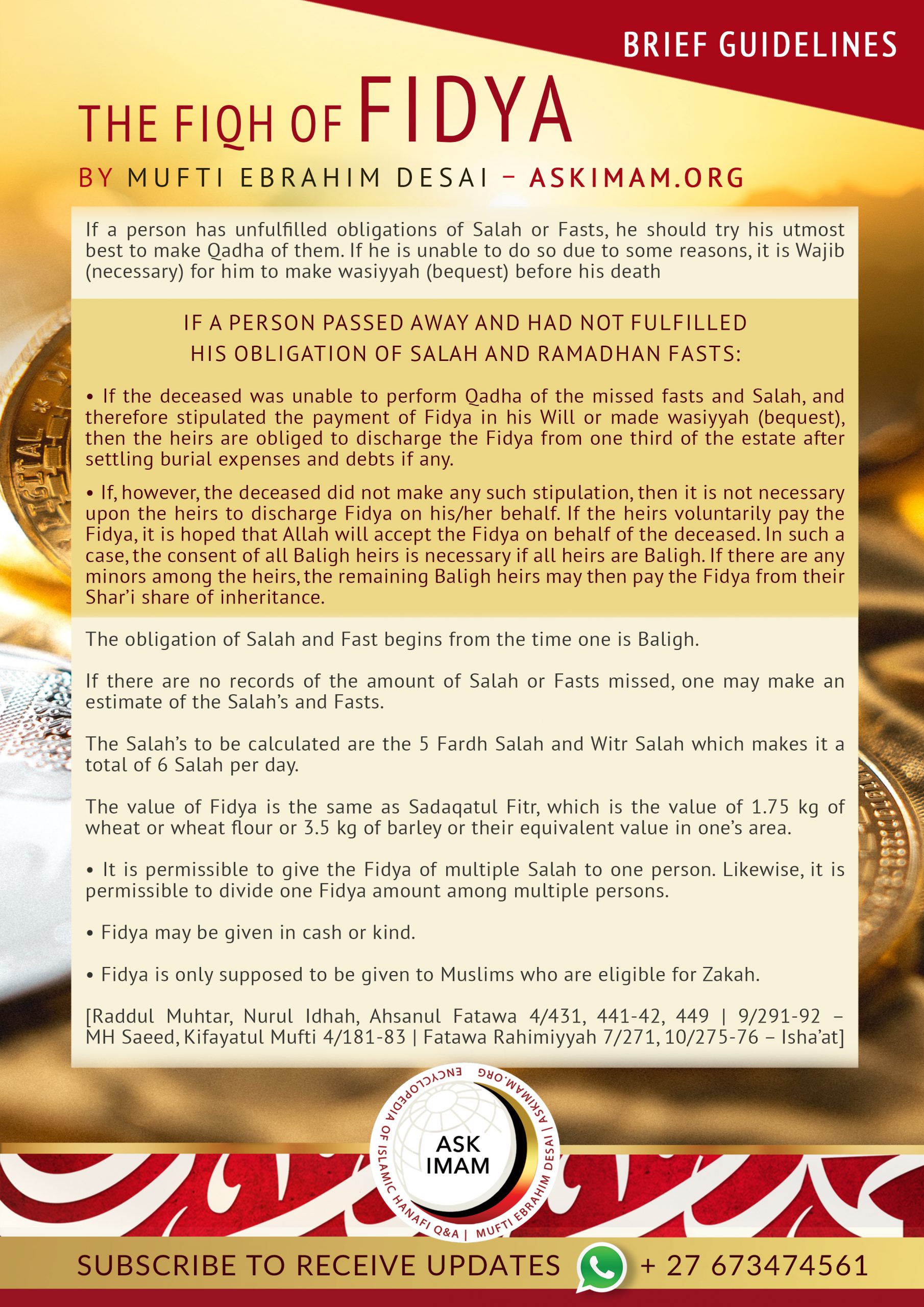
Navigating Fidya: Key Considerations for Muslims
Navigating the nuances of Fidya requires careful consideration, both from a spiritual and financial standpoint. It’s more than just a payment; it’s an act of worship deeply intertwined with personal financial management and social responsibility.
Firstly, understanding one’s own eligibility is paramount. Consulting with local religious scholars or trusted Islamic authorities is crucial to ascertain if one truly falls into the categories requiring Fidya. Self-diagnosis without proper guidance can lead to misinterpretations of religious law and inaccurate financial obligations. This consultative approach helps individuals confirm whether they are genuinely unable to fast permanently, or if their condition is temporary and requires making up fasts later, a distinction that carries different financial implications.
Secondly, accuracy in calculation is vital. As discussed, the daily rate for Fidya is based on the prevailing cost of meals for a poor person in a given region, and these rates can fluctuate annually. Relying on reputable Islamic charities or scholarly councils for the current year’s recommended rate ensures the payment is sufficient and meets the prescribed value. Underpaying due to negligence could lead to an unfulfilled obligation, while overpaying, though charitable, is not strictly necessary for the fulfillment of Fidya itself. Budgeting for this annual or recurring expense should be part of one’s financial plan, especially for those with chronic conditions or elderly family members.
Thirdly, the selection of beneficiaries and distribution channels holds significant importance. Fidya must reach the poor and needy directly, and cannot be used for general mosque funds, construction projects, or administrative costs of charities (unless these costs are directly tied to delivering food to the needy). Donating through well-established and transparent Islamic charities is often the most reliable way to ensure the funds are correctly distributed according to Sharia principles. These organizations often have robust systems for identifying deserving recipients and delivering aid efficiently, whether in the form of food packages or monetary aid. Scrutinizing the track record and transparency reports of chosen organizations is a sound financial practice for any charitable giving, including Fidya.
Finally, integrating Fidya into a holistic approach to personal finance reinforces the Islamic ethos of responsible wealth management. It highlights that financial assets are not solely for personal gain but carry inherent responsibilities towards the less fortunate. By budgeting for Fidya, alongside Zakat and other forms of charity, Muslims can ensure their financial practices align with their faith, contributing to their spiritual well-being and the broader social welfare of the community. Fidya serves as a poignant reminder that even in physical incapacity, the avenue for spiritual fulfillment through financial generosity remains open, perpetuating the cycle of giving and support.
aViewFromTheCave is a participant in the Amazon Services LLC Associates Program, an affiliate advertising program designed to provide a means for sites to earn advertising fees by advertising and linking to Amazon.com. Amazon, the Amazon logo, AmazonSupply, and the AmazonSupply logo are trademarks of Amazon.com, Inc. or its affiliates. As an Amazon Associate we earn affiliate commissions from qualifying purchases.