
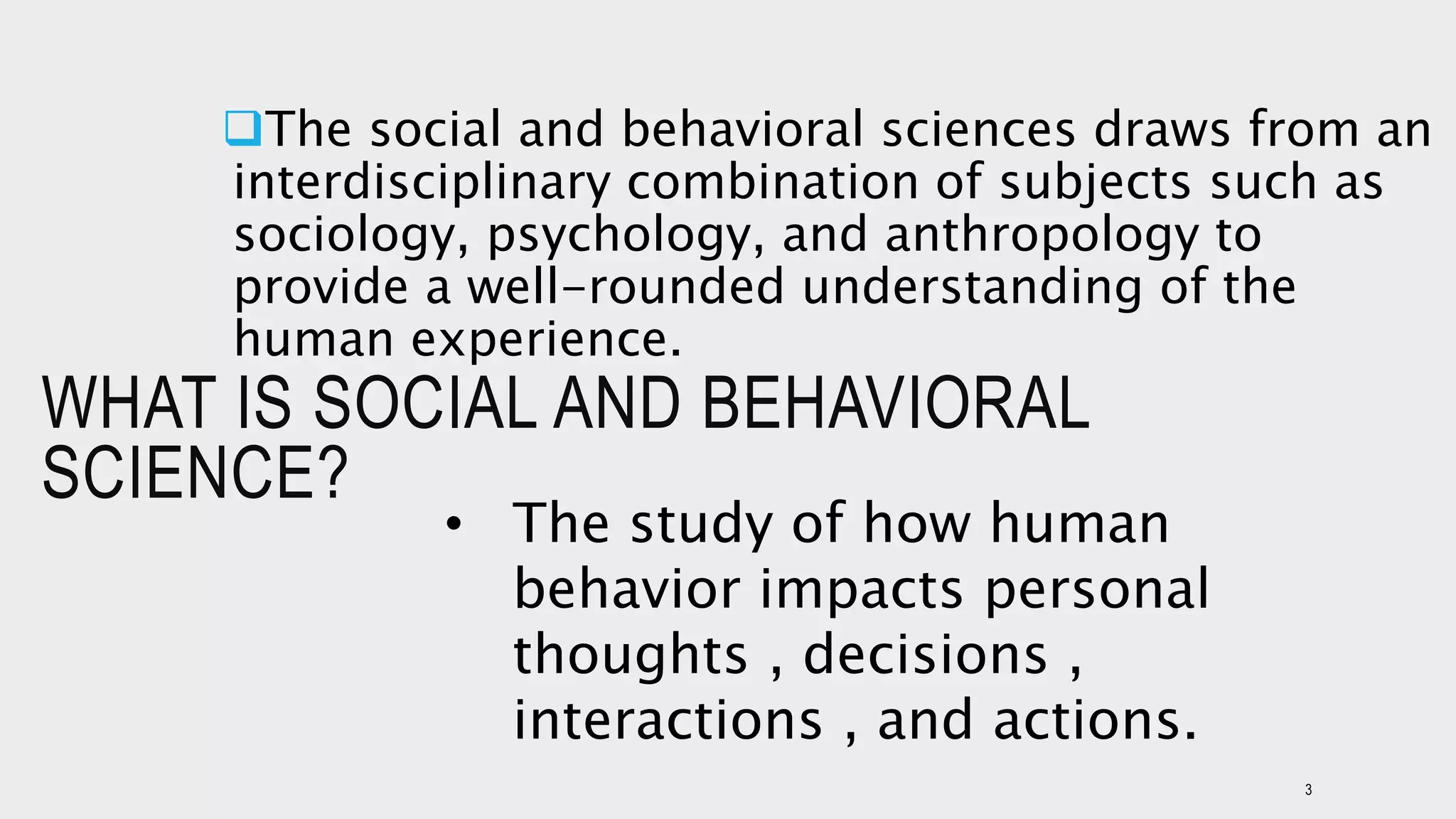
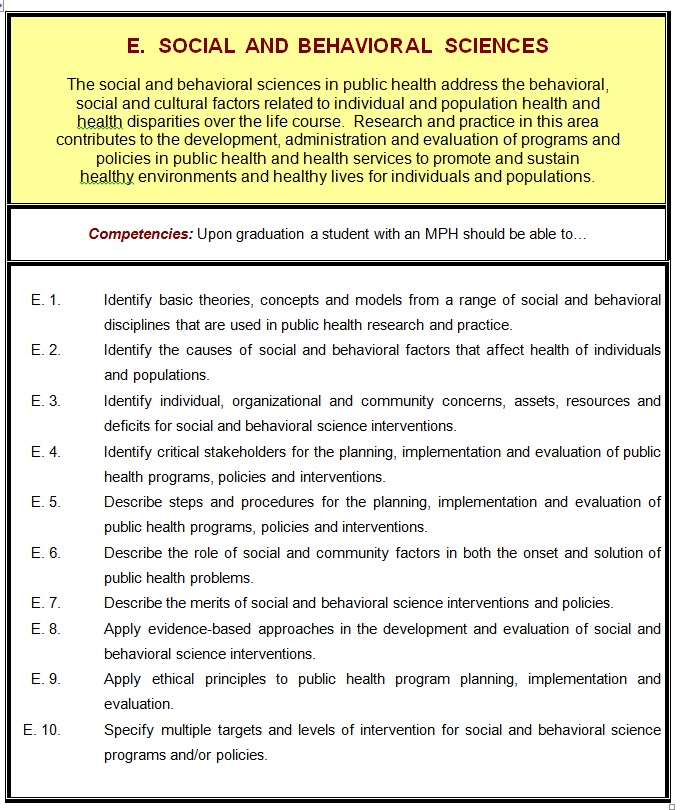
Social and behavioral sciences represent a multifaceted academic and professional landscape that investigates the complexities of human interaction, individual decision-making, and the structures that govern societal organization. While often grouped together, the two fields offer distinct yet complementary lenses through which we examine the human experience. Social sciences tend to focus on the broader structures—societies, economies, and political systems—while behavioral sciences lean into the psychological and cognitive processes that drive individual and group actions.
In a professional and corporate context, these disciplines are no longer confined to ivory tower academic institutions. They have become the bedrock of modern brand strategy, consumer insights, and organizational design. Understanding the social and behavioral sciences is essential for any professional looking to influence market trends, build resonant brand identities, and foster healthy corporate cultures.
The Intersection of Human Psychology and Market Strategy
At its core, behavioral science is the study of why people do what they do. In the world of branding, this is the “holy grail” of consumer research. By leveraging insights from psychology and behavioral economics, brands move beyond simple demographic data to understand the cognitive biases, heuristics, and emotional triggers that dictate purchasing decisions.
Cognitive Biases and Consumer Choice
Human beings are not always rational actors. We operate under layers of cognitive biases that influence how we perceive products and services. Concepts such as “Social Proof,” “Loss Aversion,” and “The Anchoring Effect” are fundamental tools in a brand strategist’s toolkit. When a brand demonstrates social proof—perhaps through influencer marketing or user-generated content—it taps into the behavioral instinct to conform to the crowd for safety and validation. Recognizing these biases allows marketers to craft messaging that aligns with the natural flow of human cognition rather than fighting against it.
The Role of Habit Formation
Brand loyalty is often misunderstood as a purely emotional attachment. In reality, it is frequently a function of habit loops—the cycle of cue, routine, and reward. Behavioral science teaches us that long-term brand success is built on integrating a product into a consumer’s daily routine. When a brand becomes the default “cue” for a specific need, it achieves a level of market dominance that advertising spend alone cannot purchase. Understanding the science of habit formation enables companies to design customer journeys that prioritize retention over ephemeral acquisition.
Sociological Frameworks in Corporate Identity
If behavioral science examines the individual, social science provides the map of the environment in which that individual operates. Corporate identity is not formed in a vacuum; it is shaped by cultural norms, societal shifts, and the collective values of a specific demographic. A brand’s ability to communicate effectively depends on its alignment with the prevailing social currents of its time.
Cultural Context and Brand Positioning
Sociology teaches us that meanings are socially constructed. A brand is a symbol, and the meaning of that symbol changes based on the social environment. A luxury brand in one market may represent “status and exclusivity,” while in another, it may be perceived as “pretentious and detached.” Social science helps strategists navigate these cultural nuances. By analyzing social trends—such as the rise of conscious consumerism or the evolution of family structures—brands can adjust their identity to remain relevant and authentic to the evolving needs of their target audience.

The Influence of Community and Social Networks
Modern brands are essentially tribes. Through the lens of social science, we can view brand communities as digital and physical manifestations of social networking theory. These communities provide members with a sense of belonging, shared language, and mutual support. For a brand, fostering a community is not just a marketing tactic; it is an application of social science principles. By facilitating high-quality interactions between members, brands move from being mere vendors to being central nodes in their customers’ social ecosystems.
Behavioral Design as a Competitive Advantage
The integration of behavioral sciences into the design of products and marketing campaigns is what we now call “Behavioral Design.” This practice moves beyond theoretical analysis and into the realm of actionable engineering. Companies that master behavioral design can nudge consumer behavior in ways that benefit both the user and the bottom line.
Choice Architecture and Conversion Optimization
Choice architecture is the practice of organizing the context in which people make decisions. In the digital space, this is often seen in UX (User Experience) design. By strategically limiting options or highlighting specific choices, companies can guide users through a sales funnel with higher efficiency. This is not about manipulation; it is about reducing cognitive load. When a user is overwhelmed by too many choices, they experience “choice paralysis” and often decide to do nothing at all. Smart behavioral design simplifies the path to the desired action, thereby increasing conversion rates.
Nudging Toward Sustainability and Purpose
There is a growing trend of using behavioral insights to align brand purpose with societal good. Many corporations are now using “nudges”—small, low-cost changes in the environment—to encourage more sustainable consumption habits. Whether it is redesigning packaging to encourage recycling or implementing “opt-out” defaults for green energy programs, behavioral science allows brands to be agents of positive social change while simultaneously strengthening their corporate reputation. This alignment of ethics and behavioral mechanics creates a powerful brand narrative that resonates with the modern, socially conscious consumer.
The Future of Socially-Informed Branding
As we look toward the future, the boundary between data analytics and social/behavioral sciences will continue to blur. The massive influx of data available to marketers today provides a unprecedented window into human behavior, but data without context is meaningless. The application of social and behavioral science provides the “why” behind the “what” of our data streams.
Beyond the Algorithm
Algorithms are excellent at predicting patterns, but they are notoriously bad at understanding human motivation. An algorithm might notice that a customer buys a specific product on Tuesday mornings, but it cannot explain the sociological pressure or the psychological satisfaction that drives that specific behavior. Professionals who combine data fluency with a deep grounding in social and behavioral science will be the leaders of the next generation of brand strategy. They will be able to look at the same data as their competitors but arrive at more profound, empathetic, and effective strategies because they understand the fundamental mechanics of human life.
Empathy as a Strategy
Ultimately, social and behavioral sciences remind us that at the end of every data point is a human being. A brand that ignores the human element—the social environment and the psychological inner-world—is a brand that will eventually lose its connection to its base. By grounding strategy in these sciences, companies can create identities that are not only profitable but also deeply human-centric. This is the new standard of professional excellence: leveraging the scientific study of society and behavior to build brands that matter, communities that endure, and identities that inspire.
In conclusion, social and behavioral sciences are the toolkit for understanding the human condition. In a professional landscape characterized by rapid change and digital noise, this understanding is the ultimate competitive advantage. By studying how we interact, why we choose, and what we value, businesses can move from reactive marketing to proactive, insight-driven leadership. The future belongs to those who do not just track behavior, but understand it.
aViewFromTheCave is a participant in the Amazon Services LLC Associates Program, an affiliate advertising program designed to provide a means for sites to earn advertising fees by advertising and linking to Amazon.com. Amazon, the Amazon logo, AmazonSupply, and the AmazonSupply logo are trademarks of Amazon.com, Inc. or its affiliates. As an Amazon Associate we earn affiliate commissions from qualifying purchases.