
The term “global economy” frequently appears in financial news, business reports, and policy discussions, yet its full scope can remain elusive. Fundamentally, the global economy refers to the worldwide interconnectedness of economic activities, encompassing the production, distribution, and consumption of goods and services across national borders. It is a complex, dynamic system driven by international trade, capital flows, technology, and labor migration, where the economic fortunes of one nation can significantly influence others. Understanding this intricate web is crucial for investors, businesses, and individuals navigating the modern financial landscape.
The Interconnected Financial Tapestry
At its core, the global economy is a tapestry woven from countless individual transactions and interactions that transcend geographical and political boundaries. It signifies a move beyond isolated national economies to a state of deep integration and mutual dependence.

Defining Global Economic Integration
Global economic integration manifests in several key dimensions:
- Trade in Goods and Services: This is perhaps the most visible aspect, involving the exchange of products, raw materials, and intellectual services across countries. From agricultural commodities to high-tech manufactured goods, and from financial consultancy to software development, international trade drives economic growth and specialization.
- Capital Flows and Financial Markets: Money, in its various forms (investments, loans, aid), moves freely and rapidly across borders. Global financial markets allow individuals, corporations, and governments to raise and invest capital internationally, seeking the best returns or most favorable borrowing conditions. This includes foreign direct investment (FDI), portfolio investment in stocks and bonds, and cross-border lending.
- Labor Migration: People move across borders for work, seeking better economic opportunities, which impacts labor markets, remittances, and human capital development in both sending and receiving countries.
- Technology and Information Exchange: The rapid spread of technology, knowledge, and information facilitates global commerce and innovation. Digital platforms, communication networks, and shared research accelerate economic activities and foster new industries worldwide.
Key Drivers of Globalization
The evolution of the global economy has been propelled by a confluence of factors that have progressively reduced the barriers to cross-border interaction:
- Technological Advancements: Innovations in transportation (e.g., container shipping, air cargo) and communication (e.g., the internet, mobile technology) have drastically cut the time and cost associated with moving goods, services, capital, and information globally. This has made distant markets accessible and facilitated real-time financial transactions.
- Policy Liberalization: A sustained global trend towards reducing trade barriers, tariffs, and non-tariff restrictions, alongside the deregulation of financial markets, has significantly opened national economies to international competition and investment. International agreements and organizations like the World Trade Organization (WTO) have played a pivotal role in this process.
- Emergence of Multinational Corporations (MNCs): Large companies operating in multiple countries are powerful engines of globalization. They establish global supply chains, leverage economies of scale, and disseminate technology and management practices across borders, integrating disparate national economies into a unified production and distribution network.
- Standardization of Financial Practices: The adoption of common accounting standards, regulatory frameworks, and payment systems has streamlined international financial transactions, making it easier for capital to flow globally and for investors to assess opportunities worldwide.
Pillars of the Global Economy
To grasp the mechanics of the global economy, it’s essential to examine its foundational components, particularly how goods, services, and capital move across borders.
International Trade and Commerce
International trade forms the bedrock of the global economy, enabling countries to specialize in producing what they do best and exchange it for goods and services produced more efficiently elsewhere.
- Exports, Imports, and Trade Balances: Every nation engages in exporting goods and services (selling abroad) and importing them (buying from abroad). The difference between a country’s exports and imports constitutes its trade balance, which can be a surplus (exports > imports) or a deficit (imports > exports). These balances significantly impact a country’s currency value and overall economic health.
- Supply Chains and Their Global Reach: Modern production processes often involve complex global supply chains, where different stages of manufacturing occur in various countries. A single product might contain components from dozens of nations, highlighting the deep interdependence of economies and the vulnerability of these chains to disruptions.
- Impact on Domestic Industries and Consumers: While global trade offers consumers a wider variety of goods at potentially lower prices, it can also pose challenges to domestic industries unable to compete with foreign producers. Governments often grapple with balancing the benefits of open trade with the need to protect local jobs and industries.
- Role of International Organizations: Institutions like the World Trade Organization (WTO) set rules for international trade, mediate disputes, and work towards reducing trade barriers to foster a more open and predictable global trading system.
Global Financial Markets
Beyond the physical exchange of goods, the global economy is profoundly shaped by the rapid and continuous flow of capital across borders through sophisticated financial markets.
- Foreign Exchange Markets (Forex): The largest and most liquid financial market globally, forex facilitates the exchange of one currency for another. These exchanges are crucial for international trade and investment, determining the cost of imports and the profitability of exports. Fluctuations in exchange rates can significantly impact corporate earnings and investment returns.
- International Bond and Equity Markets: Companies and governments raise capital by issuing bonds and stocks that are bought by investors worldwide. This provides access to a deeper pool of capital than domestic markets alone, but also exposes issuers to global investor sentiment and market volatility.
- Direct Foreign Investment (DFI) vs. Portfolio Investment: DFI involves a controlling ownership in a business in another country (e.g., building a factory, acquiring a foreign company), representing a long-term commitment. Portfolio investment, in contrast, involves buying foreign financial assets like stocks or bonds without gaining control, typically driven by short-term financial returns. Both contribute significantly to capital flows.
- Central Banks and Monetary Policy Coordination: Central banks, such as the U.S. Federal Reserve or the European Central Bank, manage their national money supplies and interest rates. Their decisions have ripple effects globally. While there isn’t a single global central bank, major central banks often coordinate their policies or at least consider the international implications of their actions.
Measuring and Monitoring Global Economic Health
Understanding the global economy requires the ability to measure its performance and identify potential shifts. A range of indicators and institutions provide critical insights.
Key Economic Indicators
Economists and investors rely on various metrics to gauge the health and direction of the global economy:
- Gross Domestic Product (GDP) and Gross World Product (GWP): GDP measures the total value of goods and services produced within a country’s borders over a specific period. GWP is the sum of all countries’ GDPs, representing the total output of the global economy. Tracking these figures indicates overall growth or contraction.
- Inflation and Interest Rates: Inflation (the rate at which prices rise) and interest rates (the cost of borrowing money) are crucial for understanding economic stability and investment attractiveness. High global inflation or rising interest rates can dampen investment and consumer spending.
- Balance of Payments: This comprehensive record tracks all financial transactions between a country and the rest of the world, including trade, investments, and transfers. It provides a detailed view of a country’s economic interactions globally.
- Unemployment Rates: High unemployment signals underutilized labor resources and potential economic weakness, impacting consumer spending and overall demand. Global unemployment trends can indicate widespread economic shifts.
- Consumer Confidence and Business Sentiment: Surveys measuring these metrics offer forward-looking insights into economic activity. Confident consumers tend to spend more, and optimistic businesses are more likely to invest, driving growth.
The Role of International Institutions
Several international organizations play vital roles in monitoring, stabilizing, and fostering growth within the global economy:
- International Monetary Fund (IMF): The IMF works to ensure global monetary cooperation, secure financial stability, facilitate international trade, promote high employment and sustainable economic growth, and reduce poverty around the world. It provides financial assistance to countries facing balance of payments problems and offers surveillance of global economic trends.
- World Bank: This institution provides financial and technical assistance to developing countries around the world. Its mission is to reduce poverty and support development through loans, credits, and grants for projects in areas like education, health, infrastructure, and environmental protection.
- Organization for Economic Co-operation and Development (OECD): The OECD is an intergovernmental economic organization of 38 member countries, founded to stimulate economic progress and world trade. It provides a forum for governments to share experiences, seek solutions to common problems, and coordinate policies.
- G7, G20 Summits: These groups of leading economies (G7: Canada, France, Germany, Italy, Japan, the United Kingdom, and the United States; G20: G7 plus Argentina, Australia, Brazil, China, India, Indonesia, Mexico, Russia, Saudi Arabia, South Africa, South Korea, Turkey, and the European Union) hold regular meetings to discuss pressing global economic and financial issues, aiming to coordinate policies and foster international cooperation.
Opportunities and Challenges for Businesses and Investors
The global economy presents both expansive opportunities and significant risks for those engaged in finance and commerce.
Leveraging Global Markets for Growth
For businesses and investors, the interconnected global economy offers unparalleled avenues for expansion and profit:
- Access to New Customer Bases: Companies can tap into billions of potential customers beyond their domestic markets, significantly expanding their revenue potential.
- Diversification of Revenue Streams: Operating in multiple countries or investing in international assets can mitigate risks associated with reliance on a single market, smoothing out revenue and returns.
- Optimizing Production Costs: Businesses can strategically locate production facilities or source materials from countries offering lower labor costs, cheaper raw materials, or specialized expertise, leading to increased efficiency and profitability.
- Capitalizing on Global Innovation: The global exchange of ideas and technologies allows companies to adopt cutting-edge innovations more rapidly, fostering competitiveness and product development.
Navigating Global Economic Risks
However, the global economy is also replete with complexities and potential pitfalls that require careful management:
- Geopolitical Instability and Trade Wars: Political tensions, conflicts, and protectionist policies (like tariffs) can disrupt trade routes, impose new costs, and create uncertainty, directly impacting businesses with international operations and investor confidence.
- Currency Fluctuations and Exchange Rate Risk: Changes in currency values can significantly affect the profitability of international transactions and investments. A strong local currency can make exports more expensive, while a weak one can increase the cost of imports.
- Regulatory Differences and Legal Complexities: Operating across borders means adhering to diverse legal frameworks, tax systems, and regulatory requirements, which can add significant operational costs and compliance challenges.
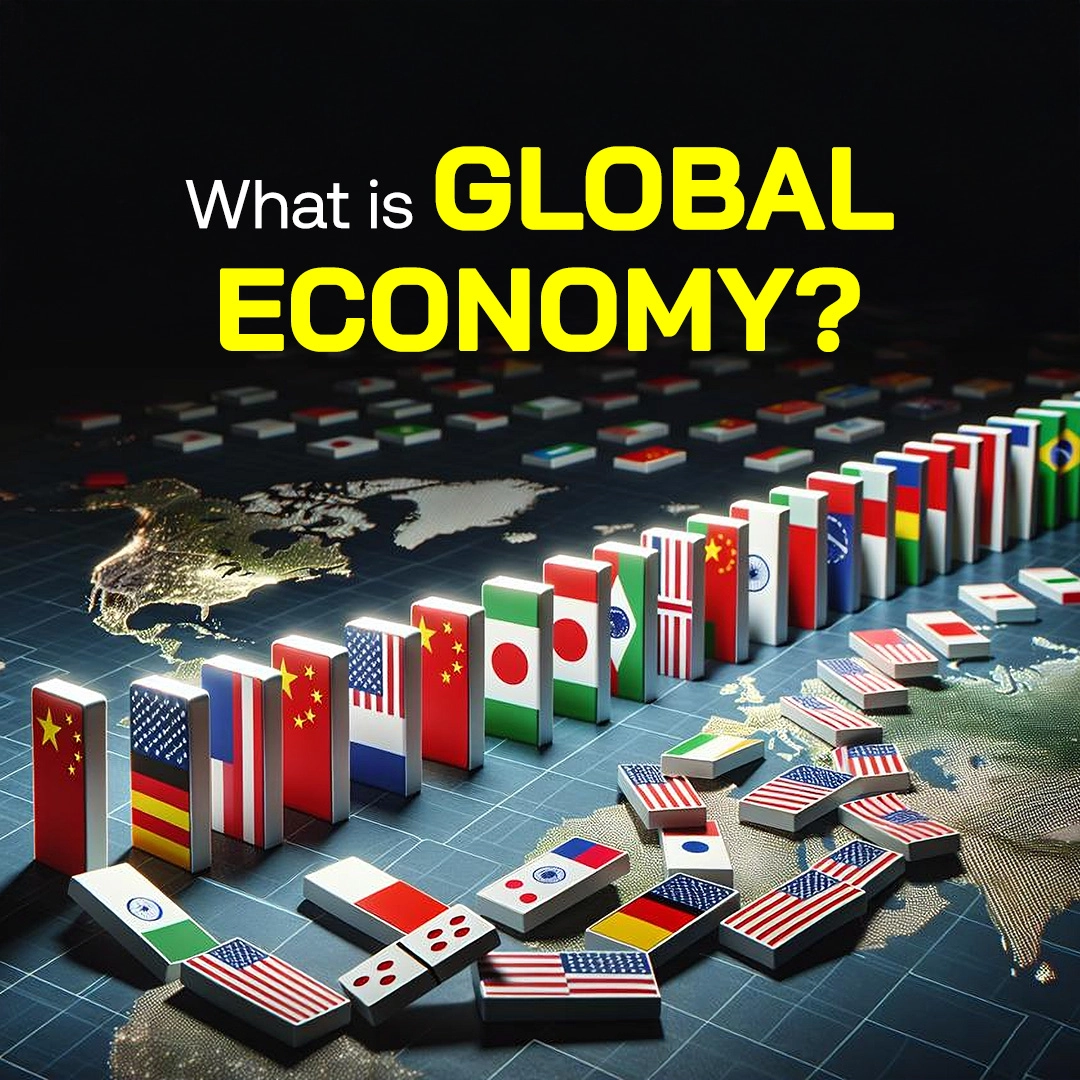
- Economic Downturns in Major Economies: A recession or financial crisis in a large economy can trigger a domino effect, pulling down global demand, disrupting supply chains, and impacting financial markets worldwide.
- Supply Chain Disruptions: Events such as natural disasters, pandemics, or geopolitical conflicts can severely disrupt global supply chains, leading to production delays, shortages, and increased costs.
The Future of Global Economic Dynamics
The global economy is constantly evolving, shaped by technological breakthroughs, shifting geopolitical landscapes, and a growing emphasis on sustainability.
Digital Transformation and FinTech
The digital revolution is profoundly reshaping global finance:
- Impact of Blockchain and AI on Finance: Technologies like blockchain promise to revolutionize cross-border payments, trade finance, and asset management by offering greater transparency, security, and efficiency. Artificial intelligence is transforming algorithmic trading, risk assessment, and personalized financial services globally.
- Cross-Border Digital Payments: The rise of digital payment platforms and cryptocurrencies is making international money transfers faster, cheaper, and more accessible, benefiting individuals, businesses, and migrant workers sending remittances.
- New Investment Opportunities: FinTech innovations are creating entirely new asset classes and investment vehicles, democratizing access to global markets for a broader range of investors.
Shifting Power Balances and Regionalism
The global economic landscape is seeing significant reconfigurations:
- Rise of Emerging Markets: Countries in Asia, Latin America, and Africa are increasingly contributing to global GDP, trade, and consumption, shifting economic power dynamics and creating new centers of growth and investment.
- Regional Trade Blocs vs. Full Globalization: While globalization fostered worldwide integration, there’s also a trend towards stronger regional economic blocs and trade agreements, potentially creating more defined economic zones.
- Focus on Sustainability and ESG Investing: Growing awareness of climate change and social responsibility is driving a surge in Environmental, Social, and Governance (ESG) investing, where financial decisions increasingly factor in non-financial impacts, influencing global capital allocation.

Adapting to a Dynamic Environment
For businesses and investors, success in the global economy hinges on adaptability and foresight:
- Importance of Financial Literacy for Individuals: Understanding global economic trends, currency movements, and international investment opportunities is becoming increasingly vital for personal financial planning and wealth management.
- Strategic Planning for Businesses: Companies must develop robust international strategies, including supply chain resilience, currency hedging, and compliance with diverse regulatory environments, to thrive in an interconnected world.
- Resilience in Investment Portfolios: Diversifying investments across different countries, asset classes, and industries provides a buffer against localized economic shocks, enabling portfolios to weather global volatility and capture growth opportunities worldwide.
In essence, the global economy is not merely a collection of national economies but a complex, interdependent system where actions in one corner of the world can reverberate globally. For anyone involved in money and finance, a deep understanding of its mechanisms, opportunities, and risks is no longer optional but a fundamental prerequisite for informed decision-making and sustained success.
aViewFromTheCave is a participant in the Amazon Services LLC Associates Program, an affiliate advertising program designed to provide a means for sites to earn advertising fees by advertising and linking to Amazon.com. Amazon, the Amazon logo, AmazonSupply, and the AmazonSupply logo are trademarks of Amazon.com, Inc. or its affiliates. As an Amazon Associate we earn affiliate commissions from qualifying purchases.