
In the modern digital economy, trust is the primary currency. For technology companies, particularly those operating in the cloud or providing Software-as-a-Service (SaaS), demonstrating a commitment to data security is no longer optional—it is a baseline requirement for doing business. Among the various frameworks available to validate an organization’s security posture, the System and Organization Controls (SOC) reports stand as the gold standard.
While many IT professionals are familiar with SOC 1 and SOC 2, the SOC 3 report occupies a unique and vital niche. It serves as a public-facing validation of a company’s internal controls, providing a high-level summary that can be shared freely with prospective customers, partners, and the general public. Understanding what a SOC 3 report is, how it differs from its counterparts, and why it is essential for digital security transparency is critical for any technology-driven enterprise.
Understanding the Foundations of SOC 3
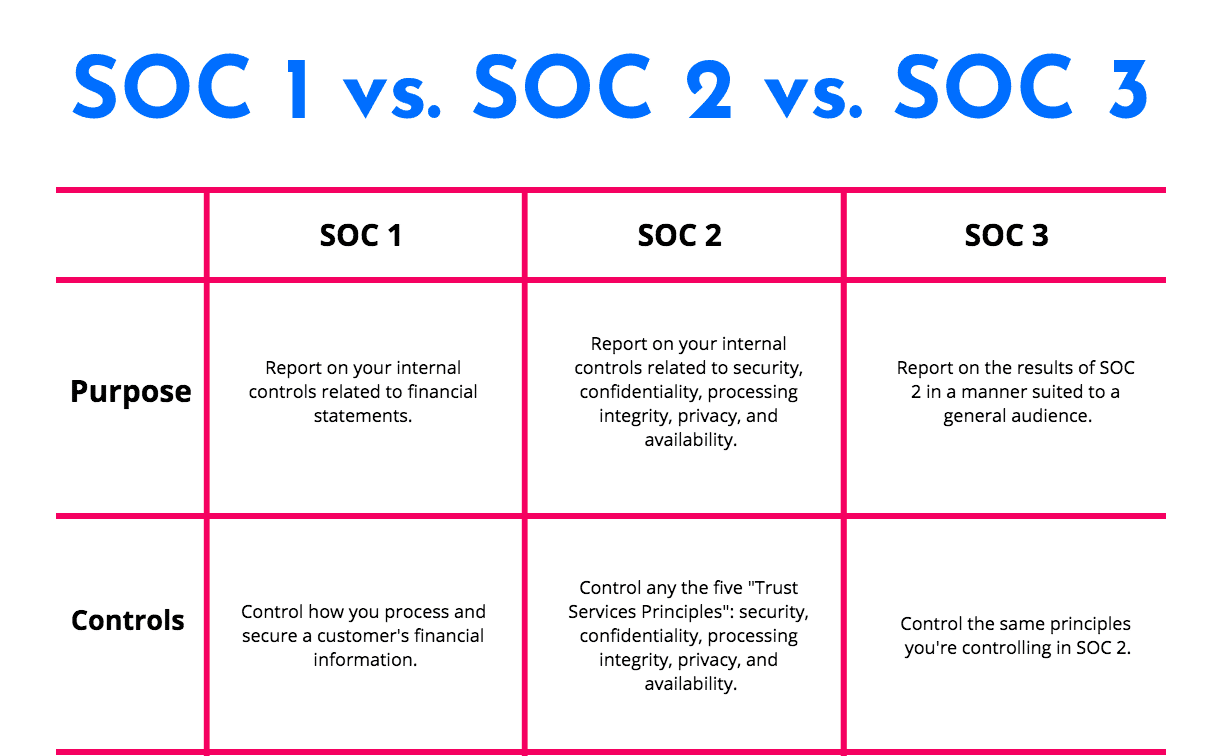
A SOC 3 report is a “general use” report designed to provide information about a service organization’s internal controls over security, availability, processing integrity, confidentiality, and privacy. These controls are evaluated based on the Trust Services Criteria (TSC) established by the American Institute of Certified Public Accountants (AICPA).
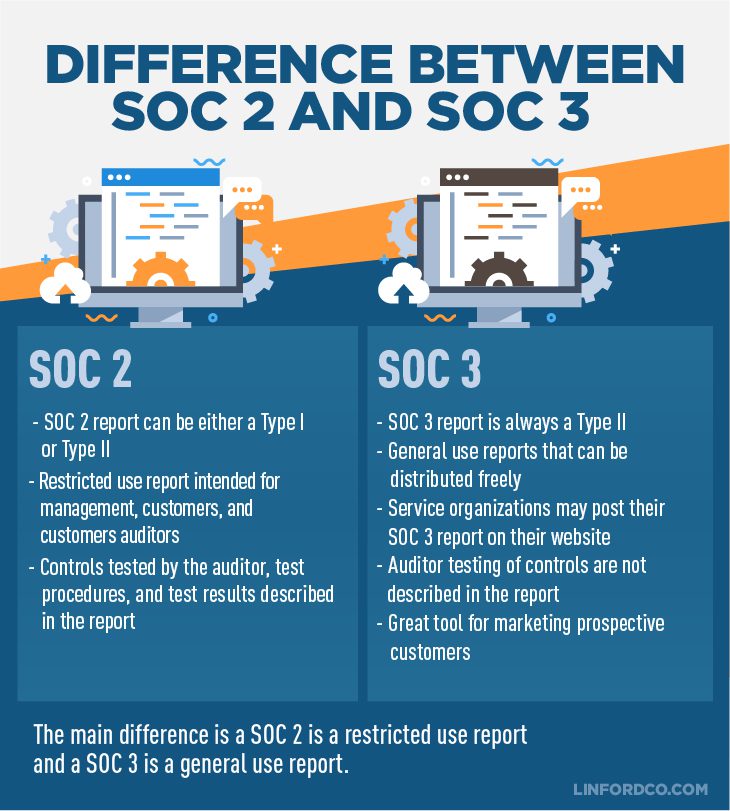
Unlike other SOC reports, which are often restricted to specific stakeholders under non-disclosure agreements (NDAs), a SOC 3 report is intended for a broad audience. It is a summarized version of a SOC 2 report, omitting the granular details of specific tests and results while still providing a definitive “seal of approval” from an independent auditor.
The Role of the AICPA
The AICPA developed the SOC framework to help service organizations provide assurance to their clients regarding the security of their data. As businesses increasingly outsourced their IT functions to third-party providers, the need for a standardized auditing process became apparent. The SOC 3 report specifically addresses the need for a document that proves compliance without exposing sensitive technical configurations that could be exploited if they fell into the wrong hands.
General Use vs. Restricted Use
The most significant distinction of the SOC 3 is its “general use” designation. In the world of digital security audits, “restricted use” (like SOC 2) means the document contains sensitive information about an organization’s infrastructure and control environment. It is typically shared only with existing clients or regulators. A SOC 3 report, however, removes the detailed descriptions of the system and the auditor’s specific tests. This allows a company to post the report on its website or include it in marketing collateral, providing immediate proof of security maturity to any interested party.
The Trust Services Criteria: The Backbone of SOC 3
To achieve a SOC 3 report, an organization must be audited against the Trust Services Criteria. These five pillars represent the fundamental requirements for maintaining a secure and resilient digital environment.
1. Security (The Common Criteria)
Security is the most critical component and is often referred to as the “Common Criteria.” It focuses on whether the system is protected against unauthorized access—both physical and logical. This includes firewalls, two-factor authentication, and intrusion detection systems. In a SOC 3 context, the auditor verifies that the organization has implemented robust measures to prevent data breaches and unauthorized system modifications.
2. Availability
The availability criteria assess whether the system is operational and accessible as stipulated by a contract or Service Level Agreement (SLA). For tech companies, this involves looking at network performance, failover capabilities, and disaster recovery plans. A SOC 3 report confirms to the public that the service provider has the infrastructure in place to maintain uptime and recover from unforeseen outages.
3. Processing Integrity
This criterion ensures that system processing is complete, valid, accurate, timely, and authorized. For companies that handle large volumes of data transactions, such as financial tech or e-commerce platforms, processing integrity is paramount. It proves that the software is performing its intended function without errors or data manipulation.
4. Confidentiality
Confidentiality focuses on the protection of information that is designated as confidential. This often includes intellectual property, internal business plans, or sensitive corporate data. The audit evaluates encryption methods, access controls, and data retention policies to ensure that information is only accessible to those with a legitimate “need to know.”
5. Privacy
While confidentiality deals with any sensitive information, the privacy criterion specifically addresses the collection, use, retention, disclosure, and disposal of personal information. In an era of GDPR and CCPA, demonstrating compliance with privacy standards is essential. A SOC 3 report provides a public statement that the organization handles personally identifiable information (PII) in accordance with recognized privacy principles and its own privacy notice.
SOC 2 vs. SOC 3: Navigating the Differences

Because both SOC 2 and SOC 3 reports are based on the same Trust Services Criteria and involve the same auditing process, they are often confused. However, they serve different strategic purposes within a technology organization’s security and communication roadmap.
Depth of Information
A SOC 2 report is an exhaustive document, often spanning over 100 pages. It includes a detailed description of the service organization’s system, a list of all controls being tested, the specific tests the auditor performed, and the results of those tests. This level of detail is necessary for a client’s internal risk management team but is too sensitive for public consumption.
In contrast, a SOC 3 report is typically only 5 to 10 pages long. It contains the auditor’s opinion, a management assertion, and a high-level summary of the system. It tells the reader that the controls were effective without explaining how they were tested or showing the underlying architecture.
Target Audience and Distribution
The SOC 2 report is meant for “informed” users—people who have a technical understanding of the system and a professional need to see the details. Distribution is usually controlled and requires a signed NDA.
The SOC 3 is the “marketing-friendly” version. It is designed for prospective customers who want to know that a provider is secure before they enter into a deep evaluation process. By making a SOC 3 report publicly available, a company can shorten the sales cycle and reduce the number of security questionnaires they have to fill out manually.
The Synergetic Relationship
Most organizations do not choose between SOC 2 and SOC 3; they obtain them simultaneously. Since the auditor is already performing the work for a SOC 2 audit, issuing a SOC 3 report requires very little additional effort. It is essentially a summarized output of the same rigorous testing process, giving the company two tools for the price of one: one for deep-dive technical due diligence and one for broad market assurance.
The Path to SOC 3 Compliance: The Audit Process
Achieving a SOC 3 report is a rigorous undertaking that involves preparation, remediation, and independent verification. For a technology company, this process is an opportunity to harden their digital security posture.
Phase 1: Scoping and Readiness Assessment
The first step is determining which of the five Trust Services Criteria will be included in the report. While “Security” is mandatory, a company may choose to include Availability, Privacy, or others depending on their service offering. A readiness assessment is then conducted to identify gaps in the current control environment. This “pre-audit” allows the tech team to fix vulnerabilities before the formal audit begins.
Phase 2: Remediation
During remediation, the organization implements the necessary controls to meet the criteria. This might involve updating software deployment pipelines, refining access control lists, or formalizing incident response protocols. For many startups, this is the phase where “tribal knowledge” is converted into formal, documented security policies.
Phase 3: The Examination (Type I vs. Type II)
Technically, a SOC 3 can be a Type I or Type II report, though Type II is the industry standard.
- Type I: Evaluates the design of the controls at a specific point in time.
- Type II: Evaluates the operating effectiveness of the controls over a period of time (usually 6 to 12 months).
A SOC 3 Type II report is far more valuable because it proves that the company’s security practices are consistent and sustainable, rather than just a “snapshot” of a single day.
Phase 4: The Auditor’s Opinion
An independent CPA firm reviews the evidence collected during the testing period. If the organization meets the criteria, the auditor issues an “unqualified opinion,” which is the best possible outcome. This opinion forms the core of the SOC 3 report, signaling to the world that the organization’s security claims are verified by a neutral third party.
The Strategic Importance of SOC 3 in the Digital Age
In an era of frequent data breaches and evolving cyber threats, a SOC 3 report is more than just a compliance document; it is a competitive advantage.
For SaaS providers, cloud hosts, and data processors, a SOC 3 report serves as a badge of maturity. It signals to the market that the organization has moved beyond ad-hoc security measures and has embraced a professional, audited framework. By providing a publicly accessible summary of their security achievements, companies can build immediate credibility with global partners who may be hesitant to share data with unverified entities.
Furthermore, the SOC 3 report supports the broader goal of digital transparency. As users become more aware of how their data is handled, they are increasingly looking for independent proof of security. A SOC 3 report provides that proof in a format that is easy to understand, accessible, and backed by the prestige of the AICPA. For any technology organization looking to lead in their sector, the SOC 3 is an essential component of a robust and transparent security strategy.
aViewFromTheCave is a participant in the Amazon Services LLC Associates Program, an affiliate advertising program designed to provide a means for sites to earn advertising fees by advertising and linking to Amazon.com. Amazon, the Amazon logo, AmazonSupply, and the AmazonSupply logo are trademarks of Amazon.com, Inc. or its affiliates. As an Amazon Associate we earn affiliate commissions from qualifying purchases.