
In the rapidly evolving landscape of digital communication, the Short Message Service (SMS) might seem like a relic from a bygone era, overshadowed by instant messaging apps and sophisticated social media platforms. Yet, its understated ubiquity and fundamental reliability ensure its continued relevance in various digital ecosystems, including that of Facebook. For many, the question “what is SMS for Facebook?” might evoke images of outdated features or niche functionalities. However, understanding the integration of SMS within Facebook reveals a strategic and often critical component that underpins security, accessibility, and, in some contexts, even direct communication.
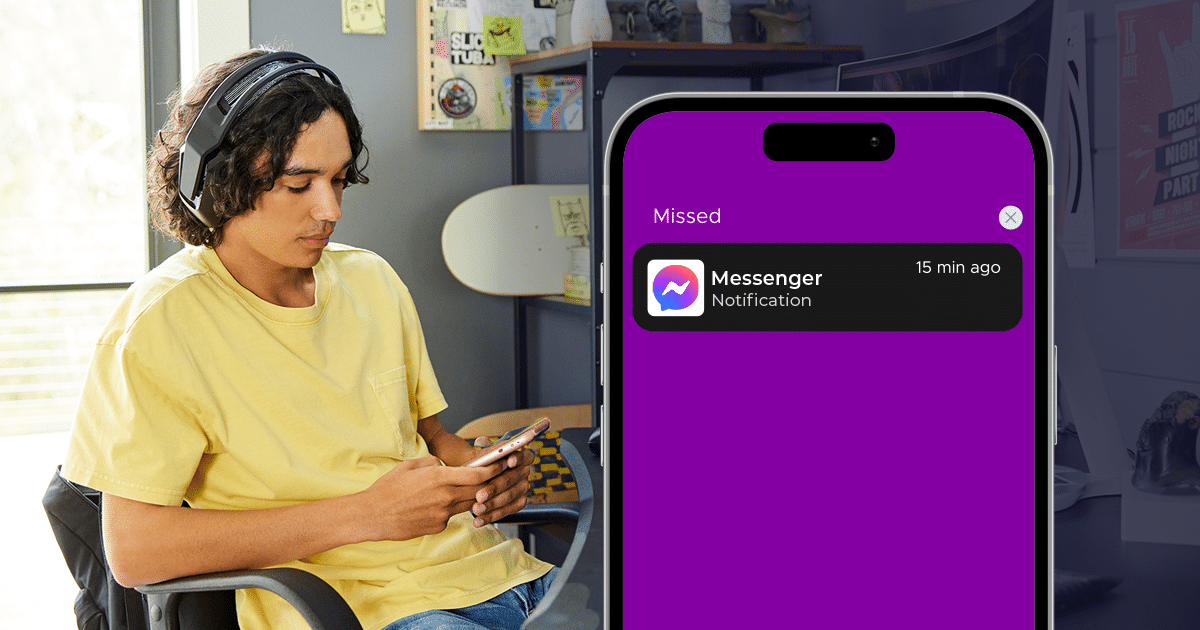
Far from being a primary communication channel for everyday interactions on Facebook, SMS serves a more foundational and supportive role. It acts as a robust fallback, a security enforcer, and a bridge to users in areas with limited internet access. From verifying new accounts and securing logins with two-factor authentication to delivering critical notifications and enabling password recovery, SMS provides an essential layer of reliability and accessibility that complements Facebook’s data-driven, app-centric approach. This article delves into the various facets of SMS integration with Facebook, exploring its historical significance, current applications, and the strategic reasons behind its enduring presence in a world dominated by richer, internet-based communication.
The Fundamental Role of SMS in Facebook’s Ecosystem
The integration of SMS into Facebook’s sprawling digital ecosystem is not merely an auxiliary feature; it represents a deliberate design choice to enhance security, broaden accessibility, and ensure critical communication. While it may not be the primary channel for status updates or direct messages, its underlying utility is paramount for the smooth and secure operation of countless user accounts worldwide.
Initial Integration: Account Verification and Security
From its early days, Facebook recognized the need for a reliable method to verify user identities and establish account authenticity. The internet, by its nature, can be an anonymous space, making it difficult to confirm that users are who they claim to be or that they genuinely own the email address they registered with. This is where SMS stepped in as a powerful, near-universal solution. When a new user attempts to create a Facebook account, providing a mobile phone number allows Facebook to send a unique verification code via SMS. This simple yet effective mechanism confirms that the user has physical access to the phone number, adding a crucial layer of trust and reducing the likelihood of fraudulent account creation. This initial verification step is a cornerstone of maintaining the integrity of the platform, ensuring a more authentic and trustworthy user base.
Beyond Verification: Notifications and Alerts
Once an account is established and verified, SMS continues to play an important role in keeping users informed about critical activities on their profile. While push notifications through the Facebook app are the preferred method for most users with smartphones and reliable internet, SMS serves as a robust alternative or backup. Users can opt to receive various notifications via SMS, ranging from friend requests and message alerts to comments on their posts or invitations to events. This feature is particularly valuable for individuals who might be using feature phones, have unreliable internet access, or simply prefer the directness of an SMS alert. For instance, receiving a text message about a forgotten password attempt or a new login from an unrecognized device can be a timely warning, empowering users to take immediate action even without an active internet connection or access to the Facebook app. These SMS alerts bridge the gap between continuous online engagement and real-time awareness of account activities.
Bridging the Digital Divide: Accessing Facebook Offline
Perhaps one of the most compelling reasons for Facebook’s enduring support for SMS integration is its ability to bridge the digital divide. In many parts of the world, particularly in emerging markets, internet access can be expensive, intermittent, or entirely unavailable. For users in these regions, SMS provides a lifeline, allowing them to engage with the Facebook platform even without a data connection. In the past, Facebook offered services like “Facebook Zero” or “Facebook via SMS,” which enabled users to update their status, comment on posts, and even receive basic notifications by sending and receiving specially formatted text messages. While some of these direct SMS-based interaction features have evolved or been deprecated in favor of more advanced low-data mobile applications, the core principle remains: SMS ensures that Facebook’s reach extends beyond smartphone-owning, data-connected populations. It transforms the platform from a purely internet-dependent service into one that can offer a basic level of interaction and connectivity to a broader global audience, fostering inclusion and communication where traditional internet infrastructure is lacking.
How SMS Facilitates Facebook Account Management and Security
The security of user accounts is paramount for any major online platform, and Facebook is no exception. SMS plays a critical, often silent, role in bolstering account security and simplifying recovery processes, providing a reliable channel for identity verification and emergency access. This ensures that even if other security measures are compromised, users still have a robust way to protect and regain control of their profiles.
Two-Factor Authentication (2FA) via SMS
One of the most significant security features enabled by SMS is Two-Factor Authentication (2FA), often referred to as multi-factor authentication. 2FA adds an extra layer of security beyond just a password. When enabled, every time a user attempts to log in from an unrecognized device or browser, Facebook sends a unique, time-sensitive code to their registered mobile number via SMS. The user must then enter this code in addition to their password to gain access. This makes it significantly harder for unauthorized individuals to access an account, even if they manage to steal or guess a password. Without physical access to the user’s phone, the stolen password becomes largely useless. SMS-based 2FA is widely adopted due to its simplicity and the near-ubiquity of mobile phones, making it an accessible and highly effective deterrent against account hijacking.
Password Reset and Account Recovery
Forgetting a password is a common occurrence, and regaining access to an account efficiently and securely is crucial for user experience. SMS provides a swift and reliable method for password resets and account recovery. If a user forgets their password, Facebook can send a password reset link or a temporary login code directly to their registered mobile phone number. This bypasses the need for email access, which might also be compromised or inaccessible, offering an alternative recovery pathway. Furthermore, in cases where an account has been locked or flagged for suspicious activity, SMS can serve as the primary channel for Facebook to communicate with the legitimate account owner and guide them through the recovery process, proving their identity by confirming access to the registered phone number. This capability is vital for mitigating the impact of security incidents and ensuring users can quickly regain control of their digital presence.
Login Alerts and Suspicious Activity Notifications
Beyond active 2FA, SMS can also act as a passive security monitor, alerting users to potentially suspicious activities. Users can opt to receive SMS notifications if their Facebook account is accessed from an unfamiliar device, browser, or location. These “login alerts” provide immediate warnings, allowing users to quickly review the activity and take action if it wasn’t them. For instance, if you receive an SMS notification about a login from a country you’ve never visited, you can instantly flag it, change your password, and report the unauthorized access, all before significant damage can be done. This proactive alerting system, powered by SMS, empowers users to be the first line of defense for their own accounts, transforming passive security into an active, responsive mechanism that leverages the always-on nature of mobile phones.

Enabling and Managing SMS Settings on Facebook
While SMS integration is a powerful tool, its effectiveness largely depends on how users manage their settings within Facebook. Understanding how to enable, customize, and, if necessary, disable SMS services is key to maximizing its benefits for security and communication preferences, ensuring it aligns with individual needs without becoming a nuisance.
Setting Up Your Phone Number
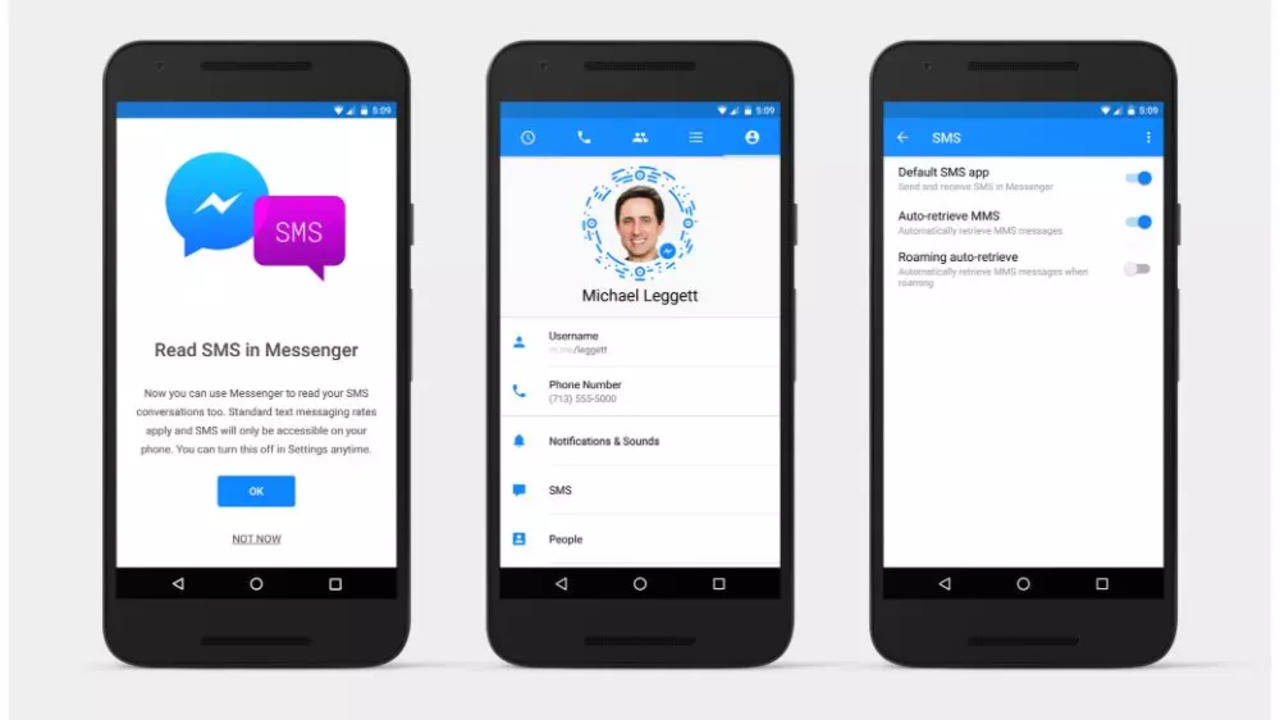
The first step to utilizing any SMS-related feature on Facebook is to ensure your phone number is correctly linked to your account. This is typically done during the account creation process, but can also be added or updated at any time through the Facebook settings. Users navigate to their ‘Settings & Privacy’ > ‘Settings’ > ‘Mobile’ or ‘Security and Login’ sections. Here, they can add a mobile number, which will then require a verification step, usually by entering a code sent via SMS to that number. It’s crucial to use an active, personal phone number that you reliably have access to, as this number becomes a critical conduit for security features like 2FA and account recovery. Maintaining an up-to-date phone number is a basic yet vital practice for anyone seeking to leverage Facebook’s SMS functionalities.
Customizing SMS Notifications
Once a phone number is linked and verified, users gain control over the types of notifications they wish to receive via SMS. Facebook offers granular control over these settings, allowing users to tailor their experience. In the ‘Notifications’ section within ‘Settings’, users can usually find an option for ‘SMS’ or ‘Text Messaging’. Here, they might see categories such as “Comments,” “Friend requests,” “Birthdays,” “Events,” or “Security.” Users can toggle these options on or off based on their preferences. For instance, someone with constant internet access might only want SMS for critical security alerts, while another user with limited data might prefer to receive updates on friend requests or important group posts via SMS. The ability to customize ensures that SMS notifications are useful and relevant, rather than overwhelming or redundant, allowing each user to optimize their balance between staying informed and minimizing distractions.
Disabling SMS Services
There may be instances where a user no longer wishes to receive any SMS notifications from Facebook, perhaps due to changing preferences, a new phone number, or a reliance on other notification methods. Facebook provides straightforward options to disable these services. The most direct approach is to remove the phone number associated with the account, which can be done through the ‘Mobile’ settings. Alternatively, within the ‘Notifications’ settings, users can specifically turn off all SMS notification types. Another option for immediate cessation of notifications is to reply “STOP” to any incoming SMS from Facebook. This typically triggers a system-wide unsubscribe, halting all future SMS communications from that specific Facebook service. Disabling SMS services is a user’s prerogative, often exercised when they primarily use the Facebook mobile app for all interactions and notifications, finding the SMS alerts to be redundant or simply unnecessary for their current usage pattern.
The Evolution of SMS on Facebook: From Core Feature to Complementary Tool
The role of SMS within Facebook has undergone a significant transformation since the platform’s inception. What once was a critical pathway for basic interaction and a primary means of reaching users, particularly in developing regions, has evolved into a more specialized, complementary tool. This shift reflects broader changes in technology, internet accessibility, and user behavior.
The Rise of Mobile Apps and Push Notifications
The most significant factor influencing the diminishing frontline role of SMS on Facebook has been the proliferation of smartphones and the subsequent rise of sophisticated mobile applications. Dedicated Facebook and Messenger apps offer a far richer, more interactive, and often more data-efficient experience than SMS. Push notifications delivered directly through these apps provide instant alerts for a wide range of activities, complete with rich media previews and direct links to relevant content within the app. Unlike SMS, push notifications don’t typically incur per-message charges for the user and can convey more information, making them the preferred mode of communication for the vast majority of smartphone users with consistent internet access. This technological leap has naturally relegated SMS to a more backend or secondary function, primarily for security and fallback purposes.
Privacy Concerns and Data Security
As the digital landscape matured, so too did public awareness and concerns regarding data privacy and security. While SMS is convenient, it’s not inherently the most secure communication channel. Messages sent via SMS are not end-to-end encrypted in the same way modern messaging apps like Messenger (when E2EE is enabled) or WhatsApp can be. This means that while SMS is excellent for delivering codes or simple alerts, it’s less ideal for sensitive personal data. Furthermore, the reliance on a phone number for core functions meant that users needed to trust Facebook with that personal identifier. With increasing scrutiny over data practices, platforms like Facebook have sought to diversify their security and communication channels, ensuring users have choices that align with their privacy comfort levels, and leveraging more secure, app-based communication where possible.
The Future: SMS as a Backup or Niche Solution
Looking ahead, the future of SMS on Facebook appears to be solidified in its role as a robust backup and a vital tool for specific niche scenarios, rather than a primary mode of interaction. Its unparalleled reliability in areas with poor internet connectivity, its simplicity for two-factor authentication, and its universal compatibility with even the most basic mobile phones ensure its continued relevance. As technology progresses, Facebook will likely continue to optimize its app experiences for low-bandwidth environments, further reducing the need for SMS for routine interactions. However, for critical security functions—like password resets or login alerts—and for maintaining accessibility for users in underserved regions, SMS will almost certainly remain an indispensable component of Facebook’s operational strategy. It serves as a reminder that foundational technologies, even amidst rapid innovation, can still play a crucial and often overlooked role in ensuring digital inclusivity and robust security for a global user base.
Conclusion
The question “what is SMS for Facebook?” uncovers a story not of a fading technology, but of a foundational utility that has subtly adapted to the demands of a dynamic digital world. While the glory days of interacting with Facebook purely via SMS might be largely over, its integration remains critical for the platform’s security, accessibility, and reliability. From its fundamental role in account verification and the omnipresent protection of two-factor authentication to its unwavering commitment to bridging the digital divide, SMS serves as an essential technological bedrock.
It ensures that Facebook remains a secure and accessible platform for billions, regardless of their internet connectivity or the sophistication of their mobile device. The strategic evolution of SMS from a primary communication channel to a powerful complementary tool highlights Facebook’s pragmatic approach to technology—leveraging the strengths of an older, reliable system while simultaneously pushing the boundaries of modern app-based communication. Ultimately, SMS for Facebook is more than just a feature; it’s a testament to the enduring power of simple, reliable technology in securing and connecting a global community.
aViewFromTheCave is a participant in the Amazon Services LLC Associates Program, an affiliate advertising program designed to provide a means for sites to earn advertising fees by advertising and linking to Amazon.com. Amazon, the Amazon logo, AmazonSupply, and the AmazonSupply logo are trademarks of Amazon.com, Inc. or its affiliates. As an Amazon Associate we earn affiliate commissions from qualifying purchases.