
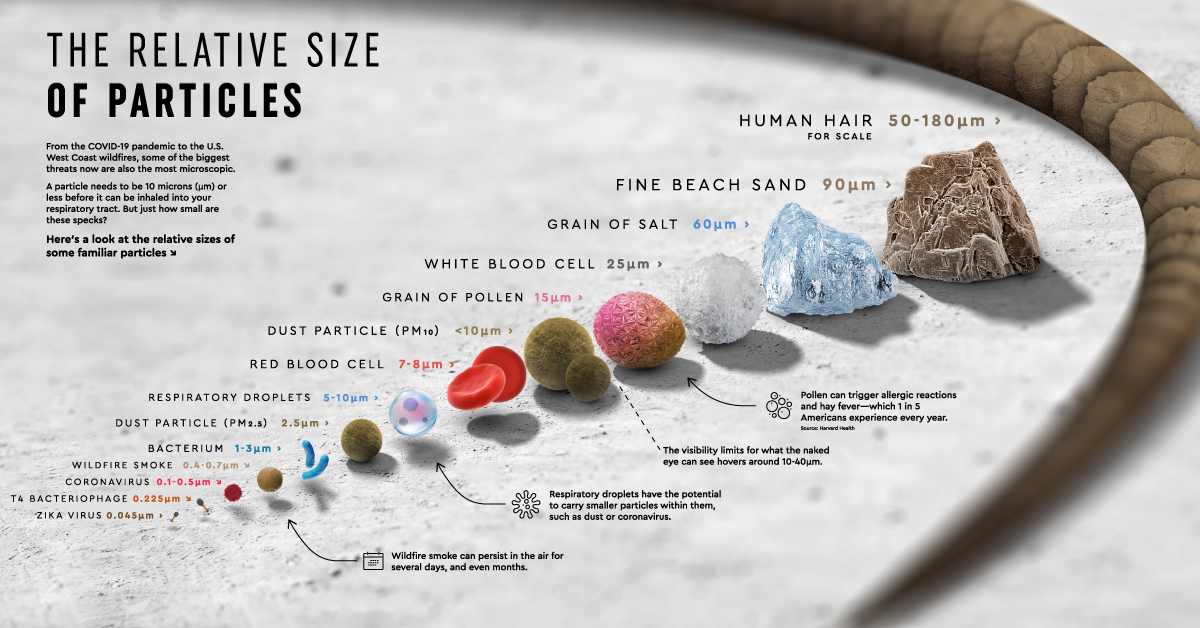
The question “what is smaller than a cell?” might initially sound like a simple biological query, prompting thoughts of organelles, molecules, and atoms. However, in the 21st century, this question transcends mere biological classification to become a profound technological challenge and opportunity. It underpins entire fields of innovation, from advanced imaging and diagnostics to groundbreaking materials science and artificial intelligence. Understanding and manipulating entities at scales smaller than a typical cell – roughly 10-100 micrometers – has become a cornerstone of modern technological advancement, pushing the boundaries of what we can observe, create, and control. This article delves into the technological marvels that allow us to perceive, interact with, and harness the power of the infinitesimal, opening new vistas for discovery and application across countless industries.

Navigating the Ultramicroscopic: The Evolution of Observation Tools
For centuries, humanity’s perception of the microscopic world was limited by the very nature of light. The advent of the optical microscope revolutionized biology, revealing cells as the fundamental units of life. Yet, to truly answer “what is smaller than a cell?” and explore the structures within and beyond them, new frontiers in imaging technology were essential. These innovations have not only illuminated previously invisible realms but have also paved the way for unprecedented manipulation and understanding.
Beyond the Light Microscope: Electron and Super-Resolution Microscopy
The resolving power of traditional light microscopes is fundamentally limited by the wavelength of visible light. To peer into the true sub-cellular domain, where structures like viruses (tens to hundreds of nanometers), proteins (nanometers), and even individual molecules reside, scientists had to find alternative illumination sources.
Electron Microscopy (EM) emerged as a game-changer in the mid-20th century. Instead of photons, EM uses a beam of electrons, which have much shorter wavelengths, allowing for significantly higher resolution. Transmission Electron Microscopes (TEM) pass electrons through ultra-thin samples, revealing intricate internal structures with nanometer-scale detail. Scanning Electron Microscopes (SEM), on the other hand, scan a focused electron beam across a sample’s surface, generating stunning three-dimensional images of external morphology. These technologies have been indispensable for visualizing viruses, bacterial structures, cellular organelles in exquisite detail, and the precise arrangement of advanced materials. The development of cryo-electron microscopy (cryo-EM) further advanced EM, allowing biological samples to be vitrified (flash-frozen) and imaged in a near-native state, revolutionizing structural biology by enabling the atomic-level visualization of complex protein structures without crystallization.
More recently, Super-Resolution Microscopy (SRM) has bridged the gap between light and electron microscopy. SRM techniques cleverly bypass the diffraction limit of light, achieving resolutions typically thought impossible with optical methods. Techniques like STED (Stimulated Emission Depletion), PALM (Photoactivated Localization Microscopy), and STORM (Stochastic Optical Reconstruction Microscopy) use sophisticated optical physics and computational reconstruction to pinpoint the positions of individual fluorescent molecules with nanometer precision. This allows researchers to observe dynamic processes within living cells – such as protein interactions, membrane dynamics, and even the movement of individual molecules – in unparalleled detail, without the harsh sample preparation often required for EM. SRM is a testament to how innovative optical engineering and computational power can redefine the limits of observation within the biological context.
Visualizing the Invisible: Advanced Imaging and Spectroscopy Techniques
Beyond purely visual representation, technology has also evolved to provide chemical and physical information at the sub-cellular scale.
Atomic Force Microscopy (AFM) operates on a different principle altogether. Instead of light or electrons, AFM uses a minuscule cantilever with a sharp tip to “feel” the surface of a sample. As the tip scans, it deflects in response to atomic forces, and these deflections are mapped to create a topographical image with atomic resolution. AFM can image both conductive and non-conductive surfaces, including biological samples in liquid environments, making it invaluable for studying DNA, proteins, and cell membranes at their native states. It can even be used to measure mechanical properties like stiffness and adhesion at the nanoscale.
Complementary to imaging, Spectroscopy Techniques analyze the interaction of matter with electromagnetic radiation to deduce its composition and properties. Techniques like Raman spectroscopy and Infrared (IR) spectroscopy can be integrated with microscopy to provide chemical ‘fingerprints’ of different regions within a cell or material at high spatial resolution. Mass spectrometry imaging can identify and map the distribution of thousands of molecules simultaneously across a sample, offering insights into metabolic pathways and drug distribution at the cellular level. These advanced tools offer a comprehensive, multi-modal view, allowing scientists to not only see what’s smaller than a cell but also understand its precise chemical nature and physical interactions.
The Era of Nanotechnology: Engineering at the Atomic Precision
If advanced microscopy allows us to see what is smaller than a cell, nanotechnology enables us to build and manipulate at that scale. Nanotechnology is the science, engineering, and technology conducted at the nanoscale (approximately 1 to 100 nanometers), where unique phenomena enable novel applications. It’s about taking materials and devices down to the scale of individual molecules and atoms, opening up a universe of possibilities.
Building Blocks of the Future: Nanomaterials and Their Diverse Applications
At the nanoscale, materials often exhibit properties drastically different from their bulk counterparts due to increased surface area, quantum mechanical effects, and reduced dimensions. This phenomenon is at the heart of nanomaterials research and development.
Carbon Nanotubes (CNTs) and Graphene are prime examples. CNTs are cylindrical nanostructures of carbon atoms, possessing extraordinary strength (hundreds of times stronger than steel), exceptional electrical conductivity, and thermal properties. Graphene, a single layer of carbon atoms arranged in a hexagonal lattice, is the thinnest, strongest, and most conductive material known. These materials are being explored for applications ranging from ultra-lightweight composites for aerospace and automotive industries, transparent conductive films for flexible electronics, high-performance batteries and supercapacitors, to highly sensitive sensors for environmental monitoring and medical diagnostics. Their ability to conduct electricity efficiently at such small scales is also paving the way for next-generation computing architectures.
Quantum Dots (QDs) are semiconductor nanocrystals whose electronic properties are determined by their size and shape. When exposed to UV light, they emit light of a specific color, which can be precisely tuned by controlling their size. This unique property makes QDs invaluable for highly efficient LED displays (think QLED TVs), solar cells, biological imaging (offering brighter and more stable fluorescence than traditional dyes), and even quantum computing. The ability to customize their optical properties with such precision is a testament to the level of control nanotechnology affords.
Precision Medicine: Nanobots, Drug Delivery, and Diagnostics
Perhaps one of the most transformative applications of nanotechnology is in medicine, where the scale of interaction naturally aligns with biological processes. The concept of “nanobots” – microscopic robots designed to perform specific tasks inside the human body – is slowly transitioning from science fiction to scientific reality. While fully autonomous nanobots are still in early stages of development, existing nanoscale devices are already revolutionizing healthcare.
Nanoparticles for Drug Delivery are at the forefront of this revolution. Traditional drugs often have systemic side effects because they distribute throughout the body. Nanocarriers, such as liposomes, polymeric nanoparticles, and gold nanoparticles, can be engineered to encapsulate therapeutic agents and protect them from degradation, enhance their solubility, and most critically, target specific diseased cells or tissues. For example, nanoparticles coated with antibodies can selectively bind to cancer cells, delivering a high concentration of chemotherapy directly to the tumor while minimizing harm to healthy cells. This “smart delivery” paradigm promises more effective treatments with fewer side effects for a wide range of diseases, including cancer, autoimmune disorders, and infectious diseases.
In Diagnostics, nanoscale technologies enable earlier and more sensitive detection of diseases. Biosensors built with nanomaterials can detect minute quantities of disease biomarkers (proteins, DNA, RNA) in blood, urine, or saliva, often before symptoms even appear. Quantum dots are being used as highly sensitive fluorescent probes for imaging tumors or tracking cellular processes. Magnetic nanoparticles can be used in conjunction with MRI to enhance imaging contrast, highlighting diseased tissues. The precision and sensitivity afforded by nanotechnology are drastically improving our ability to diagnose conditions accurately and promptly, leading to better patient outcomes.
Biological Frontiers: Manipulating Life’s Smallest Components
Beyond observing and engineering inanimate matter at the nanoscale, technology has empowered us to directly manipulate the very building blocks of life itself – molecules and genes that are far smaller than a cell. This area bridges the gap between physics, engineering, and biology, yielding unprecedented control over biological systems.
Rewriting the Code: Gene Editing Technologies and Molecular Instruments
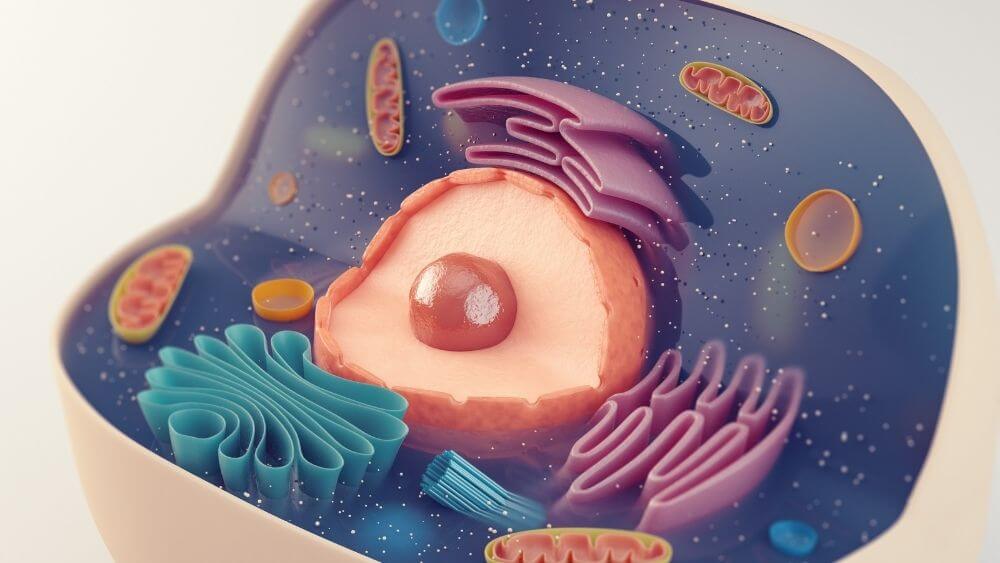
The genetic material, DNA, is a macromolecule that encodes all life’s instructions. Manipulating this code, which resides within the nucleus of a cell, requires tools of exquisite precision operating at the molecular level.
CRISPR-Cas9 (Clustered Regularly Interspaced Short Palindromic Repeats and CRISPR-associated protein 9) stands out as a revolutionary gene-editing technology. Discovered as a bacterial immune system, CRISPR has been repurposed by scientists into a molecular scissor that can precisely cut and edit specific sequences of DNA within any living cell. Guided by a small RNA molecule, the Cas9 enzyme snips the DNA at a targeted location, allowing scientists to insert, delete, or modify genes with unprecedented ease and accuracy. This technology, which operates at the level of individual nucleotides and gene segments (far smaller than a cell), is transforming basic research, enabling the study of gene function, and holds immense promise for correcting genetic diseases like cystic fibrosis, sickle cell anemia, and Huntington’s disease. Its development represents a pinnacle of technological ingenuity applied to molecular biology.
Beyond CRISPR, other Molecular Instruments like PCR (Polymerase Chain Reaction) allow for the amplification of specific DNA segments, enabling detection and analysis even from minute samples. DNA sequencing technologies have evolved from laborious manual methods to high-throughput automated platforms that can sequence entire genomes rapidly and affordably. These technologies, though often operating on samples containing many cells, rely on precisely engineered enzymes and chemical reactions to manipulate individual molecules, pushing the boundaries of what is possible in understanding and altering the genetic fabric of life.
Crafting New Life: Synthetic Biology and Artificial Cellular Systems
Synthetic biology is an interdisciplinary field that applies engineering principles to biology. It involves designing and constructing new biological parts, devices, and systems, as well as redesigning existing natural biological systems for useful purposes. This often involves working at scales far smaller than a cell, building components from scratch.
One major endeavor is the creation of Artificial Cellular Systems or “minimal cells.” Researchers aim to synthesize a living cell from basic chemical components, understanding the minimum set of genes and pathways required for life. This involves selecting and assembling specific proteins, lipids, and nucleic acids into a self-replicating, self-sustaining entity. While a truly de novo synthetic cell from inorganic precursors is a long-term goal, significant progress has been made in creating cells with completely synthetic genomes. This technological feat provides invaluable insights into the fundamental principles of life and opens pathways for designing biological factories for producing biofuels, pharmaceuticals, or novel materials with tailored properties.
Furthermore, synthetic biology is used to engineer existing microorganisms (like bacteria or yeast) to perform new functions. This could involve reprogramming them to produce complex therapeutic molecules, sense environmental toxins, or even act as tiny biological computers. The precision engineering of gene circuits, metabolic pathways, and regulatory networks within these cells demonstrates a profound level of technological control over biological systems at the sub-cellular level, transforming biotechnology and paving the way for a bio-engineered future.
The Broader Impact: Societal Implications and Ethical Considerations
The capacity to observe, manipulate, and engineer at scales smaller than a cell carries profound implications across society, promising revolutionary advancements while simultaneously raising complex ethical questions.
Transformative Applications: From Medicine to Environmental Science
The technological mastery over the sub-cellular realm is leading to breakthroughs in virtually every sector. In Medicine, beyond drug delivery and gene therapy, early cancer detection, advanced diagnostics for infectious diseases, and regenerative medicine are being transformed. Implants and prosthetics are becoming more biocompatible and integrated with the body through nanoscale surface modifications. In Electronics, miniaturization continues apace, pushing towards molecular-scale computing and ultra-dense data storage. Quantum technologies, which harness the properties of particles smaller than atoms, promise unimaginable computational power.
Environmental Science also benefits immensely. Nanotechnology is being developed for efficient water purification (removing contaminants at the molecular level), enhanced solar energy conversion, and smart sensors for detecting pollutants. Genetically engineered microbes can be deployed for bioremediation, breaking down hazardous waste or producing sustainable fuels. The ability to precisely control matter at the nanoscale is offering solutions to some of humanity’s most pressing challenges.
The Ethical Compass: Navigating the Unknowns of Miniaturization
With great power comes great responsibility, and the technologies that answer “what is smaller than a cell?” are no exception. The ability to edit the human germline using CRISPR, for instance, raises profound ethical questions about designer babies, unforeseen long-term consequences, and societal equity. The potential for genetic discrimination or the irreversible alteration of the human species demands careful consideration and robust regulatory frameworks.
The widespread deployment of nanomaterials also necessitates rigorous assessment of their safety and environmental impact. While beneficial in many applications, certain nanoparticles could pose health risks if inhaled or ingested, and their accumulation in ecosystems requires thorough investigation. Similarly, synthetic biology, while offering immense promise, also brings concerns about biosafety, biosecurity, and the potential for unintended ecological disruption if engineered organisms are released into the environment. As these technologies mature, society faces the critical challenge of balancing innovation with responsibility, ensuring that the power to manipulate the infinitesimal is wielded for the greater good, guided by ethical principles and transparent public discourse.
The Future of the Infinitesimally Small: Emerging Technologies and Horizons
The quest to understand and leverage what is smaller than a cell is far from over. New technological paradigms are emerging, promising to accelerate discovery and unlock even more profound capabilities.
AI and Quantum Computing: Accelerating Sub-cellular Discovery
Artificial Intelligence (AI) is rapidly becoming an indispensable tool in sub-cellular research. Machine learning algorithms can analyze vast datasets generated by advanced microscopes and genomic sequencers, identifying patterns, classifying structures, and predicting molecular interactions far faster and more accurately than humans. AI is being used to design novel proteins, optimize drug candidates, predict the outcome of gene edits, and even control nanoscale robots with greater precision. This synergistic relationship between advanced instrumentation and intelligent algorithms is dramatically speeding up the pace of discovery.
Quantum Computing, though still in its nascent stages, holds the potential to revolutionize our understanding of molecular interactions. Traditional computers struggle to simulate the complex quantum mechanical behaviors of even small molecules. Quantum computers, leveraging principles like superposition and entanglement, could perform these simulations with unprecedented accuracy, leading to breakthroughs in drug design, materials science, and our fundamental understanding of chemical reactions at the most basic level. The ability to accurately model quantum phenomena will be key to designing even more sophisticated nanoscale technologies and understanding the true nature of matter smaller than a cell.
The Ultimate Quest: Towards Molecular Manufacturing and Beyond
The long-term vision for many nanotechnologists is Molecular Manufacturing – the precise, atom-by-atom assembly of complex structures and machines. While currently largely theoretical and decades away, the steady progress in atomic force microscopy (which can manipulate individual atoms), self-assembling nanomaterials, and advanced synthetic biology hints at a future where we might build molecular machines as intricate as biological enzymes, capable of constructing macroscopic objects from basic molecular precursors. This vision, if realized, could lead to revolutionary advancements in manufacturing, medicine, and resource management, fundamentally reshaping our technological landscape.
From the first crude lenses that revealed the cell, to electron microscopes that exposed viruses, to CRISPR technology that edits genes, and the nascent fields of AI-driven nanobots and quantum molecular simulation, humanity’s journey into the realm of the infinitesimally small is a testament to our insatiable curiosity and technological ingenuity. The question “what is smaller than a cell?” is no longer a rhetorical query but a dynamic frontier of technological innovation, promising to redefine health, industry, and our very understanding of life itself. The future lies in the mastery of the microscopic, a domain where the smallest entities hold the greatest potential for transformative change.
aViewFromTheCave is a participant in the Amazon Services LLC Associates Program, an affiliate advertising program designed to provide a means for sites to earn advertising fees by advertising and linking to Amazon.com. Amazon, the Amazon logo, AmazonSupply, and the AmazonSupply logo are trademarks of Amazon.com, Inc. or its affiliates. As an Amazon Associate we earn affiliate commissions from qualifying purchases.