
In the competitive landscape of modern commerce, a brand is far more than a logo or a product line. It is an emotional connection, a promise of quality, and a distinct personality that resonates with a specific audience. At the heart of this identity lies one of the most powerful yet frequently misunderstood tools in the marketer’s arsenal: the slogan.
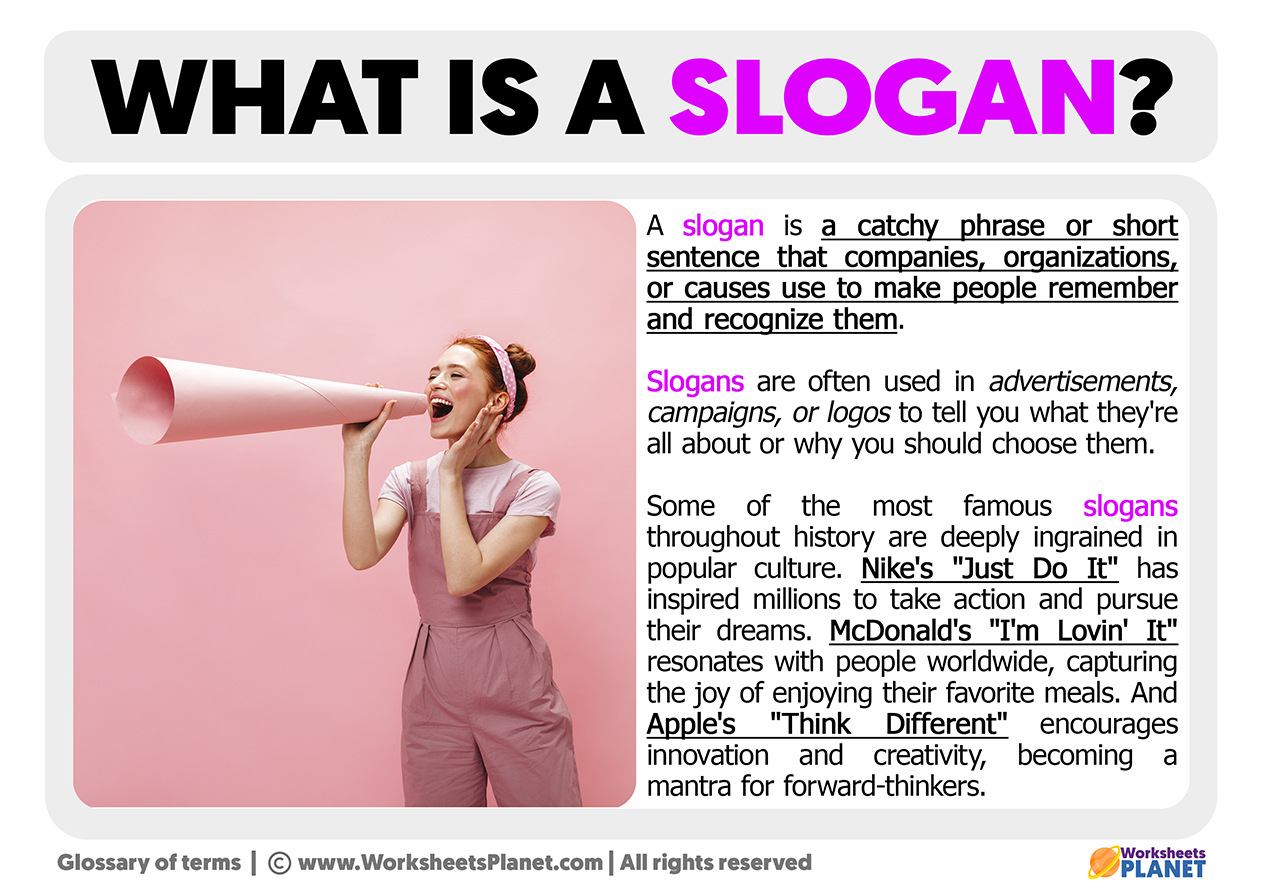
A slogan is a short, striking phrase used in advertising to anchor a brand’s message in the consumer’s mind. It acts as a verbal shorthand for a company’s mission, values, and unique selling proposition (USP). While a logo provides a visual anchor, the slogan provides the narrative rhythm. When executed correctly, a slogan transcends simple marketing; it becomes a cultural touchstone that can define a generation of consumers.
Defining the Slogan: More Than Just a Catchy Phrase
To understand what a slogan is, one must first look at its linguistic roots. The word originates from the Gaelic sluagh-ghairm, meaning a “battle cry.” In the context of modern brand strategy, this definition remains surprisingly apt. A slogan is a brand’s battle cry in a crowded marketplace, designed to capture attention, rally supporters, and distinguish a company from its competitors.
Slogan vs. Tagline: Understanding the Distinction
In the world of branding, the terms “slogan” and “tagline” are often used interchangeably, but they serve different strategic purposes. A tagline is a permanent representation of the brand—a short phrase that stays with the company regardless of the specific campaign. For example, BMW’s “The Ultimate Driving Machine” is a tagline that defines the essence of the entire brand.
In contrast, a slogan is often more ephemeral and tied to specific marketing campaigns or product lines. Slogans are designed to be flexible, evolving with social trends or seasonal promotions. While a tagline is about the “who” and “why” of a brand, a slogan is often about the “what” and “now.” Understanding this distinction is crucial for brand managers who need to maintain a consistent core identity while remaining agile in their messaging.
The Psychology Behind a Great Slogan
The effectiveness of a slogan is rooted in cognitive psychology, specifically the “fluency effect.” Our brains are wired to prefer information that is easy to process. A slogan that is rhythmic, simple, and evocative is processed more quickly by the brain, which leads to higher levels of trust and memorability. By condensing a complex brand philosophy into five or fewer words, a slogan bypasses the skeptical analytical mind and appeals directly to the subconscious.
The Anatomy of a Successful Slogan
Not all slogans are created equal. Thousands of phrases are launched into the market every year, yet only a handful achieve the “stickiness” required to influence consumer behavior. A successful slogan is built on three pillars: clarity, brevity, and emotional resonance.
Simplicity as a Virtue
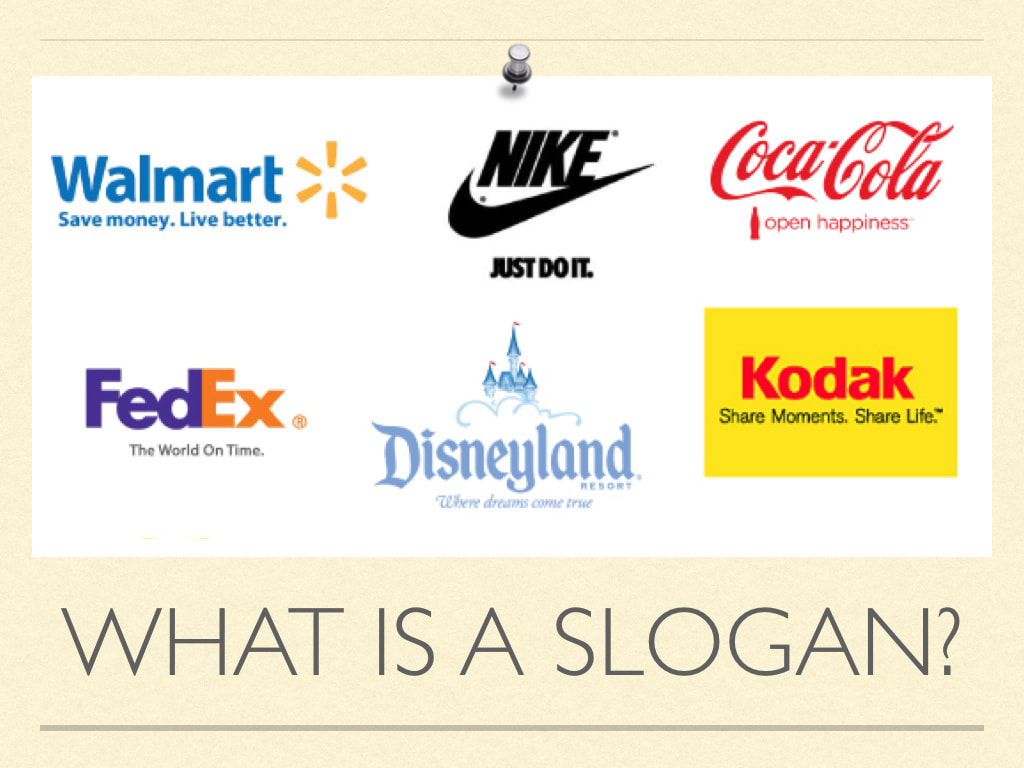
In an era of information overload, simplicity is the ultimate sophistication. The best slogans avoid industry jargon and “corporate speak.” Instead, they use “high-frequency” words—words that are common in everyday language. This makes the brand feel accessible. Consider how a brand like FedEx uses “The World on Time.” It is simple, direct, and communicates the core benefit of the service without any unnecessary fluff.
Establishing Emotional Resonance
Logic makes people think, but emotion makes people act. A slogan that focuses purely on features (e.g., “Our Vacuum Has 20% More Suction”) is far less effective than one that focuses on the emotional benefit (e.g., “A Cleaner Home for a Happier Family”). Great slogans tap into universal human desires: the need for belonging, the quest for excellence, or the desire for security. By aligning a brand with an emotion, the slogan transforms the product from a commodity into an experience.
Differentiation in a Crowded Marketplace
The primary job of a brand strategy is to answer the question: “Why should I choose you over the other guy?” A slogan must highlight the brand’s “Unique Selling Proposition.” If a slogan could be swapped between two competitors without anyone noticing, it has failed. A powerful slogan carves out a unique space in the consumer’s mind, emphasizing a specific benefit—be it price, quality, speed, or innovation—that the competition cannot claim.
Types of Slogans and Their Strategic Applications
Different brands require different approaches. Depending on the brand’s maturity, the target demographic, and the nature of the industry, a brand strategist might choose one of several types of slogans to lead their campaign.
Descriptive Slogans
Descriptive slogans do exactly what they say on the tin. They describe what the business does or what the product provides. These are particularly effective for new brands that do not yet have high name recognition. For example, “The Quicker Picker Upper” (Bounty) immediately tells the consumer what the product is for and why it is superior. It leaves no room for ambiguity.
Imperative Slogans
Imperative slogans start with a strong verb and issue a command to the consumer. These are designed to be empowering and action-oriented. Nike’s “Just Do It” is the gold standard of imperative slogans. It doesn’t mention shoes or apparel; instead, it commands the consumer to adopt a mindset of action. This type of slogan is highly effective for lifestyle brands that want to inspire their audience.
Provocative and Superlative Slogans
Provocative slogans ask a question or make a bold, sometimes controversial statement to pique curiosity. Think of Dairy Council’s “Got Milk?” This simple question became a cultural phenomenon because it highlighted a need (the absence of the product) rather than the product itself.
Superlative slogans, on the other hand, claim the top spot in a category. Phrases like “The Best a Man Can Get” (Gillette) position the brand as the undisputed leader. While risky if the product doesn’t live up to the hype, superlative slogans can build a sense of prestige and authority.
The Step-by-Step Process of Creating a Powerful Brand Slogan
Creating a slogan that resonates is rarely a “eureka” moment. It is the result of a disciplined strategic process that aligns creative writing with market data.
Phase 1: Identifying Core Brand Values
Before a single word is written, the brand’s DNA must be mapped. What are the core values? Who is the ideal customer? What is the one thing the brand wants to be known for? This phase involves deep-dive sessions where the brand’s mission is distilled into its purest form. If the brand were a person, how would they speak? This “verbal identity” provides the boundaries for the brainstorming process.
Phase 2: Brainstorming and Conceptualization
In this stage, quantity is often the precursor to quality. Writers and strategists generate hundreds of options, exploring different angles: puns, metaphors, rhymes, and direct statements. The goal is to move past the obvious and find “the hook.” Creative teams often use word-association maps to link the product’s features to broader emotional benefits, looking for that specific combination of words that feels both fresh and inevitable.
Phase 3: Testing and Refinement
A slogan might sound great in a boardroom, but how does it perform in the real world? Testing involves presenting the slogan to focus groups or using A/B testing in digital ads to see which phrase drives more engagement. Strategists look for “recall”—can the consumer remember the slogan after seeing it once? They also check for negative connotations or linguistic barriers in international markets. A slogan must be future-proof and scalable.
Case Studies: Iconic Slogans That Changed Brand Trajectories
To see the power of a slogan in action, we can look at some of the most successful examples in corporate history.
Apple: “Think Different”
In the late 1990s, Apple was struggling. Their “Think Different” campaign wasn’t just an ad; it was a re-positioning of the brand. By aligning Apple with icons like Gandhi and Einstein, the slogan told consumers that using a Mac wasn’t just a tech choice—it was a statement of identity. It appealed to the “misfits” and “rebels,” creating a cult-like loyalty that persists today.
L’Oréal: “Because You’re Worth It”
This slogan represented a revolutionary shift in brand strategy. In the 1970s, most beauty advertising focused on what men thought of women. L’Oréal flipped the script, focusing on the woman’s self-esteem. “Because You’re Worth It” made the product an act of self-care and empowerment. It was one of the first slogans to prioritize the consumer’s internal psyche over external validation.
McDonald’s: “I’m Lovin’ It”
Launched in 2003, this slogan was a strategic masterstroke in global branding. It was designed to be youthful, modern, and adaptable across every language and culture. The inclusion of the “ba-da-ba-ba-ba” jingle added a sonic element to the verbal slogan, ensuring that the brand was recognizable even if the consumer wasn’t looking at a screen. It shifted the brand from a functional “fast food” provider to a source of simple, daily joy.
Conclusion
In the grand architecture of brand strategy, the slogan is the bridge between the company’s vision and the consumer’s reality. It is a distillation of purpose, a promise of value, and a tool for differentiation. While only a few words long, its impact on brand equity can be measured in decades. By focusing on simplicity, emotional depth, and strategic alignment, a brand can craft a slogan that does more than just sell a product—it can start a conversation that never ends.
aViewFromTheCave is a participant in the Amazon Services LLC Associates Program, an affiliate advertising program designed to provide a means for sites to earn advertising fees by advertising and linking to Amazon.com. Amazon, the Amazon logo, AmazonSupply, and the AmazonSupply logo are trademarks of Amazon.com, Inc. or its affiliates. As an Amazon Associate we earn affiliate commissions from qualifying purchases.