
In the contemporary commercial landscape, the question “What is skincare?” has evolved far beyond its dermatological definition. While a scientist might define it as the topical application of active ingredients to maintain skin homeostasis, a brand strategist views it as one of the most sophisticated examples of emotional marketing and identity construction in the 21st century. Skincare is no longer a mere utility; it is a lifestyle, a ritual, and a high-margin vehicle for personal branding and corporate identity.
To understand skincare through the lens of brand strategy is to understand how a product moves from being a commodity to a cult object. In an era defined by digital aesthetics and “self-care” as a socio-economic status symbol, the skincare industry provides a definitive blueprint for building brand equity, fostering community loyalty, and navigating the complex intersection of science and storytelling.
The Anatomy of a Skincare Brand: More Than Just Formulas
At the heart of any successful skincare brand lies a delicate balance between chemical efficacy and psychological appeal. From a brand strategy perspective, the “product” is not just the liquid inside the bottle; it is the promise of transformation, the prestige of the packaging, and the values the company represents.
The Narrative of Efficacy
In brand strategy, “truth” is often secondary to “trust.” Skincare brands must navigate the “Narrative of Efficacy”—the way a brand communicates that its products actually work. This is achieved through clinical branding, where white space, sans-serif fonts, and laboratory-style imagery are used to denote medical authority. By positioning a brand as “science-first,” companies create a corporate identity rooted in reliability. This strategic positioning allows brands to command premium pricing, as consumers are not just buying a moisturizer; they are investing in the research and development (R&D) prowess the brand claims to possess.
Visual Identity and Minimalist Aesthetics
The visual identity of modern skincare has undergone a radical transformation. Gone are the days of overly ornate, floral-heavy packaging. Today, the most successful brands utilize “millennial minimalism” or “apothecary chic.” This design strategy serves a dual purpose: it suggests transparency (a “clean” look) and ensures the product is “Instagrammable.” When a brand’s packaging is aesthetically pleasing enough to be featured in a consumer’s social media feed, the consumer becomes an unpaid brand ambassador, integrating the brand’s identity into their own personal brand.
The Evolution from Utility to Lifestyle Branding
The most significant shift in the skincare sector over the last decade has been the move from functional problem-solving to holistic lifestyle integration. Historically, skincare was marketed as a solution to “flaws”—acne, wrinkles, or dryness. Modern brand strategy has flipped this script, repositioning skincare as an essential component of wellness and self-care.
The Rise of the “Shelfie” Culture
The “shelfie”—a curated photograph of one’s bathroom cabinet—represents the pinnacle of personal branding in the beauty space. Brands like Glossier and Drunk Elephant have mastered this by creating distinct, recognizable color palettes and shapes. When a consumer displays these products, they are signaling their membership in a specific tribe. This is a classic case of “conspicuous consumption” repurposed for the digital age. The brand becomes a badge of identity, signifying that the user is informed, health-conscious, and aesthetically aware.
Community-Led Growth and the Glossier Effect
Glossier is often cited in brand strategy case studies as the pioneer of community-led growth. By leveraging their blog, Into The Gloss, they built a brand based on the feedback and desires of their audience before the products even existed. This “bottom-up” approach to branding fosters a level of loyalty that traditional “top-down” corporate marketing cannot match. By making the customer the protagonist of the brand story, they turned skincare into a democratic movement rather than an elitist luxury.
Disruptive Positioning: Transparency as a Brand Pillar
As consumers become more educated—often referred to as “Skin-tellectuals”—the demand for transparency has forced a revolution in brand communication. This shift has given rise to a new category of “Ingredient-Led Branding,” where the marketing focuses almost exclusively on the chemical composition of the product.
The Ordinary and the Deconstruction of Luxury
DECIEM’s “The Ordinary” disrupted the entire industry by stripping away the “magic” of skincare and replacing it with raw data. Their brand strategy was a masterclass in anti-marketing. By naming products after their active ingredients (e.g., “Niacinamide 10% + Zinc 1%”) and selling them at near-commodity prices, they exposed the high markups of luxury competitors. This move forced the entire industry to rethink its value proposition. The Ordinary didn’t just sell serum; they sold the idea that the consumer was smart enough to formulate their own routine, thereby empowering the user’s personal brand as an “expert.”
Ingredient-Focused Marketing and the “Clean” Beauty Myth
The “Clean Beauty” movement is another powerful strategic pivot. By creating a brand identity around what is not in the product (parabens, sulfates, etc.), brands tap into the consumer’s fear and desire for safety. While scientifically controversial, the “Clean” label is a potent marketing tool that establishes a moral high ground. This positioning allows brands to align themselves with broader social trends like sustainability and environmentalism, further strengthening the emotional bond with the conscious consumer.
The Future of Personal Branding in the Beauty Space
As we look toward the future, the definition of a skincare brand is becoming increasingly personalized and decentralized. The rise of influencer-led brands and AI-driven customization is changing how corporate identity is projected and perceived.
Influence, Authenticity, and the Founder’s Story
Personal branding has become the primary driver of new skincare launches. Celebrity-led brands (such as Rihanna’s Fenty Skin or Hailey Bieber’s Rhode) rely on the founder’s existing equity to bypass traditional brand-building phases. The success of these brands depends on “perceived authenticity.” If the founder is seen as a genuine user and expert, the brand gains immediate market entry. This highlights a shift where the “Face” of the brand is just as important as the formula, turning the CEO into a vital part of the product’s sensory experience.
The Shift Toward Personalized Corporate Identity
With the advent of skin-scanning apps and personalized formulations, the brand’s role is shifting from “Manufacturer” to “Consultant.” Future brand strategies will likely focus on “Hyper-Personalization,” where the brand identity is a mirror of the individual consumer’s needs. This creates a unique brand-consumer relationship where the product is bespoke, making the brand indispensable to the user’s daily life.
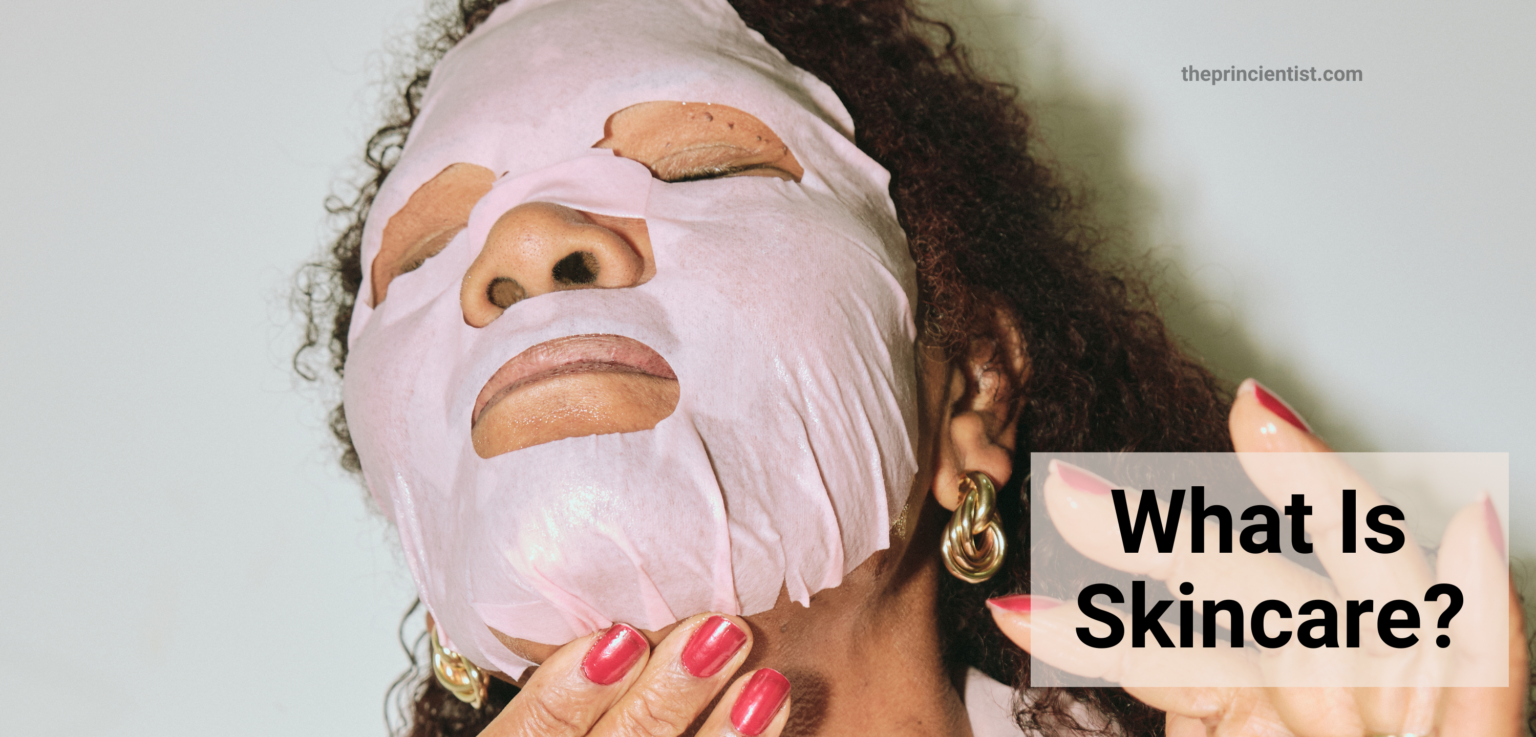
Conclusion: Skincare as the Ultimate Case Study in Brand Loyalty
To answer “What is skincare?” from a business perspective is to recognize it as a triumph of brand strategy. It is an industry that has successfully commodified the morning ritual, turned chemistry into a lifestyle, and transformed the bathroom vanity into a stage for personal expression.
For brand strategists, the skincare industry offers several key lessons:
- Identity is the Product: People buy who they want to be, not just what the product does.
- Community is the Moat: A brand that talks with its customers is more resilient than one that talks at them.
- Transparency is a Competitive Advantage: In an information-rich world, being the brand that simplifies complexity wins.
Skincare is no longer just about the skin; it is about the story we tell ourselves and the world. Whether it is through the clinical minimalism of a high-tech lab brand or the community-driven warmth of a startup, skincare remains the ultimate vessel for modern brand identity. As the market continues to saturate, the brands that survive will not necessarily be those with the best chemicals, but those with the most resonant and authentic brand strategies.
aViewFromTheCave is a participant in the Amazon Services LLC Associates Program, an affiliate advertising program designed to provide a means for sites to earn advertising fees by advertising and linking to Amazon.com. Amazon, the Amazon logo, AmazonSupply, and the AmazonSupply logo are trademarks of Amazon.com, Inc. or its affiliates. As an Amazon Associate we earn affiliate commissions from qualifying purchases.