
Skim coating, in its essence, is a construction finishing technique that involves applying a thin, smooth layer of plaster or joint compound over a surface. While the fundamental concept might seem straightforward, the “what” of skim coating extends far beyond a simple cosmetic application. It represents a sophisticated approach to surface preparation and enhancement, leveraging advancements in material science and application technologies to achieve a flawless finish. In the realm of modern construction and renovation, skim coating has evolved from a basic plastering technique into a critical step for achieving high-quality aesthetic results and preparing surfaces for a variety of subsequent finishes. Understanding skim coating requires delving into its purpose, the materials involved, the technological advancements in its application, and its significant role in achieving durable and visually appealing surfaces.

The Technological Underpinnings of Surface Perfection
At its core, skim coating is a testament to the power of precise material application to transform imperfect surfaces into pristine canvases. The technology behind skim coating lies not just in the manual skill of the applicator but also in the development of specialized compounds and the innovative tools designed for their efficient and effective deployment. This section will explore the materials science and the evolution of application techniques that define modern skim coating.
Material Science: The Evolution of Skim Coating Compounds
The effectiveness of skim coating is intrinsically linked to the properties of the materials used. Historically, basic gypsum plasters were the foundation. However, modern skim coating relies on advanced formulations that offer superior adhesion, flexibility, and ease of use, catering to diverse substrate conditions and project requirements.
Pre-mixed vs. Powdered Compounds: A Technological Divide
The choice between pre-mixed and powdered joint compounds (often referred to as “mud”) presents a fundamental technological decision for any skim coating project. Each type offers distinct advantages and disadvantages dictated by their formulation and preparation.
-
Pre-mixed Compounds: These are ready-to-use formulations, typically based on vinyl acetate polymers or acrylics. Their primary technological advantage lies in their convenience and consistent quality. The binders and fillers are precisely balanced by the manufacturer, ensuring optimal consistency, reduced shrinkage, and excellent adhesion. These compounds are engineered for ease of application and sanding, requiring minimal on-site preparation. Their inherent flexibility makes them ideal for surfaces prone to minor movement, reducing the likelihood of cracking. The technological innovation here lies in the advanced polymer science that creates a durable yet workable material. They are a testament to modern chemical engineering, designed for professionals and DIYers alike who prioritize efficiency and predictable results.
-
Powdered Compounds: These are dry mixes, primarily based on gypsum (plaster of Paris). The technological advantage of powdered compounds lies in their versatility and cost-effectiveness. Users can mix them with water on-site to achieve the desired consistency, tailoring the compound for specific tasks, such as taping, filling, or skim coating. Advanced powdered formulations incorporate performance-enhancing additives like methylcellulose for improved workability and water retention, or perlite for lightweight strength. The ability to create custom mixes for different stages of the finishing process – from a stiffer mix for initial taping to a smoother, more pliable mix for the final skim coat – is a key technological benefit. This adaptability makes them a staple for large-scale projects or when specific performance characteristics are paramount. The technology here is in the precise blending of gypsum with chemical additives to achieve a reactive and customizable material.
Specialty Formulations for Enhanced Performance
Beyond the basic distinctions, the chemical engineering of skim coating compounds has led to a plethora of specialty formulations, each representing a technological leap forward for specific applications.
-
Lightweight Compounds: These compounds utilize expanded perlite or other lightweight fillers. The technological innovation is in creating a material that is significantly lighter than traditional compounds, reducing the strain on applicators, making it easier to handle and sand, and minimizing the load on wall structures. They also exhibit reduced shrinkage, leading to fewer cracks and a smoother finish.
-
All-Purpose Compounds: Designed for convenience and a broad range of applications, these compounds offer a balance of workability, adhesion, and durability. Their formulation is technologically optimized to perform well for taping, mudding, and skim coating, reducing the need for multiple product types on a job site.
-
Taping Compounds: These are typically formulated for initial drywall joint treatment. They are engineered for superior bond strength and are designed to be used with drywall tape, providing a strong foundation for subsequent coats. Their technological design focuses on preventing tape from lifting and creating a robust initial layer.
-
Topping Compounds: Formulated for the final coats, these compounds are exceptionally smooth and easy to sand. Their technological advantage lies in the fine particle size of the fillers and binders, which allows for a very fine finish that is ideal for painting or other decorative treatments.
Application Technology: From Trowels to Sprayers
The method and tools used to apply skim coating have also seen significant technological evolution, moving beyond basic hand trowels to sophisticated mechanical and automated systems. This technological advancement directly impacts efficiency, finish quality, and the scalability of skim coating projects.
Hand Tools: The Foundation of Precision
While more advanced tools exist, the skilled use of hand tools remains fundamental to achieving a high-quality skim coat. The design of these tools is a testament to ergonomic engineering and material science.
-
Trowels and Applicators: Modern drywall trowels are crafted from high-strength, flexible steel alloys that resist bending and maintain a consistent edge. Materials like stainless steel or carbon steel alloys are chosen for their durability and corrosion resistance. The development of specialized trowels, such as wide-bladed drywall knives, feathering tools, and finishing trowels, allows for precise control over the thinness and evenness of the skim coat. The technology is in the metallurgy and the ergonomic design of the handles for comfort and control during prolonged use.
-
Sanding Tools: Achieving the smooth finish that skim coating is known for requires effective sanding. Technologies range from traditional sandpaper blocks to powered sanding tools. Advanced sanding sponges and mesh abrasives offer improved dust containment and a more consistent sanding surface compared to traditional paper-backed sandpaper.
Mechanical and Automated Application Systems
The drive for efficiency and consistency in construction has led to the development of advanced mechanical and automated systems for applying skim coating, significantly altering project timelines and labor requirements.
-
Sprayers and Pumps: For large areas, specialized sprayers and pumps are employed to apply skim coating materials more rapidly than manual methods. These systems utilize pressurized air or hydraulic power to atomize and propel the compound onto the surface, creating a uniform layer. The technology behind these systems involves fluid dynamics, pump mechanics, and the development of materials that can be effectively sprayed without clogging. These are akin to advanced paint sprayers but designed for the specific rheology of drywall compounds.
-
Automated Finishing Tools: In the realm of advanced construction technology, automated finishing tools and robotic systems are emerging for tasks like drywall finishing. While still evolving, these systems aim to apply and finish skim coats with unparalleled consistency and speed, reducing human error and increasing productivity. This represents the cutting edge of technological integration in surface finishing.
The Role of Skim Coating in Modern Building Technology
Skim coating is more than just a finishing step; it’s an integral component of modern building technology, contributing to both the aesthetic appeal and the structural integrity of finished spaces. Its application spans new construction, renovation, and repair, showcasing its versatility and importance in achieving contemporary design standards.
Substrate Preparation: A Technological Imperative for Durability
In modern construction, the preparation of a surface is as critical as the application of the final finish. Skim coating plays a pivotal role in this technological imperative, ensuring that underlying imperfections do not compromise the longevity and appearance of the finished product.
Repairing Imperfections: From Minor Flaws to Major Damage
Skim coating is a technological solution for a myriad of surface imperfections. It can effectively mask and level out:
- Minor Surface Blemishes: Small dents, nail pops, screw indents, and hairline cracks in drywall or plaster can be expertly covered with a thin skim coat, creating a seamless surface.
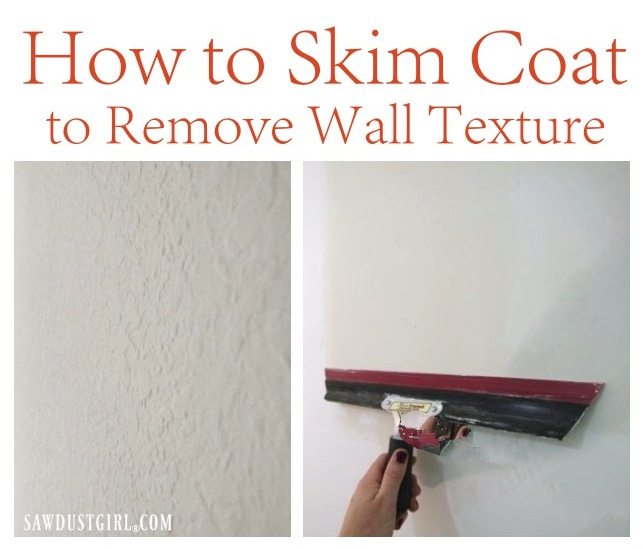
- Textured Surfaces: Older walls with outdated or undesirable textures (e.g., popcorn ceilings, orange peel) can be transformed into smooth, modern surfaces through the process of skim coating. This involves applying multiple thin layers to bury the existing texture and then sanding to a uniform finish.
- Joints and Seams: When installing new drywall or repairing old sections, skim coating is crucial for leveling and disguising the taped joints and screw heads, ensuring a monolithic appearance.
- Water Damage and Stains: While not a waterproof solution in itself, skim coating can be used to cover minor water stains or areas of minor damage after the underlying issue has been addressed and the substrate is dry and stable. The even surface it creates is then ready for primer and paint.
Creating a Unified and Smooth Surface for Advanced Finishes
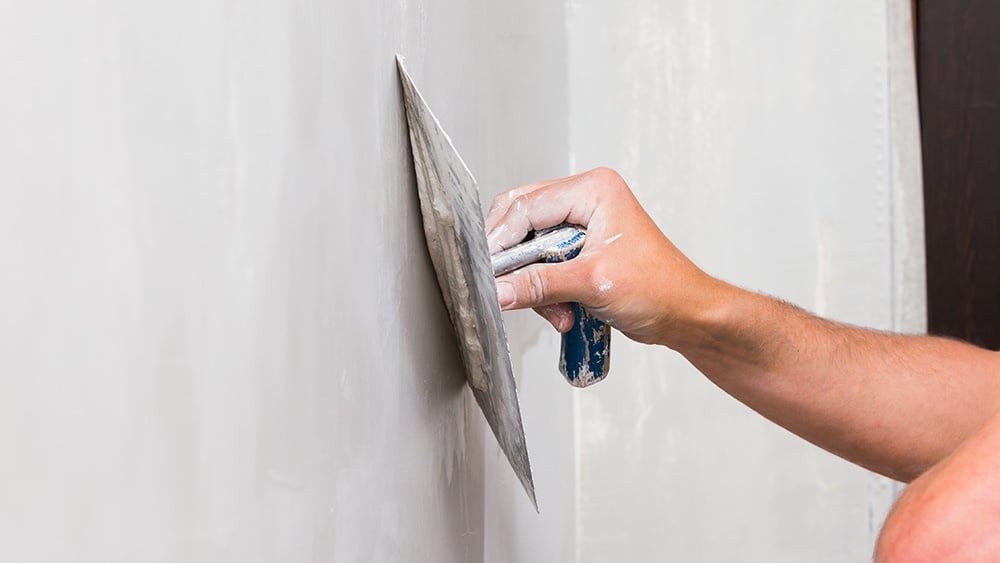
The primary technological benefit of skim coating is its ability to create an ultra-smooth, uniform surface. This is a prerequisite for many high-end and modern finishing techniques that would otherwise highlight imperfections.
- A Foundation for High-Gloss Paints: High-gloss and satin paints tend to reflect light more intensely, magnifying any irregularities on the underlying surface. A skim-coated surface provides the necessary smoothness to achieve a professional, blemish-free high-gloss finish.
- Preparation for Specialty Wall Coverings: While some wallpapers can cover minor imperfections, high-quality vinyl, fabric, or designer wall coverings often require a perfectly smooth substrate to hang correctly and achieve their intended aesthetic. Skim coating provides this ideal foundation.
- Enabling Modern Aesthetic Trends: Current interior design trends often favor minimalist and seamless aesthetics. Skim coating is a critical technological enabler of these trends, allowing for smooth, continuous walls that serve as a neutral backdrop for other design elements.
Enhancing Durability and Longevity: A Protective Technological Layer
Beyond its aesthetic contributions, skim coating can also play a role in enhancing the durability and longevity of surfaces, acting as a protective technological layer.
Sealing Porous Surfaces
Skim coating, particularly with certain polymer-modified compounds, can create a denser, less porous surface. This can help to:
- Improve Paint Adhesion: A smoother, less porous surface allows primers and paints to adhere more effectively, leading to a more durable and longer-lasting paint job.
- Reduce Moisture Permeability: While not a vapor barrier, a well-applied skim coat can offer a marginal increase in resistance to surface moisture penetration compared to an untreated substrate, offering a slight protective benefit against minor spills or condensation.
Providing a Harder, More Resilient Surface
Certain skim coating compounds, especially those with acrylic or other polymer binders, cure to form a harder, more resilient surface than standard plaster or drywall alone. This can offer:
- Increased Resistance to Scuffs and Dings: The cured skim coat can provide a slightly tougher surface that is more resistant to everyday wear and tear, such as scuff marks from furniture or minor impacts.
- A More Stable Surface for Repairs: In cases where minor repairs are needed later, a skim-coated surface provides a more stable and uniform substrate to work with compared to an uneven original surface.
Advanced Techniques and Considerations in Skim Coating Technology
The evolution of skim coating has introduced sophisticated techniques and considerations that elevate the process from a simple finishing task to a craft informed by material science and engineering principles. Understanding these nuances is key to leveraging the full technological potential of skim coating.
The Art and Science of Multiple Coats
Achieving a truly seamless finish with skim coating almost invariably involves applying multiple thin coats rather than one thick layer. This approach is a direct application of material science principles to manage shrinkage, adhesion, and surface tension.
Managing Shrinkage and Stress
Most skim coating compounds undergo some degree of shrinkage as they dry and cure. Applying thin coats allows for controlled shrinkage with each layer.
- Layered Curing: Each thin coat cures independently, minimizing the internal stresses that would build up in a thick application, thus reducing the risk of cracking. The technological understanding here is in predicting and managing the material’s reaction to environmental factors like humidity and temperature during its curing phase.
- Adhesion Between Layers: The chemical formulation of modern compounds is designed to create excellent inter-coat adhesion. The slightly porous nature of a cured skim coat allows the subsequent wet coat to bond effectively, creating a monolithic and durable finish.
Building Depth and Leveling for Perfection
Multiple coats are essential for progressively leveling and smoothing the surface.
- Incremental Correction: Each pass with the trowel, guided by the principles of fluid mechanics and material flow, incrementally removes high spots and fills low spots. The evenness of each applied layer contributes to the overall flatness.
- Feathering Edges: The technique of “feathering” the edges of each coat is a critical technological aspect of application. This involves gradually tapering the compound so that the final coat blends imperceptibly into the surrounding surface, eliminating visible lines or ridges. This requires precise control over the angle and pressure of the trowel.
The Crucial Role of Tools and Technique
The effectiveness of skim coating is a direct result of the synergy between advanced tools and skilled application techniques, a hallmark of modern construction technology.
Specialized Tools for Optimal Application
Beyond standard trowels, a range of specialized tools have been developed to enhance the precision and efficiency of skim coating.
- Corner Trowels: These tools are specifically designed for applying compound to internal and external corners, ensuring crisp, clean lines and consistent coverage. Their angled design is a practical engineering solution for a challenging application area.
- Margin Trowels: Smaller trowels designed for working in tight spaces and for detail work, allowing for precise application where larger tools would be unwieldy.
- Skim Coat Applicators/Rollers: While manual application is common, specialized rollers designed for applying skim coats can offer a faster method for covering large areas with a consistent thickness. These are engineered with specific nap lengths and material compositions to handle the heavier viscosity of skim coating compounds.
The Technology of Sanding and Surface Refinement
The final stage of skim coating is sanding, a critical step that transforms a leveled surface into a perfectly smooth finish, ready for the final decorative treatment.
- Dust Control Technology: Modern sanding tools and methods increasingly incorporate dust control systems. This includes HEPA filter vacuums integrated with sanders, and specialized abrasives designed for dust extraction. This technological advancement improves air quality on job sites and creates a cleaner working environment.
- Variable Speed Sanders: Powered sanding tools with variable speed settings allow applicators to control the intensity of sanding, preventing over-sanding or damage to the skim coat while efficiently achieving the desired smoothness.
- LED Lighting for Inspection: Using bright, angled LED lights during the sanding process is a crucial technique. The way light reveals imperfections, casting shadows, allows the applicator to identify and correct any remaining unevenness before moving to the next stage, a practical application of physics and optics in a construction context.
Troubleshooting and Advanced Considerations
Even with advanced materials and tools, challenges can arise. Understanding potential issues and their technological solutions is part of mastering skim coating.
Addressing Common Application Challenges
- Cracking: Often caused by applying too thick a coat, insufficient drying time between coats, or poor substrate adhesion. Technological solutions involve using lightweight compounds, proper layering, and ensuring adequate ventilation for optimal curing.
- Peeling or Delamination: This typically indicates poor adhesion. It can be resolved by ensuring the substrate is clean, dry, and properly primed before application, or by using compounds with stronger bonding agents.
- Sanding Difficulties: If the compound is too hard to sand, it might be an older formulation or improperly mixed. Using newer, technologically advanced compounds designed for ease of sanding is the solution.
The Future of Skim Coating Technology
The field of construction technology is constantly evolving. Future advancements in skim coating may include self-leveling compounds with enhanced flow properties, integrated priming agents, and even the use of smart materials that offer superior crack resistance or air purification properties. The ongoing integration of robotics and AI in construction also hints at automated skim coating solutions that could revolutionize large-scale projects.
In conclusion, skim coating is a sophisticated finishing technology that plays a vital role in achieving flawless surfaces in modern construction and renovation. Its evolution is driven by advancements in material science, tool engineering, and application techniques, making it a cornerstone of high-quality interior finishes.
aViewFromTheCave is a participant in the Amazon Services LLC Associates Program, an affiliate advertising program designed to provide a means for sites to earn advertising fees by advertising and linking to Amazon.com. Amazon, the Amazon logo, AmazonSupply, and the AmazonSupply logo are trademarks of Amazon.com, Inc. or its affiliates. As an Amazon Associate we earn affiliate commissions from qualifying purchases.