
In the complex landscape of fashion, sizing often presents a significant challenge for both consumers and brands. Among the various classifications, “size 1X” stands out as a critical entry point into the world of plus-size apparel. For brands, understanding and strategically defining, marketing, and designing for size 1X is not merely an operational task; it’s a fundamental aspect of brand identity, market positioning, and customer relationship management. This examination delves into what size 1X means from a brand perspective, exploring the strategic implications for design, marketing, and overall corporate identity.
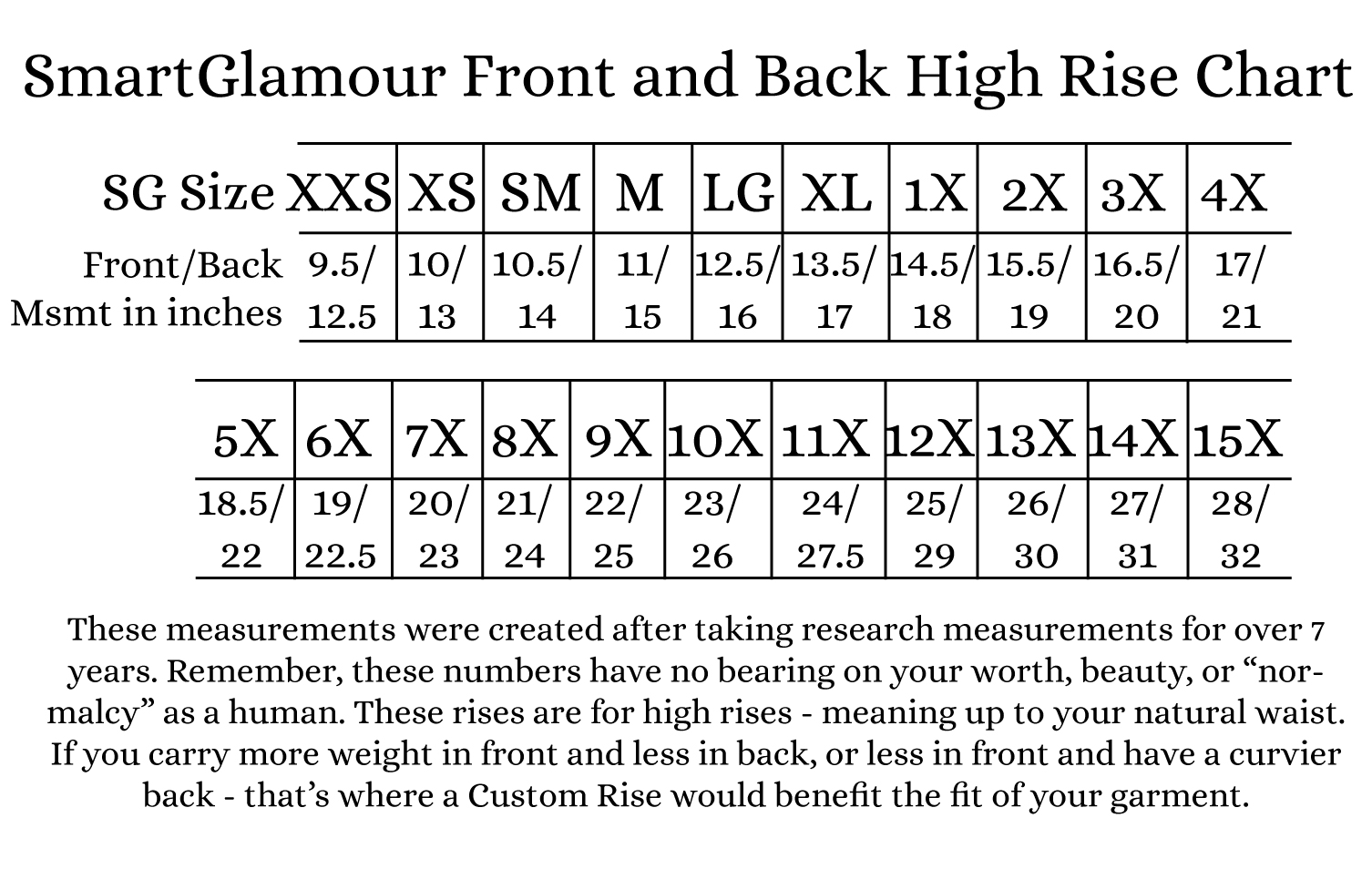
Defining 1X: A Brand’s Strategic Interpretation
At its core, 1X is typically the smallest size within a brand’s extended or plus-size range. It generally corresponds to a women’s size 16W or 18W, distinct from standard “straight” sizes like 16 or 18. The “W” (Women’s) often signifies a different cut designed to accommodate a fuller figure, with adjustments in areas like the bust, waist, hips, and armholes, rather than simply scaling up a straight-size pattern. However, the precise definition of 1X is notoriously inconsistent across the industry, a challenge that brands must navigate strategically.
The Nuances of Sizing Charts
Each brand possesses the autonomy to establish its own sizing specifications. For some, 1X might align more closely with a smaller waist measurement and larger hip, while for others, the emphasis could be on a more generous bust and broader shoulders. These internal sizing decisions are not arbitrary; they reflect a brand’s target demographic, its aesthetic philosophy, and its perceived fit preferences. A brand aiming for a more “fashion-forward” or “trendy” appeal might opt for a slimmer, more tailored 1X, while a brand prioritizing comfort and relaxed fit might offer a more generous cut. The strategic choice lies in whether to adhere to widely accepted industry averages, develop a unique sizing signature, or a blend of both. The lack of universal standardization means that a customer who wears a 1X in one brand might need a different size in another, creating a significant point of friction that brands must address through transparent communication.
The “W” Distinction and Fit Philosophy
The inclusion of “W” in 1X (16W/18W) is a crucial strategic differentiator for brands. It signals a commitment to designing garments specifically for the proportions of a plus-size body, rather than simply grading up standard patterns. Brands that truly embrace the “W” distinction invest in specialized fit models, pattern makers, and design processes to ensure optimal drape, comfort, and aesthetic appeal for their 1X customers. This commitment reflects a brand’s fit philosophy, impacting its reputation for inclusivity and understanding of its diverse customer base. Conversely, brands that merely scale up straight sizes risk alienating their 1X consumers, damaging their brand image, and missing out on significant market opportunities.
Marketing and Communication Strategies for Size 1X
The way a brand markets and communicates its approach to size 1X is pivotal to its success in the plus-size market. Clear, empathetic, and informative communication builds trust and enhances the customer experience, directly impacting brand loyalty and sales.
Transparency in Sizing Guides
One of the most critical marketing tools for brands offering 1X is a detailed and easily accessible sizing guide. Beyond just providing numerical measurements (bust, waist, hip), effective guides might include:
- Body Measurement Instructions: Guiding customers on how to accurately measure themselves.
- Fit Descriptions: Explaining how a garment is intended to fit (e.g., “relaxed fit,” “bodycon,” “true to size”).
- Model Measurements and Sizes: Showing models of various sizes wearing the garments, accompanied by their actual measurements and the size they are wearing. This helps customers visualize the fit.
- Customer Reviews with Sizing Feedback: Leveraging user-generated content where customers can share their height, weight, and the size they purchased, along with fit comments.
Brands that invest in comprehensive and transparent sizing information demonstrate an understanding of their 1X customers’ unique challenges and build a reputation for reliability.

Visual Representation and Inclusivity
Marketing imagery plays a profound role in how a brand is perceived in the plus-size space. For 1X, this means featuring models who genuinely represent the size, showcasing diversity in body shape, height, and ethnicity. Authenticity in visual representation is key. Brands that use diverse models who accurately reflect their 1X demographic convey a message of inclusivity and make potential customers feel seen and valued. Conversely, tokenistic representation or the use of models who do not genuinely reflect the size can lead to accusations of “size washing” and damage brand credibility. This strategic choice influences not just sales but also the brand’s social equity and reputation.
Language and Tone
The language used in marketing copy, product descriptions, and customer service interactions for size 1X must be respectful, empowering, and devoid of negative connotations often associated with plus-size fashion. Brands should focus on features, style, and comfort, rather than emphasizing “slimming” or “flattering” in a way that implies an inherent flaw in the wearer’s body. A positive and affirming tone reinforces a brand’s commitment to body positivity and inclusivity, strengthening its appeal to the 1X consumer base.
Design Considerations and Corporate Identity for 1X Apparel
The design process for size 1X garments is where a brand’s strategic intent for the plus-size market truly comes to life. It’s an opportunity to differentiate and build a strong corporate identity rooted in superior product development.
Specialized Pattern Making and Fit Models
Effective design for 1X goes far beyond simply increasing dimensions. It requires specialized pattern making that accounts for the typical proportional differences in plus-size bodies, such as broader shoulders, fuller busts, larger waist-to-hip ratios, and different arm and leg circumference. Brands committed to excellence in 1X fashion employ dedicated plus-size fit models who reflect the diverse body shapes within this category. Working with real 1X bodies ensures that garments not only fit numerically but also drape correctly, allow for ease of movement, and are aesthetically pleasing. This meticulous approach to design signals a brand’s commitment to quality and genuine understanding of its diverse customer base, enhancing its corporate identity as a truly inclusive and expert apparel provider.
Fabric Selection and Construction
The choice of fabrics and construction techniques is particularly critical for 1X garments. Brands must consider fabrics that offer appropriate stretch, recovery, and durability without sacrificing style. Materials that provide comfort, breathability, and a flattering drape are often prioritized. Similarly, construction details such as reinforced seams, thoughtful darting, and strategic paneling can significantly enhance the fit, comfort, and longevity of 1X apparel. A brand’s investment in these technical aspects reflects its dedication to producing high-quality garments for the 1X market, bolstering its reputation and consumer trust.
Styling and Trend Integration
Historically, plus-size fashion, including 1X, has been limited in style and trend integration. However, modern brands understand that 1X customers desire fashionable, on-trend options just as much as their straight-size counterparts. A brand’s ability to seamlessly integrate current trends into its 1X offerings, adapting designs thoughtfully for different body types, is a powerful statement about its corporate identity and design prowess. This means offering a wide range of silhouettes, colors, and patterns, ensuring that 1X customers feel fashionable and have ample choice, rather than being relegated to a narrow selection of “flattering” basics.

The Impact on Brand Loyalty and Market Position
A brand’s strategic approach to size 1X has profound implications for its market position and its ability to cultivate lasting customer loyalty. Brands that consistently deliver well-fitting, stylish, and thoughtfully designed 1X apparel, supported by clear communication and authentic representation, build strong emotional connections with their customers. These customers often become fierce brand advocates, driving repeat purchases and positive word-of-mouth marketing.
Conversely, brands that treat 1X as an afterthought, offering poorly fitting garments or limited styles, risk alienating a significant and growing market segment. In today’s competitive landscape, where consumers increasingly demand inclusivity and authenticity, a brand’s stance on sizing, particularly for entry-level plus sizes like 1X, is a clear indicator of its values and its long-term vision. For brands, understanding “what is size 1X” transcends a mere measurement; it embodies a strategic commitment to diversity, design excellence, and customer-centricity that defines their corporate identity and shapes their success.
aViewFromTheCave is a participant in the Amazon Services LLC Associates Program, an affiliate advertising program designed to provide a means for sites to earn advertising fees by advertising and linking to Amazon.com. Amazon, the Amazon logo, AmazonSupply, and the AmazonSupply logo are trademarks of Amazon.com, Inc. or its affiliates. As an Amazon Associate we earn affiliate commissions from qualifying purchases.