
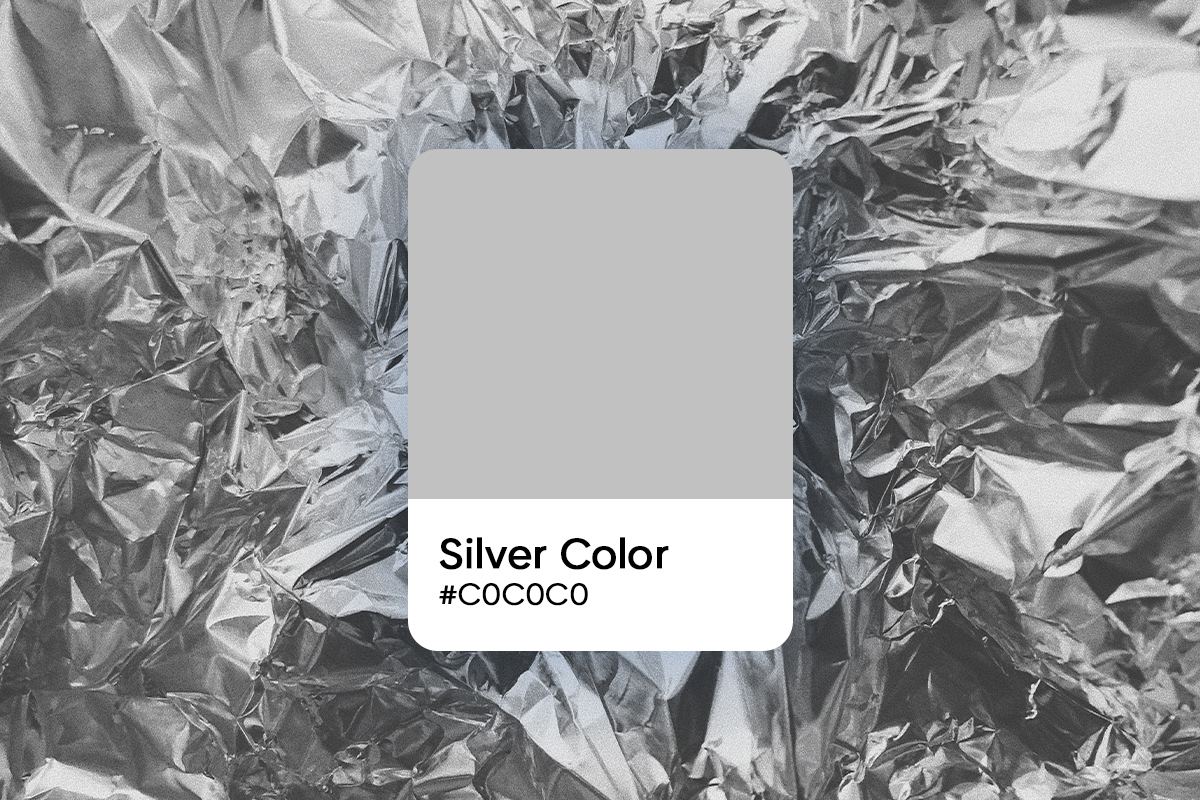
In the competitive landscape of modern commerce, color is far more than a visual preference; it is a psychological tool, a strategic asset, and a silent communicator of a brand’s core values. Among the vast spectrum of the color wheel, silver occupies a unique and powerful position. Often misunderstood as merely a “shiny version of gray,” silver is a versatile element that conveys innovation, luxury, and reliability.
For brand strategists, designers, and corporate leaders, understanding “what is silver color” requires looking beyond the hex code. It necessitates an exploration of how this metallic hue influences consumer perception, how it differentiates a product in a crowded market, and why it remains the go-to choice for some of the world’s most successful corporations.

The Psychology of Silver: More Than a Neutral Tone
While gray is often associated with neutrality, stagnation, or even boredom, silver introduces a metallic sheen that fundamentally changes its psychological impact. In branding, silver represents a bridge between the classic and the futuristic. It carries the weight of tradition while simultaneously pointing toward the horizon of technological advancement.
Elegance, Sophistication, and Prestige
Silver is inherently linked to precious metals, which automatically elevates its status in the eyes of the consumer. Unlike gold, which can sometimes feel flamboyant or “loud,” silver offers a quiet, understated luxury. It suggests wealth without the need for ostentation. Brands that utilize silver often aim to attract a demographic that values “stealth wealth” and sophisticated minimalism. This sense of prestige makes silver a staple in the luxury automotive, high-end jewelry, and premium spirits industries.
The Symbolism of Innovation and Modernity
Because silver is the color of polished steel, titanium, and chrome, it is inextricably linked to the industrial and digital revolutions. In the context of brand identity, silver communicates that a company is forward-thinking, high-tech, and efficient. It suggests precision—the kind of precision found in a Swiss watch or a high-performance computer processor. When a consumer sees silver, they subconsciously associate the brand with “the next big thing” or a state-of-the-art solution to their problems.
Silver vs. Gray: The Brand Distinction
In digital and print design, the distinction between silver and gray is critical. While they share the same DNA, their roles in a brand’s visual identity are vastly different. Understanding this distinction is vital for maintaining a consistent corporate identity.
The Role of Reflectivity and Texture
The primary difference between silver and gray is the “glint.” In branding, silver is rarely represented by a flat, solid color. Instead, it is achieved through the use of gradients, shadows, and highlights that mimic the way light reflects off a metallic surface. This reflectivity adds a sense of depth and movement to a logo or packaging design. Gray is stable and grounded, but silver is dynamic. For a brand, using silver instead of gray can mean the difference between appearing “established but dated” and “established but cutting-edge.”
Emotional Resonance and Consumer Trust
Gray can sometimes be perceived as “cold” or “emotionless,” which can be a drawback for brands trying to build a personal connection. Silver, however, feels “cool” rather than “cold.” It carries a sense of clarity and transparency. In the financial and corporate sectors, silver is often used to establish trust. It suggests a professional “cool-headedness” and a commitment to clarity. By choosing silver, brands can project an image of being unshakeable and highly organized, which are essential traits for building long-term consumer loyalty.
Strategic Application: Implementing Silver in Visual Identity
Integrating silver into a brand’s palette requires a nuanced approach. Because it is a metallic color, its appearance can change significantly depending on the medium—whether it’s a high-resolution smartphone screen, a matte-finish business card, or a brushed-metal storefront sign.
Digital vs. Print Considerations
In the digital realm, silver is created using CSS gradients or complex image files that simulate light. Designers must be careful to ensure that the “metallic” effect does not become muddy or look like a simple gradient of grays. On the other hand, in print, silver offers the opportunity for “spot colors” or “foil stamping.”

Foil stamping is a premium branding technique where a thin layer of metallic silver is heat-pressed onto paper. This creates a tactile experience for the consumer. When a customer picks up a silver-foiled product box, the physical sensation of the texture and the way it catches the light creates a “premium moment” that a flat color simply cannot replicate.
Complementary Palettes and Typography
Silver serves as one of the best “team players” in color theory. Because it is essentially a neutral metallic, it can be paired with almost any color to shift the brand’s message:
- Silver and Black: The pinnacle of luxury and authority (e.g., Mercedes-Benz).
- Silver and Blue: Suggests technological reliability and professional calm (common in the aerospace and tech sectors).
- Silver and White: Creates a clean, minimalist, and “sterile” look, ideal for healthcare and high-end skincare brands.
When it comes to typography, silver works best with clean, sans-serif fonts that mirror its modern aesthetic. However, when used with high-contrast serif fonts, it can lean back into a classic, “Old World” luxury feel.
Case Studies: Iconic Brands That Own the Silver Space
To truly understand what silver color is in a branding context, we must look at the giants who have successfully claimed this territory. These brands have used silver not just as a color, but as a core component of their value proposition.
Apple: The Architecture of Innovation
Apple is perhaps the most famous proponent of the silver aesthetic. From the brushed aluminum of the MacBook to the “Space Gray” and “Silver” iterations of the iPhone, Apple uses silver to communicate that their products are industrial masterpieces. For Apple, silver isn’t just a color; it represents the material integrity of the product. It suggests that the device is carved from a single block of metal, implying durability, sleekness, and superior engineering. This has helped Apple maintain a “premium” price point even as the tech market becomes increasingly commoditized.
Mercedes-Benz: The “Silver Arrows” Legacy
In the automotive world, silver is synonymous with Mercedes-Benz. Their “Silver Arrows” racing heritage has cemented the color as a symbol of speed, luxury, and German engineering excellence. For Mercedes, silver is a timeless choice that bridges the gap between their 19th-century origins and their future in electric mobility. The silver three-pointed star is globally recognized as a badge of success. By sticking to silver, the brand avoids the “trendiness” of brighter colors, ensuring their vehicles look as prestigious ten years later as they did on the showroom floor.
The Future of Silver: Sustainability and Neo-Futurism
As we look toward the future of brand strategy, the role of silver is evolving. In an era where sustainability is a primary concern for consumers, silver is being reimagined through the lens of “eco-modernism.”
Silver and the Green Movement
There is an emerging trend where silver is used to represent the “clean tech” side of sustainability. While green is the traditional color for ecology, silver is increasingly used by brands involved in renewable energy, such as solar power and electric vehicle infrastructure. In this context, silver represents the “shining future” of technology solving environmental problems. It moves the conversation from “rustic and organic” (green) to “efficient and advanced” (silver).
Neo-Futurism in Digital Branding
With the rise of the metaverse and AI-driven interfaces, silver is experiencing a resurgence in digital design. “Neo-futurism” utilizes liquid-metal textures and hyper-reflective silver surfaces to create environments that feel otherworldly yet high-end. Brands entering the digital space are using these silver-centric aesthetics to signal that they are pioneers in the next evolution of the internet.
Conclusion: The Strategic Value of Silver
What is silver color? In the world of branding and corporate identity, it is the ultimate expression of modern prestige. It is a color that commands respect without shouting, that suggests innovation while maintaining a grip on tradition, and that provides a versatile foundation for any premium visual identity.
For a brand to succeed with silver, it must move beyond the surface level. It is not enough to simply apply a gray gradient to a logo. A successful silver strategy considers the psychology of the “metallic glint,” the tactile nature of the material, and the historical associations of the hue. Whether you are a startup looking to disrupt the tech industry or an established firm aiming to refresh your corporate identity, silver offers a path to a sophisticated, future-proof brand presence. By embracing silver, you are not just choosing a color; you are choosing a standard of excellence.
aViewFromTheCave is a participant in the Amazon Services LLC Associates Program, an affiliate advertising program designed to provide a means for sites to earn advertising fees by advertising and linking to Amazon.com. Amazon, the Amazon logo, AmazonSupply, and the AmazonSupply logo are trademarks of Amazon.com, Inc. or its affiliates. As an Amazon Associate we earn affiliate commissions from qualifying purchases.