
In the rapidly evolving landscape of technology, we often focus on the visible components: the sleek glass of a smartphone, the complex architecture of a CPU, or the sophisticated algorithms of an artificial intelligence. However, the efficiency and longevity of these advancements often rely on specialized materials that operate behind the scenes. One such material is silicone oil.
Far from being a simple industrial lubricant, silicone oil—specifically polydimethylsiloxane (PDMS) and its derivatives—has become a cornerstone of high-performance hardware engineering, thermal management, and precision robotics. As we push the boundaries of processing power and miniaturization, understanding the role of silicone oil is essential for anyone tracking the future of tech trends and digital infrastructure.

Understanding Silicone Oil in the Context of High-Performance Hardware
At its chemical core, silicone oil is a liquid polymerized siloxane with organic side chains. In the tech world, its value is derived from its extraordinary stability. Unlike mineral oils or organic lubricants, silicone oil maintains its physical properties across an extreme range of temperatures, from -40°C to over 200°C. This stability is the primary reason it has become an indispensable asset in hardware design.
Chemical Stability and Dielectric Strength
The most critical feature of silicone oil for technology applications is its dielectric strength. In electronics, a “dielectric” material is an insulator that can be subjected to an electric field without conducting current. Silicone oil is an exceptional insulator. This property allows tech engineers to use it in high-voltage environments where traditional lubricants would cause short circuits or catastrophic hardware failure.
Furthermore, silicone oil is chemically inert. It does not react with the plastics, rubbers, or metals commonly found in modern gadgets. This compatibility ensures that as devices age, the lubricants and dampening agents inside them do not degrade the structural integrity of the components, a vital factor in the “right to repair” and long-term hardware reliability discussions.
Why Tech Engineers Prefer Silicone Over Traditional Mineral Oils
Traditional hydrocarbon-based oils are prone to oxidation and evaporation. In a high-performance server or a precision-engineered drone motor, evaporation leads to “gunking,” which increases friction and eventually causes hardware failure. Silicone oil’s low volatility means it stays where it is placed for years, if not decades. For the “set-and-forget” requirements of modern consumer electronics and industrial IoT (Internet of Things) sensors, silicone oil is the gold standard for ensuring mechanical longevity.
The Evolution of Cooling: Immersion Cooling and Data Centers
As artificial intelligence (AI) and machine learning (ML) continue to dominate tech trends, the demand for processing power has skyrocketed. This has led to a thermal crisis: traditional air cooling is no longer sufficient for the massive heat loads generated by modern GPU clusters and ASICs. This is where silicone oil-based immersion cooling enters the frame as a transformative technology.
Liquid Cooling for AI Servers
Immersion cooling involves submerging entire server blades into a non-conductive liquid. Silicone oil is a leading candidate for this process due to its high thermal capacity and dielectric properties. By immersing hardware in silicone-based fluids, data centers can remove heat much more efficiently than air. This allows for higher “rack density”—packing more computing power into a smaller physical footprint without the risk of thermal throttling.
In the context of the global “AI arms race,” the ability to cool hardware efficiently is a competitive advantage. Companies like Bitfury and various hyperscale data center providers are increasingly looking at silicone-based fluids to manage the heat of high-density computing. This shift represents a move toward a more “fluid” hardware architecture where the boundary between the machine and its environment is blurred.
Sustainability and Efficiency in the Tech Stack
Beyond raw performance, silicone oil plays a significant role in the greening of the tech industry. Air conditioning units in traditional data centers consume a staggering amount of electricity. Liquid immersion cooling using silicone oils can reduce energy consumption for cooling by up to 90%.
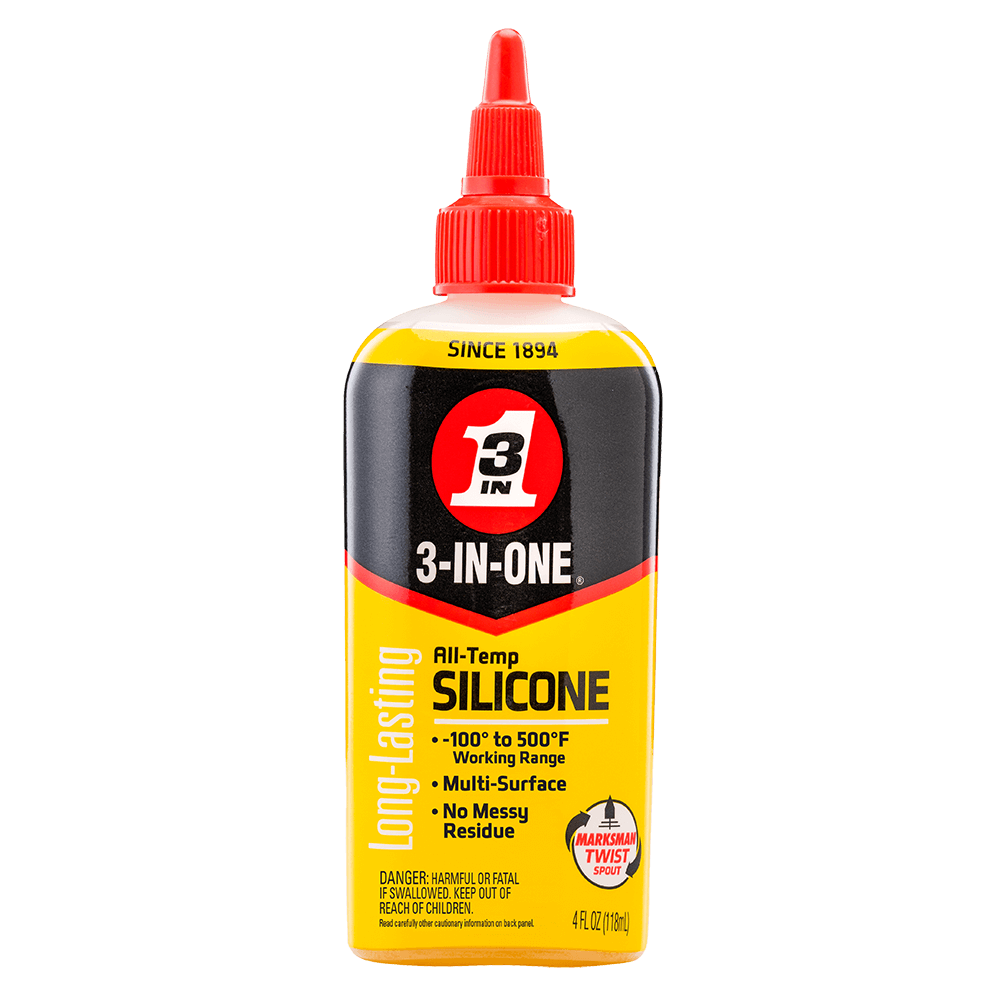
Because silicone oil is non-toxic and has a long lifecycle, it aligns with the tech industry’s growing focus on ESG (Environmental, Social, and Governance) goals. The transition from power-hungry fans to silent, efficient liquid immersion is a major trend in digital infrastructure that is largely powered by the unique properties of silicone-based chemistry.
Precision Mechanics: From Robotics to Wearables
While data centers use silicone oil by the gallon, the world of micro-technology uses it by the drop. From the haptic feedback motors in your smartphone to the precision actuators in surgical robots, silicone oil provides the necessary dampening and lubrication to make technology feel “smooth.”
Lubrication in High-Precision Actuators
In robotics, precision is everything. An actuator (the component responsible for moving or controlling a mechanism) must move with sub-millimeter accuracy. Friction is the enemy of this precision. Silicone oil is used to lubricate these tiny gears and motors because its viscosity is predictable. Tech designers can choose a specific “weight” or viscosity of silicone oil to ensure that a robot’s movement is fluid and repeatable, regardless of whether it is operating in a cold laboratory or a hot factory floor.
Protecting Micro-Electronics in Harsh Environments
The rise of “Rugged Tech” and outdoor IoT devices has highlighted another use for silicone oil: “potting” and encapsulation. In this application, silicone-based gels or oils are used to coat sensitive circuit boards. This creates a waterproof and shockproof barrier. For wearable tech—such as smartwatches and fitness trackers—silicone compounds ensure that sweat, rain, and humidity do not penetrate the casing and corrode the delicate digital heart of the device.
Security and Integrity: Silicone Oil in Hardware Maintenance
In the realm of digital security and hardware integrity, silicone oil serves as a silent protector. It is often used in the maintenance of high-end specialized equipment, from telecommunications towers to deep-sea fiber optic cables.
Managing Dielectric Properties in Infrastructure
In telecommunications, signal integrity is paramount. Moisture ingress in high-frequency connectors can cause signal attenuation or “noise.” Silicone-based “dielectric greases” are used to seal these connections. By excluding air and moisture, the oil ensures that the physical layer of our global internet remains stable. This is a critical component of digital security; a network that is physically robust is less prone to the outages that can create vulnerabilities in a security stack.
Longevity and the “Set-and-Forget” Philosophy
The tech world is increasingly moving toward a subscription-based or “as-a-service” model. This means that the providers of hardware (like cloud companies) are incentivized to make their hardware last as long as possible to maximize their ROI. Silicone oil enables this by preventing the mechanical degradation of cooling systems and connectors. It supports a hardware lifecycle that is measured in decades rather than years, reducing electronic waste and ensuring consistent service delivery for software platforms.
The Future of Silicone-Based Interface Materials
Looking forward, the tech industry is exploring new frontiers in “Thermal Interface Materials” (TIMs). Whenever a heat sink is attached to a CPU, a medium is required to fill the microscopic gaps between the two surfaces. This is usually a thermal paste, and the highest-performing pastes are almost always silicone-based.
Next-Gen Thermal Pastes and Pads
As we move toward 2nm and 3nm chip architectures, the heat flux (heat per unit area) is becoming astronomical. New tech research is focusing on “liquid metal” and “silicone-graphene” hybrids. These materials use silicone oil as a carrier for highly conductive particles. The goal is to create a material that flows like a liquid—filling every micro-crevice—but conducts heat like a solid metal. This advancement is crucial for the next generation of gaming consoles, high-end laptops, and specialized AI workstations.
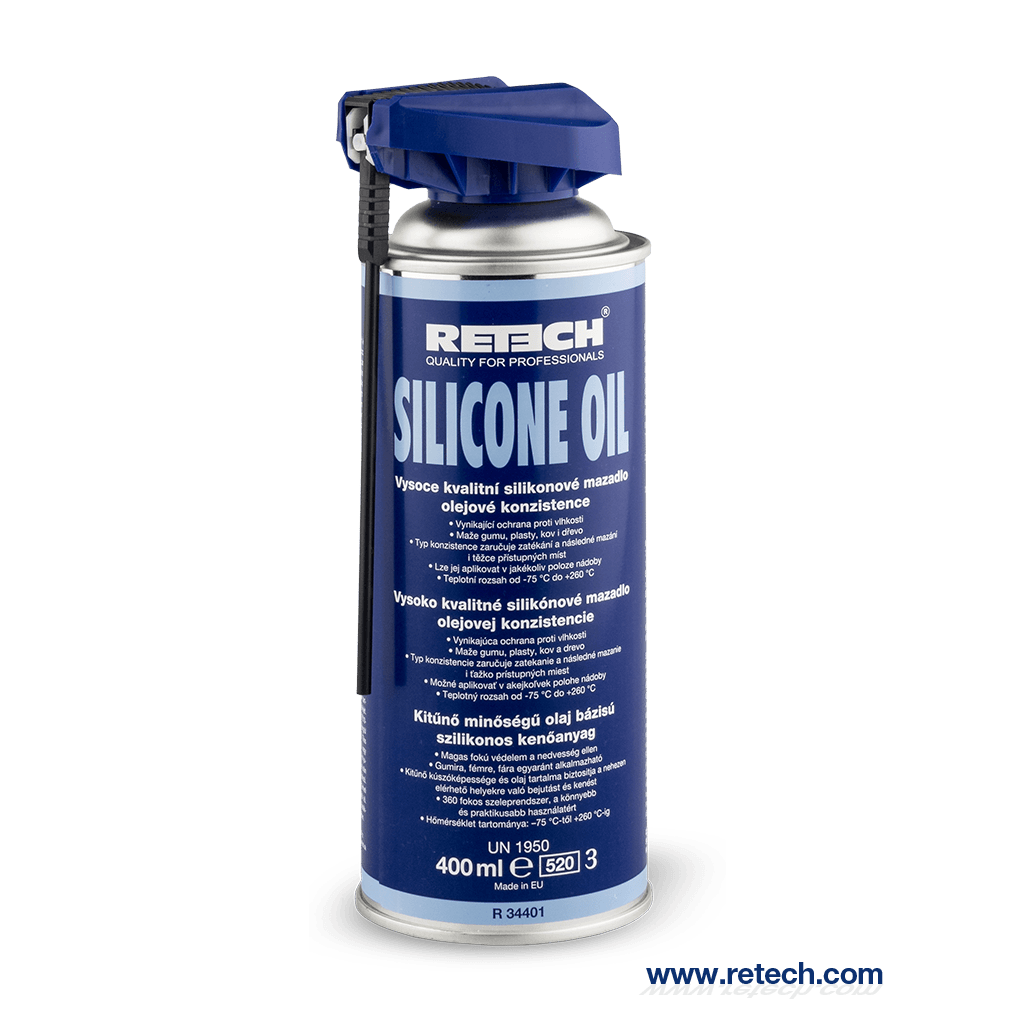
Conclusion: A Foundation for the Future of Innovation
While silicone oil may seem like a mundane industrial product, it is, in fact, a vital technology enabler. From the silent cooling of a massive AI data center to the precise vibration of a haptic motor in a flagship smartphone, silicone oil provides the physical properties that allow our digital world to function.
As tech trends move toward more powerful processors, more compact wearables, and more sustainable infrastructure, the demand for specialized silicone oils will only grow. It remains a testament to the fact that even in an age of intangible software and ethereal clouds, the success of our digital future is firmly rooted in the mastery of material science. For the tech professional, engineer, or enthusiast, recognizing the role of these “invisible” materials is key to understanding the full scope of how modern hardware truly works.
aViewFromTheCave is a participant in the Amazon Services LLC Associates Program, an affiliate advertising program designed to provide a means for sites to earn advertising fees by advertising and linking to Amazon.com. Amazon, the Amazon logo, AmazonSupply, and the AmazonSupply logo are trademarks of Amazon.com, Inc. or its affiliates. As an Amazon Associate we earn affiliate commissions from qualifying purchases.