
The term “shuttle diplomacy” often conjures images of tense negotiations, high-stakes treaties, and the tireless efforts of diplomats crisscrossing continents to avert crises. But what exactly does this intricate dance of international relations entail? Beyond the headline-grabbing moments, shuttle diplomacy represents a specific, strategic approach to conflict resolution and negotiation, particularly when direct dialogue between opposing parties is difficult or impossible. While its roots are firmly planted in geopolitics, the underlying principles and adaptability of shuttle diplomacy resonate surprisingly well with the dynamic landscapes of technology, branding, and finance.
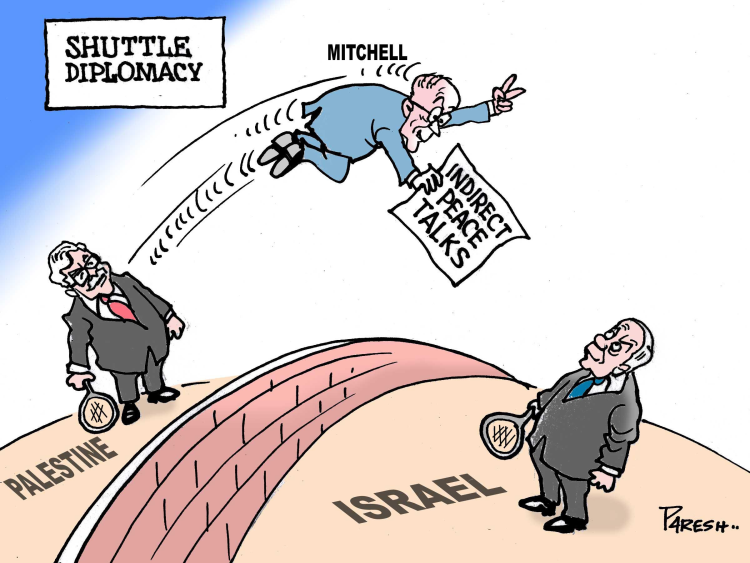
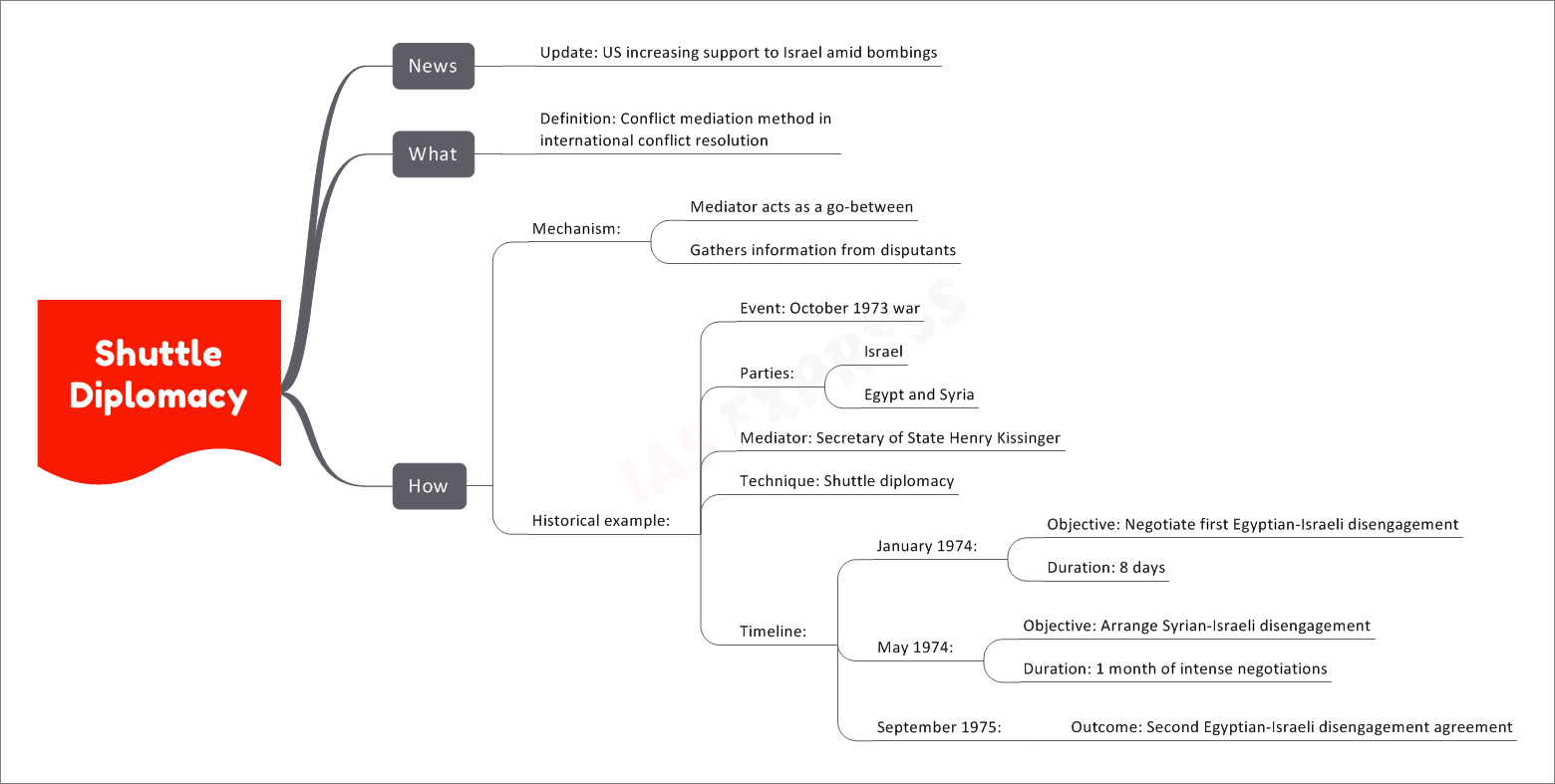
At its core, shuttle diplomacy involves a neutral third party acting as an intermediary between two or more parties who are unwilling or unable to communicate directly. This mediator “shuttles” back and forth between the parties, carrying proposals, conveying messages, gauging reactions, and attempting to bridge divides. The goal is to facilitate a process that can lead to de-escalation, understanding, and ultimately, a resolution to a conflict or disagreement. It’s a painstaking process, demanding patience, skill, discretion, and an in-depth understanding of all parties’ motivations, red lines, and potential concessions.
While the classic image is of a diplomat in a jet, the spirit of shuttle diplomacy—facilitating communication and finding common ground between estranged entities—is increasingly relevant in our interconnected, fast-paced digital world. The complexities that necessitate this approach are no longer confined to the realm of international affairs.
The Mechanics of Shuttle Diplomacy: Bridging the Unbridgeable
The effectiveness of shuttle diplomacy hinges on several key components. It’s not simply about carrying messages; it’s about a nuanced understanding of human psychology, political landscapes, and the art of persuasion.
The Role of the Mediator: A Neutral Anchor
The mediator in shuttle diplomacy is the linchpin. Their perceived neutrality is paramount. They must be seen as impartial, without vested interests that would favor one party over another. This trust allows parties to confide in the mediator, sharing information and concerns they might not reveal directly to their adversary. The mediator’s skills extend to:
- Active Listening and Empathy: Truly understanding each party’s perspective, even if they disagree with it. This involves picking up on subtle cues, non-verbal communication, and underlying emotions.
- Information Gathering and Analysis: Diligently collecting information about each party’s objectives, constraints, and acceptable outcomes. This requires meticulous research and strategic questioning.
- Crafting Proposals and Counter-Proposals: Translating the aspirations of one party into language that the other might accept, and vice versa. This often involves creative problem-solving and identifying areas of potential compromise.
- Managing Expectations: Keeping both sides grounded in reality, preventing premature optimism or excessive disappointment.
- Maintaining Confidentiality: Ensuring that sensitive information shared by one party remains private and is not used to their disadvantage.
The mediator acts as a conduit, but also as a catalyst. They are not just passive observers; they actively work to shape the narrative, identify common interests, and subtly guide the parties towards a mutually acceptable solution.
The Process: A Gradual Unfolding
The shuttle diplomacy process is rarely linear. It often involves multiple rounds of meetings, with the mediator constantly relaying information and refining proposals. The typical steps include:
- Initial Engagement and Assessment: The mediator first meets with each party individually to understand their position, grievances, and desired outcomes.
- Information Exchange: The mediator then begins shuttling between the parties, relaying their initial positions and gauging their receptiveness to certain ideas.
- Proposal Development and Refinement: Based on these exchanges, the mediator helps to formulate concrete proposals and counter-proposals, aiming to narrow the gap.
- Confidence-Building Measures: In some cases, the mediator may also facilitate small steps to build trust, such as agreeing on a temporary ceasefire or engaging in humanitarian gestures.
- Intensified Negotiation: As common ground emerges, the process may intensify, with the mediator working to finalize the terms of an agreement.
- Agreement and Implementation: The ultimate goal is a signed agreement, followed by ongoing monitoring and support for its implementation.
This iterative process allows for a gradual thawing of tensions and a more considered approach to complex issues. It’s about building momentum, one small step at a time.
Beyond Geopolitics: Shuttle Diplomacy in the Digital and Business Realms
While the origins of shuttle diplomacy are in international relations, the core principles of mediated negotiation and bridging communication gaps are remarkably transferable to other domains, particularly those heavily influenced by technology, branding, and finance.
Tech: Navigating the Algorithm and Bridging the Developer Divide
In the rapidly evolving world of technology, shuttle diplomacy can manifest in several ways:
- Bridging the Gap between Developers and Users: Imagine a software company that has developed a groundbreaking AI tool. While the developers are focused on technical innovation, users may have different needs and concerns regarding usability, data privacy, or ethical implications. A neutral facilitator, akin to a shuttle diplomat, could bridge this divide. This might involve user experience researchers acting as intermediaries, gathering feedback from diverse user groups and translating it into actionable insights for the development team. They shuttle between the users’ lived experiences and the developers’ technical roadmaps, ensuring that the technology serves its intended purpose without alienating its audience.
- Resolving Interoperability Disputes: In the competitive tech landscape, different software platforms or hardware components may struggle to communicate effectively. This can lead to frustration for consumers and hinder innovation. A neutral standards body or a consortium of industry players could act as shuttle diplomats, mediating discussions between competing companies to establish common protocols and APIs (Application Programming Interfaces). They would shuttle proposals for standardization, facilitating agreements that benefit the entire ecosystem.
- Negotiating Open-Source Contributions and Licensing: The open-source movement thrives on collaboration, but disagreements can arise regarding licensing terms, governance, or the direction of a project. A core maintainer or a trusted community leader might effectively act as a shuttle diplomat, engaging with different factions, understanding their concerns, and facilitating consensus on how the project moves forward.
The speed and constant change in the tech sector necessitate agile communication and mediation. When direct collaboration between disparate tech entities becomes fraught with competitive pressures or technical complexities, a shuttle diplomacy approach can foster innovation and prevent fragmentation.
Brand: Reconciling Brand Vision with Market Perception
Brand strategy and reputation management are inherently about perception and communication. Shuttle diplomacy can play a vital role when a brand’s internal vision clashes with external market realities or when facing a reputational crisis.
- Mediating Brand Identity Evolution: A company’s core brand identity might be deeply ingrained, but market trends or consumer expectations can shift. If the internal marketing and design teams have a different vision than the public relations department or a focus group, a skilled brand strategist or consultant can act as a shuttle diplomat. They would understand the intrinsic values the brand wants to uphold and the external perceptions that need to be addressed. They then facilitate discussions, present data-driven insights, and help craft a brand narrative that bridges this gap, ensuring consistency and relevance.
- Crisis Management and Stakeholder Communication: During a major PR crisis, direct communication between the company and its affected stakeholders (customers, investors, employees, regulators) can be extremely challenging. A crisis management team, or an external PR firm, can employ shuttle diplomacy. They act as intermediaries, relaying accurate information, addressing concerns, and managing expectations from all sides. They shuttle between the internal decision-makers and the external public, aiming to de-escalate the situation and rebuild trust.
- Navigating Partnerships and Collaborations: When two brands decide to collaborate, aligning their brand identities, marketing messages, and operational strategies can be complex. A project manager or brand liaison can act as a shuttle diplomat, ensuring that both parent brands feel represented and that the joint venture’s message is cohesive. They would shuttle between the marketing teams, legal departments, and product developers of each company, smoothing over potential conflicts and fostering a unified front.
In the branding world, where sentiment and perception are paramount, the ability to act as a neutral, skilled communicator is invaluable. Shuttle diplomacy ensures that a brand’s message is not only heard but also understood and accepted by its intended audience.
Money: Bridging Investment Goals and Market Realities
The world of finance, whether personal or corporate, is rife with opportunities for misunderstandings and conflicting interests. Shuttle diplomacy can be a powerful tool in navigating these complexities.
- Mediating between Investors and Fund Managers: Investors entrust their capital to fund managers with the expectation of specific returns and risk tolerances. Sometimes, market performance or strategic decisions may diverge from initial expectations. A financial advisor or an independent auditor can act as a shuttle diplomat, facilitating communication between investors and fund managers. They would help explain market fluctuations, articulate the fund’s strategy, and manage investor concerns, ensuring that both parties understand the current landscape and future outlook.
- Resolving Disputes in Online Income and Side Hustles: The burgeoning world of online income and side hustles often involves platforms connecting freelancers with clients. Disputes can arise over project scope, payment terms, or quality of work. A platform’s dispute resolution team, or a neutral mediator, can employ shuttle diplomacy. They would investigate the claims from both the freelancer and the client, facilitating communication and working towards a fair resolution, ensuring trust and continued engagement on the platform.
- Corporate Finance and Stakeholder Alignment: Within a corporation, different departments might have competing financial priorities. For instance, the R&D department might advocate for aggressive investment in new technology, while the finance department focuses on cost containment. A CFO or a senior financial analyst can act as a shuttle diplomat, understanding the strategic importance of R&D while also managing the company’s financial health. They would present data, facilitate discussions, and help align financial strategies with overall business objectives.
In finance, where transparency and trust are critical, the ability to act as an impartial intermediary to clarify information, manage expectations, and find common ground between parties with differing financial objectives is essential for stability and growth.

The Future of Shuttle Diplomacy: Adaptability in a Complex World
The traditional image of shuttle diplomacy might be fading, replaced by more dynamic and digitally-enabled forms of mediation. However, the fundamental need for skilled, neutral intermediaries who can bridge communication gaps and foster understanding remains as crucial as ever.
As technology continues to advance, and the lines between different industries blur, the principles of shuttle diplomacy will likely find even broader applications. From mediating complex international cyber agreements to resolving disputes in decentralized autonomous organizations (DAOs), the art of facilitated negotiation will continue to evolve. The key lies in recognizing the underlying challenges—miscommunication, mistrust, divergent interests—and employing strategies that prioritize clarity, empathy, and the persistent pursuit of common ground. In a world that often feels fragmented and polarized, the spirit of shuttle diplomacy offers a vital pathway towards connection, resolution, and progress.
aViewFromTheCave is a participant in the Amazon Services LLC Associates Program, an affiliate advertising program designed to provide a means for sites to earn advertising fees by advertising and linking to Amazon.com. Amazon, the Amazon logo, AmazonSupply, and the AmazonSupply logo are trademarks of Amazon.com, Inc. or its affiliates. As an Amazon Associate we earn affiliate commissions from qualifying purchases.