
In the rapidly evolving landscape of digital finance, Cash App has emerged as a cornerstone of the modern “cashless” economy. Owned by Block, Inc., the platform has transcended its original purpose as a simple peer-to-peer (P2P) payment tool to become a multifaceted financial hub. For millions of users, the primary question—”How do I get cash on Cash App?”—is not just about receiving a transfer from a friend; it is about understanding the mechanics of liquidity, fund management, and the integration of digital assets into a physical world.
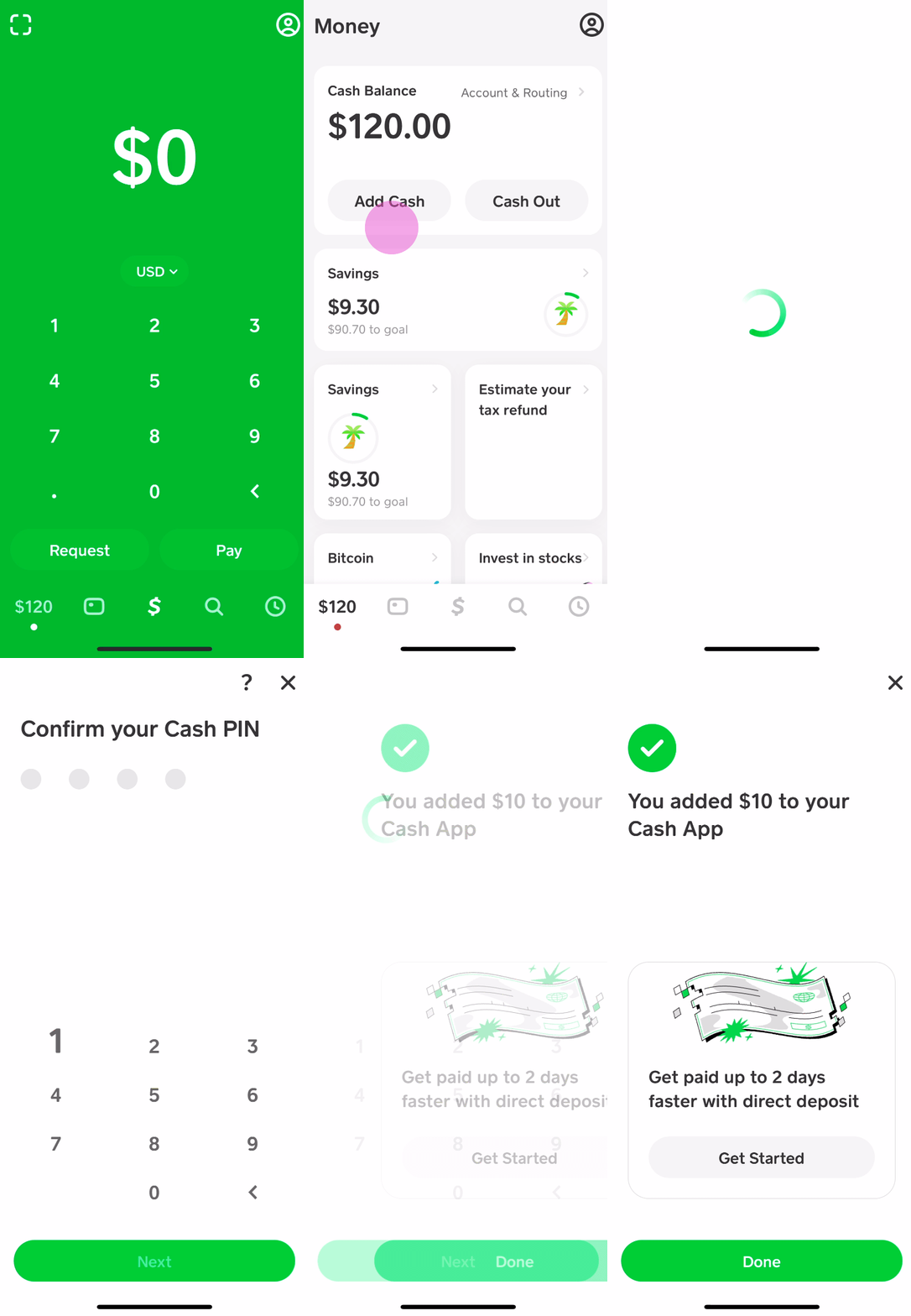
Navigating the ecosystem of Cash App requires a strategic approach to personal finance. Whether you are looking to liquidate your digital balance into physical currency, transfer funds to a traditional banking institution, or maximize your earnings through the platform’s unique features, understanding the underlying financial framework is essential. This guide provides a deep dive into the professional management of your Cash App balance and the various methods available to access your funds efficiently.
Understanding the Cash App Ecosystem for Personal Finance
Before diving into the mechanics of withdrawal, it is vital to understand where Cash App sits within your broader financial portfolio. Unlike traditional brick-and-mortar banks, Cash App operates primarily as a financial services platform. It provides a bridge between your digital income and your physical spending needs, functioning as a high-velocity wallet that facilitates instant movement of capital.
Seamless Peer-to-Peer Transfers and Income Streams
The most fundamental way to “get cash” on the app is through the receipt of funds from other users. In the context of the modern gig economy, this has become a standard method for settling small debts, spliting bills, or receiving payments for freelance services. To ensure these funds are managed professionally, users must treat their Cash App balance as an active account.
When someone sends you money, it sits in your “Cash Balance.” From a personal finance perspective, this is a non-interest-bearing account. Therefore, keeping large sums of money stagnant within the app is often less productive than moving it into an interest-bearing savings account or using it for immediate liquidity.
The Role of the Cash Card in Your Financial Strategy
The Cash Card is perhaps the most significant tool for those looking to access their funds without transferring them to a traditional bank. This Visa debit card is linked directly to your Cash App balance, allowing you to spend your funds at any merchant that accepts Visa.
From a financial management standpoint, the Cash Card acts as the primary vehicle for liquidity. It eliminates the need for a secondary transfer step, allowing users to “get cash” in the form of purchasing power immediately upon receiving a transfer. Furthermore, the “Boost” feature associated with the Cash Card offers instant discounts at various retailers, which functions as an indirect way of increasing your net cash by reducing your overall expenditure.
Step-by-Step Methods to Access Your Cash
Once you have a balance in your Cash App account, the next step is moving that money into a form that suits your immediate needs—whether that is a physical bank account or paper currency.
Standard vs. Instant Deposits to Your Bank Account
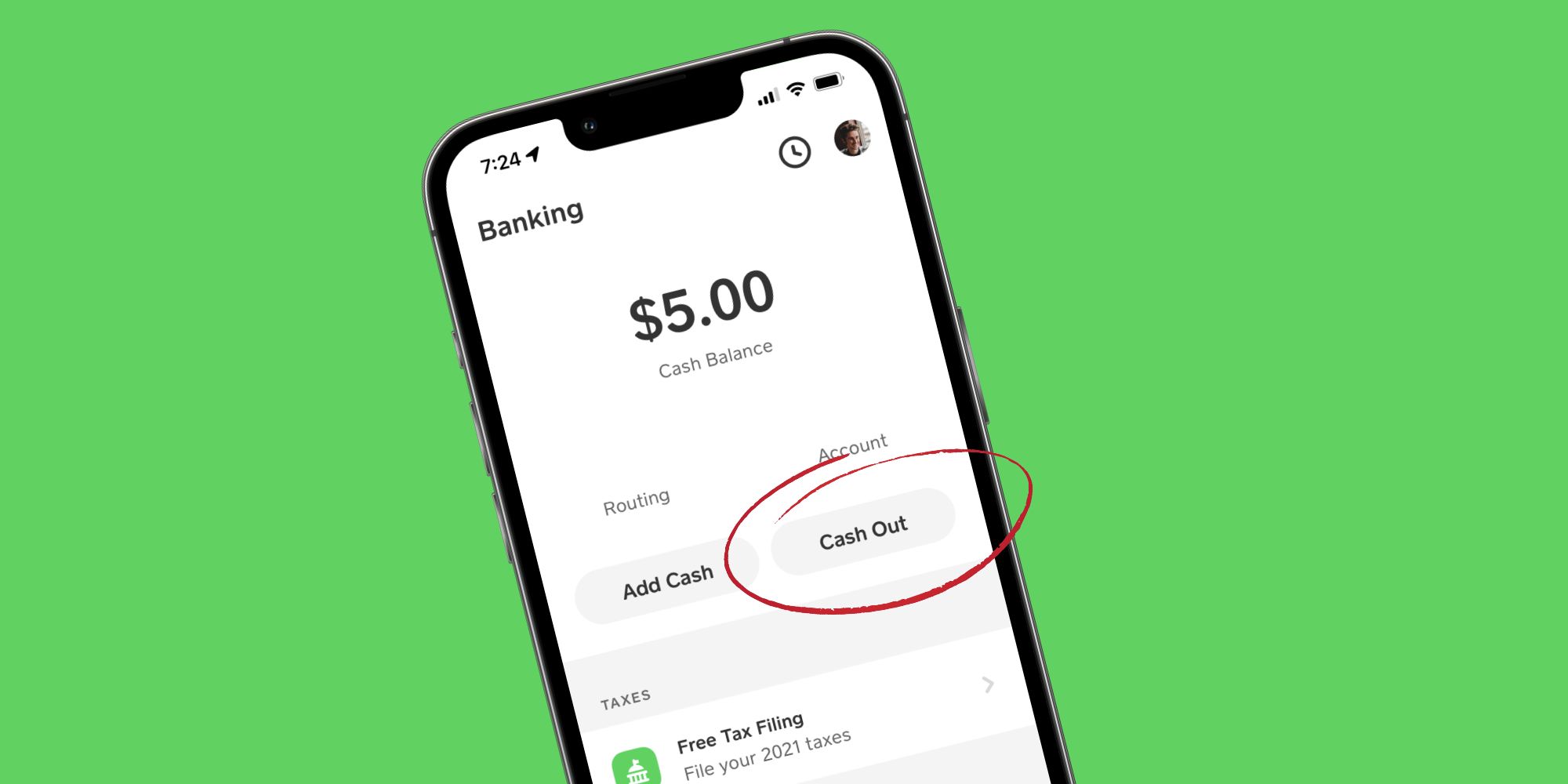
Cash App offers two primary avenues for moving digital funds into a linked bank account. The choice between these two methods is a classic trade-off between time and cost, a fundamental principle of financial planning.
- Standard Deposits: These are free of charge and typically take one to three business days to clear. For users who practice proactive financial planning and do not have an immediate need for liquidity, the standard deposit is the most cost-effective choice. It ensures that 100% of your earned or received capital stays within your possession.
- Instant Deposits: For those who require immediate access to their funds, Cash App offers an “Instant” option. This transfer occurs via the Mastercard or Visa debit card network and usually happens within minutes. However, this convenience comes at a cost—typically a fee ranging from 0.5% to 1.75% (with a minimum fee). Professionally, instant deposits should be reserved for emergency liquidity needs, as recurring fees can significantly erode your capital over time.
Withdrawing via ATMs and Retail Locations
If your goal is to have physical paper currency in hand, the Cash Card is your primary instrument. Cash App allows users to withdraw funds from any ATM. While Cash App often charges a fee for this service (on top of any fee the ATM operator may charge), these fees are often waived for users who receive a certain amount of direct deposits into their account each month.
Additionally, a lesser-known but effective strategy for getting cash is the “Cash Back” option at retail point-of-sale terminals. By using your Cash Card at grocery stores or pharmacies and selecting “Cash Back” during a purchase, you can circumvent ATM fees entirely. This is a savvy financial maneuver that maximizes liquidity while minimizing the “cost of cash.”
Strategies to Increase Your Cash App Balance
Getting cash on the app isn’t just about moving money around; it’s also about utilizing the platform to generate or receive more income. By treating Cash App as a professional financial tool, you can optimize your incoming cash flow.
Leveraging Referral Bonuses and Rewards
Cash App maintains a robust referral program that serves as a low-effort side hustle. By inviting new users to the platform who then link a debit card and send a qualifying payment, both the referrer and the referee receive a cash bonus. While these amounts may seem nominal, for a dedicated user, they represent a risk-free return on social capital.
Furthermore, the “Boosts” mentioned earlier are a critical component of fund management. By selecting a boost for a category where you already intended to spend money (such as groceries or coffee), you are effectively “getting cash” back into your balance that would have otherwise been spent.
Utilizing Cash App for Side Hustles and Freelance Payments
For small business owners and freelancers, Cash App offers a “Business Account” profile. This allows you to accept payments for goods and services legally and professionally. While business accounts incur a small transaction fee (2.75%), they provide a streamlined way to get cash from clients without the overhead of complex merchant processors.
It is important to note that from a financial tool perspective, using a business account ensures compliance with tax regulations. Cash App will issue 1099-K forms for users who meet specific transaction thresholds, making it a viable tool for transparent income management.
Optimizing Your Financial Security and Limits
To successfully manage and get cash on Cash App over the long term, you must navigate the platform’s security protocols and transaction limits. Financial security is the bedrock of any wealth management strategy.
Protecting Your Digital Assets
Because Cash App is a digital-first platform, it is a target for phishing and social engineering. Getting cash safely requires the implementation of several security layers:
- Security Lock: Always enable the requirement of a PIN or biometric ID (TouchID/FaceID) for every transfer.
- Notification Settings: Set up instant alerts for every transaction to monitor for unauthorized activity.
- Verification: Ensure your account is fully verified by providing your full legal name, date of birth, and the last four digits of your Social Security Number. An unverified account has much lower limits on how much cash you can receive and withdraw.
Understanding Transaction Limits and Verification
For the professional user, the default limits of an unverified Cash App account (usually $250 in sends per week and $1,000 in receipts per month) are often insufficient. By going through the verification process, you can significantly increase these limits, allowing for the movement of larger sums of capital.
Furthermore, understanding the withdrawal limits on your Cash Card is essential for cash flow planning. There are daily and monthly limits on ATM withdrawals and POS transactions. Being aware of these ensures that you are never caught in a situation where you have a high digital balance but cannot access physical cash due to reaching a regulatory cap.
Conclusion: Mastering the Flow of Digital Capital
Getting cash on Cash App is a multi-step process that involves receiving funds, choosing the right liquidation method, and optimizing the platform’s features to maximize your balance. By viewing Cash App not just as a “trendy app” but as a sophisticated financial tool, you can better manage your personal finance and ensure that your money is always working for you.
Whether you are opting for the cost-saving standard deposit, utilizing the Cash Card for retail cash back, or leveraging the platform for freelance income, the key is intentionality. In the digital age, the most successful financial actors are those who understand the nuances of the tools at their disposal. Cash App offers unparalleled convenience; mastering its mechanics ensures that you have access to your cash whenever and wherever you need it.
aViewFromTheCave is a participant in the Amazon Services LLC Associates Program, an affiliate advertising program designed to provide a means for sites to earn advertising fees by advertising and linking to Amazon.com. Amazon, the Amazon logo, AmazonSupply, and the AmazonSupply logo are trademarks of Amazon.com, Inc. or its affiliates. As an Amazon Associate we earn affiliate commissions from qualifying purchases.