
In the rapidly evolving landscape of digital commerce, one name frequently emerges as a cornerstone for entrepreneurs and established businesses alike: Shopify. Often lauded as the democratizer of online selling, Shopify is far more than just a website builder; it is a comprehensive, cloud-based e-commerce platform that furnishes individuals and enterprises with the necessary technological infrastructure to launch, operate, and scale an online store. Understanding “what is Shopify” means delving into its intricate technological fabric, exploring its capabilities as a sophisticated software solution, and recognizing its pivotal role in simplifying the complexities of digital retail.
At its core, Shopify provides a robust ecosystem that abstracts away the technical hurdles typically associated with online business. From secure payment processing to inventory management and sophisticated analytics, it delivers a powerful suite of tools designed to facilitate every aspect of digital commerce. This article will unpack the technological essence of Shopify, examining its architecture, key features, extensibility, and the digital security measures that underpin its global operation, ultimately revealing why it has become an indispensable tech partner for millions of merchants worldwide.
The Core Technology Behind Online Commerce
Shopify’s foundational strength lies in its innovative technological architecture, built to empower users with varying levels of technical expertise. It represents a paradigm shift from traditional, self-hosted e-commerce solutions, offering a streamlined, accessible, and highly reliable platform.
A Cloud-Based SaaS Solution
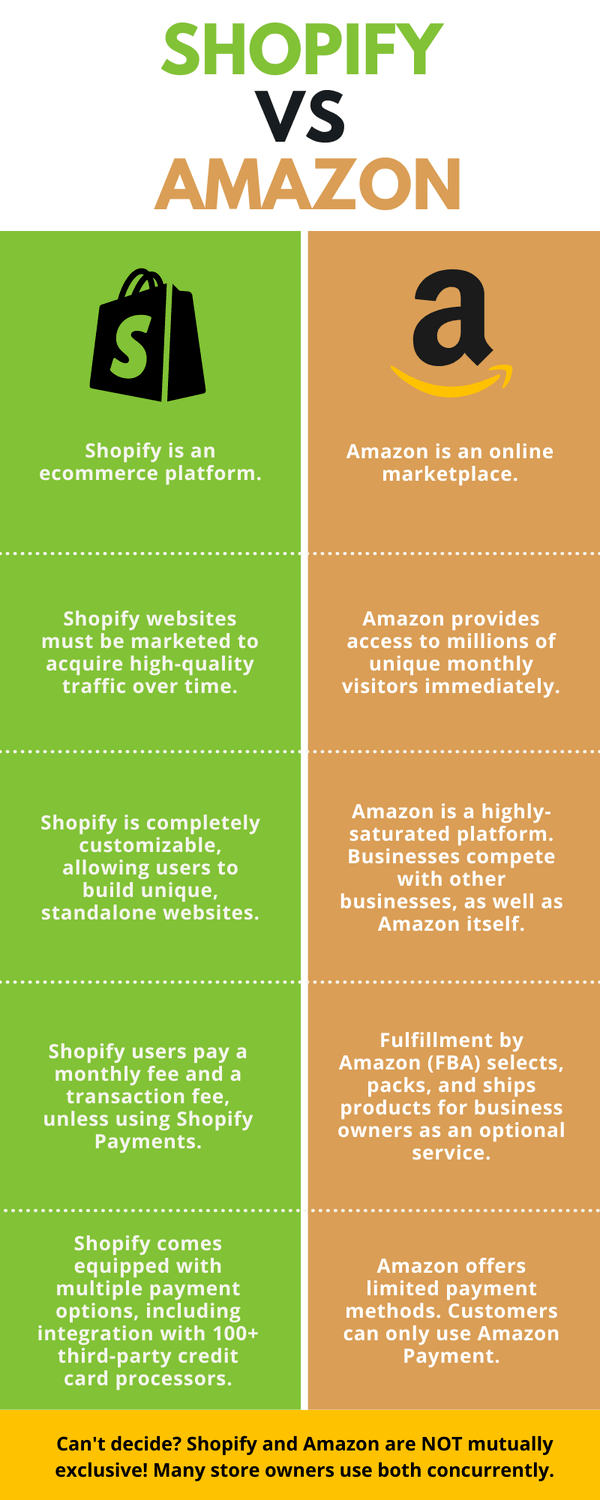
At its heart, Shopify operates as a Software-as-a-Service (SaaS) model, delivered entirely through the cloud. This means that merchants do not need to concern themselves with server maintenance, software updates, hosting infrastructure, or the myriad technicalities typically associated with running a website. Instead, Shopify handles all these backend operations, providing a fully managed service accessible via a web browser. This cloud-first approach ensures that stores are always running on the latest technology, benefiting from continuous improvements, security patches, and infrastructure upgrades without any intervention required from the merchant. The SaaS model significantly lowers the barrier to entry for online commerce, allowing entrepreneurs to focus on their products and customers rather than intricate IT management. Furthermore, the inherent scalability of cloud architecture means that a Shopify store can effortlessly handle spikes in traffic and transaction volumes, a critical factor for businesses experiencing rapid growth or seasonal demand.
Intuitive Interface and Drag-and-Drop Functionality
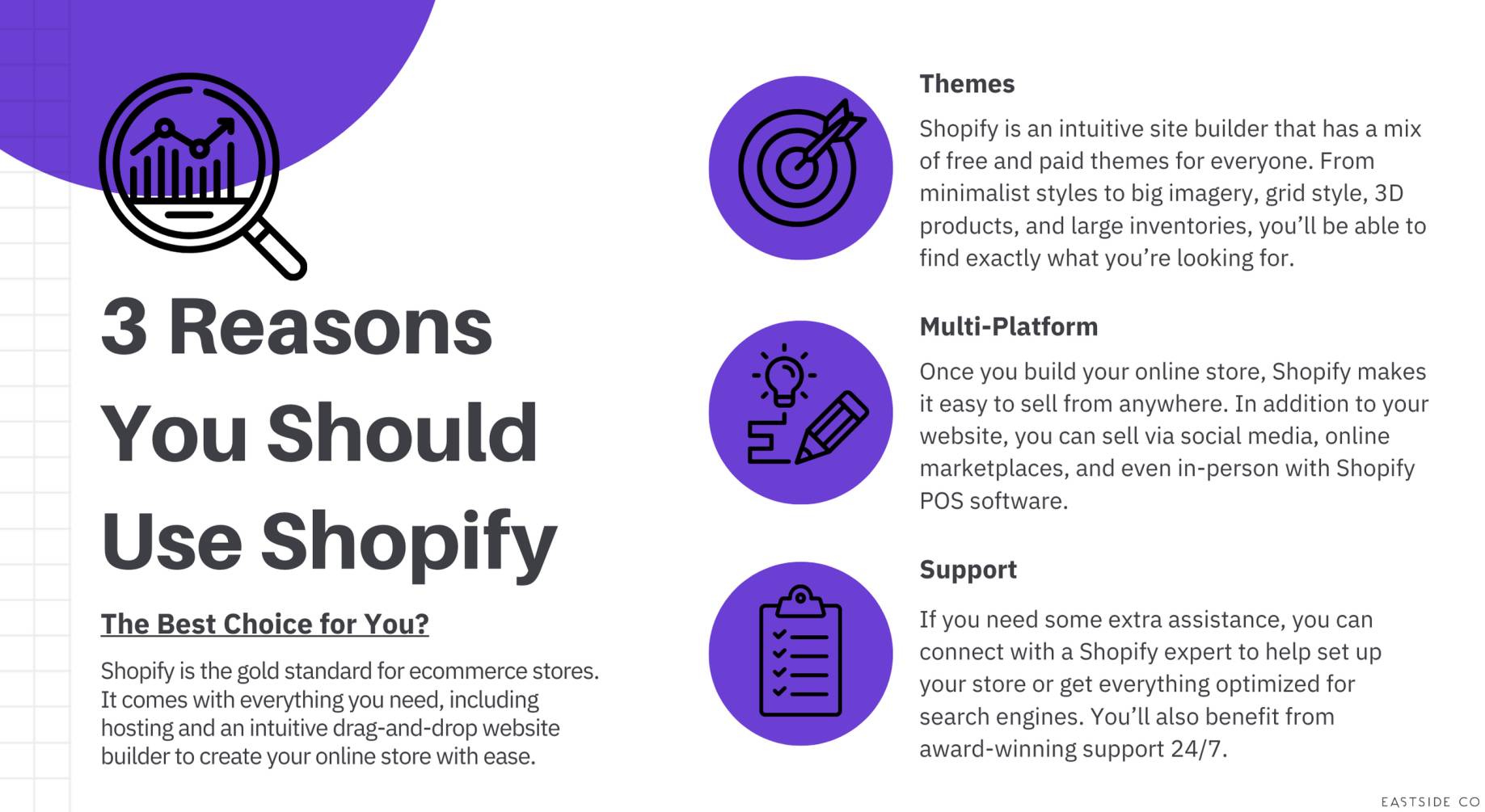
A key technological triumph of Shopify is its commitment to user experience, translating complex e-commerce functionalities into an intuitive, visually driven interface. The administrative backend is designed for clarity and ease of use, enabling even non-technical individuals to navigate product listings, manage orders, and configure store settings with minimal learning curves. This is largely facilitated by extensive use of drag-and-drop editors and customizable templates, which empower merchants to design aesthetically pleasing and highly functional storefronts without writing a single line of code. This graphical user interface (GUI) approach democratizes website development, making professional-grade online stores attainable for anyone. Behind this simplicity lies sophisticated front-end development, responsive design frameworks, and an efficient content management system (CMS) tailored specifically for retail applications, ensuring that the ease of use doesn’t come at the expense of powerful capabilities.
Scalable Architecture for Growth
Shopify’s infrastructure is engineered for exceptional scalability, a critical technological advantage in the dynamic e-commerce landscape. Its distributed, cloud-based architecture ensures that businesses, from small startups to multinational enterprises, can grow without encountering performance bottlenecks. The platform is designed to seamlessly handle fluctuating traffic, whether it’s a sudden surge during a flash sale or sustained growth over years. This resilience is achieved through load balancing, robust data centers, and a global content delivery network (CDN) that ensures fast loading times for customers worldwide, regardless of their geographical location. For merchants, this means peace of mind, knowing that their online store can accommodate increasing demand for products and services without requiring costly and complex infrastructure upgrades on their part. The ability to scale effortlessly is a testament to Shopify’s underlying technological sophistication, designed to support merchants at every stage of their business journey.
Key Technological Features for Merchants
Beyond its core architecture, Shopify offers a rich array of technologically advanced features, each designed to streamline operations and enhance the online selling experience for both merchants and their customers.
Robust Storefront Management
Shopify provides a comprehensive suite of tools for storefront management, encompassing everything from product cataloguing to order fulfillment. Its backend system allows for detailed product listings, including multiple variants, high-resolution images, and SEO-friendly descriptions. Inventory management is automated and real-time, helping merchants track stock levels, prevent overselling, and manage returns efficiently. The platform’s order processing system is equally sophisticated, allowing merchants to manage orders from receipt through to shipping, generate shipping labels, and send automated updates to customers. This holistic approach to store management consolidates various complex tasks into a single, intuitive interface, leveraging advanced database management and workflow automation technologies to keep operations running smoothly.
Integrated Payment Gateways
One of the most critical technological components of any e-commerce platform is its payment processing capability. Shopify excels in this area by integrating with a vast array of payment gateways, including its own solution, Shopify Payments. These integrations leverage secure encryption protocols and comply with global financial regulations to ensure safe and reliable transactions. The technology behind these gateways handles credit card processing, mobile payments, and alternative payment methods, providing a seamless checkout experience for customers. This secure and diversified payment infrastructure is vital for building customer trust and facilitating global sales, eliminating the technical overhead of setting up and maintaining individual payment integrations for merchants.
Mobile Commerce Capabilities
In an increasingly mobile-first world, Shopify’s commitment to mobile commerce is a significant technological advantage. All Shopify themes are inherently responsive, meaning they automatically adapt to provide an optimal viewing and shopping experience across various devices, from desktops to smartphones and tablets. Beyond responsive web design, Shopify also offers dedicated mobile apps for merchants, allowing them to manage their store on the go – processing orders, updating products, and viewing analytics directly from their mobile device. This mobile-first approach is embedded in its core design principles, ensuring that merchants can reach customers wherever they are and manage their business efficiently from any location, leveraging cutting-edge mobile development frameworks.
Analytics and Reporting Tools
Data is power, and Shopify provides robust technological tools for merchants to harness this power through comprehensive analytics and reporting. The platform’s built-in analytics dashboard offers real-time insights into sales performance, customer behavior, traffic sources, and marketing campaign effectiveness. These tools utilize advanced data processing and visualization techniques to present complex information in an easily digestible format, helping merchants make informed decisions. From tracking conversion rates to understanding customer demographics, Shopify’s analytical capabilities empower businesses to optimize their strategies, identify trends, and enhance their overall digital performance, acting as a crucial intelligence hub for online operations.
Extending Functionality: The App Ecosystem and APIs
Shopify’s technological prowess is significantly amplified by its expansive app ecosystem and developer-friendly infrastructure, allowing merchants to customize and extend their store’s capabilities far beyond the core offering.
The Shopify App Store
A cornerstone of Shopify’s extensibility is its App Store, a vibrant marketplace featuring thousands of third-party applications. These apps, developed by independent software vendors using Shopify’s robust APIs, provide specialized functionalities that augment the platform’s core features. From advanced SEO tools and email marketing automation to sophisticated shipping calculators and customer service integrations, the App Store allows merchants to tailor their store to specific business needs without custom coding. Each app undergoes a rigorous review process by Shopify to ensure quality, security, and compatibility, providing merchants with reliable technological solutions to fill any operational gap. This ecosystem reflects a powerful platform strategy, where Shopify provides the foundation, and a community of developers contributes to its vast and diverse feature set.
Developer-Friendly APIs
For businesses with unique requirements or developers looking to build custom solutions, Shopify offers a suite of powerful Application Programming Interfaces (APIs). These APIs provide a programmatic way to interact with a Shopify store’s data and functionality, allowing for deep integrations with external systems, custom app development, and bespoke workflows. Merchants can use these APIs to connect their Shopify store with existing ERP (Enterprise Resource Planning) systems, CRM (Customer Relationship Management) software, or custom inventory management solutions. The availability of well-documented, RESTful APIs is a testament to Shopify’s commitment to flexibility and open architecture, empowering developers to create virtually any integration or extension imaginable, truly making the platform adaptable to complex enterprise environments.
Themes and Customization
Shopify’s theme architecture is another key technological component enabling extensive customization. Merchants can choose from a wide range of professionally designed themes, which serve as the visual and functional foundation of their online store. These themes are built using Liquid, an open-source template language created by Shopify, alongside standard web technologies like HTML, CSS, and JavaScript. This structure allows for significant customization, from simple color changes through the theme editor to complex layout modifications and entirely custom designs for developers. The flexibility of the theme system ensures that businesses can establish a unique brand identity and user experience, leveraging powerful web design technologies without necessarily needing to build from scratch.
Digital Security and Reliability
In the digital realm, security and reliability are paramount. Shopify invests heavily in cutting-edge technology and rigorous protocols to ensure that merchant data and customer transactions are protected, and that stores remain operational around the clock.
PCI DSS Compliance
Shopify is fully compliant with the Payment Card Industry Data Security Standard (PCI DSS) Level 1, the highest level of certification available. This compliance means that Shopify adheres to a comprehensive set of security standards designed to ensure that all companies that process, store, or transmit credit card information maintain a secure environment. The platform employs advanced encryption, strict access controls, and regular security audits to safeguard sensitive payment data. For merchants, this eliminates the complex and costly burden of achieving and maintaining PCI compliance themselves, providing a secure foundation for accepting online payments and fostering customer trust.
SSL Certificates and Data Encryption
Every Shopify store automatically includes a free SSL (Secure Sockets Layer) certificate. This cryptographic protocol encrypts data exchanged between the customer’s browser and the store’s server, protecting sensitive information like personal details and payment information from interception by malicious third parties. Beyond SSL, Shopify employs robust data encryption across its entire infrastructure, safeguarding customer and business data both in transit and at rest. This comprehensive approach to encryption is a critical technological defense against cyber threats, ensuring the integrity and confidentiality of all data within the Shopify ecosystem.
Uptime and Infrastructure
Shopify’s global infrastructure is engineered for exceptional uptime and performance. Built on a distributed network of secure data centers and a powerful CDN, the platform is designed for resilience and high availability, boasting an impressive track record of minimal downtime. This technological robustness ensures that online stores are consistently accessible to customers worldwide, minimizing potential revenue loss due to technical outages. The proactive monitoring, redundancy measures, and continuous optimization of its underlying servers and network architecture are crucial components of Shopify’s commitment to reliability, allowing merchants to focus on their business without worrying about the stability of their online presence.
The Future of E-commerce Technology with Shopify
Shopify is not merely a static platform but a dynamic technological leader, continuously evolving to meet the demands of modern commerce and anticipating future trends.
AI and Personalization
Shopify is increasingly integrating artificial intelligence (AI) and machine learning (ML) to enhance personalization, automation, and predictive analytics. This technology is used to power intelligent product recommendations, automate customer service responses, optimize search results, and provide more targeted marketing capabilities. By leveraging AI, Shopify aims to help merchants deliver highly personalized shopping experiences, predict customer behavior, and streamline operational tasks, ultimately driving higher conversions and customer satisfaction. The platform’s ongoing investment in AI development underscores its commitment to staying at the forefront of e-commerce innovation, translating complex algorithms into tangible business advantages.
Omnichannel Commerce
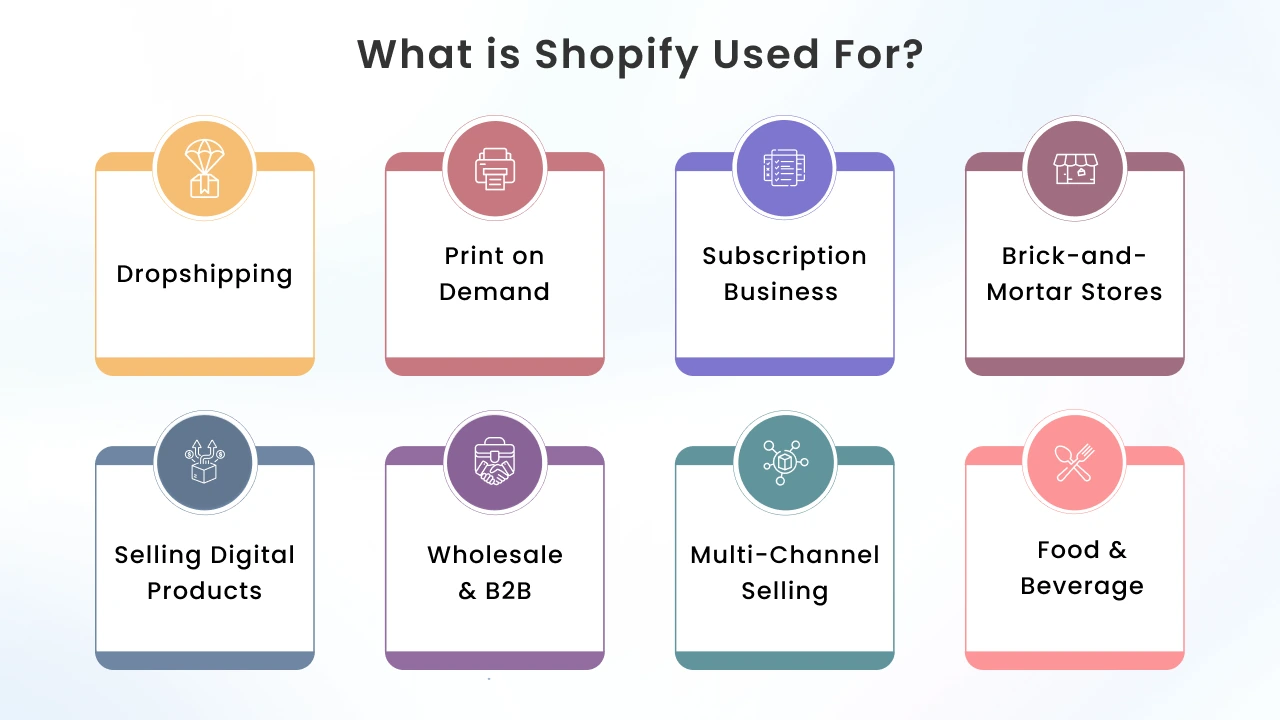
Recognizing that modern retail transcends single channels, Shopify is heavily investing in omnichannel technology. This includes seamless integration between online stores, physical retail locations (via its Point of Sale, or POS, system), social media platforms, and marketplaces. The goal is to provide a unified shopping experience across all touchpoints, allowing customers to browse online, purchase in-store, or pick up online orders at a physical location. Technologically, this involves sophisticated inventory synchronization, centralized customer data management, and integrated transaction processing across diverse sales channels, creating a cohesive retail ecosystem powered by Shopify’s robust backend.
Headless Commerce and API-First Approach
For larger enterprises and technically sophisticated merchants, Shopify is embracing “headless commerce.” This architectural approach decouples the front-end (what the customer sees) from the back-end (the e-commerce functionality). By providing a powerful API-first platform, Shopify allows businesses to use its robust e-commerce engine while building entirely custom front-ends using any technology stack they choose. This offers unparalleled flexibility for creating unique brand experiences, integrating with emerging technologies like AR/VR or IoT devices, and maintaining full control over the user interface. This represents the pinnacle of Shopify’s technological adaptability, catering to highly specialized and innovative commerce initiatives.
Conclusion
To ask “what is Shopify?” is to inquire about the very backbone of modern digital commerce. It is a sophisticated, cloud-based technology platform that has meticulously engineered solutions to the complex challenges of online retail. From its intuitive SaaS model that democratizes store creation to its robust security protocols protecting sensitive data, and from its vast app ecosystem that extends functionality to its forward-looking embrace of AI and omnichannel strategies, Shopify stands as a testament to technological innovation in the service of entrepreneurship.
It has successfully abstracted away the intricate web of servers, code, and security measures, presenting merchants with a clean, powerful, and scalable interface. By providing a comprehensive technological framework, Shopify empowers millions of businesses worldwide to establish a compelling online presence, manage operations efficiently, and adapt to the ever-changing demands of the digital marketplace. It is not just a tool; it is a foundational technology that continues to redefine the landscape of global e-commerce.
aViewFromTheCave is a participant in the Amazon Services LLC Associates Program, an affiliate advertising program designed to provide a means for sites to earn advertising fees by advertising and linking to Amazon.com. Amazon, the Amazon logo, AmazonSupply, and the AmazonSupply logo are trademarks of Amazon.com, Inc. or its affiliates. As an Amazon Associate we earn affiliate commissions from qualifying purchases.