
In the rapidly evolving landscape of digital commerce, the term “Shop.Pay” encapsulates a critical component of modern online transactions: streamlined payment solutions designed to optimize the financial exchange between consumers and merchants. While “Shop Pay” is notably the accelerated checkout service offered by Shopify, the broader concept it represents—a simple, secure, and efficient way to handle online payments within a shopping ecosystem—has profound implications for personal and business finance alike. It’s more than just a button on a checkout page; it’s a sophisticated financial tool engineered to enhance convenience, reduce friction, and ultimately drive economic activity.
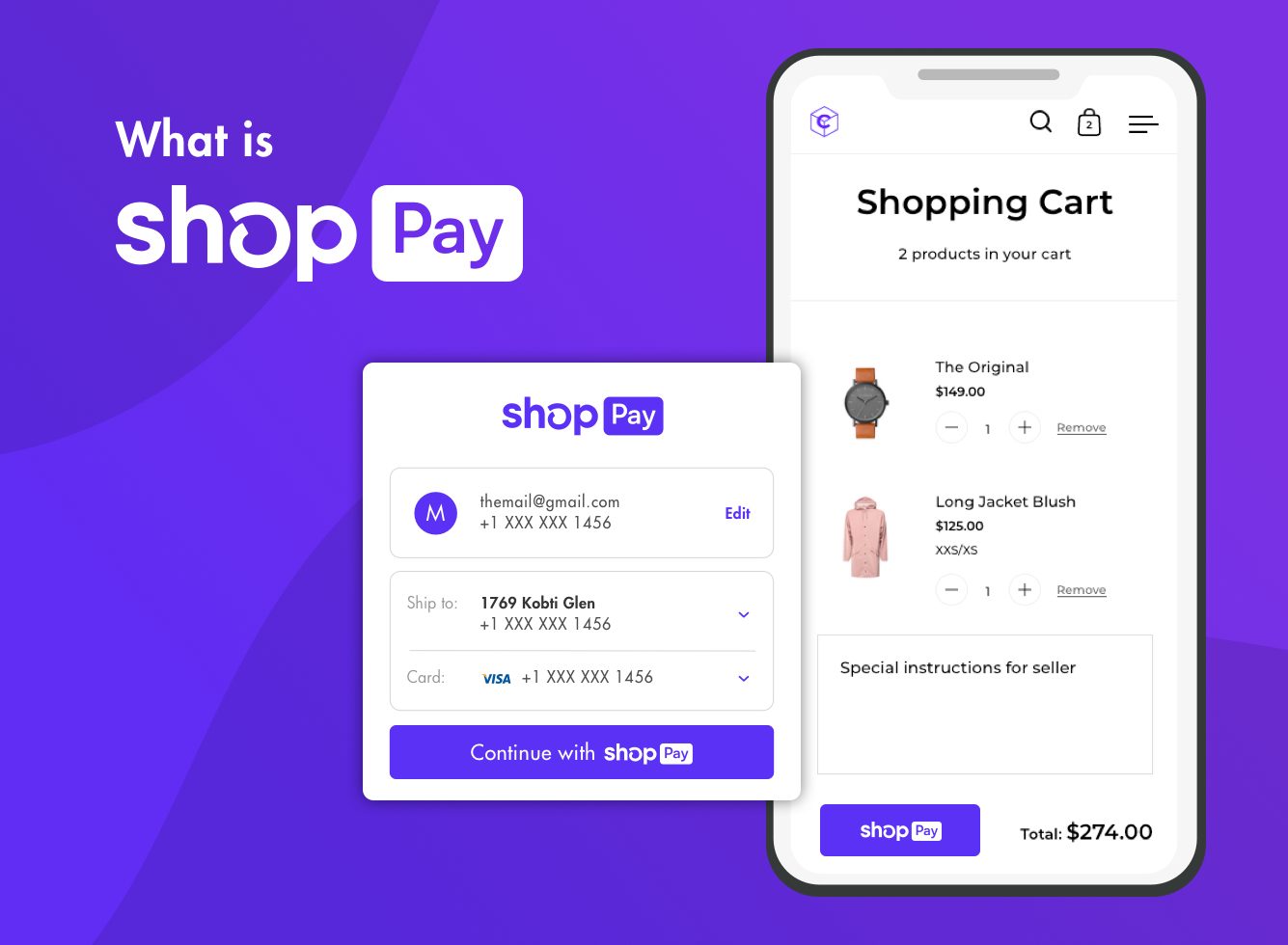
This article delves into the financial intricacies of Shop.Pay, exploring its role as a catalyst for improved financial performance for businesses, and a facilitator of smarter, more secure spending for consumers. We will dissect how these integrated payment systems address traditional financial hurdles in e-commerce, bolster revenue streams, and offer critical tools for financial management, all while navigating the complexities of an increasingly digital economy.
The Financial Landscape of E-commerce Payments
The journey of money in the digital realm has historically been fraught with inefficiencies. Before the advent of integrated payment solutions, online transactions often represented a significant financial risk and operational challenge for both buyers and sellers. Understanding these historical pain points is crucial to appreciating the financial value that Shop.Pay and similar systems bring to the table.
Traditional Payment Challenges and Their Costs
For many years, the online checkout process was a significant bottleneck in the e-commerce sales funnel. Consumers were often required to manually enter lengthy shipping and billing details, credit card numbers, and security codes for every purchase. This repetitive and time-consuming process led to substantial financial losses for businesses due to high cart abandonment rates. Studies consistently show that complex checkouts are a primary reason customers desert their shopping carts, translating directly into lost sales and unrealized revenue. Each abandoned cart represents not just a potential sale missed, but also the wasted marketing expenditure that brought the customer to that point.
Beyond lost sales, traditional payment systems often carried hidden costs. Merchants grappled with higher transaction fees, chargebacks, and the administrative burden of managing multiple payment gateways. Security vulnerabilities were another major financial concern, with data breaches leading to costly fines, reputational damage, and erosion of customer trust—all impacting a business’s financial stability. From a consumer perspective, the constant need to expose sensitive financial information created anxiety and increased the risk of identity theft or credit card fraud, leading to potential personal financial losses and the arduous process of dispute resolution.
The Rise of Accelerated Checkouts: Optimizing Financial Efficiency
The development of accelerated checkout systems like Shop.Pay emerged directly in response to these financial inefficiencies. The core idea is simple: store a consumer’s shipping and payment information securely, allowing for one-click purchases across various online stores that support the service. This dramatically reduces the time and effort required to complete a transaction.
For businesses, the financial benefits are immediate and substantial. By simplifying the checkout process, these systems significantly reduce cart abandonment, directly translating to higher conversion rates and increased revenue. The speed and convenience encourage impulse purchases and foster repeat business, improving customer lifetime value—a key metric for sustainable financial growth. Furthermore, integrated solutions often come with competitive transaction fees and robust fraud detection mechanisms, mitigating financial risks associated with chargebacks and data breaches. For consumers, the convenience translates into a smoother shopping experience, but more importantly, enhanced security, as their financial data is encrypted and stored once, reducing exposure during repeated transactions. This optimization of financial flow and risk management is at the heart of what makes Shop.Pay a powerful financial tool.
Shop.Pay’s Impact on Consumer Finance
For the individual shopper, Shop.Pay represents more than just a shortcut; it’s a financial tool that subtly influences spending habits, security, and even credit management. Understanding these effects is key to leveraging such systems responsibly for personal financial well-being.
Streamlined Spending and Budgeting
The primary appeal of Shop.Pay is its speed and convenience. With a single click or tap, a purchase can be completed. While this undeniable efficiency enhances the shopping experience, it also carries implications for personal financial discipline. The ease of transaction can sometimes make it easier to spend impulsively, potentially leading to overspending if not managed carefully. From a budgeting perspective, consumers must remain vigilant. While the tool makes buying simple, it does not replace the need for a conscious budget and financial planning. Utilizing transaction history and linking payment methods to budgeting apps can help monitor spending through Shop.Pay, ensuring convenience doesn’t compromise financial goals. The ideal scenario is to leverage the efficiency for necessary purchases while maintaining strict oversight of overall financial outflow.
Security and Fraud Prevention for Shoppers
One of the most significant financial benefits for consumers using Shop.Pay is the enhanced security it offers. Instead of entering credit card details on multiple merchant websites, which can expose sensitive information to various vulnerabilities, Shop.Pay encrypts and stores this data securely within its system. This centralized security model drastically reduces the risk of credit card fraud and identity theft. When making a purchase, consumers typically authenticate via SMS or a pre-set PIN, adding an extra layer of protection without sacrificing speed.
This robust security framework provides significant peace of mind, minimizing the potential financial and emotional cost of dealing with fraudulent charges, identity recovery, and credit score impacts. For consumers, this translates into a more secure and less stressful online shopping environment, safeguarding their personal finances against malicious actors.
Installment Payments and Credit Management
A key financial innovation integrated into services like Shop Pay (Shopify’s version) is the “buy now, pay later” (BNPL) option, often in partnership with services like Affirm or Klarna. This feature allows consumers to split their purchase into several interest-free installments, payable over a period. This tool directly impacts personal finance by offering an alternative to traditional credit cards or immediate lump-sum payments.
For some, BNPL can be an effective budgeting tool, allowing consumers to acquire necessary items immediately while spreading the financial burden over time, without incurring interest (if paid on time). This can free up immediate cash flow for other financial obligations or savings. However, it’s crucial to approach BNPL with caution. While interest-free, missed payments can incur late fees, negatively impact credit scores, and lead to accumulation of debt across multiple BNPL plans, making it harder to manage overall financial obligations. Responsible use requires careful consideration of one’s income, existing debts, and the ability to meet future payment schedules to ensure it enhances, rather than detracts from, personal financial health.
Enhancing Business Finance for Merchants
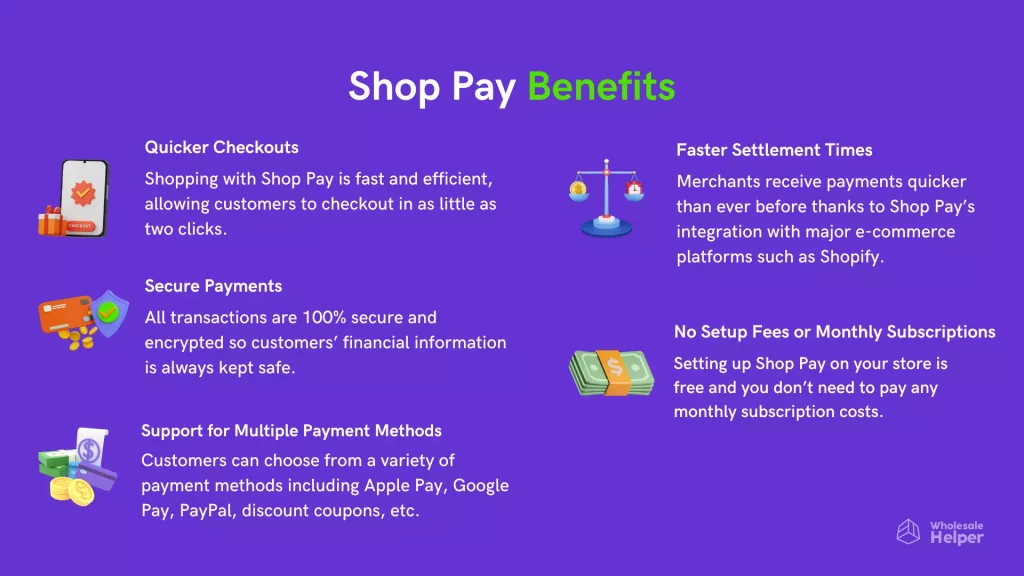
For online businesses, Shop.Pay and similar accelerated payment solutions are not merely a feature but a strategic financial asset. They directly influence a business’s bottom line by impacting revenue generation, operational costs, and overall financial health.
Boosting Conversion Rates and Revenue
The most direct financial benefit for merchants adopting Shop.Pay is the significant boost in conversion rates. By removing friction from the checkout process—eliminating the need for manual data entry and multiple steps—businesses experience fewer abandoned carts. A seamless, one-click purchase experience directly translates into more completed sales, thereby increasing overall revenue. For a business, every percentage point increase in conversion rate can represent a substantial increase in income, without necessarily incurring additional marketing spend. This efficiency makes Shop.Pay a potent revenue-generating tool, optimizing the return on investment for customer acquisition efforts. Furthermore, the speed and convenience contribute to a positive customer experience, encouraging repeat purchases and building a loyal customer base, which are pillars of long-term financial stability.
Reducing Transaction Costs and Operational Overhead
Beyond increased revenue, Shop.Pay can also contribute to a merchant’s financial health by optimizing costs. While there are transaction fees associated with any payment processor, integrated solutions like Shop.Pay often offer competitive rates, especially when bundled with an e-commerce platform. More importantly, by reducing chargebacks through enhanced security and fraud prevention tools, businesses can avoid significant financial losses and administrative costs associated with dispute resolution.
Operationally, a unified payment system streamlines financial management. Businesses no longer need to manage disparate payment gateways, reconciliation processes, and security protocols, which can be time-consuming and prone to error. This reduction in administrative overhead allows businesses to allocate resources more efficiently, focusing on core activities like product development or marketing, rather than payment processing complexities. The overall effect is a more lean and financially efficient operation.
Financial Reporting and Analytics
A crucial, often underappreciated, financial benefit for merchants is the robust reporting and analytics capabilities integrated into advanced payment systems. Shop.Pay, particularly within the Shopify ecosystem, provides merchants with comprehensive data on transactions, customer behavior, and sales trends. This financial data is invaluable for strategic business planning.
Merchants can track conversion rates specific to Shop.Pay, identify peak sales periods, analyze average order value, and understand customer demographics. These insights enable informed financial decisions, such as optimizing inventory management, tailoring marketing campaigns for maximum ROI, and forecasting future sales more accurately. For example, understanding which products are most frequently purchased via accelerated checkout can inform pricing strategies or product bundling. This data-driven approach to financial management empowers businesses to optimize their strategies, identify growth opportunities, and maintain a healthier financial outlook.
Strategic Financial Implications and Future Outlook
The rise of Shop.Pay and similar solutions is indicative of a broader transformation in digital finance, with strategic implications for the entire economic ecosystem. As these tools evolve, they will continue to redefine how money flows and is managed online.
Competition in the Payment Processing Sector
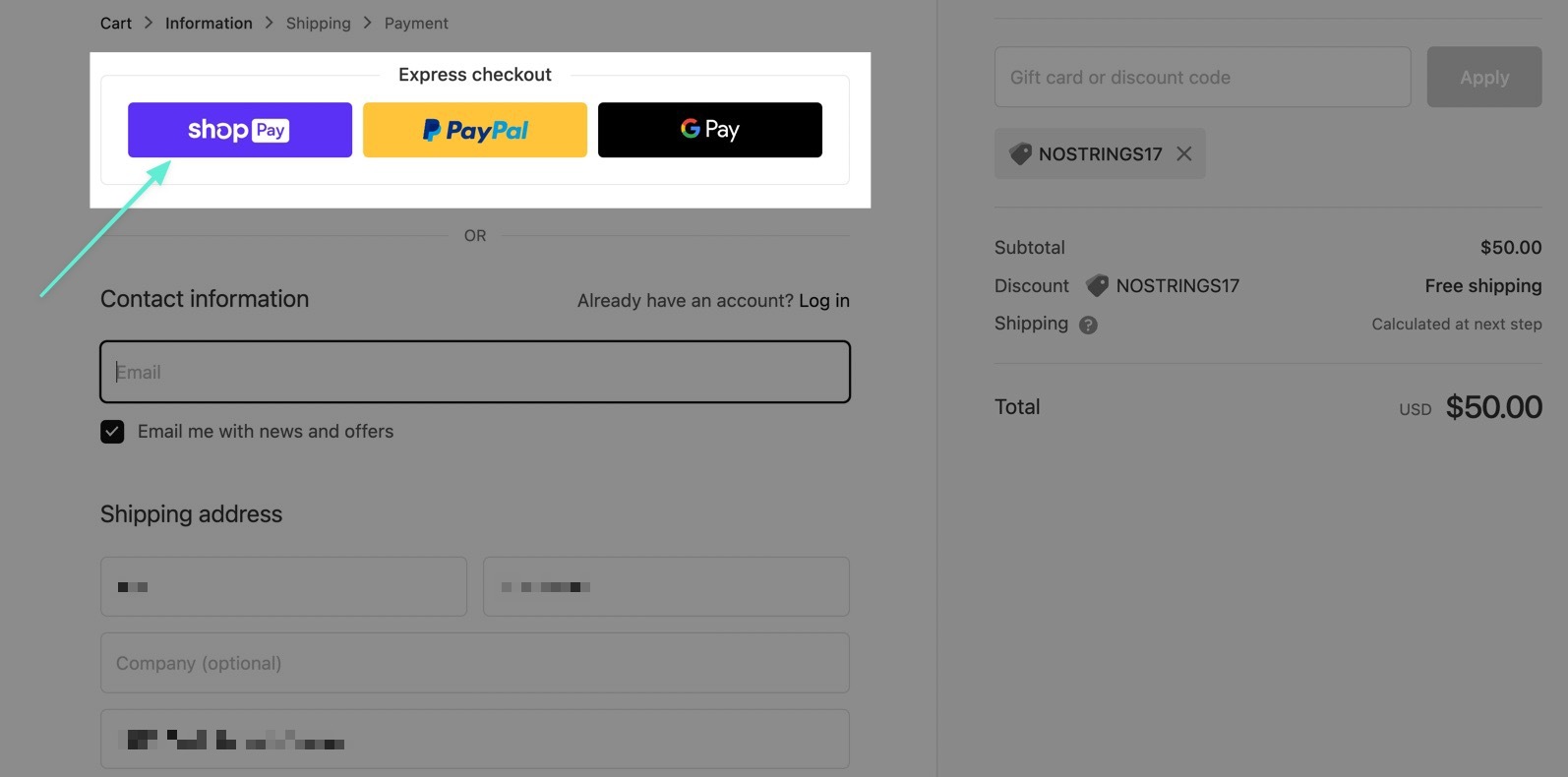
The success of Shop.Pay has spurred intense competition within the payment processing sector. Companies like PayPal, Apple Pay, Google Pay, and even traditional credit card networks are constantly innovating their offerings to provide similar or superior accelerated checkout experiences. This competition is financially beneficial for merchants and consumers alike. Merchants can benefit from competitive transaction fees, better fraud protection tools, and more sophisticated reporting features as providers vie for market share. Consumers gain from increasingly convenient, secure, and diverse payment options.
The strategic financial implication is that payment processing is no longer just a utility but a battleground for customer loyalty and financial dominance. Providers must continuously invest in technology, security, and user experience to remain competitive, driving innovation that ultimately benefits the broader digital economy. Businesses must strategically choose payment partners that align with their financial goals, considering not just fees, but also conversion impact, security, and integration capabilities.
The Evolution of Digital Wallets and Financial Tools
Shop.Pay is a prominent example of the ongoing evolution toward comprehensive digital wallets and integrated financial tools. The trend is moving beyond just payment processing to offering a full suite of financial services within a single ecosystem. This could include budgeting tools, rewards programs, installment payment options (as discussed), and even direct integration with personal finance management applications.
For consumers, this evolution promises greater financial control and convenience, centralizing various aspects of their financial lives. For businesses, it opens up new avenues for customer engagement, loyalty, and revenue generation through embedded financial services. The future of Shop.Pay and its counterparts likely involves deeper integration with bank accounts, broader support for cryptocurrencies, and even more personalized financial insights, solidifying their role as indispensable components of the modern financial infrastructure. This continuous innovation will reshape spending habits, investment opportunities (e.g., in e-commerce businesses leveraging such tools), and overall financial liquidity in the digital sphere.
Conclusion
“What is Shop.Pay?” is a question that, when fully explored, reveals a powerful financial tool at the heart of modern e-commerce. Far from being a mere convenience feature, it represents a significant leap in optimizing the financial exchange between buyers and sellers. For consumers, it offers enhanced security, a streamlined spending experience, and flexible payment options that, when managed responsibly, can support personal financial goals. For merchants, Shop.Pay is a strategic asset that directly contributes to increased revenue through higher conversion rates, reduced operational costs, and invaluable financial insights from robust reporting.
As the digital economy continues its rapid expansion, the role of accelerated payment solutions like Shop.Pay will only grow in importance. They are not just facilitating transactions; they are shaping financial behavior, driving economic efficiency, and setting new standards for security and convenience in the digital age. Understanding its multifaceted financial impact is essential for anyone navigating the complexities of online commerce, whether as a consumer looking to spend wisely or a business striving for sustainable financial growth.
aViewFromTheCave is a participant in the Amazon Services LLC Associates Program, an affiliate advertising program designed to provide a means for sites to earn advertising fees by advertising and linking to Amazon.com. Amazon, the Amazon logo, AmazonSupply, and the AmazonSupply logo are trademarks of Amazon.com, Inc. or its affiliates. As an Amazon Associate we earn affiliate commissions from qualifying purchases.