
In the contemporary digital landscape, a brand is no longer defined solely by its logo, color palette, or mission statement. Instead, a brand’s identity is constructed through its digital footprint, its visibility, and the ease with which potential customers can find solutions to their problems via search engines. SEO strategies, therefore, are far more than technical maneuvers to appease algorithms; they are the architectural blueprints for a brand’s online authority, reputation, and long-term market viability.
To understand SEO strategies from a brand perspective is to recognize that search engine optimization is the primary vehicle for brand storytelling in the 21st century. It is the process of aligning a brand’s digital presence with the intent, needs, and behaviors of its target audience. By mastering these strategies, a brand moves from being a mere participant in the market to becoming a dominant leader in its niche.

The Role of SEO in Modern Brand Strategy
At its core, an SEO strategy is a comprehensive plan to improve a website’s search engine rankings to capture more organic traffic. However, when viewed through the lens of brand strategy, SEO becomes a tool for building “Brand Equity.” Every time a user searches for a term related to an industry and sees a specific brand at the top of the results, that brand gains a “mental market share.”
Visibility and Brand Awareness
Traditional brand awareness was once fueled by billboard advertisements and television commercials—methods that were often intrusive and non-targeted. Modern SEO strategies flip this dynamic. By appearing in search results when a user is actively seeking information, a brand establishes itself as a helpful resource. High visibility for top-of-funnel keywords (educational or informational queries) ensures that the brand is the first point of contact in the consumer’s journey. This consistent presence builds a layer of familiarity that is essential for brand recall.
Building Authority through Content
A brand’s authority is not just claimed; it is earned. Within a robust SEO strategy, content serves as the evidence of expertise. When a brand produces deep-dive white papers, insightful blog posts, and comprehensive guides that rank well, it signals to both search engines and users that the brand is a thought leader. This “authority-first” approach ensures that the brand is not just seen as a vendor, but as an expert consultant in its field.
Trust and Credibility in Search Results
There is an inherent psychological trust associated with high search rankings. Users subconsciously trust Google’s algorithm to filter out low-quality results. Therefore, appearing on the first page of search results provides a “halo effect” of credibility. An SEO strategy that focuses on quality over quantity ensures that when a user clicks through, the experience matches the expectation, reinforcing the brand’s promise of quality and reliability.
Core Pillars of an SEO-Driven Brand Identity
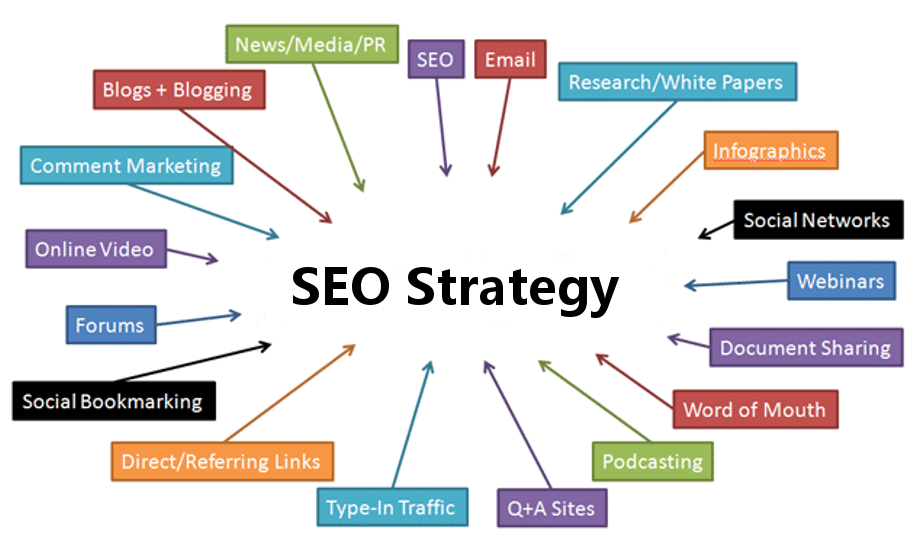
To execute an effective SEO strategy that bolsters a brand, one must look beyond keyword stuffing. A sophisticated strategy integrates technical excellence, creative content, and strategic networking to create a holistic brand experience.
Technical Foundations for Brand Experience
The technical side of SEO—site speed, mobile responsiveness, and secure connections (HTTPS)—is often dismissed as a backend concern. However, in branding, these are critical touchpoints of user experience (UX). A slow-loading website is a brand failure; it tells the customer that the brand does not value their time. A mobile-unfriendly site suggests the brand is outdated. A technical SEO strategy ensures that the digital “storefront” is polished, fast, and accessible, which directly impacts how the brand is perceived.
On-Page Strategy: Aligning Voice and Value
On-page SEO involves optimizing individual web pages to rank higher and earn more relevant traffic. From a brand perspective, this is where the “Brand Voice” meets data-driven optimization. It involves the strategic use of meta titles and descriptions that not only include keywords but also carry the brand’s unique tone. It’s about ensuring that headers (H1, H2, H3) provide a clear hierarchy of information that guides the user through the brand’s narrative, making the value proposition undeniable.
Off-Page Strategy: PR and Brand Mentions
Off-page SEO is primarily concerned with backlinks—links from other websites to yours. In the world of branding, this is digital Public Relations. A high-quality backlink from a reputable industry publication is a digital endorsement. A comprehensive SEO strategy includes a focus on “Brand Mentions” and “Earning Media.” When other authoritative brands and influencers link to your content, it validates your brand’s position in the broader market ecosystem. This networking effect is what transforms a local brand into a national or global entity.

Semantic SEO: Crafting the Brand Narrative
As search engines have evolved to understand context and intent, SEO strategies have shifted toward “Semantic SEO.” This approach is deeply aligned with brand strategy because it focuses on topics and meanings rather than isolated strings of text.
Keywords vs. Intent-Based Branding
In the early days of the internet, brands would target specific keywords like “best running shoes.” Today, a sophisticated brand strategy looks at the intent behind the search. Is the user looking for professional marathon gear or casual walking shoes? Semantic SEO allows a brand to create “Topic Clusters”—interconnected pieces of content that cover a subject in its entirety. By owning a “topic” rather than just a “keyword,” a brand positions itself as the ultimate destination for that specific lifestyle or business need.
The Importance of E-E-A-T
Google’s quality evaluator guidelines emphasize E-E-A-T: Experience, Expertise, Authoritativeness, and Trustworthiness. These are not just SEO metrics; they are the four pillars of corporate identity. An SEO strategy that prioritizes E-E-A-T involves highlighting the credentials of authors, showcasing customer testimonials, and citing peer-reviewed data. By doing so, the brand builds a transparent and honest relationship with its audience, which is the cornerstone of modern marketing.
Local SEO and Personal Branding
For many businesses, the brand is inseparable from its physical location or the individuals who lead it. SEO strategies must account for these personal and geographical nuances to be truly effective.
Local Discovery as a Brand Touchpoint
For brick-and-mortar brands, Local SEO is the bridge between the digital and physical worlds. Optimizing a Google Business Profile, managing local reviews, and appearing in the “Map Pack” are essential for local brand dominance. A brand that maintains a 4.8-star rating with hundreds of reviews across local search results creates an immediate competitive advantage. This localized trust is a powerful asset that reinforces the brand’s community presence.
Optimizing Personal Profiles for Brand Synergy
In the era of the “Founder Brand,” personal branding is often a key driver of corporate success. SEO strategies extend to the personal profiles of executives and key team members. When a CEO is a recognized authority on LinkedIn and their personal website ranks for industry-leading insights, that prestige flows back to the corporate brand. This synergy ensures that the brand is perceived as being led by visionaries, further enhancing its market value.
Measuring the ROI of SEO on Brand Equity
A common challenge in marketing is quantifying the value of a brand. SEO provides a data-driven framework to measure how a brand’s influence is growing over time.
Direct Traffic and Branded Search Volume
One of the clearest indicators of a successful brand-led SEO strategy is an increase in “Branded Search Volume.” This occurs when users search specifically for the brand name (e.g., “Nike running shoes” instead of just “running shoes”). When people search for your brand by name, it proves that your SEO and marketing efforts have successfully moved the brand into the “consideration set” of the consumer’s mind. Tracking this metric allows marketers to see the direct impact of SEO on brand recognition.
Conversion Optimization and User Retention
An effective SEO strategy doesn’t end when a user lands on a page; it continues by guiding them toward a conversion. By analyzing user behavior through tools like Search Console and Analytics, brands can refine their messaging to better meet user expectations. High retention rates and low bounce rates are signals to search engines that the content is valuable, but to a brand manager, these metrics indicate that the brand’s message is resonating with the audience.
In conclusion, “what is SEO strategies” is a question with a multi-layered answer. At its most basic level, it is a set of technical and creative practices to improve search rankings. However, at its most profound level, it is a comprehensive discipline of digital brand management. It is the art of ensuring that when the world asks a question, your brand is the definitive answer. By integrating SEO into the heart of brand strategy, organizations can build a resilient, authoritative, and highly visible identity that thrives in the ever-evolving digital marketplace.
aViewFromTheCave is a participant in the Amazon Services LLC Associates Program, an affiliate advertising program designed to provide a means for sites to earn advertising fees by advertising and linking to Amazon.com. Amazon, the Amazon logo, AmazonSupply, and the AmazonSupply logo are trademarks of Amazon.com, Inc. or its affiliates. As an Amazon Associate we earn affiliate commissions from qualifying purchases.