
For millions of taxpayers, the annual ritual of filing federal and state tax returns is followed by a period of eager anticipation. When checking bank statements or the IRS “Where’s My Refund?” portal, many individuals encounter a name they might not recognize: SBTPG LLC. Often appearing as “TPG Products” or “Santa Barbara Tax Products Group,” this entity plays a pivotal role in the American tax ecosystem.
Understanding what SBTPG LLC is, how it functions, and why it appears on your financial records is essential for effective personal finance management. While it is not a government agency, it is a critical intermediary that bridges the gap between tax preparation software, the Internal Revenue Service (IRS), and your personal bank account.
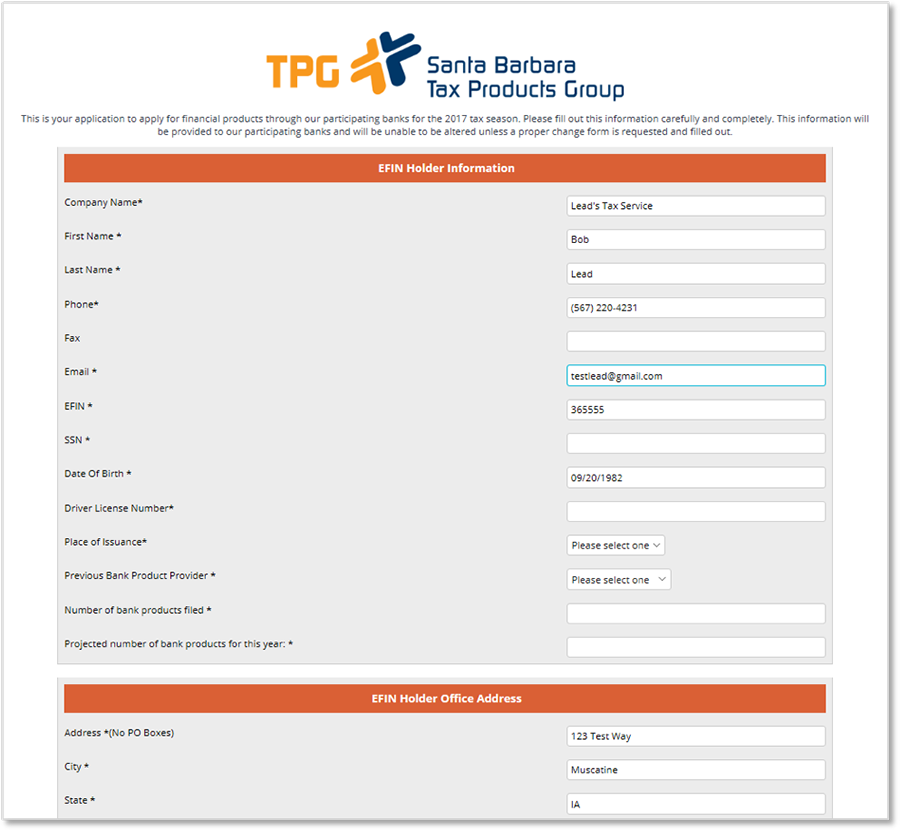
Defining SBTPG: The Role of Santa Barbara Tax Products Group in Modern Finance
SBTPG stands for Santa Barbara Tax Products Group. Founded in 1991 and currently operating as a subsidiary of Green Dot Corporation, SBTPG is a leading provider of tax-related financial products. It acts as a specialized fintech intermediary that facilitates the “Refund Transfer” process.
The History and Evolution of SBTPG
SBTPG established itself early in the electronic filing revolution. Before the ubiquity of high-speed internet and sophisticated banking apps, the company specialized in helping taxpayers who lacked the upfront capital to pay for professional tax preparation. Over the decades, it has evolved into a powerhouse in the financial services sector, partnering with major tax software providers like TurboTax, TaxSlayer, and professional tax accounting firms across the United States. In 2014, its acquisition by Green Dot Corporation—a major player in the prepaid card and “banking as a service” (BaaS) space—further solidified its infrastructure and reach.
How SBTPG Facilitates Tax-Related Transactions
The primary function of SBTPG is to act as a temporary custodial bank. When a taxpayer chooses to have their filing fees deducted directly from their tax refund, a standard bank-to-taxpayer transaction becomes a multi-step financial flow. SBTPG provides the banking infrastructure to receive the gross refund from the IRS, subtract the authorized fees, and then distribute the net amount to the taxpayer. This service is technically known as a “Refund Transfer” (RT).
The Mechanics of Refund Processing: How Your Money Moves
To the average consumer, a tax refund feels like a direct deposit from the government. However, when an intermediary like SBTPG is involved, the path of those funds is more complex. Understanding this mechanical flow can help taxpayers manage their expectations regarding timing and deposit labels.
The “Refund Transfer” Explained
A Refund Transfer is a financial product designed for convenience. Most tax preparation services charge a fee, ranging from fifty to several hundred dollars. If a taxpayer does not wish to pay this out-of-pocket at the time of filing, they opt for a Refund Transfer.
In this scenario, the taxpayer authorizes the IRS to send their refund to a temporary settlement account created by SBTPG. Once the IRS releases the funds—usually within the standard 21-day window—they land in the SBTPG account first. This is a critical distinction: the IRS is not sending money to your personal account; they are sending it to a custodial account managed by SBTPG on your behalf.
Fee Deduction and Disbursement
Once SBTPG receives the funds from the IRS, their automated systems perform a series of rapid calculations and deductions:
-
Tax Preparation Fees: The amount owed to the software company (e.g., Intuit/TurboTax) or the local tax professional is deducted.
-
Service Fees: SBTPG charges a fee for providing the Refund Transfer service. This is the cost of the convenience of not paying upfront.
-
Ancillary Fees: If the taxpayer opted for a “Refund Advance” (a short-term loan against the refund), that loan amount plus any applicable interest is also recouped.
After these deductions, SBTPG initiates a secondary transfer to the taxpayer’s designated bank account or a prepaid debit card. This secondary transfer is what the taxpayer eventually sees as their “refund” in their personal banking app.
Why You Might See SBTPG on Your Bank Statement
Confusion often arises when a taxpayer checks their bank balance and sees a deposit from “SBTPG LLC” or “TPG Products” instead of the “IRS TREAS 310” label associated with direct government payments. This is the most common reason people search for the company’s identity.
Identifying “TPG Products” Deposits
The deposit label on a bank statement is determined by the originating institution. Because SBTPG is the entity sending the final net amount to your bank, their name appears as the sender. If you see a deposit that is slightly less than the amount shown on your tax return, it is almost certainly due to the deduction of preparation fees through SBTPG.
Common Scenarios for SBTPG Involvement
There are three primary reasons why SBTPG would be involved in your financial life:
-
Pay-by-Refund: You used a service like TurboTax and chose to have the software fees taken out of your refund.
-
Refund Advance Loans: You applied for and received an advance on your tax money before the IRS officially processed the return. SBTPG often manages the backend of these credit products.
-
Professional Tax Prep: Your local CPA or tax office uses SBTPG to handle their billing and client disbursements.
Assessing the Benefits and Drawbacks of Using SBTPG Services
As with any financial tool, using a Refund Transfer via SBTPG involves trade-offs. For some, the service is an essential part of their financial planning; for others, it may represent an unnecessary expense.
The Convenience of “Pay-by-Refund”
The most significant benefit of SBTPG’s services is liquidity management. Many taxpayers file their returns in January or February, a time when holiday-related credit card bills are due and cash flow may be tight. By using a Refund Transfer, the taxpayer can secure professional filing services and ensure compliance with tax laws without needing immediate liquid capital. This “frictionless” payment method makes high-quality tax software accessible to a broader range of income levels.
Understanding the Costs and Potential Delays
The primary drawback is the cost. SBTPG and the tax software companies charge for this convenience. When you add the service fee (often $40-$60) to the tax preparation fee, a taxpayer might find they are paying $150 or more just to file a standard return. From a strictly mathematical perspective of personal finance, paying upfront is always the more cost-effective choice.
Additionally, involving an intermediary can introduce slight delays. While SBTPG typically processes and releases funds within 24 hours of receiving them from the IRS, the extra step can occasionally push a deposit past a weekend or a bank holiday, resulting in a 2-3 day delay compared to a direct IRS deposit.
Navigating the Tax Season: Tips for Managing SBTPG Deposits
If you are expecting a refund through SBTPG, there are proactive steps you can take to ensure everything remains on track and to avoid the anxiety of a “missing” refund.
Tracking Your Refund through the TPG Portal
While the IRS “Where’s My Refund?” tool is the best way to see if the government has released your money, it won’t tell you if SBTPG has processed it. SBTPG offers its own taxpayer portal (often found at sbtpg.com). By entering your Social Security Number, filing status, and expected refund amount, you can see if they have received the funds from the IRS and if the transfer to your bank has been initiated. This provides an extra layer of transparency that can be very helpful during the high-stress tax season.
Security and Compliance in Tax Processing
A common concern for taxpayers is the security of their data and funds when an intermediary is involved. Because SBTPG is a subsidiary of Green Dot Corporation—a regulated financial institution—it must adhere to strict federal banking regulations, including “Know Your Customer” (KYC) and Anti-Money Laundering (AML) laws. Their systems are designed to handle sensitive financial data with high-level encryption. If a refund is rejected by a taxpayer’s bank (perhaps due to a closed account or an incorrect routing number), the funds are returned to SBTPG. In such cases, SBTPG is responsible for issuing a physical check to the taxpayer’s address on file, ensuring that the money is not lost in the digital void.

Conclusion: The Role of Intermediaries in Financial Health
SBTPG LLC is a classic example of a “behind-the-scenes” financial service provider. While they do not market directly to consumers in the way a retail bank does, their infrastructure supports the financial flexibility of millions of Americans. By facilitating the deduction of fees from refunds, they enable a “file now, pay later” model that aligns with the cash flow needs of many households.
For the savvy consumer, the key is awareness. Knowing that “TPG Products” on a bank statement is a legitimate tax-related deposit can prevent unnecessary calls to the bank’s fraud department. Furthermore, weighing the cost of the Refund Transfer fee against the convenience of not paying upfront allows taxpayers to make an informed decision that best suits their personal finance strategy. Whether you choose to use their services for convenience or prefer to pay upfront to save on fees, SBTPG remains a cornerstone of the modern American tax experience.
aViewFromTheCave is a participant in the Amazon Services LLC Associates Program, an affiliate advertising program designed to provide a means for sites to earn advertising fees by advertising and linking to Amazon.com. Amazon, the Amazon logo, AmazonSupply, and the AmazonSupply logo are trademarks of Amazon.com, Inc. or its affiliates. As an Amazon Associate we earn affiliate commissions from qualifying purchases.