
In the vast and intricate landscape of enterprise resource planning (ERP), SAP stands as a behemoth, offering a comprehensive suite of modules designed to manage nearly every aspect of a business. Among these, SAP Warehouse Management (WM) has historically played a pivotal role in optimizing the movement, storage, and inventory management within complex logistical operations. For organizations grappling with the challenges of modern supply chains, understanding SAP WM is not merely an academic exercise; it’s a critical step toward achieving operational excellence, reducing costs, and enhancing customer satisfaction.
At its core, SAP WM is a robust module within the broader SAP ERP system (typically ECC 6.0) that provides advanced functionalities for managing warehouse operations. It’s designed to handle all logistics processes within a warehouse, from goods receipt and putaway to stock transfers, picking, packing, and goods issue. By integrating seamlessly with other SAP modules like Materials Management (MM), Production Planning (PP), and Sales and Distribution (SD), SAP WM ensures a holistic and synchronized approach to supply chain management.
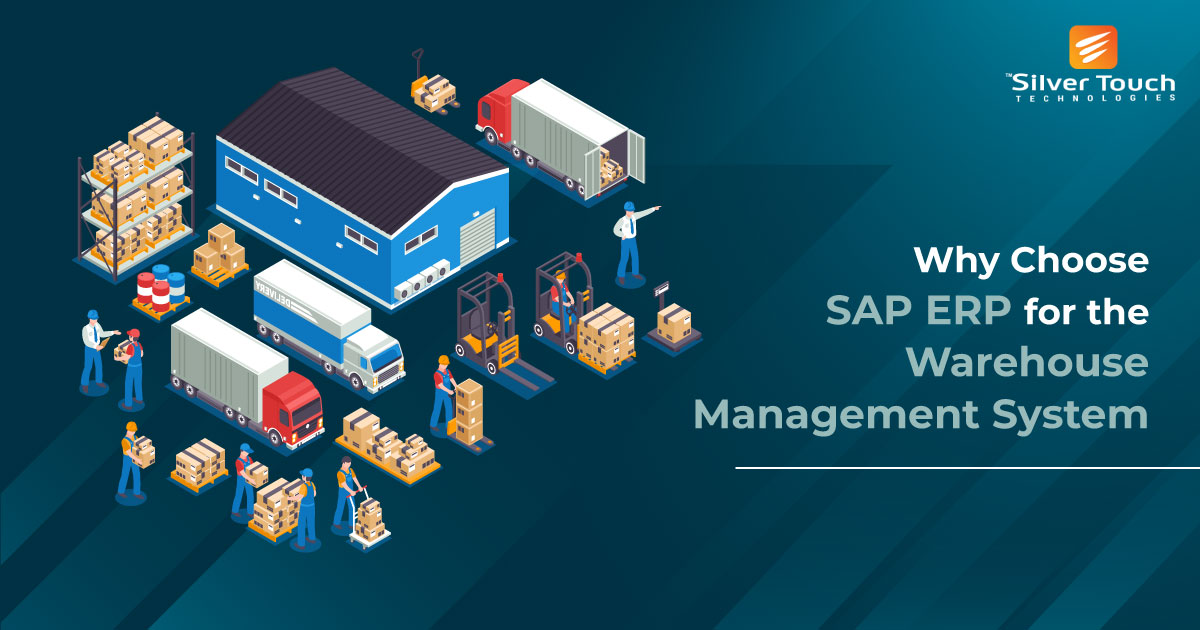
Understanding SAP Warehouse Management (WM)
SAP WM essentially transforms a physical warehouse into a digitized, intelligent operational hub. It moves beyond basic inventory tracking to offer granular control and visibility over every item, location, and movement within the warehouse environment.
The Core Functionality: What It Does
SAP WM’s primary objective is to manage the flow of goods within a warehouse efficiently and accurately. It orchestrates tasks such as:
- Goods Receipt: Managing incoming materials, including quality inspection and staging.
- Putaway Strategies: Determining the optimal storage bin for incoming materials based on various factors like material type, size, weight, and existing stock.
- Stock Placement and Removal: Guiding warehouse personnel on where to store items and from where to retrieve them, minimizing travel time and errors.
- Internal Warehouse Movements: Facilitating transfers between different storage bins or areas within the warehouse.
- Picking Strategies: Optimizing the collection of goods for outgoing deliveries, often employing strategies like FIFO (First-In, First-Out), LIFO (Last-In, First-Out), or wave picking.
- Packing and Staging: Preparing goods for shipment, consolidating items, and moving them to shipping zones.
- Goods Issue: Processing outgoing deliveries and updating inventory records.
- Inventory Management: Providing real-time visibility into stock levels, locations, and status, supporting cycle counting and physical inventory processes.
Key Modules and Capabilities
SAP WM is structured around several interconnected components and capabilities:
- Organizational Structure: Defining the warehouse number, storage types (e.g., high-rack storage, bulk storage), storage sections, storage bins, and picking areas. This hierarchical structure mirrors the physical layout of the warehouse.
- Master Data: Managing critical information such as material master data (relevant to WM), storage bin master data, and transfer requirements/orders.
- Movement Types: Defining the rules for various stock movements, linking them to specific IM (Inventory Management) movements.
- Interface to Inventory Management (IM): The direct link between WM and IM ensures that inventory levels are synchronized across both modules, providing a unified view of stock.
- Storage Unit Management (SUM): An optional feature for managing materials in storage units (e.g., pallets, containers), offering greater control over handling units.
- Hazardous Material Management: Capabilities for handling dangerous goods in compliance with safety regulations.
- Radio Frequency (RF) Devices: Integration with handheld scanners and mobile devices to enable real-time data capture and task confirmation, reducing manual errors and improving efficiency.
Why Warehouse Management is Crucial for Businesses
Effective warehouse management is not just about moving boxes; it’s a strategic imperative. In today’s fast-paced global economy, customer expectations for rapid and accurate deliveries are higher than ever. A well-managed warehouse directly impacts a company’s ability to fulfill orders efficiently, reduce operational costs, minimize waste, and maintain a competitive edge. Without a robust system like SAP WM, businesses risk stockouts, overstocking, picking errors, inefficient space utilization, and ultimately, dissatisfied customers. It forms the backbone of a responsive supply chain, ensuring that the right product is in the right place at the right time.
The Benefits of Implementing SAP WM
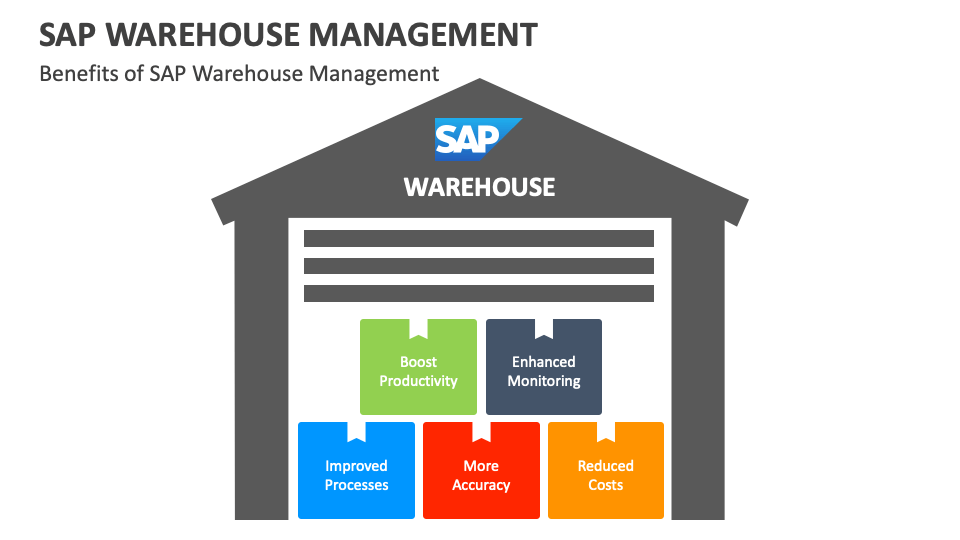
The adoption of SAP WM brings a multitude of strategic and operational advantages to businesses, moving them beyond manual or fragmented warehouse processes into a realm of optimized control and efficiency.
Enhanced Efficiency and Accuracy
One of the most immediate benefits of SAP WM is the significant boost in operational efficiency and accuracy. By automating tasks like putaway and picking, reducing manual data entry, and providing clear instructions via RF devices, the system drastically cuts down on human error. This leads to fewer mispicks, fewer inventory discrepancies, and a smoother flow of goods. Warehouse personnel can perform tasks more quickly and reliably, leading to higher throughput and productivity.
Improved Inventory Control and Visibility
SAP WM provides real-time, granular visibility into inventory levels and locations. Every single item’s movement, from receipt to dispatch, is tracked and recorded. This eliminates the guesswork associated with inventory management, providing precise data on what stock is available, where it’s located, and its current status. Such detailed control helps in:
- Minimizing Stockouts: Accurate data allows for better demand forecasting and timely replenishment.
- Reducing Overstocking: Prevents capital from being tied up in excessive inventory, lowering carrying costs.
- Facilitating Cycle Counting: Automated processes make periodic inventory checks more efficient and less disruptive than full physical inventories.
Optimized Space Utilization
Warehouses are expensive assets, and maximizing their storage capacity is crucial. SAP WM helps optimize space utilization by implementing intelligent putaway strategies. It can suggest the most appropriate bin for incoming goods based on available space, material characteristics, and future picking strategies. This can involve consolidating partial bins, assigning items to compact storage, or directing oversized items to specialized areas, ensuring that every square foot of warehouse space is used effectively.
Streamlined Operations and Cost Reduction
The cumulative effect of increased efficiency, accuracy, and optimized space utilization is a significant streamlining of overall warehouse operations, which translates directly into cost reductions.
- Reduced Labor Costs: Automation and optimized task flows mean less time spent on manual processes and searching for items.
- Lower Carrying Costs: Better inventory control reduces the need for large safety stocks.
- Decreased Damage and Obsolescence: Proper storage and faster rotation of goods minimize product damage and the risk of inventory becoming obsolete.
- Improved Throughput: The ability to process more goods in the same timeframe without increasing resources.
Better Customer Satisfaction
Ultimately, the goal of an optimized supply chain is to deliver on customer promises. SAP WM contributes significantly to customer satisfaction by:
- Faster Order Fulfillment: Efficient picking and packing processes lead to quicker dispatch times.
- Higher Order Accuracy: Fewer picking errors mean customers receive exactly what they ordered.
- Improved On-Time Delivery: Streamlined operations ensure goods are ready for shipment when expected.
- Enhanced Traceability: The ability to track products through the warehouse adds transparency and confidence.
Who Uses SAP WM and Why?
SAP WM is a versatile solution, designed to cater to a broad spectrum of industries and business sizes, particularly those with complex warehouse operations that demand high levels of precision and efficiency.
Industries Benefiting from SAP WM
Any industry dealing with significant inventory volumes, diverse product ranges, or intricate logistical requirements stands to gain from SAP WM. These include:
- Manufacturing: Managing raw materials, work-in-progress, and finished goods inventories for production lines.
- Retail and E-commerce: Handling vast product catalogs, managing returns, and fulfilling orders quickly for both brick-and-mortar and online sales.
- Automotive: Managing spare parts, components, and vehicle inventories with high precision and traceability.
- Pharmaceutical and Life Sciences: Ensuring strict compliance with regulatory requirements for storage, handling, and batch management of sensitive goods.
- Consumer Packaged Goods (CPG): Managing high-volume, fast-moving consumer goods with complex distribution networks.
- Third-Party Logistics (3PL): Providing efficient warehousing services for multiple clients with diverse requirements.
Typical Business Scenarios
SAP WM addresses various operational challenges common in these industries:
- High-Volume Distribution Centers: Where millions of items move through daily, requiring sophisticated routing and picking strategies.
- Production Warehouses: Supporting just-in-time (JIT) or lean manufacturing by ensuring materials are available precisely when needed.
- Cold Storage Facilities: Managing temperature-sensitive goods with specific storage requirements.
- Bonded Warehouses: Handling goods under customs control with specific legal and procedural mandates.
- Cross-Docking Operations: Minimizing storage time by directly transferring incoming goods to outgoing shipments.
Integration with Other SAP Modules
One of SAP WM’s greatest strengths lies in its tight integration with other SAP ERP modules, creating a cohesive and comprehensive business management system:
- Materials Management (MM): WM is inherently linked to MM for inventory management (IM). Goods receipts in MM trigger putaway in WM; goods issues in WM update IM stock.
- Production Planning (PP): WM ensures the timely supply of raw materials to production work centers and manages the storage of finished goods from production.
- Sales and Distribution (SD): Sales orders in SD trigger picking requests in WM, and goods issues in WM update the delivery status in SD.
- Quality Management (QM): Goods receipts can be directed to quality inspection zones in WM, and stock can be held as “quality inspection stock” until released.
- Finance and Controlling (FI/CO): Inventory valuations and stock movements processed in WM impact financial records and cost analysis.
This integration eliminates data silos, reduces manual reconciliation efforts, and ensures that all departments operate with a consistent and up-to-date view of inventory and logistical processes.
SAP WM’s Evolution: From WM to EWM
While SAP WM has been a stalwart in warehouse management for decades, the landscape of supply chain technology is constantly evolving. SAP has responded to increasing complexity and higher performance demands with a next-generation solution.
The Legacy of SAP WM
SAP WM has a rich history, being a fundamental component of SAP R/3 and later SAP ECC 6.0. It has served countless organizations by providing robust, albeit sometimes rigid, functionalities for managing warehouses. Its strength lies in its deep integration within the core SAP ERP system, making it a natural choice for companies already heavily invested in SAP ECC. However, as warehouses grew larger, more automated, and faced increasing pressure for real-time responsiveness and omnichannel fulfillment, the capabilities of WM began to show their limits for the most demanding scenarios.
Introduction to SAP Extended Warehouse Management (EWM)
Recognizing the need for a more advanced, flexible, and scalable solution, SAP developed and introduced SAP Extended Warehouse Management (EWM). EWM is designed to handle the complexities of modern, highly automated, and high-volume distribution centers that WM, while competent, was not originally built to address. EWM can run as a standalone system (decentralized EWM) or be integrated within SAP S/4HANA (embedded EWM), offering greater flexibility and performance.
WM vs. EWM: Key Differences and Migration Paths
The distinction between WM and EWM is crucial for companies planning their supply chain technology roadmap.
Key Differences:
- Architecture: WM is tightly coupled with the core ERP. EWM, especially decentralized EWM, can run as a separate system, offering more scalability and independence from the core ERP’s performance. Embedded EWM, while within S/4HANA, still leverages the advanced functionalities of EWM.
- Functionality Depth: EWM offers a much richer set of functionalities, including advanced wave management, labor management, yard management, slotting and rearrangement, cartonization, value-added services (VAS), material flow systems (MFS) for automated equipment, and enhanced resource management. WM’s capabilities are more basic and less flexible in these areas.
- Automation Support: EWM is specifically designed to integrate with and manage highly automated warehouses, including complex robotics, automated guided vehicles (AGVs), and conveyor systems, through its Material Flow System (MFS). WM has limited direct support for such advanced automation.
- Optimization: EWM provides more sophisticated optimization algorithms for picking, putaway, and resource utilization.
- User Interface: EWM, particularly in its S/4HANA context, benefits from a more modern Fiori-based user interface, offering better usability compared to WM’s traditional SAP GUI screens.
Migration Paths:
For companies currently using SAP WM, the transition to EWM is a common consideration, especially with the move to SAP S/4HANA. SAP offers various migration strategies, ranging from a direct functional switch within S/4HANA (embedded EWM) to implementing decentralized EWM for more complex operations. The choice depends on the existing WM complexity, the desired level of automation, and the overall S/4HANA roadmap. SAP’s strategic direction clearly favors EWM as the future of warehouse management.
Implementing and Maintaining SAP WM
Implementing SAP WM, or any large-scale ERP module, is a significant undertaking that requires careful planning, skilled execution, and ongoing commitment.
Key Considerations for Implementation
Successful SAP WM implementation hinges on several critical factors:
- Detailed Blueprinting: A thorough analysis of existing warehouse processes, identification of pain points, and design of future-state processes leveraging WM capabilities. This includes defining organizational structures, master data requirements, and integration points.
- Data Migration: Accurately migrating existing inventory, bin, and material master data from legacy systems to SAP WM is crucial.
- System Configuration: Tailoring the standard SAP WM functionalities to meet specific business requirements through configuration settings. This includes defining putaway/picking strategies, movement types, and storage types.
- Integration Testing: Rigorous testing of WM’s integration with other SAP modules (MM, SD, PP) to ensure seamless end-to-end process flow.
- Hardware and Infrastructure: Ensuring the underlying IT infrastructure (servers, networks, RF devices) can support the WM system and its users.
Training and User Adoption
Technology, no matter how advanced, is only as good as its users. Comprehensive training is paramount for successful user adoption. This includes:
- Role-Based Training: Tailoring training programs to specific user roles (e.g., goods receipt clerk, picker, inventory manager).
- Hands-on Practice: Providing opportunities for users to practice with the system in a controlled environment.
- Change Management: Communicating the benefits of the new system and addressing user concerns to ease the transition from old processes.
- Post-Go-Live Support: Offering immediate support after the system goes live to resolve issues and answer questions.

Future-Proofing Your Warehouse Management
Even if an organization is currently running on SAP WM, it’s essential to consider the future. This involves:
- Regular System Maintenance: Keeping the SAP system updated with patches and minor enhancements.
- Performance Monitoring: Continuously monitoring system performance to ensure it meets operational demands.
- Strategic Roadmapping: Regularly evaluating whether SAP WM continues to meet evolving business needs and considering the strategic shift towards SAP EWM, especially in the context of an S/4HANA migration. For many businesses, especially those with growing complexity and automation needs, migrating to EWM will be a critical step to future-proof their warehouse operations and leverage the latest technological advancements from SAP.
In conclusion, SAP WM has been an indispensable tool for managing complex warehouse operations for decades, offering robust capabilities for inventory control, process optimization, and operational efficiency. While SAP EWM represents the future of warehouse management with its advanced functionalities and modern architecture, understanding SAP WM’s foundational principles remains critical for many organizations, particularly those still running on SAP ECC, as they navigate their journey towards more intelligent and automated supply chains.
aViewFromTheCave is a participant in the Amazon Services LLC Associates Program, an affiliate advertising program designed to provide a means for sites to earn advertising fees by advertising and linking to Amazon.com. Amazon, the Amazon logo, AmazonSupply, and the AmazonSupply logo are trademarks of Amazon.com, Inc. or its affiliates. As an Amazon Associate we earn affiliate commissions from qualifying purchases.