
In the hyper-accelerated world of digital media and reality television, the concept of “fifteen minutes of fame” has become a literal metric for many aspiring creators and performers. However, few case studies offer as much insight into the mechanics of personal branding, reputation management, and market pivot as the trajectory of Michael Grimm. Best known as the winner of the fifth season of America’s Got Talent (AGT), Grimm’s journey from a modest singer to a national household name—and his subsequent navigation of health crises and industry shifts—provides a masterclass in brand resilience.
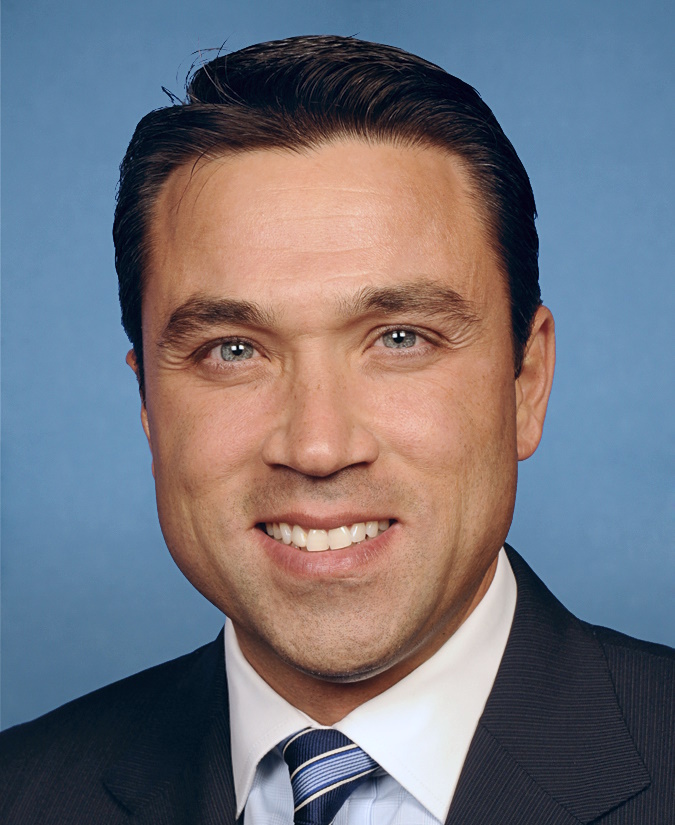
To understand “what happened” to Michael Grimm is to understand the lifecycle of a personal brand in the 21st century. It is a story of how an individual manages the transition from a curated television persona to a sustainable professional entity, and how they protect that brand when life introduces unforeseen variables.
The Architecture of an “Overnight” Brand Sensation
The foundational error many observers make is assuming Michael Grimm’s brand began on the AGT stage. In reality, Grimm had spent years honing a “Blue-Eyed Soul” identity in the lounges of Las Vegas. His success on the national stage was not an accident of luck, but the result of a pre-existing, highly refined brand archetype that was ready for a larger platform.
The America’s Got Talent Incubator
When Grimm entered the public consciousness in 2010, he utilized the reality TV platform not just as a talent showcase, but as a brand incubator. The “humble soul singer” narrative was a powerful marketing hook. In personal branding, the “Origin Story” is the most critical asset. Grimm’s story—performing to support his grandparents who had lost everything in Hurricane Katrina—created an immediate emotional equity with the audience. This alignment of talent with a relatable, high-stakes narrative is what differentiates a “competitor” from a “brand.”
Defining the Blue-Eyed Soul Identity
In a market saturated with pop stars and high-production spectacles, Grimm’s brand was built on “Authentic Minimalism.” By leaning into the soulful, gritty aesthetics of Otis Redding and Etta James, he carved out a niche that appealed to a multi-generational demographic. For brand strategists, this is a lesson in market positioning: instead of competing for the youth-centric “Top 40” sound, Grimm occupied a space of timelessness, which arguably has a longer shelf life and higher loyalty among older, higher-spending demographics.
The Volatility of Post-Peak Brand Momentum
Winning a major competition creates a “Brand Peak”—a moment of maximum visibility and market value. However, the plateau that follows is where most personal brands fail. The transition from being “the winner of a show” to being “a standalone artist” is a treacherous branding exercise.
Navigating the Post-Win Vacuum
After his $1 million win and a headlining show in Las Vegas, Grimm faced the challenge of brand fatigue. In the “Attention Economy,” the public often moves on to the next season’s winner before the current one has even released their first post-show project. Grimm’s strategy during this period involved a retreat to his core market: Las Vegas. From a brand strategy perspective, this was a move for “Niche Dominance” over “Mass Market Dilution.” By securing residencies at high-end venues, he ensured a steady stream of revenue and maintained a “premium” brand status without the volatility of national touring.
The Challenge of Label Alignment
Grimm’s experience with major record labels highlights a common corporate identity clash. When a personal brand is absorbed into a larger corporate brand (like a major label), the original “authentic” identity often gets smoothed over to fit a commercial mold. Grimm’s eventual move toward independent production was a strategic reclaim of brand autonomy. For entrepreneurs and creators, this serves as a reminder that brand control is often more valuable than brand reach if that reach comes at the cost of the core identity.
Crisis Management and Brand Vulnerability

In 2023, the question of “what happened to Michael Grimm” took a somber turn when news broke of a severe health crisis. For any personal brand, the health and well-being of the principal individual is the brand. Managing this crisis required a delicate balance of transparency and privacy.
The 2023 Health Crisis: A Case Study in Crisis PR
Grimm was hospitalized and placed on a ventilator following a mysterious illness that affected his neurological functions. In the age of social media, silence during a crisis can lead to damaging speculation. Grimm’s team, led by his wife Lucie Thomas-Grimm, utilized a “Controlled Transparency” strategy. By providing regular, honest updates via video, they maintained the brand’s connection with its community while managing expectations.
This approach transformed a potential tragedy into a narrative of “Resilience and Recovery.” In brand marketing, vulnerability—when handled with dignity—strengthens the bond between the brand and the consumer. The outpouring of support and the success of a GoFundMe campaign for his medical bills proved that Grimm had built significant “Brand Equity” over the previous decade.
Communicating Through Uncertainty
One of the hardest aspects of reputation management is admitting when you don’t have the answers. Grimm’s recovery was slow and required him to relearn basic motor skills and vocal techniques. The communication strategy during this period didn’t focus on “The Comeback” immediately; it focused on “The Journey.” This kept the audience engaged in his story, ensuring that when he was finally ready to return to the stage, the market demand would be higher than ever.
Strategic Rebranding in the Digital Age
As Michael Grimm returned to public life in late 2023 and early 2024, his brand underwent a subtle but necessary evolution. The “Soulful Winner” of 2010 had matured into the “Resilient Survivor” of the present.
Leveraging Nostalgia and Legacy
A mature brand cannot rely solely on new acquisitions; it must leverage its history. Grimm’s return to the stage was marketed not just as a concert, but as a “Celebration of Life.” This pivot changed the product from “Music” to “Inspiration.” For brand managers, this illustrates the power of “Reframing.” By shifting the focus from his vocal performance to his survival story, Grimm expanded his brand’s appeal to include motivational and wellness-focused audiences.
Diversifying the Brand Portfolio
Modern personal branding requires diversification to mitigate risk. Grimm has expanded beyond traditional performances into intimate “storyteller” sessions and digital engagement. By utilizing platforms like Facebook and Instagram to share behind-the-scenes content of his rehabilitation and rehearsals, he has humanized the brand. This “Vertical Integration” of his personal life and professional output creates a more robust, multi-dimensional brand that is less dependent on traditional media gatekeepers.
Lessons for Modern Personal Brands
The story of Michael Grimm is more than a celebrity update; it is an instructional narrative for anyone looking to build a sustainable personal brand in a volatile market.
Authenticity as a Competitive Moat
In an era of AI-generated content and highly polished influencers, Grimm’s “rough-around-the-edges” soul persona acts as a “moat”—a competitive advantage that is difficult to replicate. His brand is rooted in human experience, which remains the most valuable currency in marketing. Whether he is singing or speaking about his recovery, the “Authenticity” remains consistent.
The Importance of Brand Community
Grimm’s ability to survive a year-long professional hiatus due to health issues was entirely dependent on the community he built. A brand is not just a logo or a voice; it is the relationship between the creator and the audience. By consistently delivering value and maintaining a humble public persona, Grimm built a “Loyalty Reserve” that he was able to draw upon during his darkest hour.

Conclusion: The Long Game of Reputation
What happened to Michael Grimm? He evolved. He moved from being a product of a reality television machine to being the owner of a resilient, independent personal brand. His journey reminds us that in the world of brand strategy, the goal is not just to reach the top, but to build a foundation strong enough to survive the fall, and the wisdom to turn that survival into the next chapter of the brand’s story. For professionals in any field, the lesson is clear: protect your core identity, communicate with transparency, and never underestimate the value of a loyal audience.
aViewFromTheCave is a participant in the Amazon Services LLC Associates Program, an affiliate advertising program designed to provide a means for sites to earn advertising fees by advertising and linking to Amazon.com. Amazon, the Amazon logo, AmazonSupply, and the AmazonSupply logo are trademarks of Amazon.com, Inc. or its affiliates. As an Amazon Associate we earn affiliate commissions from qualifying purchases.