
Golf is a game of precision, and at the heart of that precision lies the equipment in your bag. Among the most critical tools for a golfer’s short game is the sand wedge. While many players focus on the brand or the aesthetic finish of their wedges, the underlying technical specifications—specifically the loft—are what dictate how the ball behaves upon impact. Understanding sand wedge loft is not merely a matter of equipment trivia; it is a fundamental pillar of brand strategy and performance optimization for golfers seeking to lower their scores.
Defining Loft: The Geometry of the Short Game
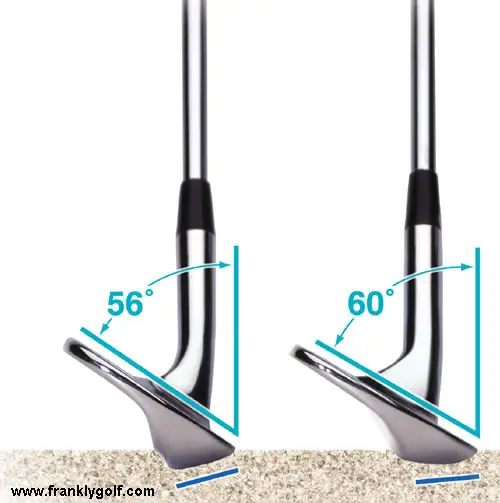
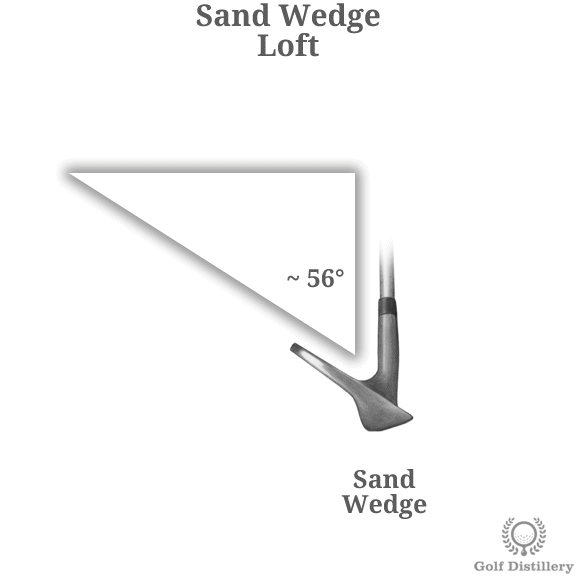
At its most technical level, loft is the angle of the clubface relative to the ground. In the context of a sand wedge, this angle is the primary driver of trajectory and spin. A typical sand wedge carries a loft between 54 and 56 degrees. This measurement is engineered to provide the perfect balance between lift and distance control, allowing a player to navigate bunkers and soft turf with consistency.
The Physics of Ball Flight
The loft of a sand wedge serves a dual purpose: it provides the necessary launch angle to clear bunker lips and allows for a higher spin rate. Because the clubface is tilted back at a significant angle, the grooves of the club grab the ball at impact, creating backspin. In the world of golf manufacturing, this is where brand identity meets precision engineering. Companies invest millions into research and development to ensure that their wedges provide a predictable launch, reinforcing their reputation as high-performance brands.
Why Loft Matters for Strategy
When a golfer selects a sand wedge, they are choosing a tactical asset. A 56-degree wedge, often referred to as the “standard” sand wedge, is the versatile workhorse of the bag. It is designed to be opened up for high, soft-landing bunker shots or played square for full-swing approach shots. Choosing the right loft is a strategic decision that shapes how a player approaches the most difficult shots on the course. From a brand perspective, manufacturers design these tools to solve specific player problems, effectively turning equipment specs into a marketing narrative centered on “game improvement” and “professional results.”
Strategic Brand Positioning in Golf Equipment
The golf industry is a masterclass in product branding. Every degree of loft is marketed as a specific solution to a consumer’s struggle. When a brand promotes a 56-degree sand wedge, they are not just selling a piece of forged steel; they are selling the brand promise of control, consistency, and professional-grade performance.
The Engineering of Brand Identity
The leading golf brands do not differentiate themselves solely by materials, but by their ability to communicate technical data—like bounce, grind, and loft—in a way that makes the amateur golfer feel like a touring professional. The sand wedge is often the “test kitchen” for brand innovation. By refining the loft and sole configuration, brands like Titleist, Cleveland, and Callaway create a proprietary feel that cements brand loyalty.
Consumer Education as a Marketing Tool
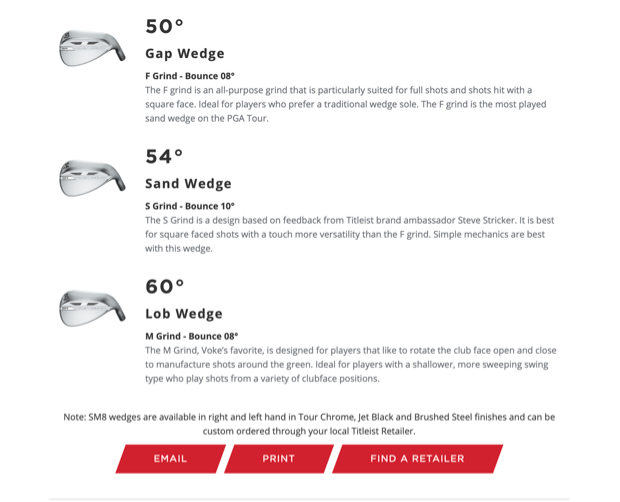
Marketing in the golf space relies heavily on consumer education. When brands provide detailed charts explaining why a 54-degree wedge might be better for a specific turf condition than a 56-degree wedge, they are engaging in a sophisticated form of content marketing. This strategy builds authority. By positioning the brand as a source of technical expertise regarding loft and bounce, companies build trust, ensuring that when the time comes to upgrade a wedge, the consumer returns to the brand that taught them how to play the game.
Selecting the Right Loft for Your Bag
Integrating a sand wedge into your set is an exercise in bag architecture. You must analyze your existing set’s lofts to ensure there are no “gaps.” If your pitching wedge is 46 degrees and your gap wedge is 50, a 54-degree sand wedge is the logical progression. This technical alignment is essential for maintaining consistent yardage gaps, a hallmark of a well-organized golf set.
The Role of Bounce and Grind
While loft is the vertical angle, bounce is the angle of the sole. You cannot discuss loft without mentioning bounce, as the two work in tandem to determine how the club interacts with the sand. A brand strategy that fails to mention the relationship between loft and bounce is incomplete. High-loft wedges require specific bounce configurations to prevent the club from digging too deep into the sand. Consumers looking for a high-end golf experience expect brands to provide this holistic view, offering “grind” options that allow the player to tailor the loft’s effectiveness to their specific swing path.
Customization and Personal Branding
For the modern golfer, customization is the ultimate form of personal branding. Players are increasingly opting for stamped wedges, personalized finishes, and custom shaft lengths. This trend allows golfers to align their gear with their personal style while maintaining the rigorous technical requirements of proper loft selection. It is a fusion of identity and function—using a tool that fits your game, while making a statement on the course about the kind of golfer you are.
The Future of Wedge Innovation
Looking ahead, the evolution of sand wedge loft will likely involve AI-driven manufacturing and material science. We are seeing a shift toward computer-aided design (CAD) that optimizes the “center of gravity” relative to the loft. This ensures that even on off-center hits, the ball trajectory remains consistent.
Data-Driven Development
Leading brands are now using launch monitors to gather massive datasets on how players of different skill levels interact with various lofts. This allows them to create “smart” wedge sets that automatically calibrate loft progression based on the player’s swing speed and common course conditions. This is the next frontier of golf marketing: personalization through big data.
Sustainable Brand Leadership
As the industry moves forward, the brands that win will be those that continue to simplify the complex relationship between loft, bounce, and spin. By creating educational platforms that demystify these technical specs, brands are turning complex physics into a relatable user experience. Whether it is a professional tour player or a weekend warrior, the desire for a wedge that provides a consistent, high-loft shot out of the bunker remains a universal goal.
In summary, the sand wedge loft is much more than just a measurement on a spec sheet. It is a critical component of golf bag strategy, a primary focus of brand engineering, and a key factor in how players express their own identity on the course. By understanding the interplay between loft, spin, and launch, golfers can make informed decisions that improve their performance, while manufacturers can continue to build strong, authoritative brands that resonate with the needs of their target demographic. Every degree counts in the pursuit of a lower score, and in the world of professional golf equipment, that degree is the difference between a successful escape from the bunker and a missed opportunity.
aViewFromTheCave is a participant in the Amazon Services LLC Associates Program, an affiliate advertising program designed to provide a means for sites to earn advertising fees by advertising and linking to Amazon.com. Amazon, the Amazon logo, AmazonSupply, and the AmazonSupply logo are trademarks of Amazon.com, Inc. or its affiliates. As an Amazon Associate we earn affiliate commissions from qualifying purchases.