
The Financial Earthquake: Libya’s Economy Before and After 2011
Libya, a nation historically synonymous with vast hydrocarbon reserves, experienced a profound financial upheaval in 2011, triggering a cascade of economic consequences that continue to shape its trajectory. Prior to the uprising, the Libyan economy was largely robust, underpinned by substantial oil and natural gas exports. The abrupt shift from a relatively stable, though state-controlled, economic model to one marred by conflict and political fragmentation represented a seismic financial event, impacting not only national wealth but also the global energy market and the very fabric of its financial institutions.

A Hydrocarbon-Dependent Fortune
Before 2011, Libya boasted Africa’s largest proven crude oil reserves, with production regularly exceeding 1.6 million barrels per day. This formidable output positioned the nation as a significant player in OPEC and on the international energy stage. The financial implications were immense: oil and gas accounted for over 95% of export earnings and approximately 60% of GDP, directly financing an expansive public sector and a wide array of state subsidies. The nation accumulated substantial foreign exchange reserves, estimated to be over $150 billion by 2010, managed by the Libyan Investment Authority (LIA), a sovereign wealth fund. These reserves were intended to fund long-term development and provide a buffer against oil price fluctuations, signifying a considerable national financial asset. Economic planning, while centralized, aimed at leveraging these oil revenues for infrastructure development and improving living standards, even if actual diversification beyond hydrocarbons remained limited.
The Cost of Conflict
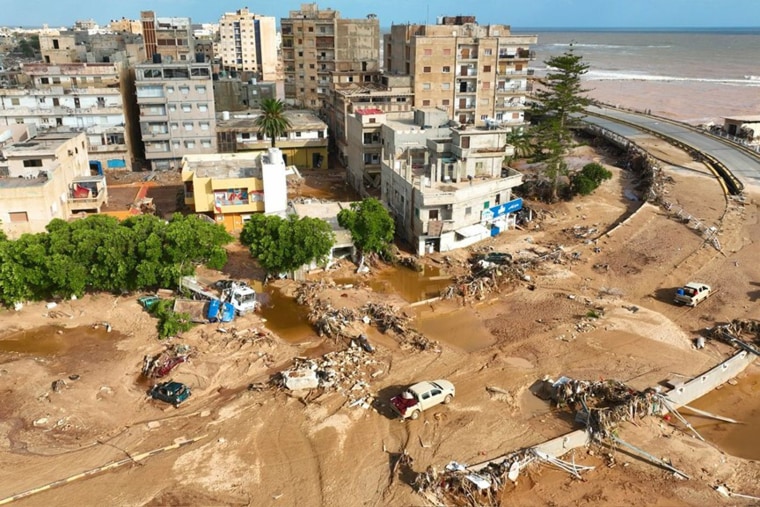
The onset of conflict in 2011 unleashed immediate and devastating economic consequences. Oil production plummeted, at times nearing zero, as facilities were damaged, blockaded, or became battlegrounds. This drastic reduction in output starved the state of its primary revenue source, leading to massive budget deficits. Infrastructure, including vital oil terminals, pipelines, and transportation networks, sustained significant damage, requiring billions in future reconstruction costs. The financial system itself faced immense strain, with banks experiencing liquidity crises, capital flight, and a severe disruption of normal commercial activities. International sanctions imposed during the conflict further complicated financial transactions, freezing state assets and hindering access to foreign markets and capital. The immediate economic impact was a severe contraction in GDP, a sharp rise in inflation, and widespread unemployment, plunging many into economic precarity despite the nation’s underlying wealth.
Oil as Both Blessing and Bane: The Struggle for Resources and Revenue
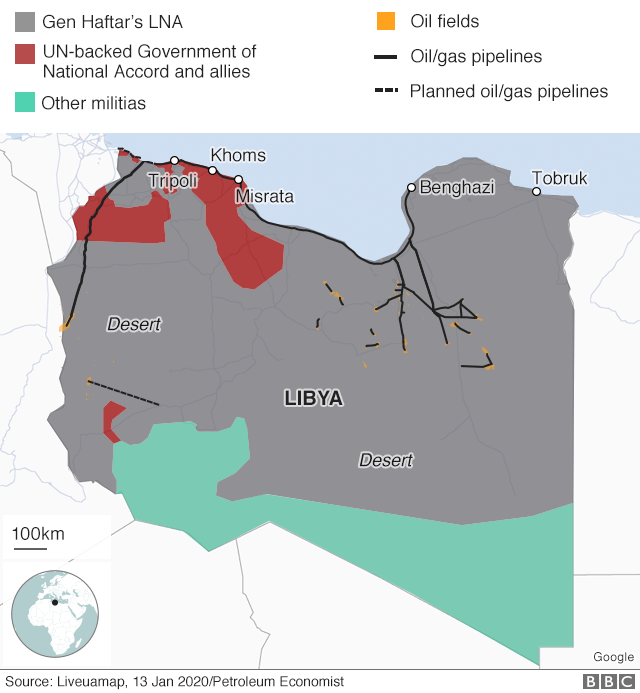
The conflict’s evolution revealed a stark truth: oil, while the source of Libya’s potential prosperity, also became a central prize and a tool of political leverage for warring factions. The ongoing struggle for control over oil fields, export terminals, and the institutions responsible for managing hydrocarbon revenues transformed the nation’s most valuable asset into a persistent source of financial and political instability.
Production Collapse and Recovery Attempts
Following the initial 2011 collapse, Libyan oil production has been characterized by extreme volatility. Output levels have swung wildly, from nearly pre-2011 highs during periods of relative calm to sharp drops of several hundred thousand barrels per day due to blockades, pipeline closures, and direct attacks on facilities. Each disruption sent ripples through global energy markets, highlighting Libya’s strategic importance, even amidst its internal strife. The economic impact on Libya itself was catastrophic, as repeated production shutdowns meant extended periods of minimal or no state revenue. Attempts at recovery have been contingent on fragile political ceasefires and security arrangements, often proving temporary. The technical challenges of restarting and maintaining production after prolonged shutdowns, coupled with underinvestment in maintenance and exploration, further complicated sustained recovery efforts, hindering the national treasury’s ability to fund essential services or reconstruction.
The Central Bank and National Oil Corporation (NOC): Contested Financial Institutions
The National Oil Corporation (NOC) and the Central Bank of Libya (CBL) became critical battlegrounds in the country’s fragmented governance. As the legal repositories of hydrocarbon wealth and the custodians of national finances, respectively, control over these institutions translated into immense financial power. Different political factions sought to assert their authority over their leadership, their operational decisions, and crucially, the distribution of oil revenues. This contestation led to allegations of corruption, opaque financial transfers, and the diversion of funds, further eroding public trust and undermining fiscal transparency. The CBL, despite its internationally recognized single structure, faced immense pressure to disburse funds to various competing authorities, leading to over-expenditure, depleted foreign exchange reserves, and a burgeoning national debt. The integrity and independence of these vital financial pillars were severely compromised, perpetuating a cycle of economic instability and impeding a unified approach to national financial management.
Rebuilding Amidst Division: Financial Challenges of Reconstruction and Governance
The aftermath of conflict has left Libya facing a colossal task of physical and economic reconstruction. However, this challenge is compounded by persistent political divisions, which have created a fragmented fiscal landscape and an environment inimical to large-scale investment, both domestic and foreign. The financial architecture required for effective governance and development remains severely hampered by these foundational issues.
A Fragmented Fiscal Landscape
The emergence of multiple, competing governments and parallel administrative structures has created a highly fragmented fiscal landscape. Each faction, often controlling specific territories and resources, attempts to establish its own financial mechanisms for revenue collection and expenditure, albeit with limited success beyond its immediate sphere of influence. This lack of a unified national budget and a single, legitimate authority for financial oversight has led to considerable fiscal leakages, inefficient resource allocation, and a substantial drain on national assets. Public sector salaries, a significant portion of the national budget, have often been a point of contention, with some employees receiving wages from multiple entities or none at all. This financial disunity makes it nearly impossible to implement cohesive economic policies, address the national debt effectively, or manage the country’s sovereign wealth transparently, thus perpetuating financial instability and impeding progress towards a sustainable economic recovery.
The Investment Conundrum
Libya’s ongoing instability presents a formidable investment conundrum. Despite immense potential in its oil and gas sector and other areas, the perceived and actual risks deter both foreign direct investment (FDI) and substantial domestic private sector activity. Key deterrents include a lack of legal certainty, the absence of a stable regulatory framework, the constant threat of renewed conflict, and pervasive governance issues. Investors require predictability, security, and enforceable contracts, all of which are currently lacking. While humanitarian aid and emergency funding have flowed into the country, these are distinct from the long-term, development-oriented finance needed for sustainable economic growth. The state’s inability to guarantee security or enforce property rights means that even essential reconstruction projects struggle to attract necessary capital, leaving critical infrastructure in disrepair and hindering the creation of new economic opportunities outside the dominant oil sector.
Navigating the Path Forward: Economic Diversification and Stability
For Libya to move beyond its current economic predicament, a fundamental shift towards stability, unified governance, and economic diversification is imperative. The path forward demands not only political reconciliation but also significant financial reforms and strategic investments to build a resilient and inclusive economy.
Beyond Oil: The Imperative for Diversification
Reliance on oil alone has proven to be a double-edged sword for Libya. While it provided immense wealth, it also made the economy vulnerable to global price fluctuations and exacerbated internal conflicts over resource control. Diversification is no longer merely an aspiration but an urgent economic imperative. Strategic investments are needed in non-hydrocarbon sectors, such as renewable energy, given Libya’s vast solar and wind potential. Tourism, leveraging the nation’s Mediterranean coastline and historical sites, presents another long-term opportunity, though it requires significant security improvements and infrastructure development. Support for small and medium-sized enterprises (SMEs) through access to finance, training, and a conducive business environment could unlock local innovation and job creation. Achieving this diversification requires stable governance, targeted public investment, and policies that attract and protect private capital beyond the energy sector.
Unlocking International Financial Engagement
Re-establishing trust and engagement with international financial institutions (IFIs) and the global investment community is crucial. The International Monetary Fund (IMF) and the World Bank can play a vital role in providing technical assistance for financial reforms, budget management, and transparent governance. Access to international loans and development aid would be essential for funding critical infrastructure projects and humanitarian initiatives. However, such engagement hinges on Libya demonstrating credible progress towards political stability, economic transparency, and accountability for its financial resources. Attracting private capital will require a robust legal framework, streamlined investment procedures, and a demonstrable commitment to protecting investor rights. International partners also have a role in facilitating debt management strategies and ensuring that external financial support reinforces, rather than undermines, efforts toward national unity and stability.
Social Contract and Public Finance Reform
Ultimately, long-term economic stability in Libya is inextricably linked to rebuilding a new social contract between the state and its citizens, underpinned by equitable public finance reform. This entails addressing the legacy of massive state subsidies, which, while intended to alleviate hardship, have proven fiscally unsustainable and distort market mechanisms. Reforming the public wage bill, ensuring fair distribution of oil revenues across all regions, and improving the quality and accessibility of public services are critical steps. Transparent and accountable management of national wealth, including the LIA, is paramount to rebuilding public trust and fostering national cohesion. Without a unified, legitimate government capable of implementing comprehensive financial reforms and ensuring that economic benefits are broadly shared, Libya’s path to lasting financial stability will remain precarious, perpetuating the cycle of conflict and underdevelopment.
aViewFromTheCave is a participant in the Amazon Services LLC Associates Program, an affiliate advertising program designed to provide a means for sites to earn advertising fees by advertising and linking to Amazon.com. Amazon, the Amazon logo, AmazonSupply, and the AmazonSupply logo are trademarks of Amazon.com, Inc. or its affiliates. As an Amazon Associate we earn affiliate commissions from qualifying purchases.